
A Senior’s Guide to Stroke Prevention in Lexington: Build Better Daily Habits
Every 40 seconds, someone in the United States has a stroke. For older adults, the consequences can be severe — affecting mobility, speech, memory, and the ability to live independently. Yet up to 80% of strokes are preventable. With the right habits and consistent care, seniors in Lexington, KY, can take meaningful steps to protect their brain health and maintain their quality of life.
What you will learn:
- How to manage key health factors like blood pressure and diabetes to keep your brain in tip-top shape.
- Simple and joyful ways to stay active and eat delicious foods that support your heart and mind.
- The wonderful benefits of having a helping hand from a caregiver make healthy living easy and consistent.
- Practical tips to lower your stroke risk so you can keep enjoying a vibrant life in our lovely Lexington community.
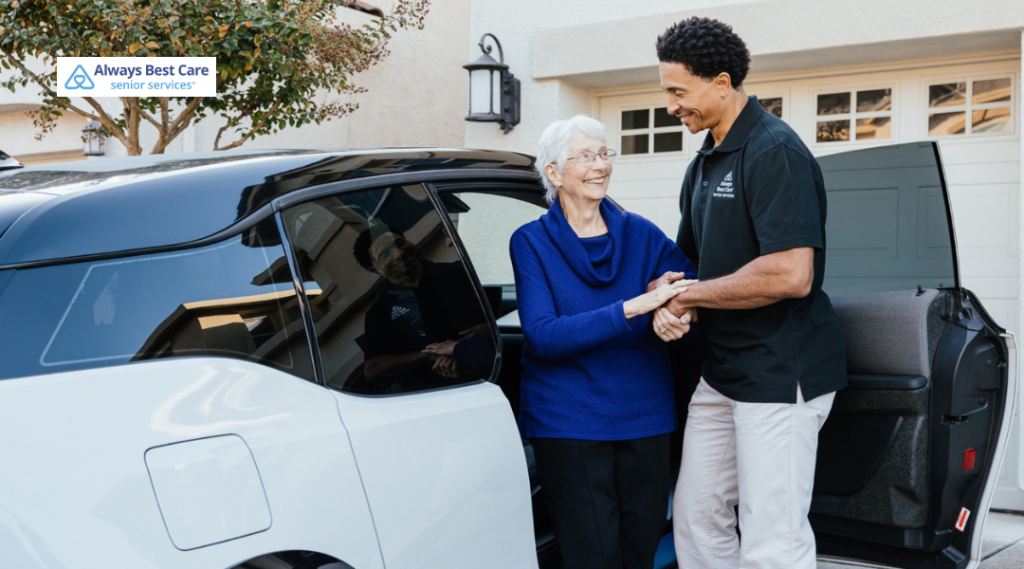
Table of Contents
Why Stroke Risk Rises with Age
Aging naturally changes the cardiovascular system. Blood vessels become less flexible, and the heart may not pump as efficiently as it once did. These changes, combined with conditions that become more common with age — high blood pressure, diabetes, atrial fibrillation, and high cholesterol — create an environment where stroke risk climbs steadily.
Understanding your personal risk factors is the first step. From there, targeted lifestyle changes and medical management can make a significant difference.
Control Blood Pressure — Your Most Powerful Defense
High blood pressure is the single most important modifiable stroke risk factor. Sustained elevated pressure weakens artery walls and can trigger the blockages or ruptures that cause strokes.
For seniors, keeping blood pressure in a healthy range requires a consistent, multi-layered approach:
- Monitor regularly — Home blood pressure monitors are affordable and easy to use. Tracking trends over time gives you and your doctor better insight than a single office reading.
- Reduce sodium — Processed foods, canned soups, and restaurant meals are often loaded with sodium. Cooking at home with herbs and spices instead of salt can make a noticeable difference.
- Take medications as prescribed — Skipping doses, even occasionally, can cause dangerous spikes. Set reminders or use a pill organizer to stay consistent.
- Stay active — Even moderate exercise, like a 30-minute daily walk, can lower blood pressure over time.
Manage Diabetes to Protect Blood Vessels
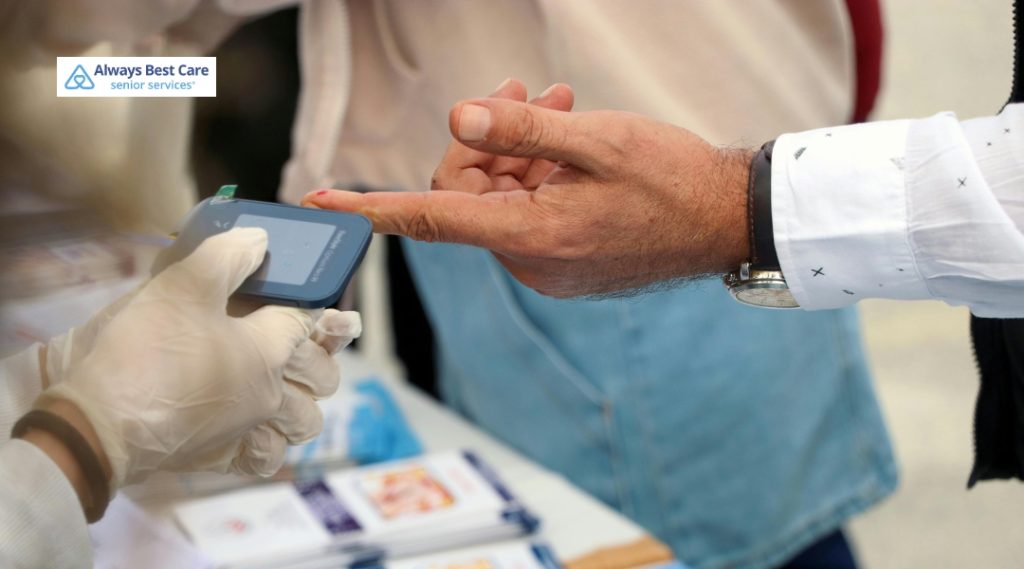
Chronically high blood sugar damages the walls of blood vessels throughout the body, including those supplying the brain. Seniors with diabetes face a significantly elevated stroke risk — but that risk can be reduced with diligent management.
Key strategies include consistently monitoring blood sugar levels, following a meal plan that limits refined carbohydrates and added sugars, staying physically active, and working closely with a healthcare provider to adjust medications as needed. The goal is not just to avoid dangerous highs and lows but to maintain stable levels day to day.
Keep Cholesterol in Check
Excess LDL cholesterol contributes to plaque buildup inside the arteries — a condition called atherosclerosis. Over time, this narrows the arteries and restricts blood flow to the brain, increasing the risk of an ischemic stroke.
Seniors can support healthy cholesterol levels by:
- Choosing foods rich in fiber, such as oats, beans, and leafy greens
- Replacing saturated fats with healthier options like olive oil, avocado, and fatty fish
- Limiting processed snacks, fried foods, and red meat
- Following prescribed statin or cholesterol-lowering medication plans
Annual cholesterol screenings help track progress and guide treatment decisions.
Move More Every Day
Physical inactivity is a direct contributor to stroke risk. Regular movement improves circulation, helps manage weight, lowers blood pressure, and reduces inflammation — all factors that protect the brain.
The good news is that seniors don’t need intense exercise to benefit. Consistent, moderate activity is what matters most. Effective options include:
- Daily walks through Lexington’s parks or neighborhoods
- Chair-based stretching or strength exercises
- Yoga or tai chi classes designed for older adults
- Light gardening or household activity
Aim for at least 150 minutes of moderate activity per week, broken into manageable sessions throughout the day if needed.
Eat for Brain and Heart Health
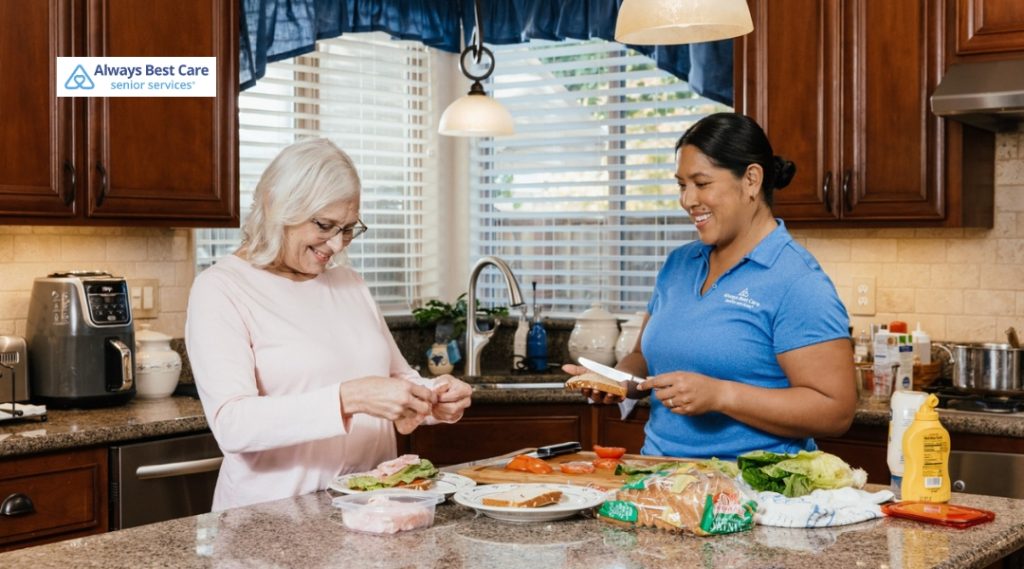
Diet is one of the most powerful tools for stroke prevention. A nutrient-dense eating pattern reduces inflammation, supports healthy blood vessels, and helps manage blood pressure, cholesterol, and blood sugar simultaneously.
A brain-healthy diet for seniors emphasizes:
- Fruits and vegetables — Aim for a colorful variety to maximize antioxidants and vitamins.
- Whole grains — Brown rice, quinoa, and whole wheat bread over refined carbohydrates.
- Lean proteins — Fish (especially fatty fish like salmon), poultry, legumes, and nuts.
- Healthy fats — Olive oil, avocados, and walnuts support cardiovascular health.
- Hydration — Dehydration thickens the blood and can contribute to clot formation. Seniors should aim for consistent fluid intake throughout the day.
Reducing sodium and limiting alcohol consumption are equally important components of a heart-healthy diet.
The Value of Daily Support
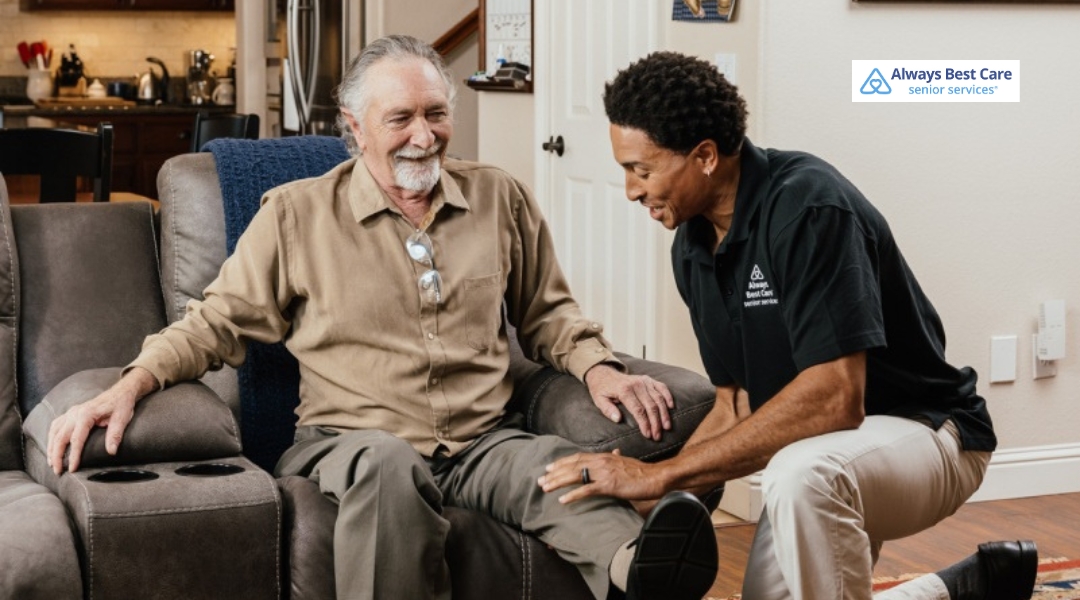
For many seniors, the challenge isn’t knowing what to do — it’s doing it consistently, especially when managing multiple health conditions or living alone. This is where in-home caregiving support becomes genuinely valuable.
A dedicated caregiver can help seniors in Lexington, KY:
- Prepare nutritious, low-sodium meals tailored to dietary needs
- Encourage and accompany them on daily walks or exercise routines
- Manage medication schedules and ensure doses are never missed
- Track health changes and communicate concerns to family or healthcare providers
- Provide companionship that reduces stress, which is itself a contributing factor to high blood pressure
These consistent, daily touchpoints create the structure that makes healthy habits sustainable over the long term.
Frequently Asked Questions
Q: What is the most important thing seniors can do to prevent a stroke?
A: Controlling blood pressure is the single most impactful step. High blood pressure is the leading cause of stroke, and managing it through lifestyle changes and medication significantly reduces risk.
Q: What are the warning signs of a stroke that seniors should know?
A: Use the acronym FAST: Face drooping, Arm weakness, Speech difficulty, Time to call 911. Acting quickly is critical — treatment is most effective within the first few hours of a stroke.
Q: Can seniors reduce stroke risk even if they already have health conditions like diabetes or heart disease?
A: Yes. While these conditions raise baseline risk, managing them effectively through medication, diet, and lifestyle changes can substantially lower the likelihood of a stroke.
Q: How does diet affect stroke risk specifically?
A: A poor diet contributes to high blood pressure, high cholesterol, and diabetes — all major stroke risk factors. A heart-healthy diet addresses all three simultaneously, making it one of the most efficient prevention strategies.
Q: How can an in-home caregiver help with stroke prevention?
A: Caregivers support stroke prevention by helping seniors maintain consistent medication schedules, prepare healthy meals, stay physically active, and monitor health changes — all of which contribute to long-term risk reduction.
Helping Seniors Stay Healthy and Independent in Lexington, KY
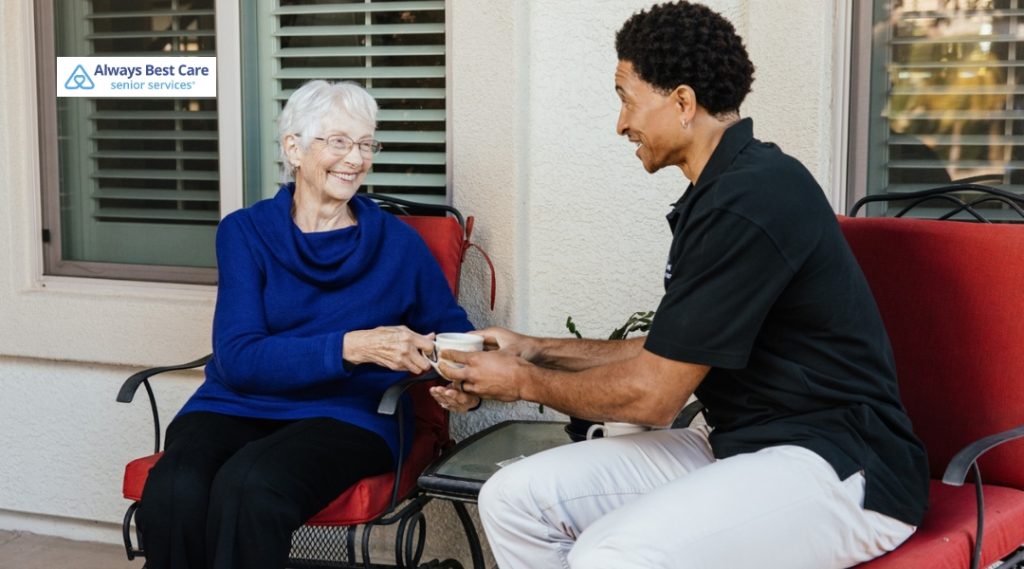
Stroke prevention is not a single action — it’s a lifestyle built on small, consistent choices made every day. For seniors in Lexington, KY, those choices are far easier to maintain with the right support system in place.
At Always Best Care of Lexington, KY, our caregivers work alongside seniors and their families to build routines that support brain health, cardiovascular wellness, and overall independence. Whether your loved one needs help with meal preparation, medication reminders, or simply staying active and engaged, we’re here to help.
Call Always Best Care of Lexington, KY today at (859) 305-0060 to schedule a care consultation and learn how we can support your loved one’s health and independence at home.
Link to the Markdown File version of this article.