
COPD Support in Midlothian: A Guide to Comfortable Senior Living at Home
Chronic Obstructive Pulmonary Disease (COPD) is one of the most common long-term respiratory conditions affecting older adults. For seniors in Midlothian, managing COPD at home is not only possible — it can be done well. With the right daily habits, a supportive environment, and trusted care, seniors can breathe easier and maintain a meaningful quality of life.
This guide walks families and caregivers through practical strategies for managing COPD at home and answers the questions families ask most.
What you will learn:
- Understanding COPD Essentials: Discover what COPD is and how to recognize its common symptoms in daily life.
- Effective Home Management: Explore practical ways to create a comfortable environment by focusing on air quality, nutrition, and hydration.
- Supportive Daily Routines: Learn about the benefits of gentle movement, specialized breathing techniques, and consistent medication habits.
- Professional Care Options: Find out how personalized in-home support can help seniors maintain their independence and safety.
Table of Contents
Understanding COPD: More Than Just Breathlessness
COPD is an umbrella term for lung diseases — primarily chronic bronchitis and emphysema — that restrict airflow and make breathing progressively harder. What makes COPD particularly challenging is how gradually it develops. Many seniors dismiss early symptoms as simply “getting older.”
Watch for these early warning signs:
- Persistent cough, especially in the morning
- Shortness of breath during light activity
- Wheezing or chest tightness
- Recurring respiratory infections
- Unexplained fatigue
What makes COPD particularly challenging is that symptoms often develop gradually, making them easy to dismiss as normal aging. Early diagnosis and consistent management are essential to slowing progression and protecting quality of life.
Creating a COPD-Friendly Home in Midlothian
The home environment plays a bigger role in COPD management than most families realize. Small changes can reduce flare-ups and make breathing noticeably easier.
Improve indoor air quality:
- Replace HVAC filters regularly and consider a HEPA air purifier
- Eliminate tobacco smoke — even secondhand exposure worsens symptoms
- Switch to fragrance-free cleaning products
- Keep windows open when the outdoor air quality is good
Reduce physical strain:
- Arrange frequently used items within easy reach to minimize exertion
- Install grab bars and seating in the bathroom and shower
- Keep pathways clear to reduce fall risk and unnecessary movement
These adjustments don’t require major renovations — just thoughtful organization with the senior’s breathing in mind.
Daily Habits That Make a Real Difference
Managing COPD isn’t just about medication. Consistent daily routines have a measurable impact on how seniors feel and function.
Stick to the Treatment Plan
Inhalers, bronchodilators, and supplemental oxygen only work when used correctly and consistently. Caregivers play a key role here — a simple daily reminder can prevent missed doses and unnecessary flare-ups.
Practice Breathing Techniques
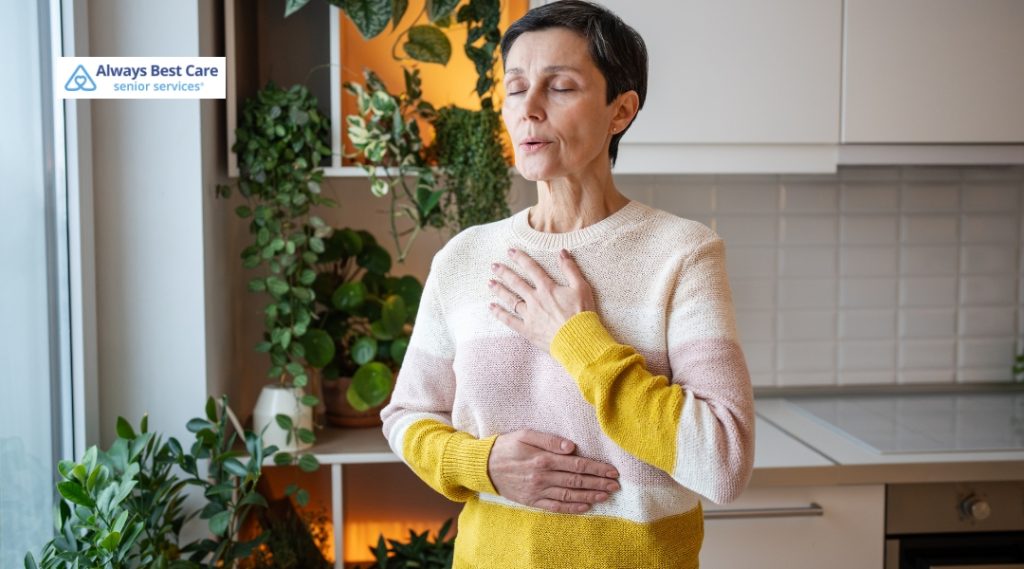
Two techniques are especially effective for COPD:
- Pursed-lip breathing — Inhale through the nose for two counts, then exhale slowly through pursed lips for four counts. This slows breathing and keeps airways open longer.
- Diaphragmatic breathing — Focuses on engaging the belly rather than the chest, improving oxygen efficiency.
Both can be practiced at home and are worth discussing with a pulmonologist or respiratory therapist.
Stay Gently Active
It may seem counterintuitive, but regular movement strengthens the muscles that support breathing. Short walks, light stretching, and chair-based exercises are all appropriate for most seniors with COPD. The key is consistency over intensity — even 10 minutes of movement daily adds up.
Prioritize Nutrition and Hydration
Staying hydrated helps thin mucus and keeps airways clearer. A diet rich in fruits, vegetables, lean proteins, and whole grains supports lung and cardiovascular health. Smaller, more frequent meals can also reduce the feeling of breathlessness that sometimes follows large meals.
Recognizing a COPD Flare-Up
Even with excellent management, flare-ups happen. Knowing when to act quickly can prevent a manageable episode from becoming a medical emergency.
Contact a healthcare provider promptly if you notice:
- A significant increase in shortness of breath
- Mucus that changes in color (yellow, green, or brown) or increases in volume
- Fever or chills
- Unusual fatigue, confusion, or disorientation
- Inability to perform routine daily activities
Having a written action plan from the senior’s physician — outlining what to do at each stage of a flare-up — is one of the most practical tools a family can have on hand.
How Always Best Care of Midlothian Supports Seniors with COPD
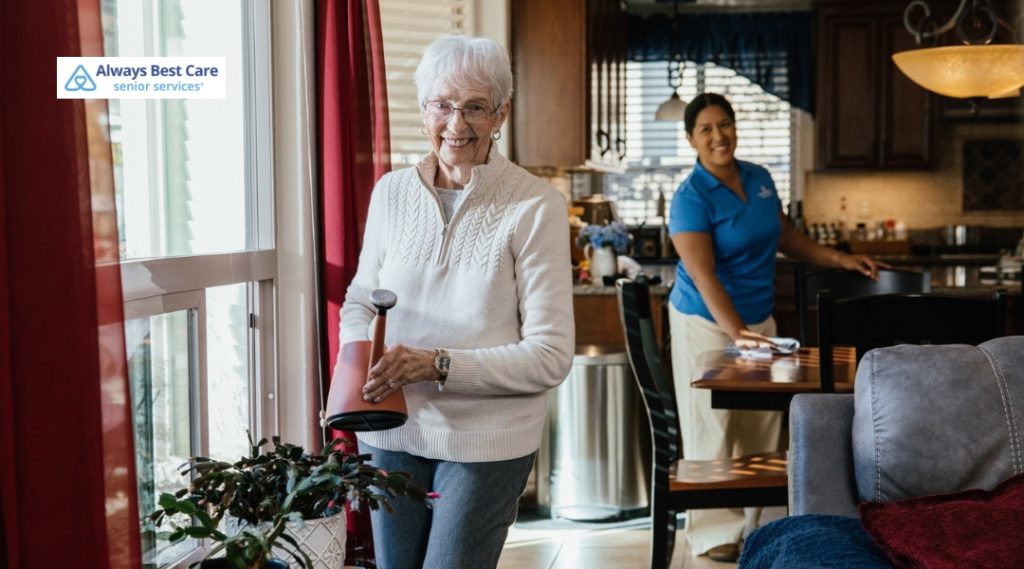
Managing COPD is a daily commitment, and it’s one that families don’t have to take on alone. Always Best Care of Midlothian provides in-home support that helps seniors stay comfortable, safe, and independent.
Our caregivers can help with:
- Medication reminders and monitoring for symptom changes
- Light housekeeping to maintain clean, allergen-reduced living spaces
- Meal preparation focused on nutrition and hydration
- Gentle encouragement of safe daily movement
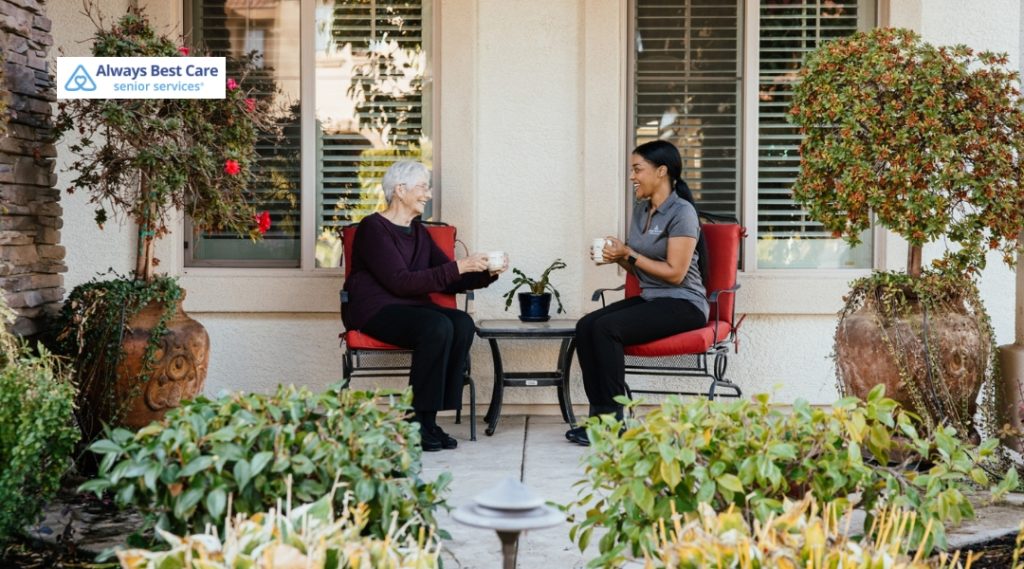
- Companionship that reduces stress — a known trigger for breathing difficulties
- Transportation to pulmonology and primary care appointments
For seniors who need a higher level of medical support, our home health services connect families with skilled nursing professionals who can coordinate directly with physicians.
Breathe Easier with the Right Support
COPD is a lifelong condition, but it doesn’t have to define how a senior lives. With consistent care, smart home adjustments, and a compassionate support team, seniors in Midlothian can manage their symptoms and continue doing what matters most to them.
Always Best Care of Midlothian is here to help every step of the way. Call us today at (804)531-4318 to schedule a care consultation and learn how we can support your loved one’s respiratory health and comfort at home.
Frequently Asked Questions About COPD Care at Home
Q: Can seniors with COPD really live independently at home?
A: Yes — many seniors with COPD live safely and comfortably at home with the right support in place. The key factors are consistent medication management, a clean home environment, and having a caregiver or family member who knows the warning signs of a flare-up.
Q: What triggers COPD flare-ups at home?
A: Common triggers include respiratory infections (like colds or flu), exposure to smoke or strong chemical fumes, dust, mold, and even cold or dry air. Identifying and minimizing a senior’s personal triggers is one of the most effective management strategies.
Q: How can I help a loved one with COPD without taking over their independence?
A: Focus on support rather than control. Offer reminders instead of managing medications for them. Encourage activity rather than discouraging movement out of fear. The goal is to make daily life easier, not to remove the senior’s sense of agency.
Q: Is exercise safe for someone with COPD?
A: Yes, when done appropriately. Pulmonary rehabilitation programs are specifically designed for people with COPD and have been shown to improve both lung function and quality of life. At home, light activity tailored to the individual’s current ability is generally safe and beneficial.
Q: When should a family consider professional in-home care?
A: If a senior is missing medications, struggling with daily tasks, experiencing frequent flare-ups, or simply feeling isolated and anxious, compassionate in-home care can make a significant difference. It’s not about waiting until a crisis — earlier support leads to better outcomes.
Link to the Markdown File version of this article.