
Financial scams targeting older adults have reached alarming levels across the country. According to the FBI, seniors lose billions of dollars each year to fraud—and those are only the reported cases. In Midlothian, as in communities everywhere, families need practical knowledge to help protect the people they love.
Understanding how these scams work is the first step. The second is knowing what to do about them.
What you will learn:
- Why our precious older adults are so frequently targeted, and the most common sneaky tricks scammers are using in Midlothian.
- The telltale red flags and warning signs that will help you spot a scam before it causes any harm.
- Heartwarming, proactive ways your family and dedicated in-home caregivers can team up to build a wonderful protective shield around your cherished relatives.
- Gentle, clear action steps to take with love and confidence if you ever suspect a scammer has contacted your sweet family member.

Table of Contents
Why Older Adults Are Prime Targets
Scammers are strategic. They go where the money is—and where resistance is lowest. Older adults often fit that profile for several reasons:
- Many have accumulated savings, retirement income, or home equity
- They tend to be more trusting and less likely to hang up or ignore a message
- Some live alone, making them more susceptible to social manipulation
- Certain seniors may be less familiar with evolving digital threats
None of these traits is a weakness—they reflect a generation that built its lives on hard work and good faith. But scammers exploit exactly that.
The Most Common Scams Targeting Seniors Today
Grandparent Scams
A caller claims to be a grandchild in trouble—arrested, in an accident, or stranded abroad. They beg for money and ask the grandparent not to tell anyone. The emotional urgency makes it easy to act before thinking.
Government Impersonation
Fraudsters pose as IRS agents, Social Security representatives, or Medicare officials. They threaten legal action, benefit suspension, or arrest unless the senior pays immediately or provides personal information.
Tech Support Fraud
A pop-up or phone call warns of a virus or security breach. The “technician” requests remote access to the device—and once in, they can steal financial data or install malware.
Romance Scams
These are among the most financially devastating. A scammer builds a relationship over weeks or months through social media or dating apps, then manufactures a crisis requiring money. Victims often send thousands before realizing what happened.
Lottery and Prize Scams
The senior is told they’ve won a sweepstakes but must pay fees or taxes upfront to claim the prize. There is no prize. There never was.
Medicare and Insurance Fraud
Scammers offer free screenings or equipment in exchange for Medicare information, then bill for services never rendered.

Red Flags Every Family Should Know
Scams follow patterns. Once you know what to look for, they become easier to spot.
Be alert when someone:
- Demands immediate payment or threatens consequences for delay
- Requests payment via gift cards, wire transfer, or cryptocurrency
- Asks for personal information over the phone or by email
- Pressures a senior to keep a transaction secret from family
- Claims to be from a government agency and demands urgent action
The common thread is pressure. Legitimate organizations do not rush people into decisions or demand secrecy.
How Families in Midlothian Can Take Action
Prevention doesn’t require technical expertise—it requires consistent communication and a few practical habits.
Start with a conversation. Talk openly with your loved one about scams. Normalize the idea that it’s okay to hang up, ignore a message, or call a family member before responding to anything that feels off.
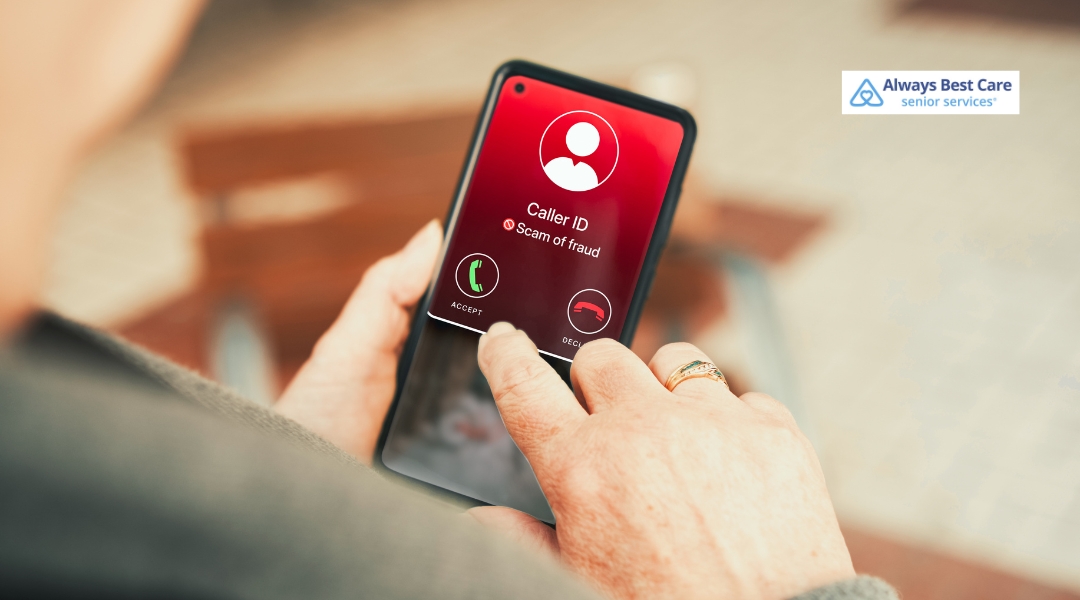
Set up simple safeguards. Call-blocking apps, spam filters, and do-not-call registrations can reduce exposure. Many phone carriers offer free tools to flag suspected scam calls.
Create a verification habit. Encourage your loved one to pause before acting on any unsolicited request—whether by phone, email, or text. A simple rule: if someone is asking for money or personal information, verify independently before responding.
Monitor accounts together. Regularly reviewing bank and credit card statements can catch suspicious activity early. Many banks offer alert systems for unusual transactions.
Reduce isolation. Seniors who have regular social contact are less vulnerable to manipulation. Consistent check-ins—whether in person, by phone, or through a caregiver—make a real difference.

The Role of In-Home Caregivers in Scam Prevention
A professional caregiver does more than assist with daily tasks. Their consistent presence creates a natural layer of protection.
At Always Best Care of Midlothian, caregivers are trained to notice changes in behavior, flag unusual financial activity, and gently intervene when something seems off. They can help screen unexpected calls or visitors, provide companionship that reduces the isolation scammers exploit, and serve as a trusted point of contact when a senior feels uncertain about a situation.
Having someone present—someone who knows the senior and their routines—makes it significantly harder for a scammer to gain a foothold.
What to Do If You Suspect a Scam
If you believe your loved one has been targeted, act quickly and calmly.
- Contact their financial institution immediately to flag or freeze any affected accounts
- Report the incident to local authorities and the FTC at reportfraud.ftc.gov
- Notify Adult Protective Services if exploitation is suspected
- Monitor accounts closely for any further suspicious activity
- Offer support without judgment—many victims feel ashamed, which delays reporting and recovery
Reassure your loved one that scammers are professionals at manipulation. Being deceived is not a reflection of intelligence or character.
Frequently Asked Questions
Q: What is the most common scam targeting seniors right now?
A: Government impersonation scams—particularly those involving the IRS or Social Security Administration—are among the most frequently reported. Grandparent scams and tech support fraud are also widespread.
Q: How do I talk to a parent about scams without making them feel patronized?
A: Frame it as information-sharing rather than a warning. Share a news story or mention that “a lot of people in the area have been getting these calls lately.” Make it a conversation, not a lecture.
Q: What should a senior do if they receive a suspicious call?
A: Hang up. Do not engage, provide information, or agree to anything. Then call a trusted family member or caregiver to discuss what happened.
Q: Are seniors required to report scams?
A: No, but reporting helps authorities track patterns and protect others. Reports can be made to the FTC, the FBI’s Internet Crime Complaint Center (IC3), or local law enforcement.
Q: Can money lost to a scam be recovered?
A: In some cases, yes—especially if reported quickly. Banks may be able to reverse wire transfers or flag fraudulent charges. However, gift card payments and cryptocurrency transfers are typically unrecoverable, which is why scammers prefer them.
Q: How can in-home care help prevent elder financial abuse?
A: Caregivers provide consistent oversight and companionship, reducing the isolation that makes seniors vulnerable. They can also serve as a second set of eyes on unusual activity and help families stay informed.

Helping Your Loved One Stay Safe
Protecting a senior from scams isn’t about limiting their independence—it’s about giving them the support and information they need to make confident decisions.
At Always Best Care of Midlothian, our caregivers are here to provide that support every day.
Call Always Best Care of Midlothian at (804)531-4318 to schedule a care consultation and learn how we can help your loved one stay safe, informed, and connected at home.
Link to the Markdown File version of this article.