
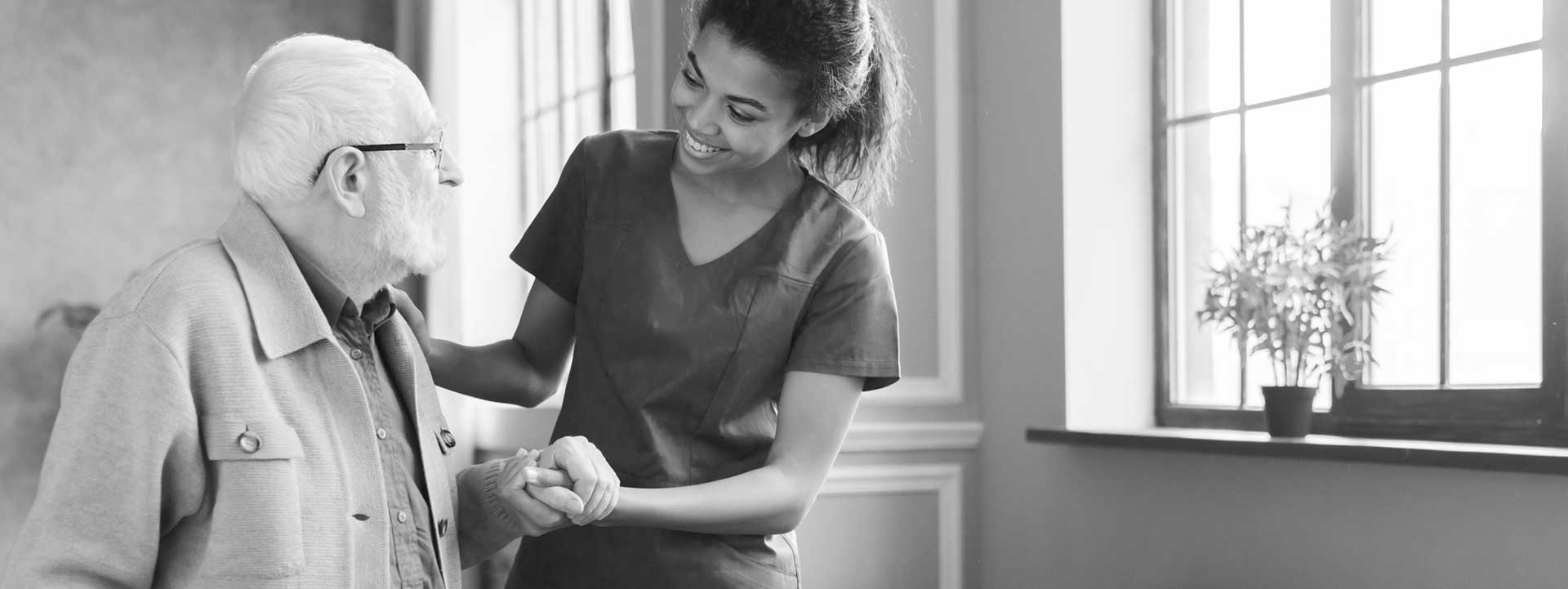
Helping Older Adults Enjoy Mealtimes Again in Midlothian
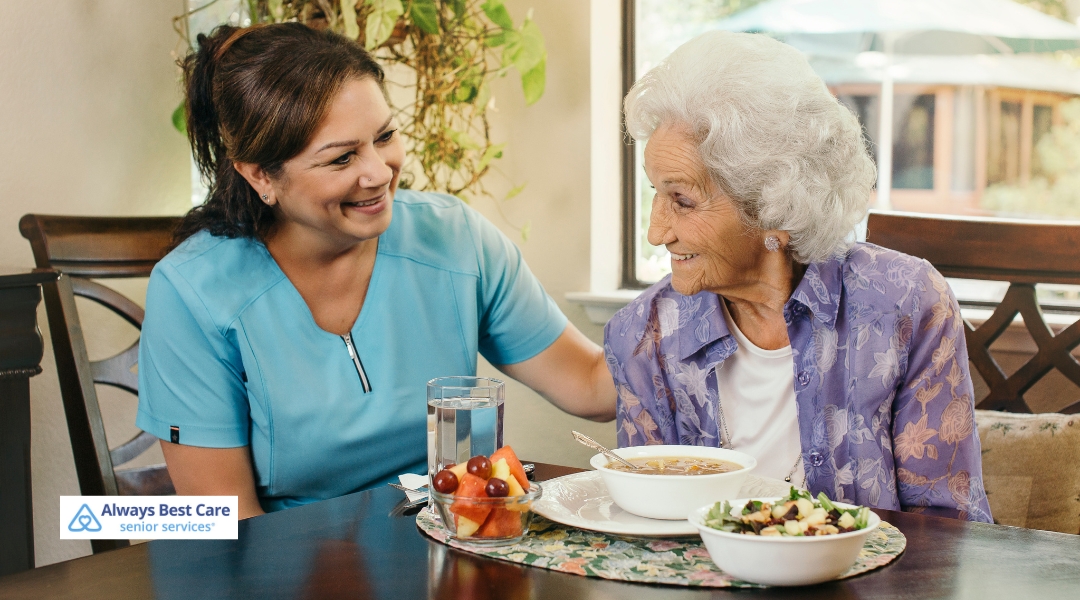
One day you’re clearing away empty plates, and the next you’re noticing half-eaten meals, “I’m just not hungry,” and food spoiling in the fridge. Sound familiar?
A shrinking appetite is common as people grow older—but that doesn’t mean it’s harmless. Over time, eating less can chip away at strength, energy, mood, and independence. The good news? With some thoughtful changes and steady support, seniors in Midlothian can still enjoy satisfying, nourishing meals that help them feel more like themselves.
At Always Best Care of Midlothian, we see every day how the right help around food and meals can transform life at home—for both seniors and their families.
What you will learn:
- Why appetite and eating habits often change as seniors age—and why those shifts matter for health and independence.
- Simple, loving ways to make meals more appealing, social, and nourishing for your aging loved one in Midlothian.
- How nutrient-rich food choices and gentle routines can support strength, mood, and safer aging at home.
- The practical, heart-centered ways Always Best Care of Midlothian can partner with your family around mealtimes and daily nutrition.
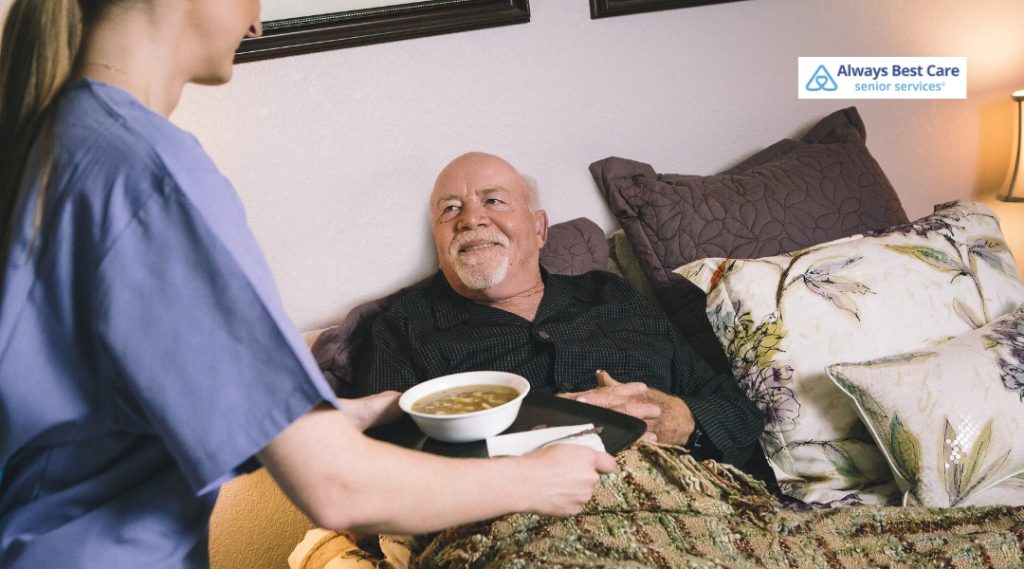
Table of Contents
Why Appetite Changes With Age
A drop in appetite rarely has just one cause. Often, it’s a tangle of physical, emotional, and practical challenges all at once.
Common reasons older adults may eat less include:
- Changes in taste and smell, making food seem bland
- Slower digestion, so they feel full faster or longer
- Less physical activity, which can reduce hunger
- Side effects from medications, such as nausea or dry mouth
- Dental pain or poorly fitting dentures
- Trouble chewing or swallowing
- Ongoing health conditions
- Depression, anxiety, grief, or loneliness
- Memory loss and confusion that disrupt meal routines
Because so many things can be involved, a steady, watchful eye matters. If you’re noticing ongoing changes, it’s worth sharing your concerns with a doctor or other health professional.
The Hidden Risks of Poor Nutrition
Eating “just a little less” might not look serious at first. Over time, though, poor nutrition can quietly cause problems that are much harder to ignore.
Consequences of not eating enough can include:
- Unplanned weight loss
- Weak muscles and less steady balance
- Higher risk of falls
- Fatigue and low energy
- Slower healing after illness or surgery
- More frequent infections and illnesses
Even mild shortages of vitamins, protein, or calories can make it harder for a senior to stay active, confident, and independent at home.

Making Meals More Appealing (and Easier to Enjoy)
Sometimes, it’s not that a senior doesn’t want to eat—it’s that meals simply don’t feel inviting anymore. A few small tweaks can make food more tempting and easier to manage.
Simple Ways to Boost Interest in Food
- Turn up the flavor:
Use herbs, spices, citrus, or sauces to brighten taste without piling on salt or sugar. - Make it look good:
Colorful fruits and vegetables, varied textures, and neat plating can spark interest before the first bite. - Serve favorites more often:
Even if portions are smaller, familiar “comfort foods” can be a great starting point. - Offer smaller, more frequent meals:
Many seniors do better with 5–6 small meals or snacks spread through the day instead of three large ones. - Choose nutrient-dense foods:
When appetite is low, every bite counts. Think foods rich in protein, healthy fats, and vitamins rather than “empty” calories.
Little changes like these can turn a so-so meal into something your loved one actually looks forward to.
Turning Mealtime into a Social Activity in Midlothian
Eating alone can chip away at appetite. Silence at the table often leads to skipping meals, snacking randomly, or rushing through food just to “get it over with.”
Shared meals can change the whole tone of the day:
- Sitting down together for lunch or dinner
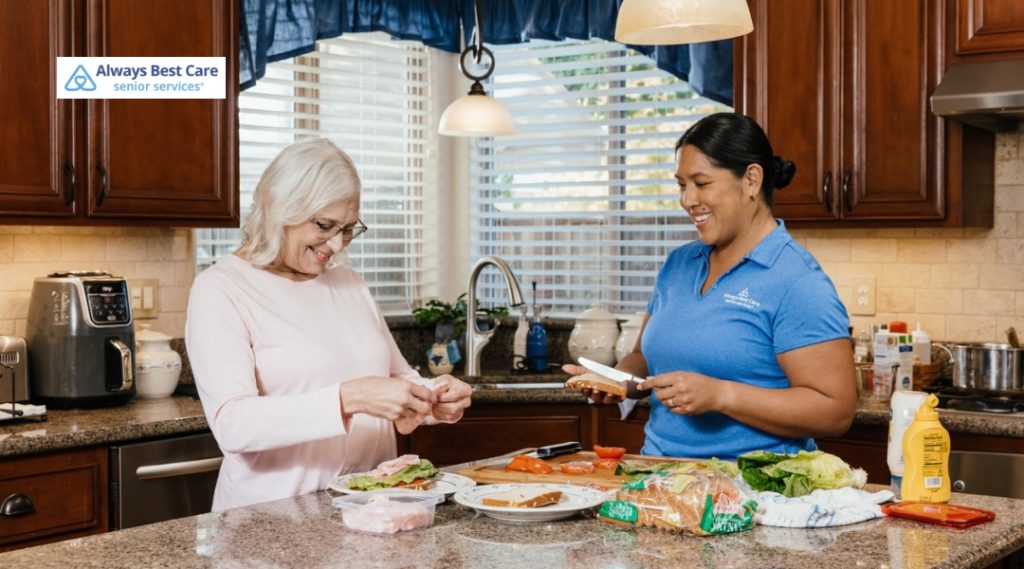
- Chatting while cooking simple recipes
- Sharing a cup of tea, coffee, or a light snack in the afternoon
- Celebrating small moments—like trying a new soup or favorite dessert
Conversation, laughter, and companionship help seniors linger at the table longer and often eat more without even thinking about it. That social connection is just as nourishing as the food on the plate.
Watching for Deeper Health Concerns
If appetite drops suddenly or stays low for weeks, it’s time to dig a little deeper.
Families should pay attention to signs like:
- Noticeable or rapid weight loss
- Ongoing trouble chewing or swallowing
- Big changes in mood, such as withdrawal or sadness
- Frequent nausea, constipation, or other digestive discomfort
- More confusion or forgetfulness around meals or the kitchen
These clues can point to medication side effects, untreated pain, depression, infections, or other health issues. A healthcare provider can help figure out what’s going on and suggest next steps.
Focus on Nutrient-Rich Foods: Every Bite Matters
When someone doesn’t feel like eating much, quality matters more than quantity. The goal is to pack plenty of nutrition into smaller portions.
Helpful choices include:
- Protein-rich foods:
Eggs, Greek yogurt, cheese, lean chicken or fish, beans, lentils, nut butters
- Colorful fruits and vegetables:
Fresh, frozen, or canned in juice can all work
- Whole grains:
Oats, brown rice, whole wheat bread, or pasta
- Healthy fats:
Avocado, nuts, seeds, olive or canola oil
Protein is especially important—it supports muscle strength, balance, and mobility, which are key to staying steady on your feet and active around the house.
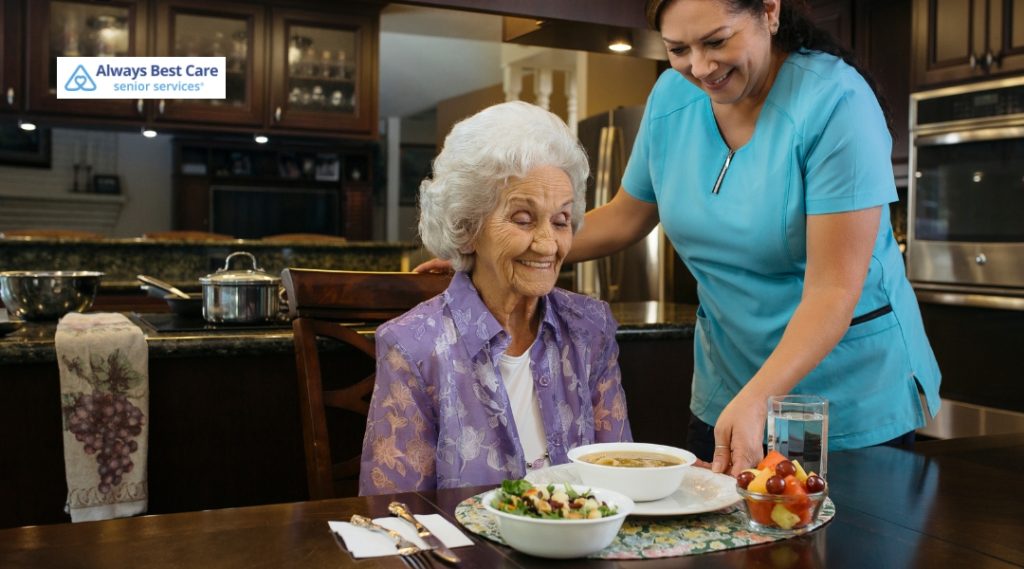
How We at Always Best Care of Midlothian Can Help
Healthy eating is easier said than done, especially for seniors who live alone, feel tired, or struggle with health challenges. That’s where professional in-home care steps in.
We at Always Best Care of Midlothian support seniors with everyday, practical help that makes good nutrition more manageable and less stressful.
We can help with:
- Planning simple, appealing meals
- Preparing food that’s soft, easy to chew, or easier to digest
- Grocery shopping and keeping the kitchen stocked
- Encouraging regular drinking to prevent dehydration
- Keeping an eye on eating patterns and appetite changes
- Providing friendly company during meals
- Letting family members know about any concerns we see
By supporting consistent, enjoyable meals, we help strengthen both physical health and emotional well-being, right at home.
Supporting Healthy Eating and Healthy Aging in Midlothian
A fading appetite shouldn’t be brushed aside as “just getting older.” Food is fuel, but it’s also comfort, connection, and a big part of feeling well.
With patient attention, small adjustments, and caring support, seniors in Midlothian can:
- Maintain better strength and balance
- Heal more quickly after illness or injury
- Stay more active and independent
- Enjoy the simple pleasure of a good meal again
We at Always Best Care of Midlothian are here to walk alongside you and your loved one through those changes.
FAQs About Appetite Loss and Senior Nutrition
Q: Is it normal for seniors to eat less as they age?
A: A slight decrease in appetite can be common with age, but ongoing low intake, skipped meals, or noticeable weight loss are not something to ignore and should be discussed with a healthcare provider.
Q: What should I do first if my loved one in Midlothian is eating less?
A: Start by gently tracking what and when they eat, notice any changes in mood or energy, and talk with their doctor, especially if you see weight loss or new difficulties chewing or swallowing.
Q: How can I help if my loved one just doesn’t feel hungry?
A: Offer small meals more often, focus on protein and other nutrient-rich foods, add flavor with herbs and spices, and try eating together to make mealtime more enjoyable.
Q: What if chewing or swallowing is hard?
A: Softer foods—like scrambled eggs, yogurt, soups, stews, smoothies, and tender-cooked vegetables—can make eating safer and more comfortable. A doctor or speech therapist can offer specific guidance if swallowing is a concern.
Q: How can Always Best Care of Midlothian support my loved one’s nutrition?
A: We help with planning and preparing meals, shopping, encouraging hydration, providing companionship during meals, and keeping families informed about changes we notice in eating habits.
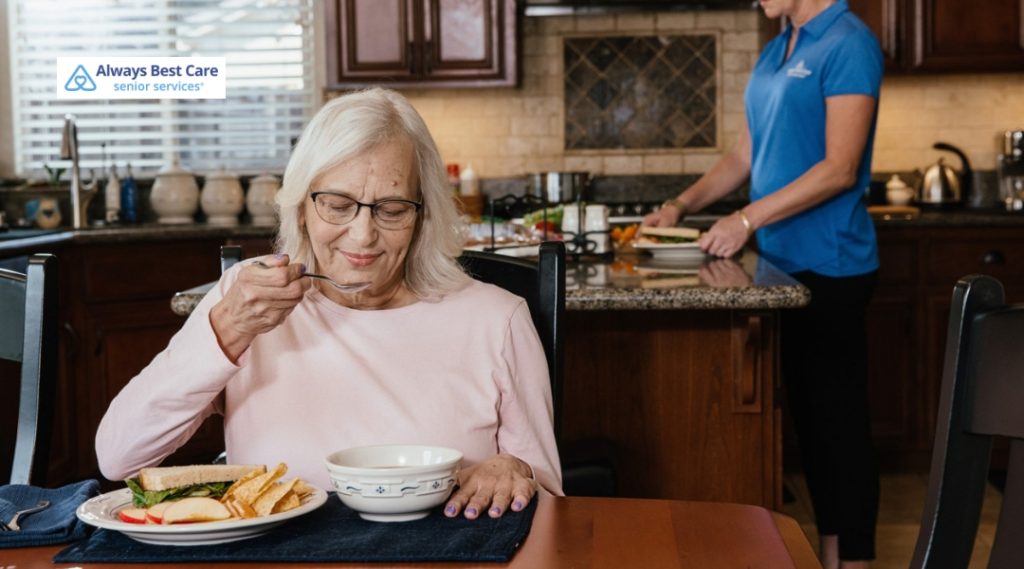
We’re Here to Help
Appetite changes can sneak up on a family, but they don’t have to lead to declining health and loss of independence. With attentive care, smart food choices, and warm company at the table, seniors in Midlothian can still enjoy satisfying, nourishing meals.
We at Always Best Care of Midlothian are ready to help your loved one stay well-fed, supported, and comfortable at home—one meal, one conversation, and one good day at a time. To schedule a free, no-obligation care consultation, call us at (804)5314-318 or visit our website for a care consultation.
Link to the Markdown File version of this article.