
A Tampa Caregiver’s Guide to Helping Older Loved Ones Adjust to November’s Clock Change

Daylight saving time ends in Tampa on Sunday, November 1, 2026, when clocks move back one hour. That extra hour of sleep sounds pleasant, but the earlier sunset can disrupt sleep, meals, medication reminders, evening plans, and safe movement around the home. It can also raise fall risk for older adults, since hallways, stairs, and entryways get dark sooner.
For older adults, a little preparation can make the seasonal shift feel far less troublesome. With a few practical changes, families and caregivers can help seniors stay comfortable, active, and independent as evenings get darker.
What you will learn:
- Simple ways to help your loved one ease into the new sleep schedule, one small step at a time.
- How to keep medication routines on track and stress-free when the clocks change.
- Cozy, practical tips for brightening the home and lowering fall risk as evenings get darker.
- Friendly ideas for safer travel, staying active, and keeping seniors happily connected all season long.

Table of Contents
Ease Into the New Sleep Schedule
Our internal clocks respond to light, meals, activity, and bedtime habits. A one-hour change may briefly disturb that rhythm, especially for seniors who already wake early or have trouble sleeping.
A few days before the time change:
- Shift bedtime and wake-up time by about 15 minutes each day.
- Keep meals and daytime activities on a steady schedule.
- Open the curtains soon after waking.
- Spend some time outdoors during daylight.
- Keep naps short and avoid napping late in the afternoon.
A familiar bedtime routine—such as washing up, reading, and listening to quiet music—can also help signal that it’s time to wind down.
Review Medication Routines
Many older adults take medicine around breakfast, dinner, or bedtime. For many once-daily prescriptions, a one-hour change usually isn’t a concern. Still, timing matters for some medicines, including insulin and certain treatments for Parkinson’s disease.
Don’t guess or double a dose. Before the clocks change, review the medication list, pill organizer, and reminders. Ask a doctor or pharmacist whether any prescription schedule needs special attention.

Brighten Tampa Homes Before Sunset
Earlier darkness is one of the biggest practical changes. Dim hallways, stairs, bathrooms, and entryways can make walking more difficult for seniors with vision or balance concerns.
Take a quick walk through the home in the late afternoon and evening. Look for:
- Dark paths between the bedroom and bathroom.
- Loose rugs, cords, or clutter.
- Hard-to-see furniture edges.
- Stairways without strong lighting.
- Entryways or outdoor walkways that become shadowy.
Brighter bulbs, night-lights, motion-sensor lights, and reachable light switches can make a noticeable difference. Keep floors clear, and make sure stair rails and bathroom grab bars are secure.
Rethink Evening Driving
Earlier sunsets may make familiar roads feel challenging. Glare, reduced contrast, pedestrians, and road markings can be harder to see after dark.
If a senior feels uneasy driving in the evening, schedule appointments and errands earlier whenever possible. Family members, friends, community transportation, or Always Best Care of Tampa caregivers may help with rides.
This isn’t about taking away someone’s independence. It’s about choosing safer conditions and keeping confidence behind the wheel.
Watch for Fall Hazards
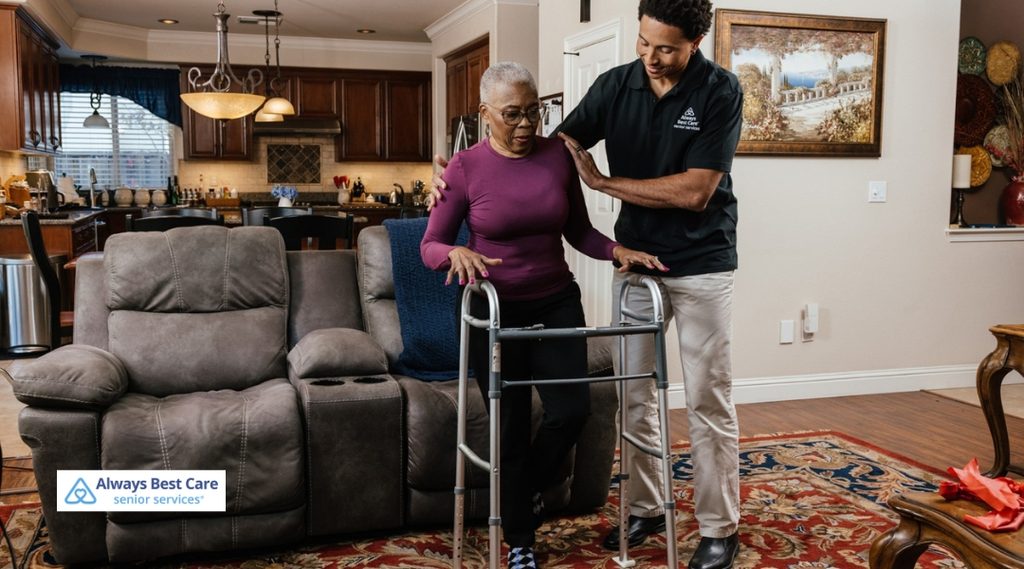
Low light can hide uneven pavement, steps, wet leaves, and other obstacles. Inside, seniors may hurry to answer the phone or reach the bathroom before realizing that the path isn’t well lit.
Encourage supportive footwear and unhurried movement. Outside, clear leaves from walkways and check for slippery surfaces. If a loved one starts avoiding activities because of fear of falling, take that concern seriously. Less activity can gradually affect strength and balance.
Protect Mood and Daily Connection
Shorter days may lead some seniors to stay indoors more often. That can mean fewer social visits, less exercise, and a weaker sense of routine.
Help keep the day engaging with:
- Morning walks or daytime outings.
- Regular calls and visits.
- Favorite hobbies, music, or games.
- Shared meals.
- Community or senior-center activities.
A dependable routine can bring comfort when the sun disappears earlier.

How Always Best Care of Tampa Can Help
At Always Best Care of Tampa, we know seasonal changes can complicate everyday routines. Our in-home care and companionship services include medication reminders, transportation assistance, help with household tasks, and support with daily activities.
Our caregivers partner with families to help seniors stay safe and comfortable at home through the darker months.
The clock change takes only a moment, but adjusting to earlier sunsets can take longer. Planning ahead for sleep, medications, lighting, transportation, and social connection helps Tampa seniors ease into the new season with confidence.
To learn more about in-home care, contact Always Best Care of Tampa at (813)534-5502 to schedule a care consultation.
.
FAQ
Q: When does daylight saving time end in Tampa in 2026?
A: Daylight saving time ends on November 1, 2026. At 2 a.m., clocks move back to 1 a.m.
Q: Should seniors change medication times?
A: Not necessarily. Many medications can follow the new clock time, but prescriptions with strict timing may require professional guidance. Ask a doctor or pharmacist before making changes.
Q: How can I help a senior sleep after the time change?
A: Keep wake-up and bedtime routines consistent, encourage morning sunlight, limit late naps, and maintain regular meal times.
Q: What lighting is best for fall prevention?
A: Use bright, even lighting in hallways, stairs, bathrooms, entrances, and bedroom-to-bathroom paths. Night-lights and motion-activated lights can be especially useful.