Creating a Safe Home Environment for Stroke Survivors in Palm Desert
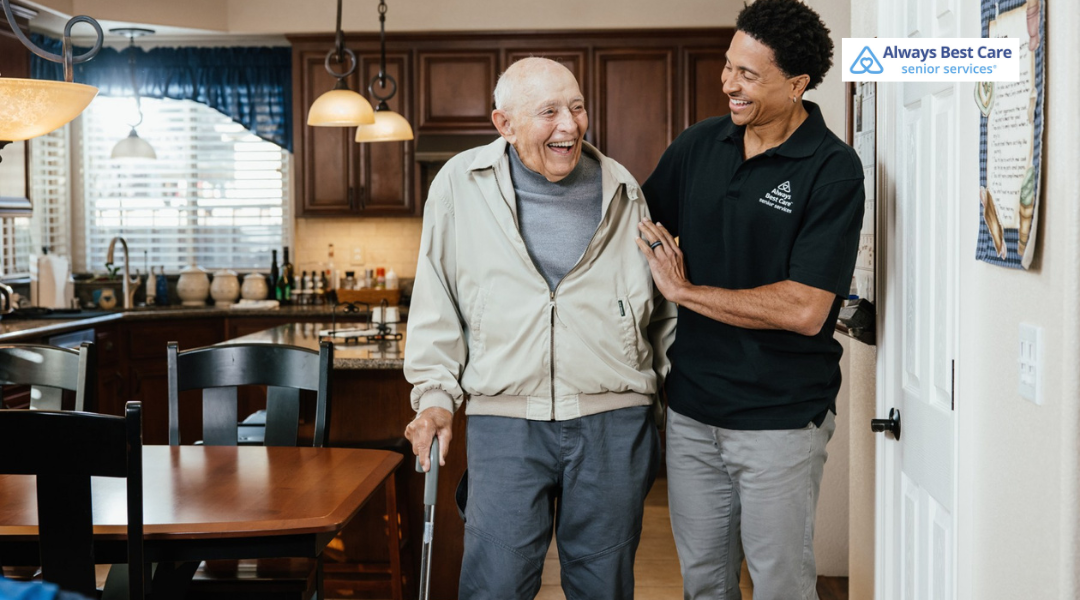
When a loved one comes home after a stroke, the goal is for them to feel comfortable, confident, and supported in their own space. Yet the same home that felt easy to manage before may now present new challenges.
A stroke can affect strength, balance, coordination, vision, and focus. Everyday features, such as a sliding patio door track, a step down into a sunken living room, or a dim hallway, can become harder to manage. Thoughtful adjustments can help your loved one move more safely and keep doing as much as possible on their own.
For Palm Desert families, a safe home setup also means considering the local climate, outdoor living spaces, and the long, hot months that shape daily routines in the Coachella Valley.
Table of Contents
Look at the Home Through New Eyes
Start by following the routes your loved one will use every day. Move from the bed to the bathroom, from the living room to the kitchen, and from the front door to the patio. Notice anything that requires reaching, stepping over, squeezing past, or holding onto furniture for balance.
Many Palm Desert homes are single-story, which can make recovery easier. Still, look for sunken rooms, entry steps, raised thresholds, and transitions between tile, carpet, and outdoor surfaces.
If the hospital or rehabilitation team provided home safety recommendations, use them as a starting point. Therapists can suggest changes based on your loved one’s specific abilities and mobility aids.
Clear Walking Paths
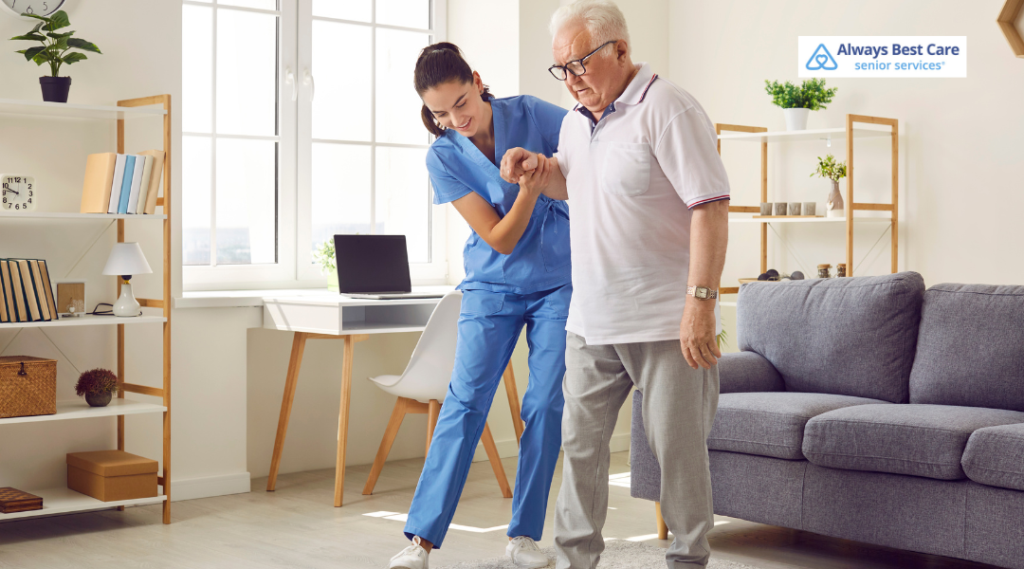
Wide, open pathways help reduce the risk of bumps, stumbles, and falls.
Rearrange furniture to create a direct route through the main living areas. Remove decorative items, floor baskets, and low tables from frequently used paths. Secure electrical cords along walls so they do not cross walkways.
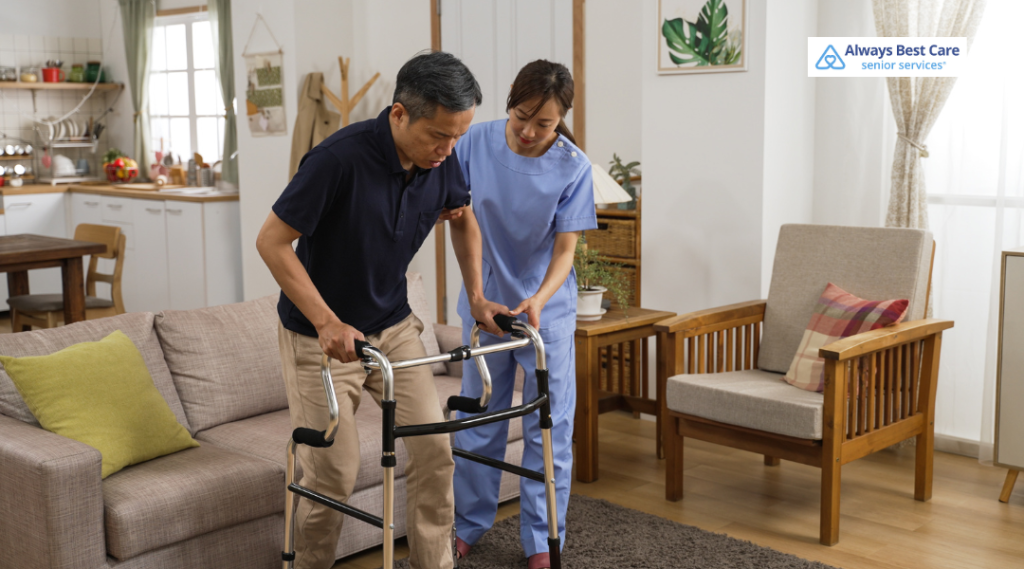
If your loved one uses a cane, walker, or wheelchair, make sure there is enough space to turn around in the kitchen, bedroom, and bathroom.
Reduce Tripping Hazards Indoors and Out
Tile floors are common in desert homes and stay cool underfoot, but they can be slippery, especially when wet. Take a close look at floors and entryways throughout the home.
- Remove loose throw rugs or secure them with non-slip backing
- Wipe up water near sinks, ice dispensers, and patio doors right away
- Mark single steps and sunken room edges with contrasting tape
- Check sliding door tracks and add a threshold ramp if needed
- Encourage supportive, non-slip shoes indoors
Outdoor areas need attention as well. Look for uneven pavers, gravel paths, decorative rocks, garden hoses, and loose planters. Keep walkways to the driveway, mailbox, and patio smooth and clear.
Improve Lighting Throughout the Day
Bright desert sunlight can create strong glare during the day, while hallways and interior rooms may stay dim. Both can make it harder to see obstacles.
Use sheer curtains or adjustable blinds to soften glare without darkening rooms. Add brighter bulbs in hallways, the kitchen, and other work areas. Place night lights along the route from the bedroom to the bathroom, and keep a lamp or switch within reach of the bed.
Outdoor lighting along entry paths and patios can also help during early morning or evening hours, when many residents prefer to be outside.
Add Bathroom Supports
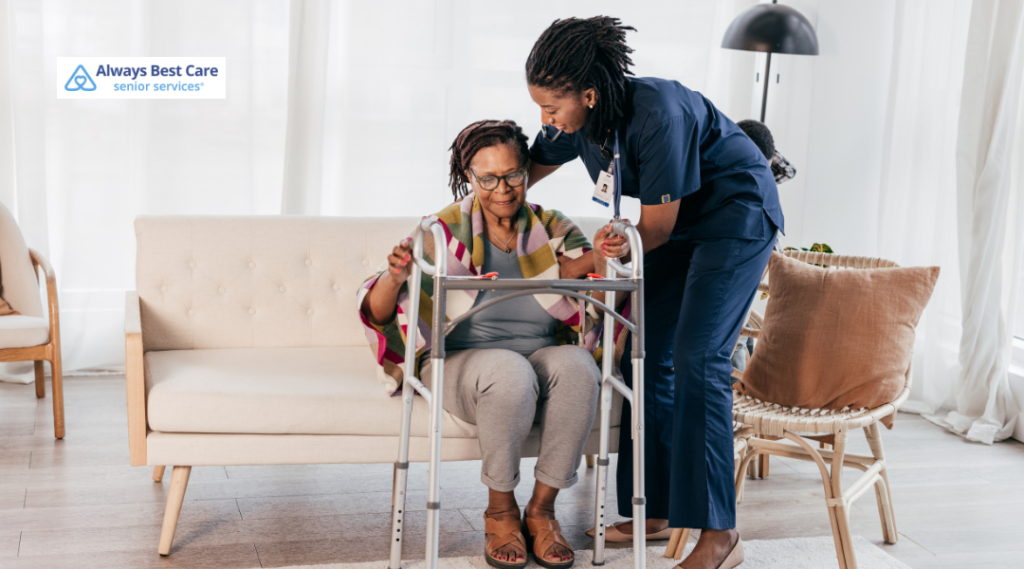
The bathroom remains one of the most important areas to adapt. Smooth surfaces, water, and frequent transfers increase the need for steady support.
Consider adding:
- Grab bars near the toilet and inside the shower or tub
- A non-slip mat or adhesive strips on shower and tub floors
- A shower chair or tub transfer bench
- A handheld showerhead
- A raised toilet seat or toilet safety frame
Grab bars should be professionally or securely installed. Towel bars, shower doors, and countertops are not designed to support a person’s weight.
Keep Everyday Items Within Easy Reach
Reaching overhead or bending to low cabinets can affect balance. Store frequently used items between waist and shoulder height.
In the kitchen, place cups, dishes, snacks, and water bottles on accessible shelves. In the bedroom, keep everyday clothing in top drawers or at the front of the closet. On the nightstand, keep a phone, glasses, a flashlight, and a glass or bottle of water.
If one side of the body was affected by the stroke, ask the therapy team whether items should be placed on a particular side to support safety and independence.
Plan Around the Desert Heat
Palm Desert summers bring extended stretches of high temperatures. For stroke survivors, heat can add fatigue and make daily routines more tiring.
Keep the home comfortably cool, and make sure air conditioning is serviced before the hottest months. Place water within reach throughout the day, and follow any fluid guidance from your loved one’s healthcare team. Some medications may affect how the body handles heat, so ask the care team whether any precautions apply.
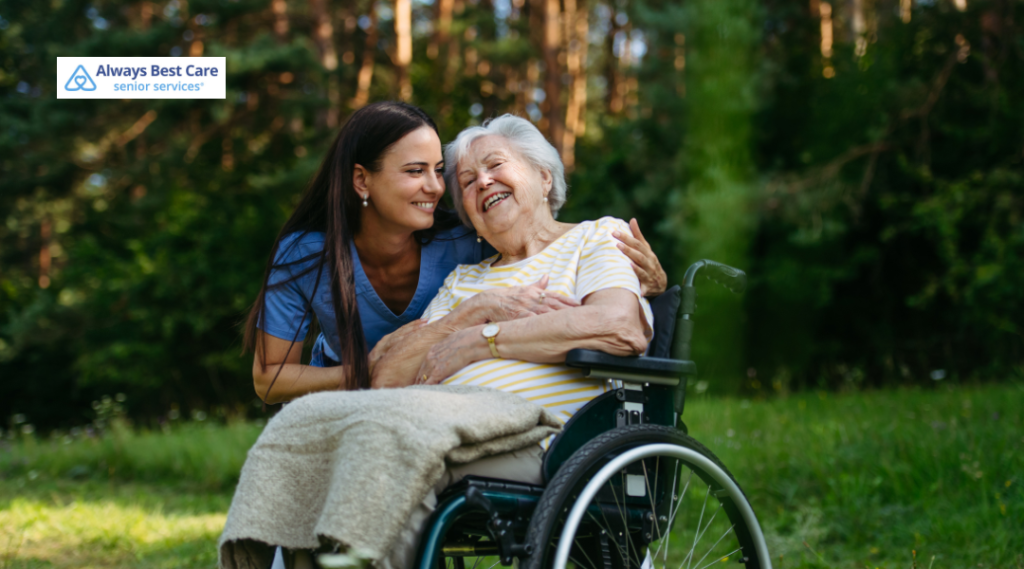
Schedule walks, errands, and outdoor time for early morning or evening. Make sure shaded seating is available on patios, and avoid letting your loved one walk on hot pavement or pool decks without proper footwear.
Make Pools and Patios Safer
Backyard pools and patios are part of daily life for many Palm Desert households. After a stroke, these spaces need extra caution.
Keep pool areas fenced or gated, and make sure your loved one does not swim or sit near the pool edge alone unless their care team has approved it. Use non-slip surfaces around the pool, keep patio furniture sturdy and stable, and leave clear paths between seating areas and the door.
Prepare for Emergencies
Post emergency phone numbers where they are easy to see, and make sure a phone is always within reach. A wearable medical alert device can provide added reassurance if your loved one spends time alone.
Everyone who spends time in the home should know the warning signs of another stroke: sudden balance loss, vision changes, facial drooping, arm weakness, and speech difficulty. If these signs appear, call 911 immediately, even if they improve.
How Home Care Reinforces Safety Routines
A safe home setup is most effective when daily routines support it. Rugs can shift, clutter can return, and safety habits can fade when a survivor feels tired, rushed, or discouraged.
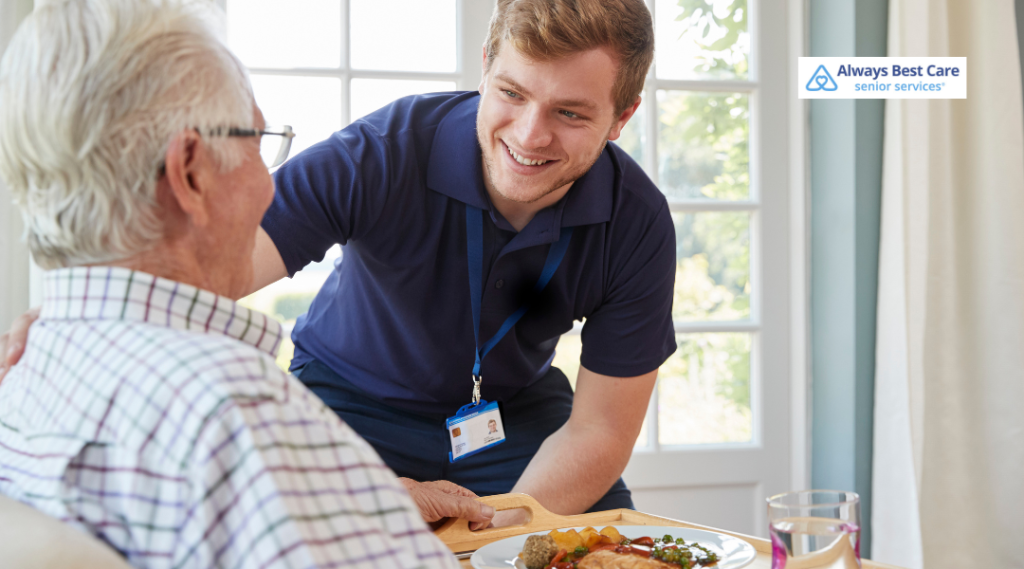
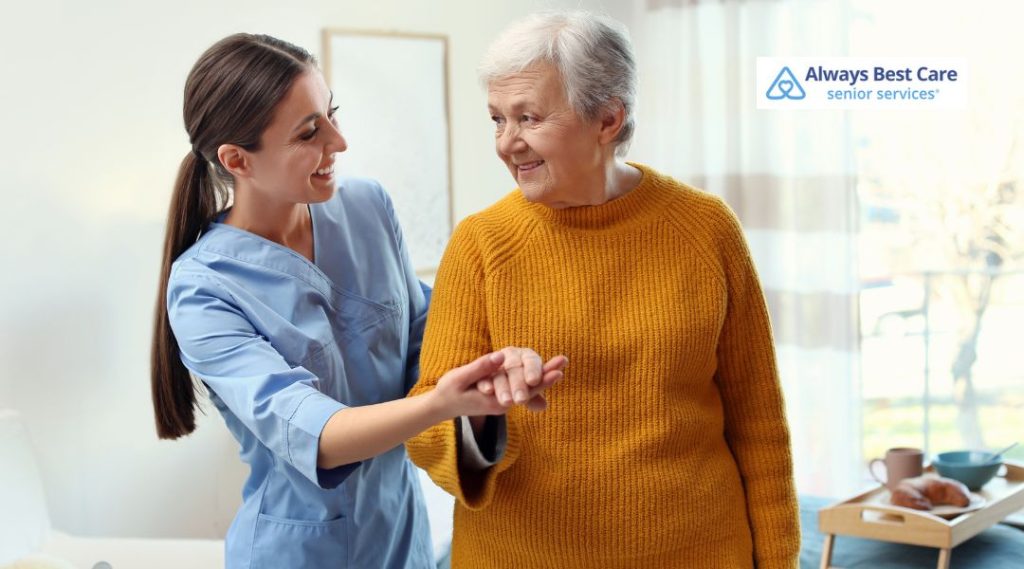
Non-medical home care can help keep those routines in place. A caregiver can tidy walkways, keep everyday items within reach, and offer standby assistance during bathing, dressing, and moving around the home. Caregivers can also encourage the use of mobility aids, help with meals and hydration reminders, and plan outings for cooler times of day.
Home care also allows families to spend less time worrying about daily tasks and more time focusing on connection and encouragement. It works alongside medical care and therapy, but does not replace them.

How Always Best Care of Palm Desert Can Help
Always Best Care of Palm Desert provides non-medical in-home care services that may include companionship, personal care assistance, mobility support, meal preparation, light housekeeping, transportation, and help maintaining daily routines.
During your consultation, share your loved one’s mobility needs, any safety recommendations from their healthcare team, and the areas of the home that feel most challenging. The team can then recommend support that fits your loved one and your family.
FAQ
Q: What home safety changes should we make first?
A: Start with simple steps: clear walkways, remove loose rugs, add night lights, and place everyday items within easy reach.
Q: Are tile floors unsafe after a stroke?
A: Tile is not unsafe by itself, but it can become slippery when wet. Clean spills quickly, use non-slip mats where appropriate, and encourage supportive footwear.
Q: How can we help a stroke survivor stay safe in the heat?
A: Keep the home cool, make water easy to reach, schedule outdoor time for cooler hours, and ask the care team whether any heat-related precautions apply.
Q: Can a caregiver help with safety at home?
A: Yes. A non-medical caregiver can help maintain clear pathways, assist with daily routines, provide standby support, and encourage safe habits.
Q: What should we do if stroke symptoms return?
A: Call 911 immediately. Sudden new symptoms require emergency care, even if they seem mild or go away.
Build a Safer Space for Recovery
A safer home can help your loved one move with more confidence and take part more fully in daily life. Clear paths, good lighting, bathroom supports, heat-smart routines, and easy-to-reach items can all make recovery at home more manageable.
Contact Always Best Care of Palm Desert to schedule a consultation and learn how in-home care can support safety and recovery at home. Contact Always Best Care of Palm Desert at (760)-330-2723 to learn more and schedule your free consultation.
Link to the markdown version of this blog.