Recovering from Stroke at Home in Parkville: Therapy and Care Guide
Recovering from a stroke can be a long and challenging journey for both seniors and their families. While hospital treatment and rehabilitation centers play a critical role in the early stages of recovery, healing does not stop once a patient returns home. In fact, the transition home is often where ongoing support becomes most important.
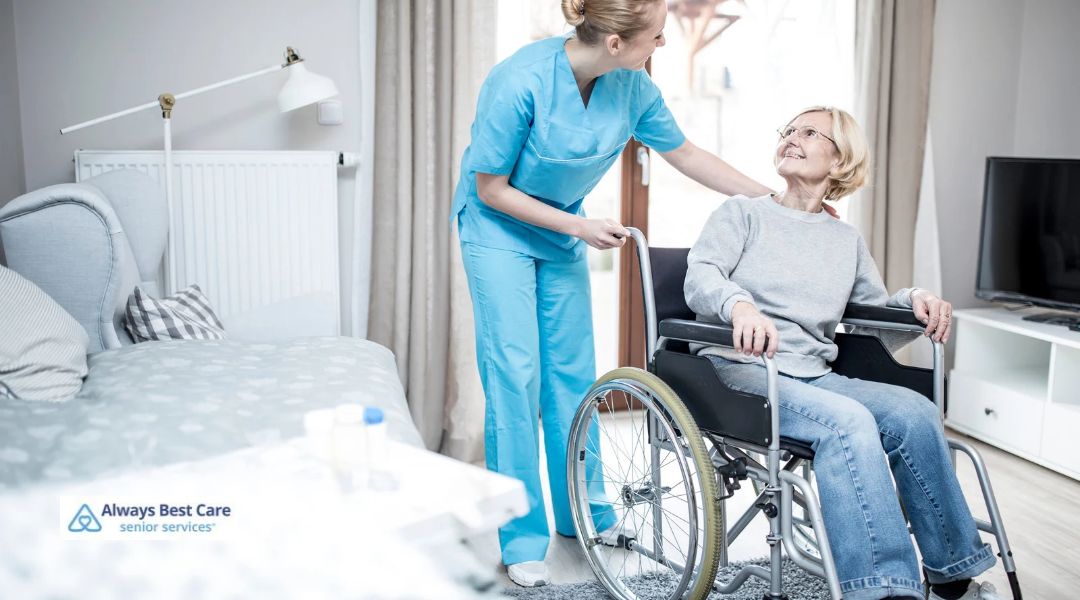
Home health services provide medical care, therapy, and monitoring directly in the home, helping stroke survivors continue their recovery in a comfortable and familiar environment. With the right support team in place, seniors can rebuild strength, improve independence, and regain confidence in their daily routines.
Table of Contents
Why Home Health Is Important After a Stroke
A stroke can affect many aspects of a person’s health, including mobility, speech, memory, and coordination. Even after completing a rehabilitation program, many seniors still require ongoing care and therapy to continue improving.
Home health services bring skilled professionals directly into the home to help manage these challenges. This approach allows stroke survivors to receive the care they need without the stress of frequent travel to medical facilities.
Home health also helps families feel more confident knowing that medical professionals are monitoring recovery and addressing any concerns early.
Skilled Nursing Support at Home in Baltimore
Skilled nursing is often one of the first services recommended after a stroke. A licensed nurse provides medical oversight and helps ensure that recovery continues safely.
Home health nurses may assist with:
- Monitoring vital signs such as blood pressure and heart rate
- Managing medications and ensuring proper dosing
- Watching for signs of complications or secondary stroke
- Educating families about stroke recovery and care routines
- Coordinating with physicians and other healthcare providers
Stroke survivors may also have other health conditions, such as diabetes or heart disease. Skilled nurses help manage these conditions alongside stroke recovery, creating a more comprehensive care plan.
Physical Therapy to Restore Strength and Mobility
Physical therapy plays a crucial role in helping stroke survivors regain movement and stability. Many individuals experience weakness or paralysis on one side of the body, making basic tasks such as walking or standing difficult.
A home health physical therapist in Baltimore works with seniors to improve:
- Muscle strength and coordination
- Balance and stability
- Walking ability and mobility
- Range of motion in affected limbs
Therapists may guide patients through exercises designed to retrain muscles and rebuild strength. Because therapy takes place at home, exercises can also focus on real-life situations such as safely navigating stairs, moving through hallways, or getting in and out of bed.
This personalized approach helps stroke survivors regain independence while reducing the risk of falls.
Occupational Therapy for Daily Living Skills
After a stroke, everyday tasks may suddenly become difficult. Activities that once felt routine—such as dressing, cooking, or bathing—may require new techniques or adaptive tools.
Occupational therapists focus on helping seniors relearn these daily activities and develop strategies for maintaining independence.
Occupational therapy in Baltimore may include:
- Practicing safe bathing, grooming, and dressing routines
- Learning new ways to perform household tasks
- Improving fine motor skills and hand coordination
- Recommending assistive devices that make tasks easier
- Modifying the home environment to increase safety
These adjustments allow stroke survivors to regain confidence and independence while minimizing frustration during recovery.
Monitoring Progress and Preventing Complications
Stroke recovery often involves gradual progress over time. Regular monitoring by home health professionals helps ensure that improvements continue and that potential problems are addressed quickly.
Home health teams watch for warning signs such as:
- Sudden changes in speech or movement
- Increased weakness or balance problems
- Unusual fatigue or confusion
- Signs of another stroke or medical complication
Early detection can prevent serious setbacks and may reduce the likelihood of hospital readmission.
Emotional Support During Recovery
The physical effects of a stroke are only part of the recovery process. Many survivors experience emotional changes, including frustration, anxiety, or depression. Adjusting to new limitations can be difficult.
Having supportive caregivers and medical professionals involved in recovery can help reduce feelings of isolation and encourage a positive outlook. Emotional encouragement and companionship are important components of long-term recovery.
How Always Best Care of Baltimore Supports Stroke Recovery at Home
At Always Best Care of Baltimore, we understand how complex stroke recovery can be. Home health services provide the medical expertise and compassionate support seniors need to continue healing at home.
Our team works closely with physicians, therapists, and family members to ensure that each care plan addresses the unique needs of the stroke survivor. In addition to skilled nursing and therapy services, our caregivers can also assist with daily activities, transportation to appointments, meal preparation, and companionship.
This comprehensive approach helps seniors feel safer, more comfortable, and better supported throughout their recovery journey.
Supporting Your Loved One’s Recovery
Stroke recovery does not have to be faced alone. With the right care team and support system, seniors can continue making progress while remaining in the comfort of their own home.
Call Always Best Care of Baltimore today at 410-952-7206 to schedule a care consultation and learn how home health services can support your loved one’s recovery with skilled nursing, therapy, and compassionate care.