Senior Scams: How to Recognize the Warning Signs and Protect Your Loved One in Parkville
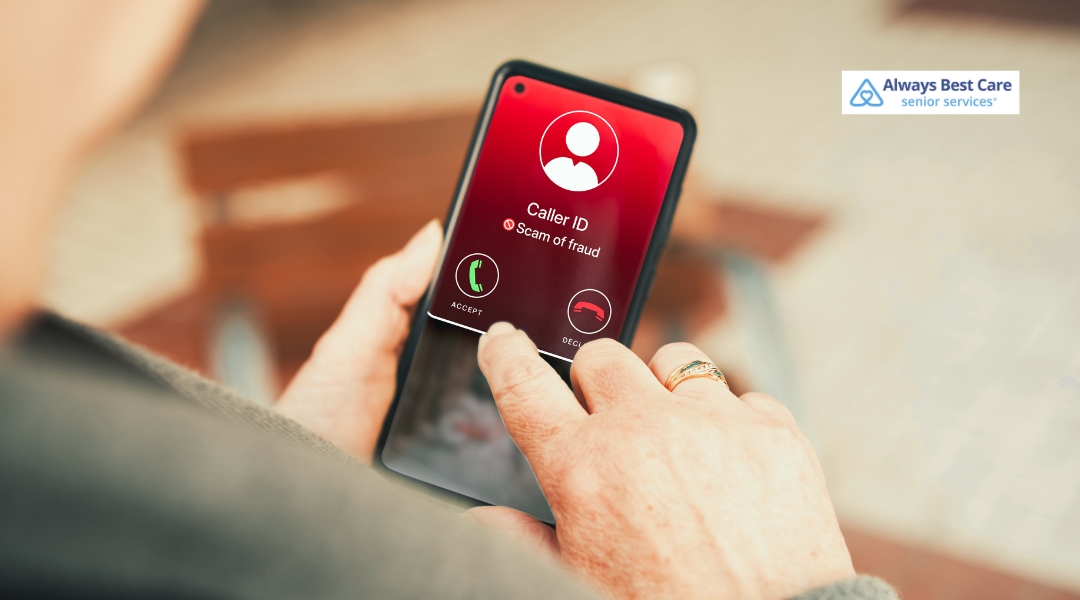
Scammers are getting bolder, slicker, and frankly, pretty sneaky. Older adults in Parkville often end up in the crosshairs because they’re seen as trusting, stable, and sometimes not up to speed with the latest tech tricks. That toxic mix can lead to drained bank accounts, stolen identities, and a whole lot of emotional pain.
The upside? Awareness is like a shield. Once we understand the most common senior scams, know the warning signs, and talk openly as a family, we can help keep the people we love out of harm’s way. At Always Best Care of Parkville, we take that responsibility seriously, and we work alongside families to keep seniors safer and more confident at home.
What you will learn:
- The most common senior scams in Parkville and the warning signs that can help families spot trouble early.
- Why older adults may be more vulnerable to fraud and how isolation, urgency, and secrecy often play a role.
- Simple, supportive ways families can help protect loved ones from scams before money or personal information is lost.
- How in-home care, companionship, and quick action can strengthen scam prevention and help seniors stay safer at home.
Table of Contents
Why Seniors in Parkville Are So Often Targeted
Fraudsters usually aren’t picking names at random. They know exactly who they’re after and why. Older adults may be targeted because they often:
- Are naturally polite and trusting with strangers
- Have savings, retirement accounts, or a steady income
- Live alone or feel isolated
- Aren’t as familiar with online banking, social media, or digital security
Mix those ingredients together, and scammers see what they think is an easy opening. They work fast to build fake trust, stir up urgency, and push for money or personal information before anyone can step in.

Common Senior Scams in Parkville
Phone Scams
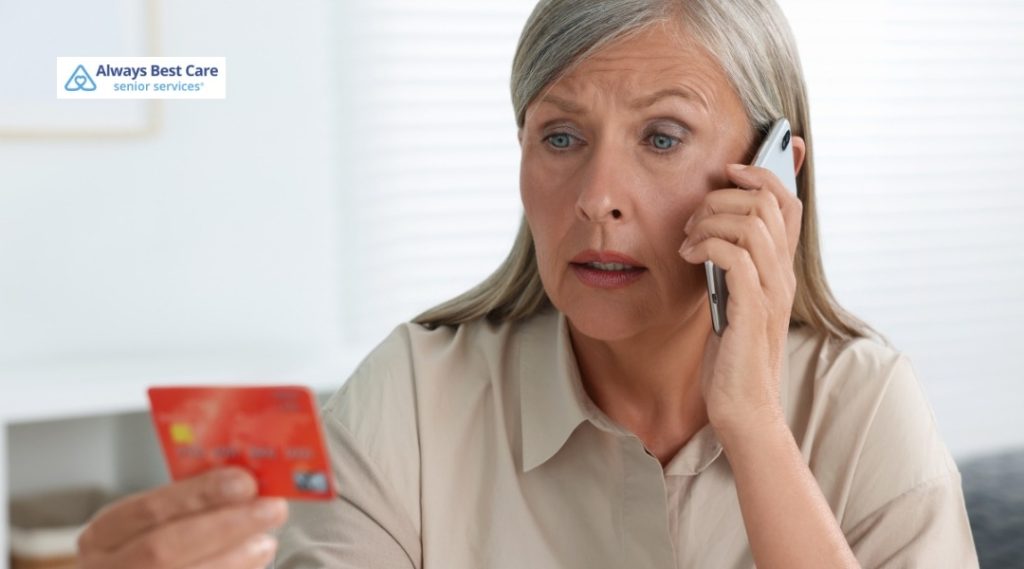
You know those calls that start with, “This is the IRS,” or “Your power will be shut off today”? That’s prime scam territory. Callers may pretend to be:
- Government agencies
- Utility companies
- Banks
- Even a grandchild or other relative in an “emergency”
They lean heavily on fear and urgency, pushing for immediate payment or private details such as Social Security numbers or bank account numbers.
Email and Phishing Scams
Emails or texts may look shockingly real; logos, colors, and even the sender’s name can be faked. They often say things like:
- “Your account has been locked”
- “Confirm your information now”
- “Your package couldn’t be delivered”
The link usually leads to a fake website that quietly steals login information or personal data. One click, and the damage can snowball.
Sweepstakes and Lottery Scams
This one sounds exciting at first:
“Congratulations, you’ve won a big prize!”
Then comes the catch:
- “Just pay the taxes or fees first.”
- “Wire money or buy gift cards to process your winnings.”
There’s no prize. Just money flowing straight into a scammer’s pocket.
Romance Scams
Online companionship can feel like a lifeline, especially for someone who’s lonely. Scammers know that. They:
- Build a fake relationship over weeks or months
- Share emotional stories, often very dramatic
- Eventually, ask for money for “emergencies,” travel, or bills
By the time money is requested, the emotional hook is often strong, making it very hard to say no.

Tech Support Scams
A pop-up flashes on the screen:
“Warning! Your computer is infected, call now!”
Or someone calls claiming to be from a well-known tech company. They might:
- Ask for remote access to the computer
- Request payment to “fix” fake problems
- Install software that actually steals information
Once scammers get remote access, they can snoop through files, passwords, and financial accounts.
Warning Signs of Senior Scams to Watch For
Scams often follow a familiar script. If your loved one in Parkville runs into any of these red flags, it’s time to hit pause.
Watch for:
- Demands for urgent payment or “act now” pressure
- Requests to pay with gift cards, wire transfers, or cryptocurrency
- Unsolicited calls, texts, or emails asking for personal or financial details
- Messages that create fear, panic, or guilt
- Requests to keep secrets from family or friends
If something feels off, it probably is. Taking a moment to verify, by calling the real company or checking with family, can stop a scam in its tracks.

How Families Can Help Protect Loved Ones in Parkville
You don’t have to be a tech whiz to help guard against senior scams. Consistent, caring involvement goes a long way. Helpful steps include:
- Talk openly about scams and share real examples
- Encourage verification of any unexpected call, email, or message
- Review bank and credit card statements for odd charges
- Set up call blocking, spam filters, and strong passwords
- Agree on a simple rule: no large financial decisions without checking with a trusted family member
Creating a judgment-free space is crucial. If a loved one feels they’ll be scolded or shamed, they may hide what’s happening, exactly what scammers want.
The Role of In-Home Care in Preventing Senior Scams in Parkville
Being alone day after day can make anyone more vulnerable, especially to scammers who prey on loneliness. That’s where in-home care can quietly make a huge difference.
At Always Best Care of Parkville, we see scam awareness as part of supporting safe, confident living at home. We:
- Help with screen phone calls and unexpected visitors
- Notice changes in behavior, such as sudden anxiety over money
- Offer regular companionship, reducing isolation
- Encourage honest conversations with family about finances and unusual messages
We’re in the home often enough to spot patterns, new “friends” calling every day, stacks of suspicious mail, or sudden urgency around paying unfamiliar bills. That early awareness can stop small problems from becoming major losses.

What to Do If You Suspect a Senior Scam
If you think a loved one in Parkville may be caught up in a scam, even if you’re not 100% sure, it’s better to act quickly than to wait and see.
Steps to take:
- Contact the bank or credit card company immediately to report any suspicious charges or transfers.
- Notify local law enforcement or adult protective services so they’re aware of the scam pattern.
- Monitor accounts closely over the next few weeks for new or recurring charges.
- Offer reassurance, not blame. Many older adults feel deeply embarrassed and may shut down if they feel judged.
A calm, supportive tone helps your loved one open up, share details, and work with you to fix what happened.
Frequently Asked Questions
Q: How can I tell if a phone call to my loved one is a scam?
A: Watch for callers who demand quick payment, ask for personal information, refuse to let your loved one hang up, or insist on gift cards or wire transfers. Legitimate agencies don’t pressure people like that.
Q: Are seniors in Parkville more at risk than others?
A: Seniors everywhere are frequently targeted, and Parkville is no exception. Factors like living alone, having retirement savings, and limited tech experience can increase the risk.
Q: What should my loved one do if they clicked a link in a suspicious email?
A: Have them stop using that device, change passwords from a safe device, contact their bank if any financial details were entered, and consider having a trusted professional check the computer for malware.
Q: How can Always Best Care of Parkville help reduce scam risk?
A: We provide in-home support that includes keeping an eye on unusual calls, mail, and visitors, encouraging open conversations with family, and offering companionship so scammers are less likely to find an isolated target.
Q: Should we talk about scams even if my loved one hasn’t been targeted yet?
A: Yes. Preventive, judgment-free conversations give seniors the confidence to speak up early if something feels wrong.

Staying One Step Ahead of Scammers in Parkville
Senior scams may be getting more sophisticated, but they’re not unbeatable. With clear information, open communication, and steady support, families in Parkville can dramatically cut the risk for the people they love.
At Always Best Care of Parkville, we see ourselves as partners in that effort. We work alongside you to support daily living, watch for red flags, and help your loved one feel safer, more connected, and more confident at home.
If someone you care about could use extra support and companionship, reach out to us at Always Best Care of Parkville at (410) 204-5501 to schedule a care consultation and learn how we can help protect your loved one while respecting their independence and dignity.
Link to the Markdown File version of the article