Wound Care at Home: When Is Skilled Nursing Needed in Parkville?
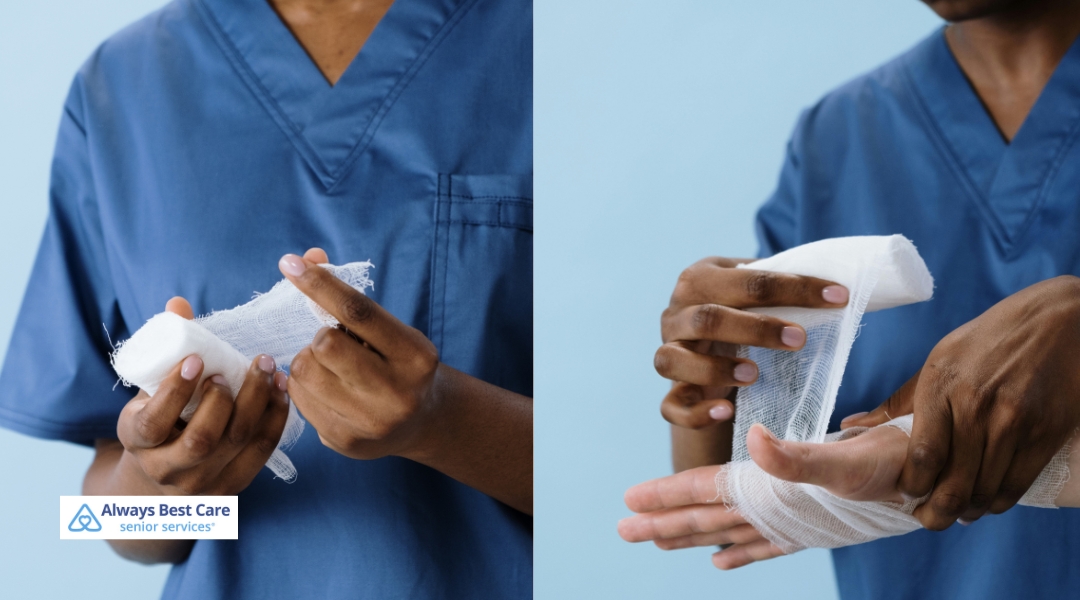
A small scrape might be no big deal, but for older adults, even a minor wound can turn tricky fast. Healing tends to slow down with age, and health issues like diabetes or poor circulation can make things messier than they first appear.
That’s why knowing when wound care at home needs skilled nursing can make all the difference. With the right help, seniors can heal more comfortably at home, and families can breathe a little easier.
What You Will Learn
- Why wounds can heal more slowly and become more complicated for older adults at home.
- Which wound types and warning signs may mean a loved one needs timely medical attention or skilled nursing.
- How skilled nursing and in-home caregivers can work together to support safer, more comfortable recovery.
- Simple, caring habits that can help prevent pressure injuries and protect aging skin.
Table of Contents
Why Wound Care at Home Gets Trickier With Age
As skin ages, it gets thinner and more fragile. A simple bump can lead to a cut, skin tear, or pressure sore before we know it.
A few common reasons wounds take longer to heal include:
- Slower recovery as the body gets older
- Diabetes, which can affect healing
- Poor circulation, which limits blood flow to the area
- Limited movement, which can lead to pressure injuries
- Not eating or drinking enough, which slows repair
In short, what looks minor on the surface can become a bigger issue underneath.
Which Wounds May Need Skilled Nursing?
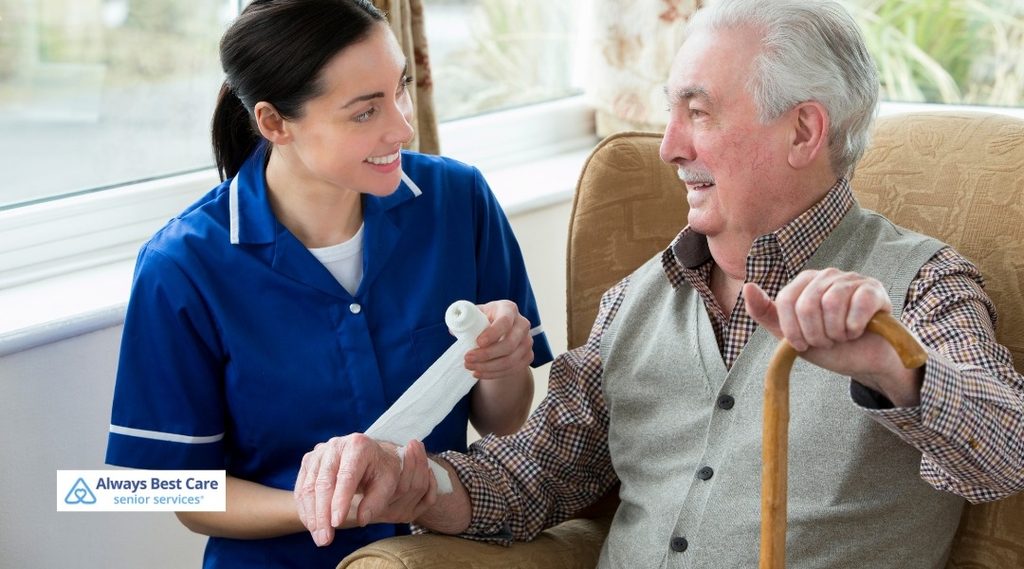
Some wounds can be cleaned and watched at home, but others need a trained nurse to keep an eye on them.
Skilled nursing may help with:
- Surgical incisions that still need monitoring
- Pressure injuries or bedsores
- Diabetic foot ulcers
- Wounds tied to poor circulation
- Skin tears that aren’t closing well
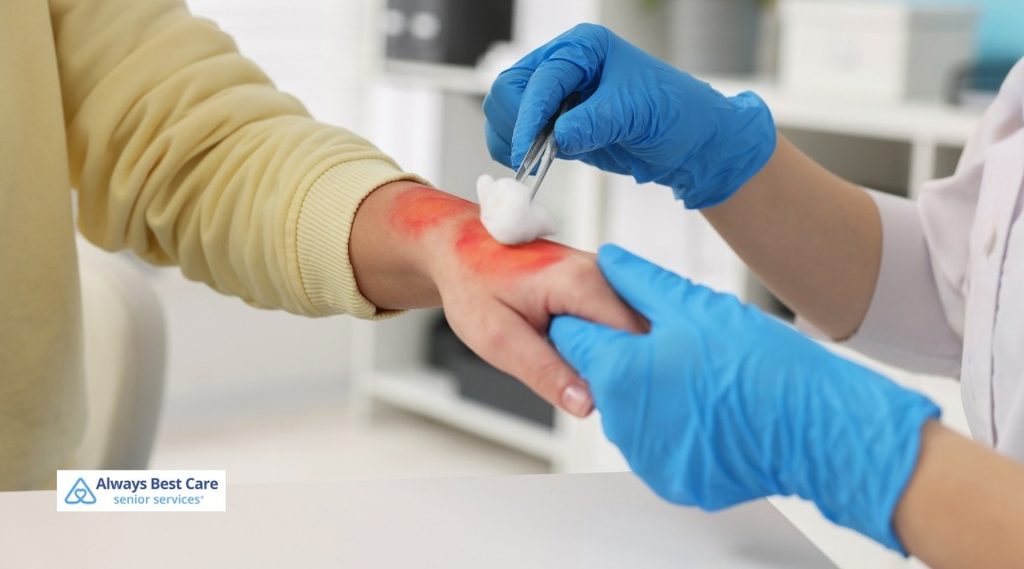
- Burns or deeper injuries
- Wounds that haven’t improved over time
A healthcare provider can help determine the right level of care and what to do next.
Warning Signs a Wound Needs Medical Attention
Never ignore a wound if it starts acting up. A little redness can be normal at first, but growing symptoms can point to trouble.
Watch for:
- More redness, warmth, swelling, or pain
- Drainage that looks unusual
- A bad smell
- The wound getting bigger or looking worse
- Fever or chills
- Confusion or a sudden change in energy
If a loved one has diabetes, a weak immune system, or circulation problems, watch the wound closely. Problems can sneak up faster than expected.
What Does a Home Health Nurse in Parkville Do?
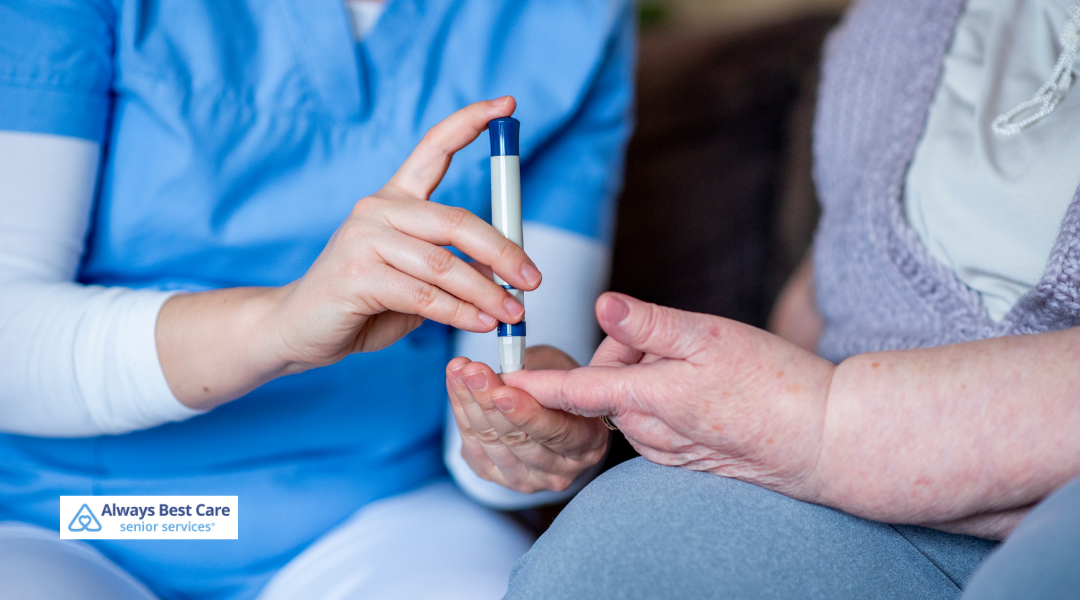
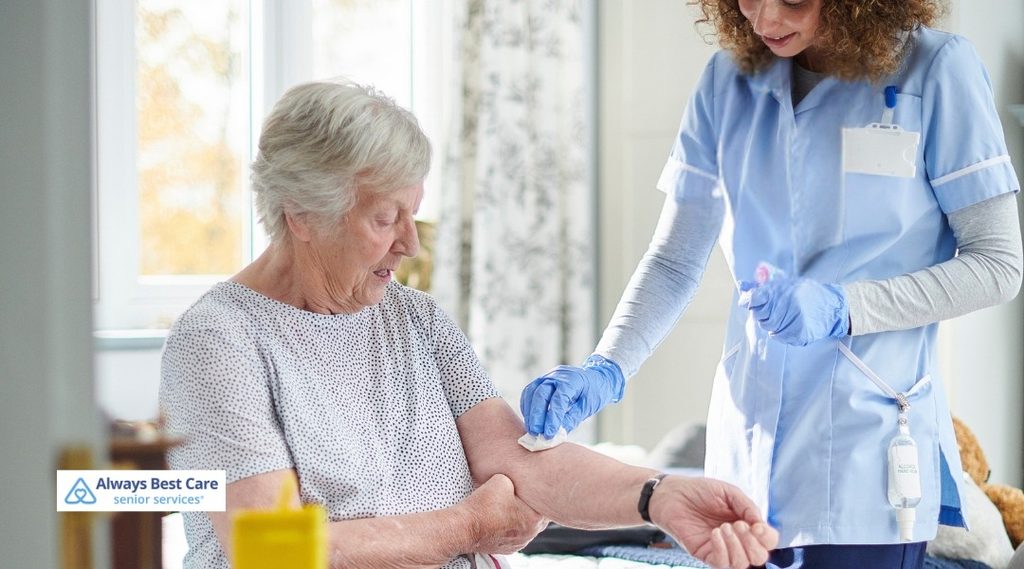
A nurse can provide wound care at home based on the doctor’s treatment plan. That kind of support can be a real relief after surgery, a hospital stay, or rehab.
A home health nurse may:
- Check the wound and track healing
- Clean the area
- Change dressings
- Watch for infection
- Teach families how to help between visits
- Share updates with the healthcare provider
At Always Best Care of Parkville, we help support older adults who need care at home, and we work with families to make the process feel less overwhelming.
How to Help Prevent Pressure Injuries at Home
For seniors who spend a lot of time sitting or lying down, prevention matters just as much as treatment. Pressure injuries often show up on the heels, hips, tailbone, and elbows.
A few simple habits can help:
- Change positions often
- Keep skin clean and dry
- Use pressure-relief cushions or mattresses
- Make sure meals and fluids aren’t being skipped
- Check skin regularly for redness or sores
A little attention now can save a lot of trouble later.
How In-Home Care and Skilled Nursing Work Together
Skilled nursing handles the medical side of healing, but daily support matters too. That’s where in-home care can help.
In-home caregivers may help with:
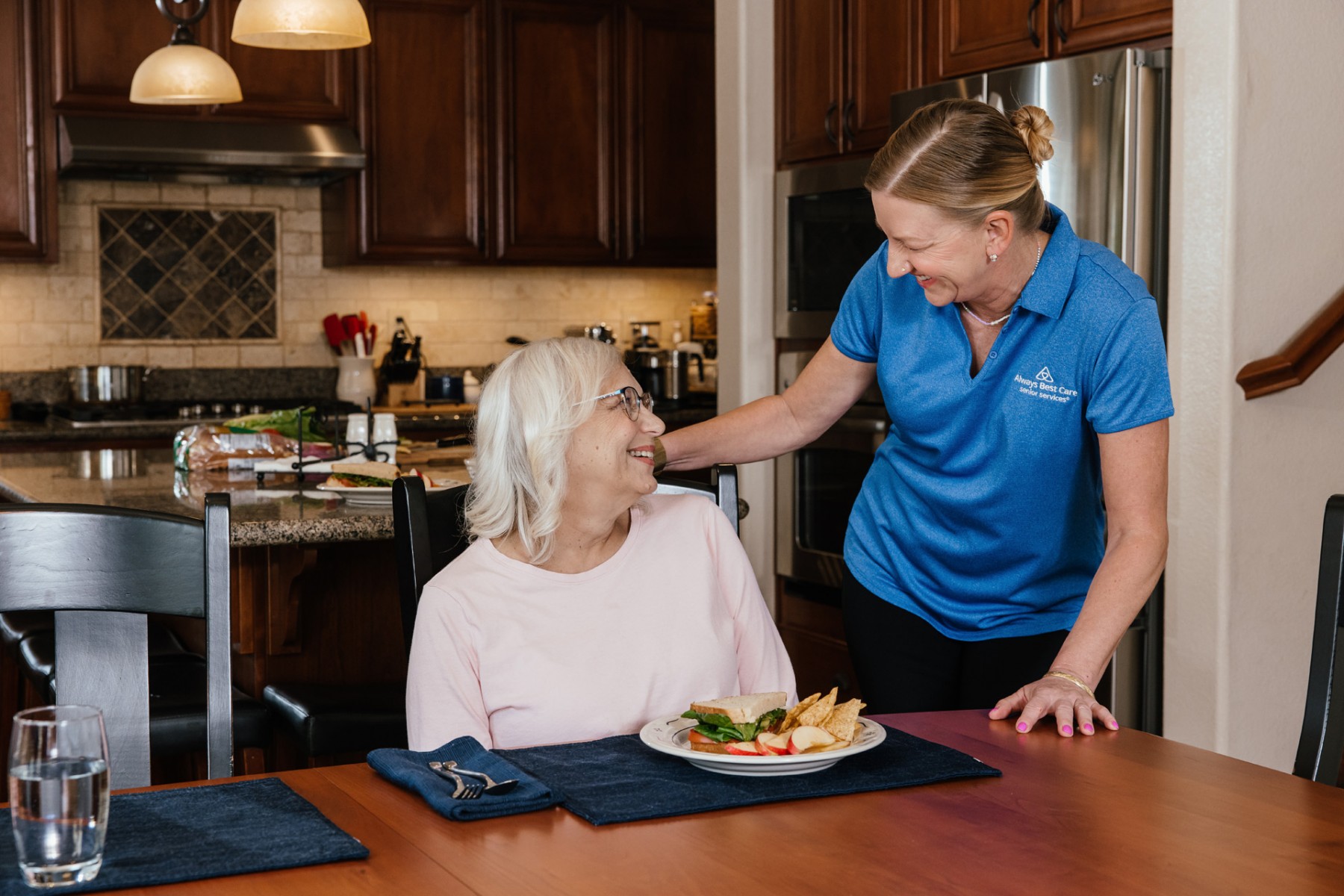
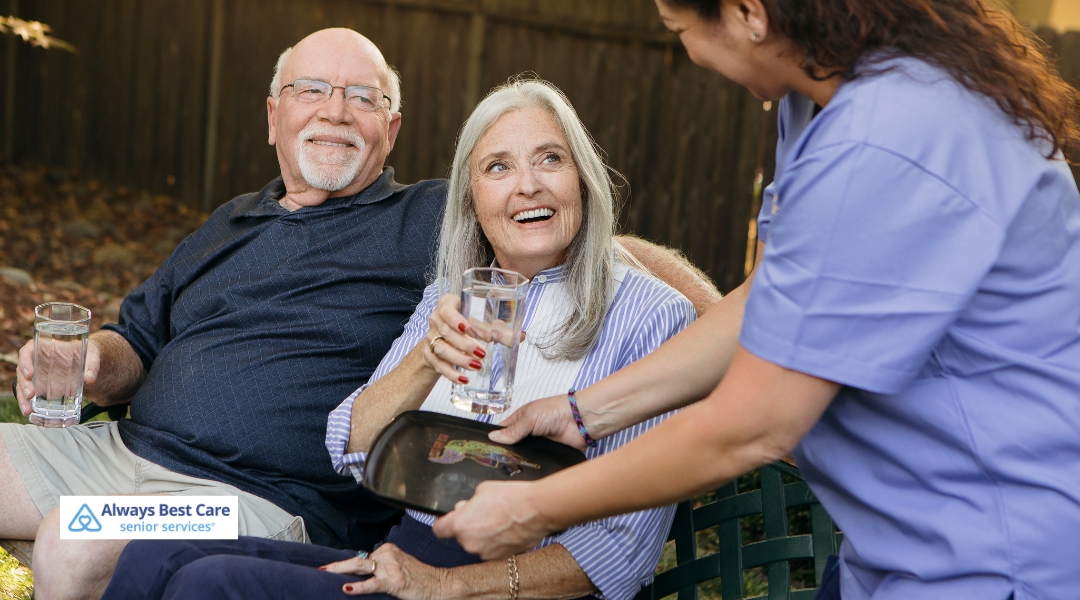
- Meals and hydration
- Bathing and dressing
- Light housekeeping
- Moving safely around the home
- Medication reminders
- Noticing changes that should be reported
Together, these services can help seniors stay safer and more comfortable while they recover.
Frequently Asked Questions
Q: When should a wound be checked by a nurse?
A: A wound should be checked if it’s not healing, looks worse, drains unusual fluid, smells bad, or causes increasing pain.
Q: Can wound care be done at home?
A: Yes, many wounds can be cared for at home. More serious or slow-healing wounds may need skilled nursing.
Q: Why are wounds harder for older adults to heal?
A: Older skin is thinner and more fragile, and conditions like diabetes or poor circulation can slow healing.
Q: What if my loved one has a wound after surgery?
A: Post-surgery wounds often need close monitoring, especially if the person is weak, has other health issues, or needs dressing changes.
Q: How does Always Best Care of Parkville help?
A: We can help connect families with support options for recovery at home, including skilled nursing when available and in-home help with daily routines.
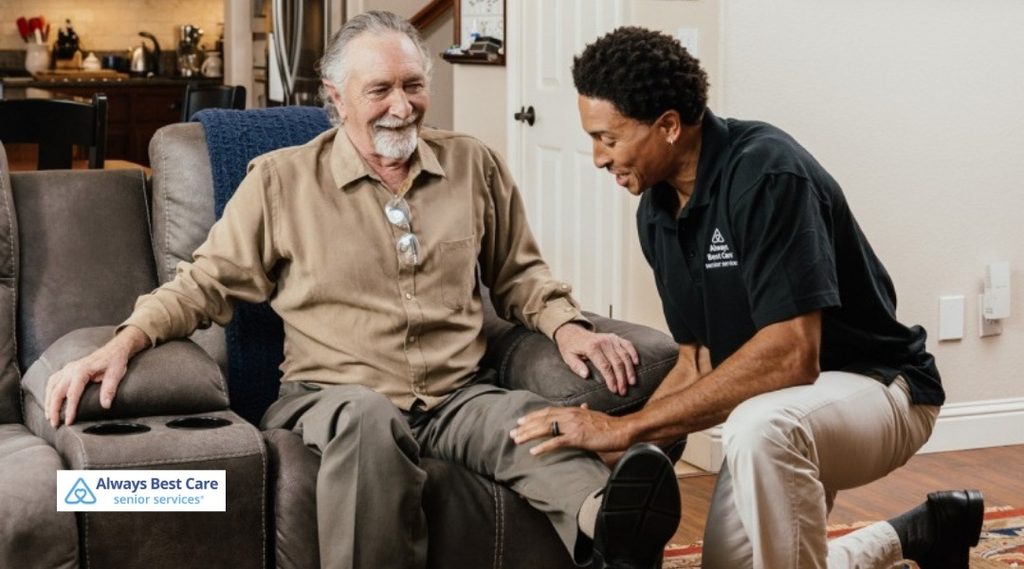
Helping Healing Feel Safer at Home
Good wound care at home can make recovery safer, calmer, and less stressful for seniors and families. But if a wound starts showing warning signs or needs closer attention, skilled nursing may be the right next step.
If your loved one is recovering from surgery, illness, an injury, or a wound that needs extra attention, reach out to Always Best Care of Parkville. Our caring team can discuss your family’s needs and help you explore supportive in-home and skilled home-health care options. Call (410) 952-7206 to schedule a care consultation.
Link to the Markdown File version of the article