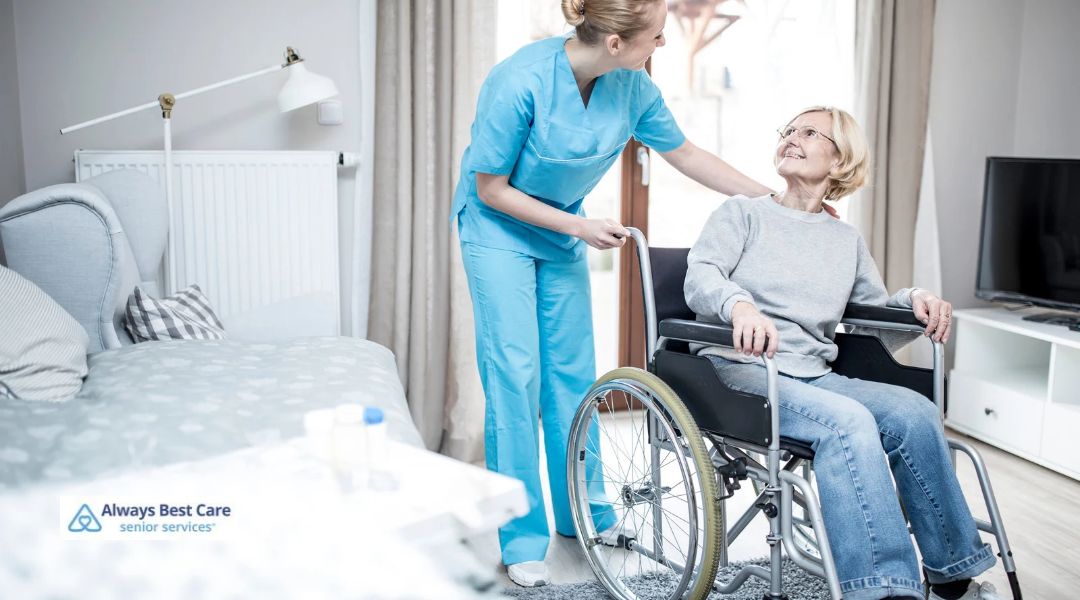

Aging in Place with a Chronic Illness: How In-Home Care Promotes Independence in Parkville

Home is more than four walls. For most seniors, it represents decades of memories, established routines, and a deep sense of belonging. A chronic illness diagnosis does not erase that, and for many older adults, it does not have to mean leaving home either.
Conditions like heart disease, diabetes, COPD, Parkinson’s, and arthritis affect millions of seniors. While these conditions require ongoing management, they do not automatically disqualify someone from living independently. With the right in-home support, seniors can manage their health effectively while staying in the place they love most.
What You Will Learn
- The everyday challenges seniors with chronic illnesses may face while living at home.
- How in-home care can protect independence while making daily routines safer and easier.
- Why consistent support and early awareness of health changes can promote peace of mind.
- How Always Best Care of Parkville creates compassionate, flexible support for seniors and families.
Table of Contents
Why Aging in Place Matters for Seniors with Chronic Illness
Research consistently shows that seniors who remain in familiar environments tend to experience better emotional outcomes and a stronger sense of purpose. Routine matters, especially for those managing long-term health conditions.
Uprooting a senior from their home can introduce new stressors that actually complicate health management. In contrast, in-home care preserves what already works: familiar surroundings, established habits, and close proximity to the people and community a senior knows.

The Real Challenges Chronic Illness Creates at Home
Living with a chronic condition is not just a medical challenge; it is a daily logistical one. Seniors often find themselves managing multiple moving parts at once.
Common day-to-day challenges include:
- Tracking multiple medications and dosage schedules
- Navigating reduced mobility or persistent pain
- Managing fatigue that makes basic tasks feel overwhelming
- Staying on top of follow-up appointments and specialist visits
- Maintaining a proper diet that supports their condition
- Coping with isolation and the emotional weight of a long-term diagnosis
Left unaddressed, these challenges can snowball. Missed medications lead to worsening symptoms. Skipped meals affect blood sugar or blood pressure. Isolation accelerates cognitive and emotional decline. In-home care interrupts that cycle.
How In-Home Care Supports Independence Without Taking It Away
There is a common misconception that bringing in a caregiver means giving up control. The opposite is true. A skilled in-home caregiver works alongside a senior, filling in the gaps rather than taking over.
The goal is always to preserve as much independence as possible. Caregivers step in where help is genuinely needed and step back where the senior can manage on their own. This approach builds confidence, not dependency.

Practical support typically includes:
- Personal care assistance (bathing, dressing, grooming)
- Meal planning and preparation tailored to dietary needs
- Medication reminders to keep schedules on track
- Light housekeeping and laundry
- Transportation to medical appointments and errands
- Companionship and social engagement
When the logistical burden is lifted, seniors have more energy to focus on what actually matters — their health, their relationships, and their quality of life.
Consistency Is the Foundation of Chronic Illness Management
Managing a chronic illness is not about dramatic interventions. It is about showing up every day — taking the right medication at the right time, eating well, staying hydrated, and keeping appointments.
That level of consistency is hard to maintain alone, especially when fatigue or pain is a factor. In-home caregivers provide the steady, reliable presence that makes daily health routines sustainable.
Key habits caregivers help reinforce:
- Adhering to prescribed medication schedules
- Preparing balanced, condition-appropriate meals
- Encouraging physician-approved physical activity
- Monitoring fluid intake
- Ensuring medical appointments are kept
Over time, these small daily actions add up to significantly better health outcomes.

Early Detection: A Hidden Benefit of In-Home Care
One of the most underappreciated advantages of in-home care is the caregiver’s ability to notice subtle changes before they become serious problems. Family members who visit occasionally may miss early warning signs. A caregiver who is present regularly will not.
Signs caregivers are trained to watch for include:
- Unexplained changes in appetite or weight
- Increased fatigue or unusual lethargy
- Shortness of breath or changes in breathing patterns
- New difficulty with balance or mobility
- Swelling in the limbs
- Confusion or shifts in mood and behavior
Catching these signs early allows families to contact healthcare providers before a manageable issue escalates into a hospitalization.
The Emotional Side of Chronic Illness
Physical symptoms are visible. Emotional ones often are not. Many seniors living with chronic illness quietly struggle with anxiety, grief over lost abilities, and deep loneliness, particularly if they live alone.
Companionship is not a bonus feature of in-home care. It is a core component. A caregiver who shares a meal, takes a walk, or simply sits and listens provides something that medication cannot: human connection.
For families, in-home care also delivers peace of mind. Knowing a trusted professional is present, watching, helping, and genuinely caring reduces the stress that comes with long-distance caregiving or busy schedules.
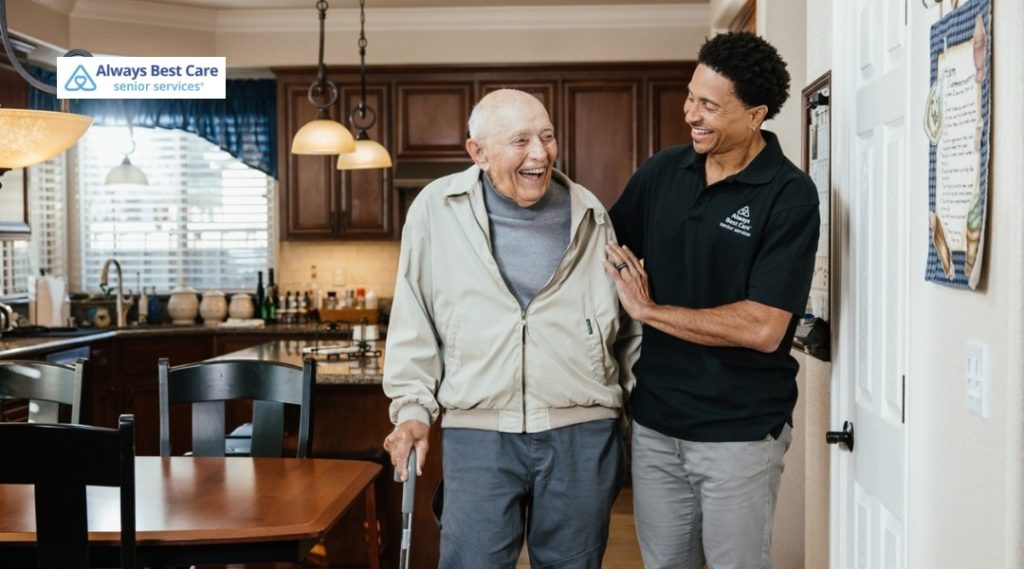
How Always Best Care of Parkville Helps Seniors Thrive at Home
At Always Best Care of Parkville, we build care plans around the individual, not the diagnosis. Every senior has a unique health history, lifestyle, and set of goals. Our caregivers work closely with families to design support that fits and adjusts as needs change.
Whether your loved one is managing diabetes, recovering from a stroke, living with COPD, or navigating multiple conditions at once, our team provides compassionate, consistent care that promotes safety and independence.
Frequently Asked Questions
Q: Can a senior with a serious chronic illness really stay at home safely?
A: In many cases, yes. The key is having the right level of support in place. In-home caregivers help manage daily health routines, monitor for warning signs, and assist with tasks that have become difficult — all while allowing seniors to remain in a familiar, comfortable environment.
Q: What conditions can in-home care help manage?
A: In-home care supports seniors living with a wide range of chronic conditions, including heart disease, diabetes, COPD, Parkinson’s disease, arthritis, and post-stroke recovery, among others. Care plans are tailored to each individual’s specific needs.
Q: Will having a caregiver reduce my loved one’s independence?
A: No, in fact, the goal is the opposite. Caregivers are trained to support seniors in doing as much as they can on their own. They fill in where help is needed without taking over, which helps seniors maintain confidence and autonomy.
Q: How does in-home care help prevent hospital readmissions?
A: Caregivers provide consistent daily oversight, which means they are well-positioned to notice early warning signs, changes in appetite, breathing, mobility, or behavior, before they escalate. Early detection allows families to act quickly and avoid preventable hospitalizations.
Q: How do I know if it is time to consider in-home care?
A: If your loved one is struggling to manage medications, missing appointments, having difficulty with daily tasks, or showing signs of isolation, it may be time to explore in-home care. A consultation with Always Best Care of Parkville can help you assess the right level of support.

More Comfort, More Confidence, Right at Home
From medication reminders and meal preparation to transportation and companionship, we are here to support the whole person, not just their condition. A chronic illness changes how a senior lives. With the right care, it does not have to change where they live.
Call Always Best Care of Parkville at (410) 952-7206 to schedule a care consultation and learn how we can help your loved one stay safe, confident, and independent at home.
Link to the Markdown File version of the article