
Living Well with COPD in Parkville: How Seniors Can Manage Symptoms and Stay Comfortable at Home
Breathing is something most people never think about, until it becomes a struggle. For seniors living with Chronic Obstructive Pulmonary Disease (COPD), every breath can require effort. COPD is a progressive lung condition that narrows airways, traps air in the lungs, and makes even routine tasks feel physically demanding.
The good news: with the right daily habits, a supportive home environment, and consistent care, seniors with COPD can live comfortably and maintain meaningful independence. This guide breaks down what families in Parkville need to know.
What you will learn:
- What COPD is, how it affects the lungs, and the common symptoms seniors may experience.
- How to manage COPD at home through daily routines, medications, breathing techniques, and a healthier living environment.
- The warning signs of COPD flare-ups and when to seek medical attention.
- How in-home care services can support seniors with COPD in staying comfortable, safe, and independent.
Table of Contents
What COPD Actually Does to the Body
COPD is an umbrella term for chronic bronchitis and emphysema, two conditions that damage the airways and air sacs in the lungs. Unlike a cold or infection, COPD doesn’t resolve on its own. It progresses over time, gradually reducing the lungs’ ability to move air in and out efficiently.
Common symptoms seniors experience include:
- Persistent coughing or wheezing
- Shortness of breath during light activity or even at rest
- Chest tightness
- Frequent respiratory infections
- Fatigue that worsens with exertion
One of the biggest challenges with COPD is that early symptoms are often mistaken for normal aging. By the time a diagnosis is made, the condition may already be moderate or advanced. That’s why ongoing monitoring and proactive management matter so much.
Practical Strategies for Managing COPD at Home
Managing COPD isn’t just about medication; it’s about building a daily routine that protects lung function and reduces the risk of flare-ups.
Stick to the Treatment Plan
Inhalers, bronchodilators, corticosteroids, and supplemental oxygen are common tools for managing COPD. These treatments only work when used correctly and consistently. Missed doses or improper inhaler technique can lead to preventable flare-ups.
Caregivers play a key role here, offering medication reminders, helping track symptoms, and flagging any changes to healthcare providers.
Control the Air Quality at Home
The air inside a home can be more polluted than outdoor air, and for someone with COPD, that matters. Dust, pet dander, mold, strong fragrances, and cleaning chemicals can all trigger symptoms.
Steps to improve indoor air quality:
- Use HEPA air purifiers in frequently used rooms
- Replace HVAC filters every 1–3 months
- Avoid aerosol sprays and heavily scented products
- Keep windows open when the outdoor air quality is good
- Address any moisture or mold issues promptly
A cleaner breathing environment reduces the daily burden on already-compromised lungs.
Keep Moving: Carefully
It may seem counterintuitive, but physical inactivity actually worsens COPD over time. Gentle, consistent movement helps strengthen the respiratory muscles and improves overall endurance.
Low-impact activities well-suited for seniors with COPD include:
- Short, paced walks
- Chair-based stretching or yoga
- Breathing exercises prescribed by a pulmonologist or respiratory therapist
The key is pacing. Seniors should move at a comfortable pace, rest when needed, and never push through significant shortness of breath.
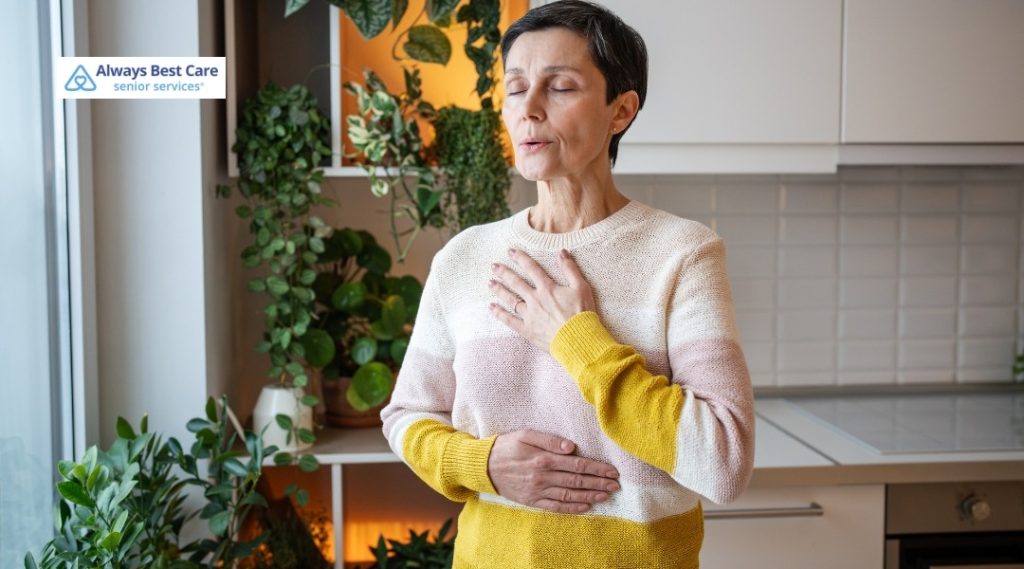
Learn Breathing Techniques That Actually Help
Two techniques are widely recommended for COPD management:
- Pursed-lip breathing: Inhale slowly through the nose, then exhale through pursed lips (as if blowing out a candle) for twice as long. This slows breathing and keeps airways open longer.
- Diaphragmatic breathing: Focuses on engaging the diaphragm rather than the chest, making each breath more efficient.
Practicing these techniques daily, not just during a flare-up, builds the muscle memory needed to use them effectively when breathlessness strikes.
Prioritize Nutrition and Hydration
Eating well supports the immune system and helps the body manage the extra energy COPD demands. Staying hydrated keeps mucus thinner and easier to clear from the airways.
Seniors with COPD sometimes experience reduced appetite due to fatigue or breathlessness during meals. Smaller, more frequent meals can help, as can eating in a relaxed, upright position that doesn’t compress the lungs.
Warning Signs That Require Immediate Attention
COPD symptoms fluctuate, and not every bad day is an emergency. But certain signs indicate a flare-up or complication that needs prompt medical evaluation.
Contact a healthcare provider if you notice:
- A sudden or significant increase in shortness of breath
- Mucus that changes in color (yellow, green, or brown) or increases in volume
- Fever or chills
- Swelling in the ankles or legs
- Increased confusion or unusual fatigue
- Difficulty completing activities that were manageable before
Early intervention can prevent more serious complications and reduce the likelihood of hospitalization.
How Always Best Care of Parkville Supports Seniors with COPD
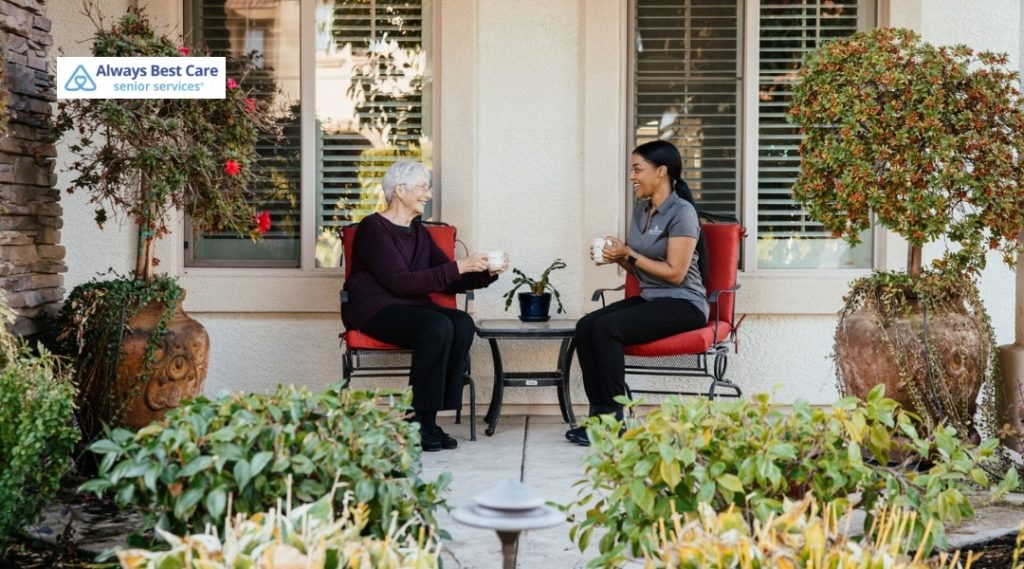
Living with COPD is a daily commitment, and it’s one that’s easier with consistent, knowledgeable support. Always Best Care of Parkville provides in-home care to help seniors manage their conditions while staying comfortable and independent.
Our caregivers can assist with:
- Medication reminders and symptom tracking
- Light housekeeping to reduce indoor allergens and irritants
- Meal preparation focused on nutrition and ease of eating
- Encouragement and assistance with safe physical activity
- Companionship that reduces stress, a known COPD trigger
- Transportation to pulmonology and primary care appointments
For seniors who need a higher level of support, home health services offer skilled nursing care and direct coordination with medical teams.
Frequently Asked Questions
Q: Can COPD be reversed or cured?
No. COPD is a progressive condition with no cure. However, with proper treatment and lifestyle management, its progression can be significantly slowed, and symptoms can be well controlled.
Q: Is it safe for a senior with COPD to live alone?
It depends on the severity of the condition. Many seniors with mild to moderate COPD live independently with some support in place. In-home caregivers can provide the daily assistance and monitoring that makes living alone safer.
Q: What triggers a COPD flare-up?
Common triggers include respiratory infections, air pollution, smoke, strong odors, cold or dry air, and physical overexertion. Identifying and minimizing personal triggers is an important part of COPD management.
Q: How does stress affect COPD?
Stress and anxiety can cause rapid, shallow breathing, which worsens breathlessness in COPD patients. Managing stress through companionship, relaxation techniques, and routine can have a real impact on symptom control.
Q: When should a family consider in-home care for a loved one with COPD?
If a senior is struggling to manage medications, experiencing frequent flare-ups, having difficulty with daily tasks, or showing signs of isolation or depression, in-home care is worth exploring. Early support often prevents more serious health setbacks.

Breathe Easier, Live Better Every Day
If your loved one is living with COPD and could benefit from extra support at home, Always Best Care of Parkville is ready to help.
Call Always Best Care of Parkville today at (410) 204-5501 to schedule a care consultation and learn how our caregivers can support your loved one’s respiratory health and quality of life.
Link to the Markdown File version of the article