Preparing Your Home for Summer: Senior Safety Tips in Parkville
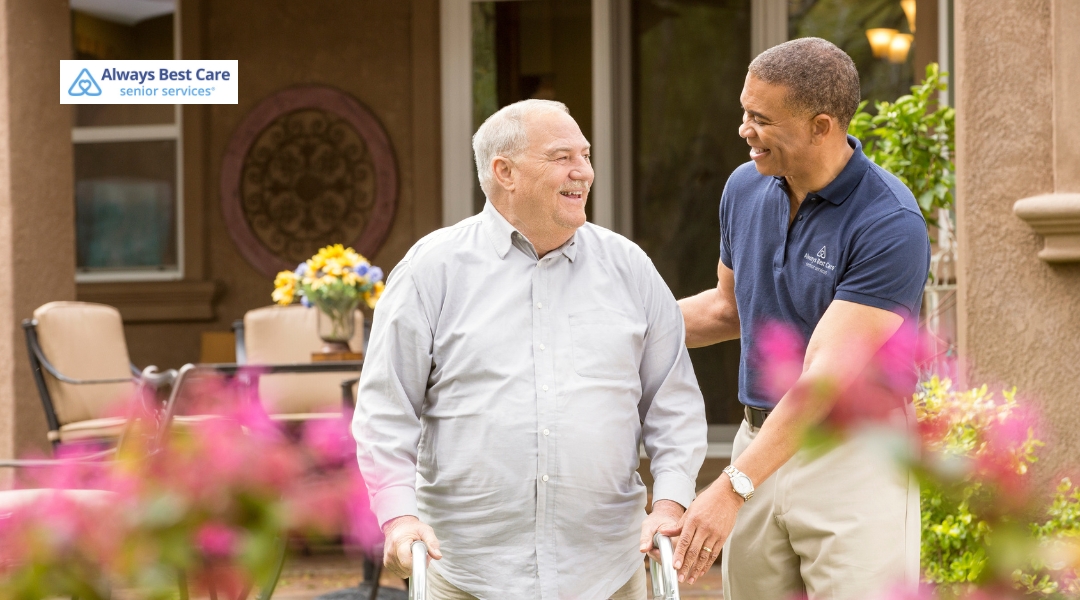
Summer in Parkville brings longer days, backyard gatherings, and a welcome change of pace. But for older adults, rising temperatures and seasonal hazards can turn a pleasant season into a serious health risk.
With a few intentional preparations, seniors and their families can create a safer, more comfortable home environment and actually enjoy everything summer has to offer.
What you will learn:
- Why summer heat and seasonal changes can increase health and safety risks for seniors at home.
- How to keep a home cool, maintain hydration habits, and create a comfortable living environment.
- How to identify and fix indoor and outdoor hazards to reduce the risk of falls and injuries.
- The importance of planning for emergencies and how supportive home care can help seniors stay safe and independent.
Table of Contents
Why Summer Poses Unique Risks for Seniors
Aging affects the body’s ability to regulate heat. Seniors sweat less efficiently, may not recognize thirst cues, and are more likely to take medications that interfere with temperature regulation. This combination makes heat exhaustion and dehydration genuine threats, not just inconveniences.
The good news? Most summer risks are preventable with some advance planning.
Cool the Home Before the Heat Arrives
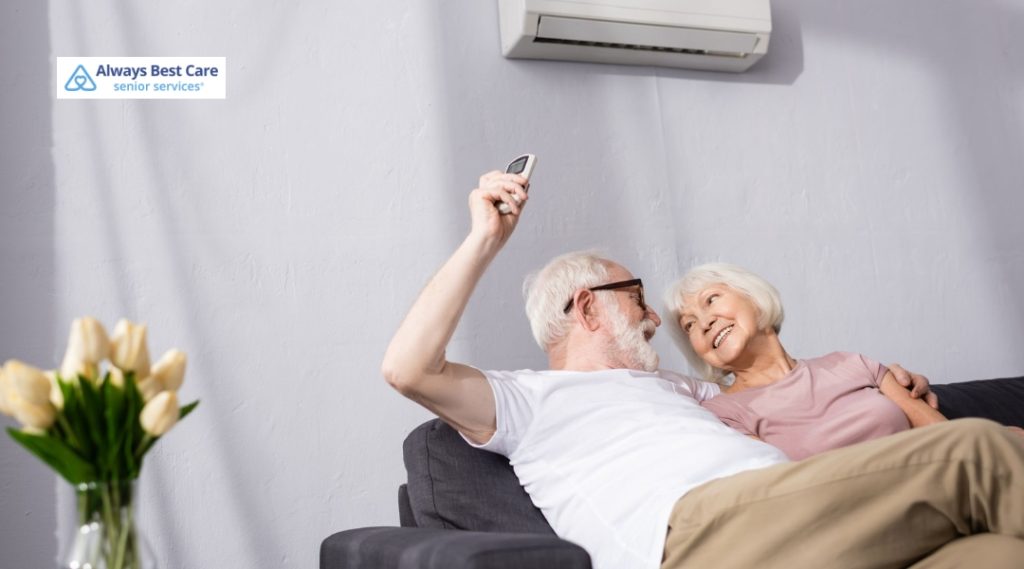
Don’t wait for a heat wave to check your cooling systems. Schedule an HVAC inspection early in the season, replace air filters, and test ceiling and portable fans. If a senior’s home lacks air conditioning, identify local cooling centers, libraries, or community spaces they can visit on extreme heat days.
A few low-cost habits also help: close blinds during peak afternoon hours, use light-colored curtains to reflect sunlight, and keep interior doors open to improve airflow throughout the home.
Build a Hydration Routine That Sticks
Many seniors don’t feel thirsty until they’re already mildly dehydrated, and certain medications make this worse. Rather than relying on thirst as a signal, build hydration into the daily routine.
Keep water bottles in visible, easy-to-reach spots around the home. Incorporate water-rich foods like watermelon, cucumbers, and berries into meals and snacks. Set gentle reminders, whether through a phone alarm or a caregiver check-in, to drink fluids consistently throughout the day. Limit caffeine and sugary drinks, which can contribute to fluid loss.

Inspect Outdoor Areas for Hidden Hazards
Summer encourages more time outside, which is great for physical and mental well-being. But outdoor spaces can develop hazards over the winter and spring months that go unnoticed until someone gets hurt.
Walk through the yard and patio with fresh eyes:
- Repair cracked walkways or loose pavers
- Clear hoses, garden tools, and other tripping hazards
- Test and tighten handrails on steps and ramps
- Trim overgrown plants that crowd pathways
- Confirm outdoor lighting is working, especially near entrances
A quick outdoor safety check takes less than an hour and can prevent a serious fall.
Prepare for Storms and Power Outages
Summer weather in many areas includes thunderstorms, high winds, and the occasional power outage. For seniors, especially those who rely on powered medical equipment, losing electricity can escalate quickly.
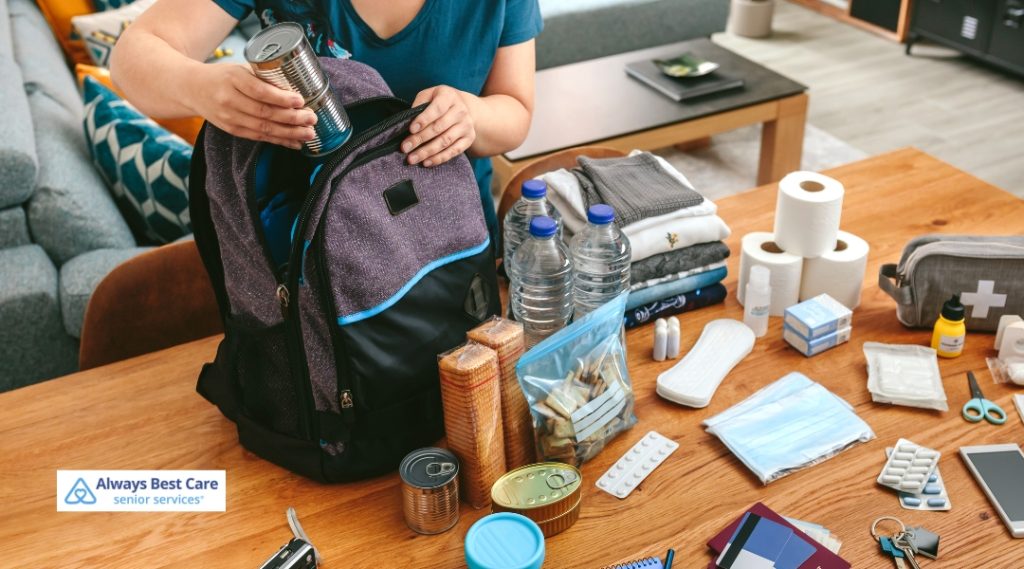
Assemble a basic emergency kit that includes bottled water, non-perishable food, flashlights, extra batteries, a printed list of emergency contacts, and a supply of necessary medications. If a senior uses a CPAP machine, oxygen concentrator, or other powered device, have a backup power plan ready.
Equally important: make sure family members and neighbors know the plan. A quick check-in system during severe weather can provide peace of mind for everyone involved.
Handle Medications with Extra Care
Heat affects more than comfort; it can compromise medications. Many common prescriptions, including diuretics, blood pressure medications, and antihistamines, increase heat sensitivity or accelerate dehydration. Others lose potency when exposed to high temperatures.
Review storage instructions for all medications and keep them away from direct sunlight and warm areas like windowsills or car glove compartments. If there’s any uncertainty about how a medication interacts with heat, a quick conversation with a pharmacist or physician can prevent complications.
Reduce Indoor Fall Risks
Falls don’t only happen outside. Summer introduces new indoor hazards, wet floors from tracking in water after outdoor activities, sandals that offer less support than regular shoes, and increased fatigue from heat exposure.
Reduce the risk by placing non-slip mats at all entry points, keeping walkways free of clutter, and ensuring every room has adequate lighting. Encourage seniors to wear supportive footwear even indoors, and consider a quick home safety walkthrough to identify any areas that need attention.

How Always Best Care of Parkville Can Help
Summer preparation is manageable, but it’s easier with support. Always Best Care of Parkville caregivers work alongside seniors and their families to make the season safer and more enjoyable.
Our caregivers can help with:
- Light housekeeping and home safety checks
- Meal preparation and hydration reminders
- Transportation to appointments and errands
- Medication reminders
- Companionship and wellness monitoring
Frequently Asked Questions
Q: What temperature is considered dangerous for seniors indoors?
A: Indoor temperatures above 80°F (27°C) can become risky for older adults, particularly those with heart conditions, diabetes, or limited mobility. Ideally, indoor spaces should be kept between 68–76°F during summer months.
Q: How much water should a senior drink each day in the summer?
A: Most older adults should aim for at least 8 cups (64 oz) of water per day, and more during hot weather or physical activity. Since seniors often don’t feel thirsty, scheduled reminders and water-rich foods are helpful strategies.
Q: What are the early warning signs of heat exhaustion in seniors?
A: Watch for heavy sweating, cool or pale skin, dizziness, nausea, headache, and weakness. Heat exhaustion can progress to heat stroke — a medical emergency — if not addressed promptly. Move the person to a cool area, offer fluids, and call 911 if symptoms worsen.
Q: Are there medications that make seniors more vulnerable to heat?
A: Yes. Diuretics, beta-blockers, antihistamines, antipsychotics, and certain antidepressants can all affect the body’s ability to regulate heat or increase dehydration risk. Consult a healthcare provider or pharmacist for guidance specific to your loved one’s prescriptions.
Q: How can I help a senior parent prepare for summer if I don’t live nearby?
A: Start with a phone or video call to walk through the checklist together. Arrange for a local caregiver, neighbor, or friend to do an in-person safety check. Consider a professional home care service like Always Best Care to provide regular support and keep you informed about your loved one’s well-being.
Protecting Independence All Summer Long
Whether a senior needs a few hours of support each week or more consistent daily assistance, we tailor our care to fit each individual’s needs.
Call Always Best Care of Parkville today at (410) 952-7206 to schedule a care consultation and learn how we can help your loved one stay safe, healthy, and independent all summer long.
Link to the Markdown File version of the article