
Supporting Respiratory Health in Seniors: Tips for Easier Breathing in Parkville

For many older adults, breathing becomes more than just an automatic function; it requires attention, care, and daily management. Whether it is a chronic condition like COPD or simply the natural decline in lung capacity that comes with age, respiratory health is a critical component of senior well-being that often goes unaddressed until a crisis occurs.
The encouraging reality is that proactive steps, taken at home every day, can make a meaningful difference. Families, caregivers, and seniors themselves all have a role to play.
What you will learn:
- How aging impacts lung function and the most common respiratory conditions seniors may face.
- Simple ways to create a cleaner, lung-friendly home environment that supports easier breathing.
- Daily habits and routines that help strengthen respiratory health and improve overall well-being.
- How to manage chronic respiratory conditions at home and recognize warning signs that need medical attention.
Table of Contents
How Aging Affects the Lungs
The respiratory system undergoes significant changes as we age. Lung tissue loses elasticity, the diaphragm weakens, and the airways become less efficient at filtering out irritants. These shifts are gradual, which is why many seniors do not notice the decline until everyday tasks, climbing stairs, carrying groceries, or even having a conversation, leave them winded.
Beyond normal aging, older adults are at higher risk for:
- COPD – a progressive condition that obstructs airflow and makes exhaling difficult
- Asthma – which can develop or worsen in later life, often triggered by allergens or cold air
- Pneumonia – a serious infection that seniors recover from more slowly than younger adults
- Bronchitis – acute or chronic inflammation of the airways
- Reduced oxygen exchange – leading to fatigue, brain fog, and reduced stamina
Understanding these risks is the first step toward managing them effectively.
Building a Lung-Friendly Home Environment in Parkville
The air inside a home can be more polluted than outdoor air, and for seniors spending most of their time indoors, this matters. Small environmental changes can significantly reduce respiratory strain.
Practical steps to improve indoor air quality:
- Replace HVAC filters every 1–3 months, or more frequently during high-pollen seasons
- Invest in a HEPA air purifier for the bedroom and main living areas
- Keep humidity between 40–50% using a humidifier or dehumidifier as needed
- Eliminate or minimize the use of aerosol sprays, scented candles, and harsh cleaning products
- Vacuum with a HEPA-filter vacuum to reduce dust mite exposure
- Ensure proper ventilation, especially when cooking or using cleaning products
Pet dander, mold, and secondhand smoke are among the most common indoor triggers for seniors with respiratory conditions. Identifying and eliminating these sources can lead to noticeable improvements in comfort and ease of breathing.
Daily Habits That Strengthen Respiratory Health
Lifestyle choices have a direct impact on lung function. Seniors who stay active, eat well, and manage stress tend to maintain better respiratory health over time.
Habits worth building into the daily routine:
- Gentle exercise – Walking, tai chi, and water aerobics support lung capacity without overexertion
- Diaphragmatic breathing – Practicing slow, deep breaths from the belly strengthens the diaphragm and improves oxygen intake
- Hydration – Drinking enough water keeps mucus thin and easier to clear from the airways
- Nutrition – Anti-inflammatory foods like leafy greens, berries, and omega-3-rich fish support lung tissue health
- Vaccinations – Annual flu shots and pneumococcal vaccines are among the most effective tools for preventing serious respiratory illness in seniors
Consistency matters more than intensity. Small, sustainable habits compound over time into meaningful health outcomes.
Managing Chronic Respiratory Conditions at Home
For seniors already living with a diagnosed respiratory condition, day-to-day management is essential to preventing flare-ups and hospitalizations.
Effective management typically involves:
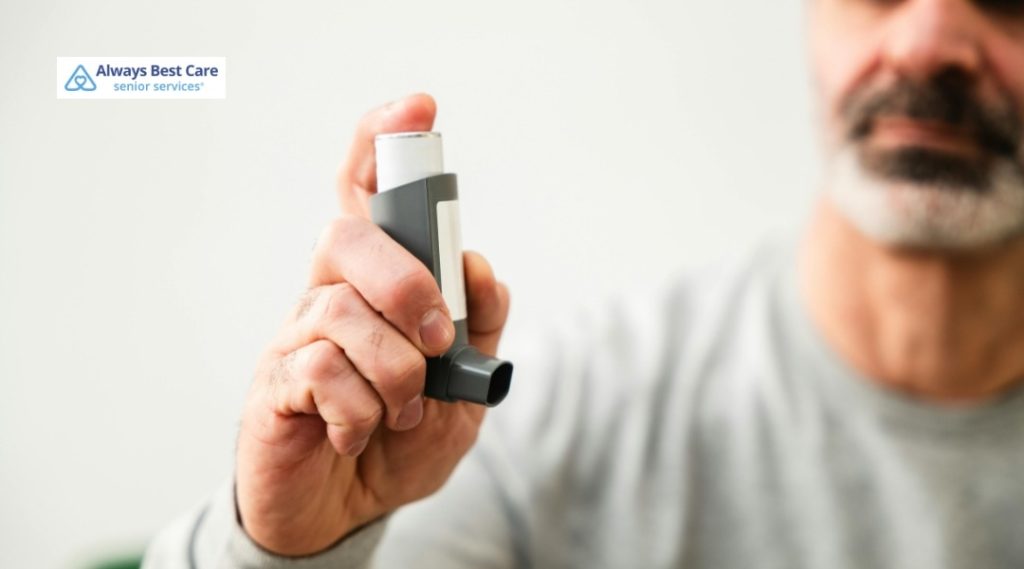
- Taking all prescribed medications on schedule, including controller inhalers, not just rescue inhalers
- Learning and using proper inhaler technique, which many patients do incorrectly
- Tracking symptoms in a simple daily log to identify patterns or early warning signs
- Scheduling regular checkups with a pulmonologist or primary care provider
- Having a written action plan for what to do if symptoms worsen
Caregivers and family members can play a vital role here, not by taking over, but by providing reminders, encouragement, and a second set of eyes on changing symptoms.
Warning Signs That Should Never Be Ignored
Respiratory conditions can deteriorate quickly. Knowing when to act can prevent a manageable situation from becoming a medical emergency.
Seek prompt medical attention if a senior experiences:
- Sudden or worsening shortness of breath, especially at rest
- Persistent wheezing or a new, productive cough
- Chest tightness or pain
- Unusual fatigue, confusion, or difficulty concentrating
- Bluish tint to the lips, fingernails, or skin (a sign of low oxygen)
When in doubt, err on the side of caution. A call to a healthcare provider is always the right first step.

How Always Best Care of Parkville Supports Respiratory Health
Seniors living alone or managing chronic conditions without consistent support face a higher risk of complications. Always Best Care of Parkville provides in-home caregiving that helps seniors maintain the routines and environment their respiratory health depends on.
Our caregivers can help with:
- Medication reminders to ensure prescriptions are taken correctly and on time
- Light housekeeping to minimize dust, allergens, and other indoor irritants
- Meal preparation focused on nutritious, anti-inflammatory foods
- Encouraging and accompanying seniors on gentle daily walks
- Transportation to pulmonology and primary care appointments
- Companionship that reduces stress, a known trigger for respiratory flare-ups
For seniors who need a higher level of clinical support, home health services can provide skilled nursing, respiratory therapy coordination, and direct communication with healthcare providers.
Frequently Asked Questions
Q: What is the most common respiratory condition in seniors?
A: COPD is the most prevalent chronic respiratory condition among older adults, affecting millions of Americans. However, asthma, pneumonia, and chronic bronchitis are also common and often underdiagnosed in seniors.
Q: Can lung function improve with age-related decline?
A: While the natural aging process cannot be reversed, lung function can be preserved and even modestly improved through regular exercise, breathing techniques, and avoiding respiratory irritants. The goal is to slow the decline and maximize the quality of life.
Q: How do I know if indoor air quality is affecting my loved one’s breathing?
A: Watch for symptoms that worsen at home but improve outdoors, such as increased coughing, congestion, or shortness of breath. An air quality monitor can help identify elevated levels of dust, humidity, or pollutants indoors.
Q: Are breathing exercises actually effective for seniors?
A: Yes. Diaphragmatic breathing and pursed-lip breathing are clinically supported techniques that help seniors manage breathlessness, improve oxygen exchange, and reduce anxiety associated with respiratory conditions.
Q: When should a senior with a respiratory condition have a caregiver?
A: Consider in-home care when a senior is missing medications, struggling to maintain a clean environment, avoiding physical activity due to breathlessness, or frequently visiting the ER for respiratory issues. Early support can prevent more serious health events.

Small Steps Toward Healthier Lungs
Respiratory health is too important to leave to chance. With the right habits, environment, and support system in place, seniors in Parkville can breathe easier and live more fully.
Call Always Best Care of Parkville today at (410) 204-5501 to schedule a free care consultation.
Link to the Markdown File version of the article