

When Appetite Declines: Helping Seniors Eat Well in Parkville

As loved ones grow older, mealtimes can quietly start to change. A once-hearty eater skips breakfast, pushes food around the plate, or shrugs and says, “I’m just not hungry.” Over time, this decline in appetite can erode strength, energy, and overall health.
Good nutrition is a cornerstone of aging well. It supports the immune system, helps keep muscles strong, and fuels everyday activities like walking, socializing, and hobbies. Understanding why appetite changes and what we can do about it helps families keep seniors feeling more comfortable, capable, and independent.
What you will learn:
- Why seniors’ appetites often decline over time and which gentle physical, emotional, and lifestyle changes may be behind it.
- How reduced nutrition can quietly affect strength, balance, immunity, and overall independence for older loved ones.
- Simple, heartwarming ways to make meals more appealing, social, and nourishing for seniors in Parkville.
- How supportive local help from Always Best Care of Parkville can make everyday eating feel easier, safer, and more joyful at home.
Table of Contents
Why Appetite Declines With Age
As the years roll on, a lot can influence how much an older adult wants to eat.
Common Reasons Appetite Drops
Age-related changes and life circumstances often work together, not in isolation. Some frequent culprits include:
- Changes in taste and smell that make food seem bland or unappealing
- Slower digestion, leading to feeling full sooner
- Lower activity levels, so the body doesn’t send strong hunger signals
- Medication side effects, such as nausea or a dry mouth
- Dental issues or dentures that make chewing uncomfortable
- Difficulty swallowing, especially with certain textures
- Depression, anxiety, or loneliness, which can sap the desire to eat
- Memory loss or cognitive changes, causing meals to be forgotten or skipped
Because several of these can show up at once, it’s smart to monitor for gradual changes and bring any concerns to a healthcare provider. A quick adjustment in treatment, dental care, or meal routine can make a noticeable difference.

The Hidden Risks of Poor Nutrition
Skipping meals here and there might not sound serious, but long-term poor nutrition can sneak up on seniors.
What Can Happen When Seniors Eat Too Little
Over weeks and months, not getting enough nutrients can lead to:
- Unplanned weight loss
- Muscle weakness and reduced balance
- Higher fall risk
- Ongoing fatigue and low energy
- Slower healing after illness or injury
- Weakened immune function and more frequent sickness
Even mild shortages of protein, vitamins, or minerals can make it harder to stay active and independent. That’s why catching changes in appetite early is so important.
Making Meals More Appealing in Parkville
Sometimes, we don’t need a complete overhaul, just thoughtful tweaks that make food more inviting.
Simple Ways to Spark Interest in Eating
- Boost flavor with herbs, spices, and healthy seasonings instead of relying on salt
- Play with color and texture, bright vegetables, smooth soups, and crunchy toppings
- Serve favorite foods when possible to bring comfort and familiarity
- Offer smaller portions more often, rather than three big meals a day
- Choose nutrient-dense foods that pack protein, vitamins, and healthy fats into modest servings
Many seniors feel more comfortable with several light meals and snacks spread throughout the day. That way, eating doesn’t feel like a chore; it’s just a natural part of staying nourished.

Turning Mealtime Into a Social Experience in Parkville
Eating alone can quietly drain enthusiasm for food. Silence at the table often means less interest in eating and more meals skipped.
Sharing meals with family, friends, or caregivers tends to make food more enjoyable. Conversation, laughter, and companionship encourage seniors to linger a bit longer and take a few more bites. Even simple rituals, like sharing a cup of tea in the afternoon or sitting together for a sandwich at lunch, can transform mealtime from “something to get through” into a moment to look forward to.
Spotting Health Concerns Behind Appetite Loss
Not every change in appetite is cause for alarm, but some signs deserve extra attention.
Warning Signs Families Shouldn’t Ignore
Reach out to a healthcare provider if you notice:
- Noticeable weight loss over a short period
- Ongoing difficulty chewing or swallowing
- Changes in mood or behavior, such as withdrawal or irritability
- Persistent nausea or digestive issues
- Increased confusion or forgetfulness
A medical review can determine whether medications, dental problems, or other health conditions are contributing to changes in appetite. Addressing those roots often sets the stage for better eating.
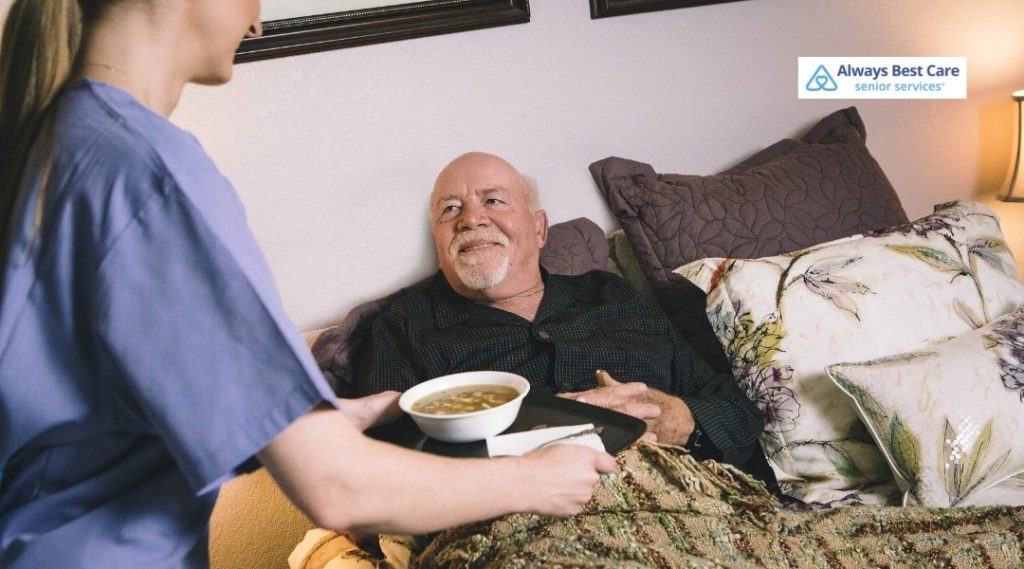
Focus on Nutrient-Rich Foods
When appetite is small, every bite has to work harder.
Smart Food Choices for Better Senior Nutrition
Aim for foods that deliver protein, vitamins, minerals, and healthy fats in comfortable portions, such as:
- Eggs and Greek yogurt
- Lean meats and fish
- Nut butters
- Beans and lentils
- Fresh fruits and vegetables
- Whole grains like oats, brown rice, or whole wheat bread
Protein is especially important for maintaining muscle strength, which supports mobility and daily activities. Hydration matters too; water, soups, and hydrating fruits help keep the body running smoothly.
How Always Best Care of Parkville Supports Healthy Eating
For many seniors, maintaining good nutrition can feel overwhelming—especially when living alone, managing health conditions, or feeling low on energy. That’s where we step in.
At Always Best Care of Parkville, we provide hands-on, day-to-day help that makes eating well feel manageable instead of stressful. We:
- Help with meal planning and preparation, tailored to favorite foods and dietary needs
- Handle grocery shopping, so cupboards stay stocked with wholesome options
- Encourage steady hydration throughout the day
- Monitor eating habits and appetite changes, noticing patterns that the family might miss
- Offer companionship during meals, turning food into a social, pleasant experience
- Share concerns with family members so everyone stays informed and involved
By staying focused on practical support and genuine connection, we help seniors maintain consistent nutrition, which in turn supports their physical health and emotional well-being.

Frequently Asked Questions
Q: Is a smaller appetite always a problem for seniors?
A: Not necessarily. Some decrease in appetite can be part of aging, especially with lower activity levels. Still, ongoing appetite loss, weight changes, or fatigue should be discussed with a healthcare provider to rule out underlying issues.
Q: What are quick, nutrient-rich snacks that work well for older adults?
A: Good choices include yogurt, nut butters on whole grain toast, eggs, fresh fruit, oatmeal, unsalted nuts, and low-sodium soups. These options deliver protein and vitamins in easy-to-manage portions.
Q: How can we make meals more appealing for a senior who says food is bland?
A: Try adding herbs, spices, and flavorful but healthy seasonings. Using colorful ingredients and varying textures helps, too. Serving familiar favorites can also rekindle interest.
Q: How does Always Best Care of Parkville help with appetite issues?
A: We support seniors by planning and preparing meals, shopping for groceries, encouraging hydration, offering companionship at the table, and keeping families updated about any appetite changes. This steady support can help seniors feel more relaxed and willing to eat.
Q: Is it better for seniors with low appetite to eat three big meals or small, frequent ones?
A: Many do better with smaller, more frequent meals and snacks throughout the day. This approach reduces the pressure of large portions while still meeting nutritional needs.
Savoring Stronger Days in Parkville
A declining appetite in older adults is common, but it shouldn’t be brushed aside. Nutritious, enjoyable meals are closely tied to strength, energy, and independence. With thoughtful food choices, social mealtimes, and attention to health concerns, seniors in Parkville can continue to eat well and feel better day to day.
If your family could use kind, reliable support with meals, hydration, and daily care, reach out to Always Best Care of Parkville at (410) 952-7206 today to schedule a warm, no-obligation consultation and explore how we can help your loved one thrive at home.
Link to the Markdown File version of the article