

Supporting Respiratory Health in Seniors: Tips for Easier Breathing in Pittsburgh

For many older adults, breathing becomes more of a conscious effort over time. Whether it is due to a chronic condition like COPD, seasonal allergies, or simply the natural aging process, respiratory health deserves serious attention.
The encouraging reality is that with the right habits, environment, and support, seniors can protect their lung health and continue living comfortably and independently.
What you will learn:
- How aging affects the lungs, common respiratory conditions in seniors, and why breathing changes over time.
- Simple home and lifestyle adjustments that create a lung-friendly environment and strengthen everyday breathing.
- Practical ways to manage chronic respiratory conditions at home, including habits, routines, and early warning signs to watch for.
- How compassionate in-home care in Pittsburgh can support safer breathing, better symptom control, and continued independence.
Table of Contents
How Aging Affects the Respiratory System
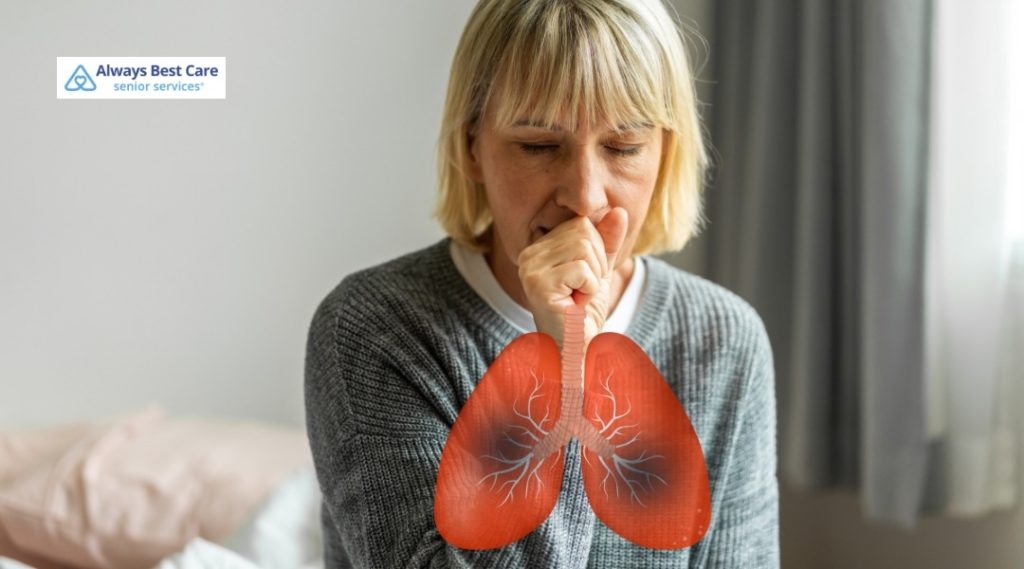
The lungs, like every other organ, change with age. Chest muscles weaken, lung tissue loses elasticity, and the airways become less effective at filtering out irritants. These changes do not always cause obvious symptoms at first, but they do make seniors more susceptible to respiratory infections and slower to recover from them.
Conditions that commonly affect older adults include:
- Chronic obstructive pulmonary disease (COPD)
- Asthma
- Pneumonia and bronchitis
- Sleep apnea
- Reduced overall lung capacity
What makes this especially important is the ripple effect. Compromised breathing impacts sleep, energy, cognitive function, and the ability to stay active, all of which are central to a senior’s quality of life.
Building a Lung-Friendly Home Environment
The air inside a home can be more polluted than outdoor air, particularly in older buildings or poorly ventilated spaces. For seniors with respiratory sensitivities, the home environment is one of the most controllable factors in their overall lung health.
Practical steps families can take:
- Replace HVAC filters every 1–3 months and consider HEPA-grade options
- Use an air purifier in frequently used rooms, especially the bedroom
- Eliminate or minimize exposure to tobacco smoke, including secondhand smoke
- Switch to fragrance-free or low-VOC cleaning products
- Keep humidity levels between 30–50% to prevent mold growth and dry airway irritation
- Vacuum and dust regularly, paying attention to upholstered furniture and carpets
Small environmental changes can make a meaningful difference, particularly for seniors managing chronic conditions.
Daily Habits That Strengthen Lung Health
Lifestyle plays a larger role in respiratory health than many people realize. Encouraging seniors to build consistent, lung-supportive habits can slow decline and even improve current function.
Habits worth prioritizing:
- Light daily movement: Walking, gentle yoga, or stretching helps maintain respiratory muscle strength and improves circulation
- Diaphragmatic breathing exercises: Practicing slow, deep breaths for a few minutes each day can increase lung capacity and reduce anxiety
- Staying hydrated: Adequate fluid intake keeps mucus thin and airways clear
- Nutrient-rich eating: Foods high in antioxidants, berries, leafy greens, and whole grains, support lung tissue health
- Staying current on vaccinations: Flu, pneumonia, and COVID-19 vaccines significantly reduce the risk of serious respiratory illness in older adults
Consistency matters more than intensity. Even modest daily efforts compound into real health benefits over time.
Managing Chronic Respiratory Conditions at Home
For seniors already living with a respiratory diagnosis, day-to-day management is critical. Poorly managed conditions can escalate quickly, leading to hospitalizations that might otherwise be avoided.
Effective management typically involves:
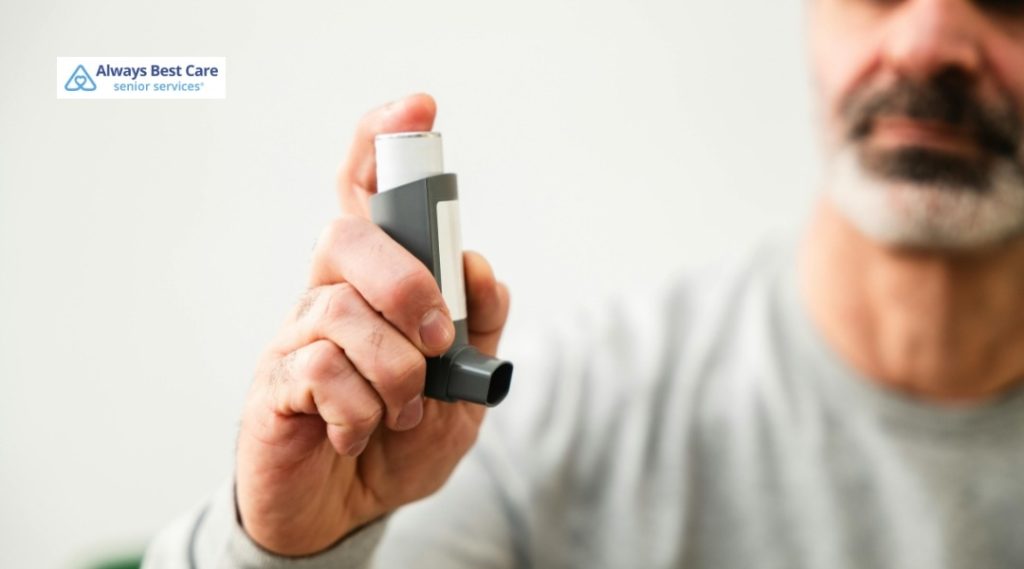
- Taking prescribed medications on schedule, including preventive inhalers
- Understanding how and when to use rescue medications
- Tracking symptoms in a simple daily log to identify patterns or early warning signs
- Attending regular follow-up appointments with a pulmonologist or primary care provider
- Having a written action plan for flare-ups, agreed upon with a healthcare provider
Family members and caregivers are often the first to notice when something is off. Staying informed and involved in a senior’s care routine can be genuinely life-saving.
Warning Signs That Require Immediate Attention
Knowing when to act quickly is just as important as daily prevention. Some respiratory symptoms signal an urgent need for medical evaluation.
Seek care promptly if a senior experiences:
- Sudden or worsening shortness of breath
- Persistent wheezing or a new, productive cough
- Chest tightness or pain
- Unusual fatigue, confusion, or disorientation
- Bluish tint to the lips, fingernails, or skin
These symptoms can indicate a serious event such as a respiratory infection, exacerbation of COPD, or cardiac involvement. Do not wait to see if they resolve on their own.

How Always Best Care of Pittsburgh Can Help
Respiratory health management at home is feasible, but much easier with consistent, knowledgeable support. Always Best Care of Pittsburgh provides in-home caregivers who help seniors maintain the routines and environment that support better breathing every day.
Our caregivers assist with:
- Medication reminders to ensure prescriptions are taken correctly and on time
- Light housekeeping to reduce dust, allergens, and indoor air pollutants
- Meal preparation focused on nutritious, lung-supportive foods
- Encouraging and accompanying seniors during light physical activity
- Monitoring for changes in symptoms and communicating concerns to family members
- Transportation to medical appointments and follow-up visits
For seniors with more complex needs, home health services can provide skilled nursing care and direct coordination with healthcare providers.
Frequently Asked Questions
Q: What are the most common respiratory conditions in seniors?
A: The most frequently diagnosed respiratory conditions in older adults include COPD, asthma, pneumonia, bronchitis, and sleep apnea. Many seniors live with more than one of these simultaneously, which makes consistent monitoring and management especially important.
Q: How can I tell if my elderly parent is having trouble breathing?
A: Watch for signs such as labored or noisy breathing, frequent pauses during conversation to catch their breath, complaints of chest tightness, persistent coughing, or unusual fatigue after minimal activity. If symptoms appear suddenly or seem to be worsening, seek medical attention right away.
Q: Can lung function improve with age, or only decline?
A: While some age-related decline is inevitable, lung function can be meaningfully supported through regular physical activity, breathing exercises, avoiding pollutants, and managing chronic conditions proactively. Many seniors see real improvements in stamina and comfort with consistent effort.
Q: What home changes make the biggest difference for seniors with respiratory issues?
A: Improving indoor air quality tends to have the most immediate impact. This includes using air purifiers, replacing air filters regularly, eliminating tobacco smoke, reducing chemical fragrances, and maintaining appropriate humidity levels. A cleaner breathing environment reduces irritation and the frequency of flare-ups.
Q: How does in-home care support respiratory health?
A: In-home caregivers help seniors stay on top of medications, maintain a clean living environment, eat well, stay active, and get to medical appointments. They also serve as an important early-warning system, noticing changes in a senior’s breathing or energy levels before they become serious problems.
Q: When should a senior with a respiratory condition go to the emergency room?
A: Emergency care should be sought if a senior experiences sudden severe shortness of breath, chest pain, confusion, a bluish color around the lips or fingertips, or if their usual rescue medications are not providing relief. These are signs of a potentially life-threatening situation that requires immediate attention.

Stronger Breaths, Brighter Days Ahead
Supporting a senior’s respiratory health is not just about managing illness; it is about preserving their ability to live fully and independently. Call Always Best Care of Pittsburgh today at (412) 639-8339 to schedule a free care consultation.
Link to the Markfown File version of the article