
Senior Scams: How to Recognize the Warning Signs and Protect Your Loved One in Pittsburgh
Scams aimed at older adults aren’t just annoying phone calls or odd emails anymore; they’re calculated schemes designed to drain savings and shake confidence. In Pittsburgh and beyond, many seniors are targeted because scammers see them as easy marks: polite, trusting, and sometimes not fully comfortable with fast-changing technology.
The upside? With some straight talk, a bit of vigilance, and a strong support system, we can dramatically lower the odds of a loved one falling victim to a senior scam. At Always Best Care of Pittsburgh, we’re committed to standing shoulder to shoulder with families to help protect the people who once protected us.
What you will learn:
- The most common senior scams in Pittsburgh and the warning signs that can help families spot trouble early.
- Why older adults are often targeted, and how trust, isolation, and unfamiliar technology can increase the risk of scams.
- Simple, practical ways families can help protect loved ones from scam calls, fake messages, and financial loss.
- How companionship, in-home care, and quick action can help seniors stay safer, more supported, and more confident at home.
Table of Contents
Why Seniors Are Often Targeted by Senior Scams
Scammers rarely act at random. They zero in on older adults because they often:
- Are naturally trusting and polite, even when a stranger calls out of the blue
- Have retirement savings or a steady income, making them attractive financial targets
- Live alone or feel isolated, which can lead to loneliness and a desire for connection
- Aren’t as familiar with digital threats, such as phishing links, fake websites, and spoofed phone numbers
Put all that together, and you’ve got a situation where a slick caller or convincing email can wedge its way into someone’s life before anyone realizes what’s happening.

Common Types of Senior Scams in Pittsburgh
Scammers use a bag of tricks that keeps evolving, but the basic plays are surprisingly familiar. Here are some of the biggest troublemakers.
Phone Scams
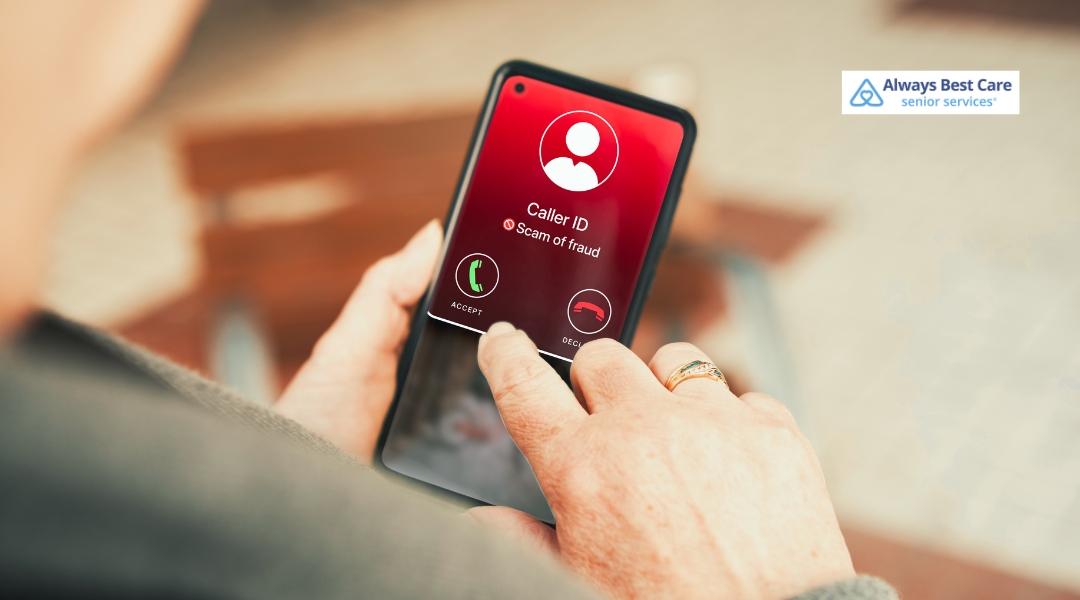
A classic, and still wildly effective. Scammers may pretend to be:
- Government agencies
- Utility companies
- Banks
- Or even a grandchild or other relative in trouble
They usually crank up the pressure: “Pay now or your power gets shut off,” or “Grandma, I need money for bail, don’t tell anyone.” The rush and fear are part of the con.
Email, Text, and Phishing Scams
These messages might look like they come from a:
- Bank or credit card company
- Healthcare provider
- Delivery service
- Well-known retailer
There’s often a link that leads to a fake website asking for login details, Social Security numbers, or account info. With one quick click, sensitive information can land in the wrong hands.

Sweepstakes and Lottery Scams
The pitch sounds exciting: “You’ve won a huge prize!” The catch? Your loved one is told they must pay “fees,” “taxes,” or “processing costs” to claim it. The prize never exists, but the money they send is very real.
Romance Scams
Scammers create fake profiles on dating sites or social media and slowly build what feels like a genuine relationship. Once trust is established, the request comes: money for an “emergency,” medical bills, or travel. The emotional hook makes this type of senior scam especially painful.
Tech Support Scams
A pop-up on the computer or a sudden phone call claims:
- There’s a virus on the computer
- The device will “shut down” if action isn’t taken
- Remote access is needed to “fix” the problem
From there, scammers may install harmful software, steal data, or demand payment for fake repairs.

Warning Signs of Senior Scams to Watch For
Most scams, no matter how polished, share the same red flags. If you’re seeing any of these, it’s time to hit pause.
- Requests for immediate payment or “act right now” pressure
- Demands to pay by gift cards, wire transfers, or cryptocurrency
- Unsolicited calls, emails, or texts asking for personal or financial information
- Messages that rely on fear, panic, or threats to push a decision
- Requests to keep the conversation secret from family or friends
If something feels off, it probably is. Taking a minute to verify can save months or years of stress.
How Families in Pittsburgh Can Help Protect Loved Ones
We don’t have to fight senior scams alone. Families can play a powerful role by turning small habits into strong safeguards.
Helpful steps include:
- Talking openly about common scams and sharing real-world examples
- Agreeing on a family “rule”: No money or personal information is given out without checking with someone first
- Reviewing bank and credit card statements for unusual charges
- Setting up call blocking, spam filters, and strong passwords
- Encouraging loved ones to hang up, delete, or ignore any contact that feels pushy or confusing
Just knowing they can come to us with questions, without judgment, can make seniors feel safer and more confident.

How In-Home Care Helps Prevent Senior Scams
Here’s where we at Always Best Care of Pittsburgh step in as an extra safety net. A trusted caregiver isn’t only there to help with day-to-day tasks; they can also be a quiet line of defense against senior scams.
We can help:
- Screen phone calls and unexpected visitors, spotting suspicious behavior early
- Notice changes in mood, spending, or anxiety that might hint at a scam
- Offer companionship, which cuts down on loneliness and makes seniors less likely to seek connection with strangers online or by phone
- Encourage regular communication with family members about money matters and unusual requests
By being present, observant, and supportive, we help reduce the isolation that scammers love to exploit.
What to Do If You Suspect a Senior Scam
Think something’s not right? Don’t shrug it off. Acting quickly can limit the damage and help your loved one feel supported instead of ashamed.
Consider these steps:
- Contact the bank or credit card company right away to freeze or flag accounts.
- Report the scam to local law enforcement or adult protective services.
- Keep an eye on all accounts for additional suspicious activity.
- Reassure your loved one that they’re not “foolish” or “at fault.” Scammers are professionals at deception.
Many older adults feel too embarrassed to speak up. A calm, compassionate response makes it more likely they’ll tell us what really happened.
Frequently Asked Questions
Q: How can I bring up senior scams without scaring my loved one?
A: Try framing it as “We’re hearing about more scams in Pittsburgh, and we want to watch out for each other.” Make it a team effort rather than a lecture.
Q: What’s the safest way for my loved one to handle unexpected calls asking for money or information?
A: Tell them it’s perfectly okay to hang up, look up the official number on their own, and call back. Legitimate companies and agencies won’t mind them confirming.
Q: Are all unfamiliar emails dangerous?
A: Not necessarily, but any email asking for passwords, Social Security numbers, or payment, especially with urgent language, should be treated with suspicion.
Q: How can Always Best Care of Pittsburgh help protect my loved one from scams?
A: We can keep an eye out for unusual calls, visitors, or financial worries, encourage open conversations, and offer companionship so they’re less likely to rely on strangers for support.
Q: What if a scam has already happened? Can anything still be done?
A: Yes. Contact financial institutions, report the scam, and monitor accounts. Sometimes funds can be recovered or future losses prevented, and emotional support is just as important.
Keeping Pittsburgh’s Seniors Scam‑Safe and Confident
Senior scams aren’t going away, but they don’t have to define our loved ones’ later years. With awareness, honest conversations, and the right support, we can push back against scammers and keep our families safer.
At Always Best Care of Pittsburgh, we’re dedicated to helping seniors live safely, comfortably, and confidently at home, while adding one more watchful, caring layer of protection against senior scams. If your loved one could use more companionship and support, reach out to us at (412) 639-8339. We’d be honored to walk that road with you.
Link to the Markdown File version of the article