

When Appetite Declines: Helping Seniors Eat Well in Pittsburgh

A funny thing happens as we age: the meals that once sparked excitement can slowly lose their charm. One day, your mom is asking what’s for dinner, and the next she’s pushing her plate away after just a few bites. It’s easy to shrug it off at first, but a steady decline in appetite can quietly chip away at a senior’s strength, mood, and independence.
In Pittsburgh, many families tell us they’ve noticed loved ones skipping breakfast, nibbling at lunch, or barely touching dinner. That’s where we step in. At Always Best Care of Pittsburgh, we help seniors stay nourished, comfortable, and confident at home, without turning mealtime into a chore or a lecture.
What you will learn:
- Why seniors in Pittsburgh may lose their appetite and which age‑related, emotional, and medical changes quietly influence mealtimes.
- How ongoing poor nutrition can affect strength, balance, energy, immunity, and everyday independence for older loved ones.
- Simple, caring ways to make meals more appealing and social so seniors feel more relaxed and interested in eating.
- How gentle, practical support from Always Best Care of Pittsburgh can help seniors eat well, feel stronger, and age comfortably at home.
Table of Contents
Why Appetite Declines with Age
Common Reasons Seniors Eat Less
As the years pile up, the body changes, and so does the way food feels, tastes, and smells. It’s not always just “picky eating.” Seniors may eat less because:
- Taste and smell aren’t as sharp – Food doesn’t have the same “wow” factor it once did.
- Digestion slows down – Large meals can feel heavy or uncomfortable.
- Activity levels drop – Less movement often means less hunger.
- Medications – Side effects like nausea, dry mouth, or changes in taste can turn off the desire to eat.
- Dental issues – Sore gums, missing teeth, or poorly fitting dentures make chewing a real hassle.
- Difficulty swallowing – Meals can feel stressful and unenjoyable.
- Health conditions – Ongoing illness can sap energy and appetite.
- Emotional changes – Depression, anxiety, or loneliness make food feel more like an obligation than a pleasure.
- Memory loss or confusion – Some seniors simply forget to eat or lose track of mealtimes.
Because several of these can show up at once, we encourage families to pay attention to gradual changes and talk with a trusted healthcare provider whenever something doesn’t feel right.

The Hidden Risks of Poor Nutrition
Eating “just a little less” doesn’t always seem like a big deal, but over time, it adds up. When seniors consistently aren’t getting enough nutrients, we often see:
- Unplanned weight loss
- Muscle weakness and trouble getting around
- Higher fall risk
- Fatigue and a constant lack of energy
- Slower healing after illness or injury
- A weakened immune system
Even mild under-eating can make everyday tasks feel harder and more tiring. That’s why we take changes in appetite seriously and gently help seniors get back to steady, satisfying meals.
Making Meals More Appealing
Simple Tweaks That Spark Interest in Food
Sometimes, it’s not about eating more; it’s about making each bite more enjoyable. We’ve found that small changes can bring seniors back to the table:
- Boost flavor with herbs and spices instead of relying only on salt.
- Play with colors and textures – a bright plate often looks more inviting.
- Serve familiar favorites – comfort foods can be a powerful motivator.
- Offer smaller portions more often – several mini meals can be less overwhelming than three big ones.
- Use nutrient-dense foods – so every mouthful counts nutritionally.
A senior might not want a full dinner, but a small, tasty plate of soup, yogurt, or scrambled eggs throughout the day. That’s often a different story.

Turning Mealtime Into a Social Event in Pittsburgh
Eating alone is, frankly, no fun. Over time, it can dull the appetite and make food feel optional. In the Pittsburgh area, we’ve seen how companionship at the table can change everything.
We encourage families and our caregivers to:
- Sit down and share meals instead of dropping off a plate and rushing out.
- Turn lunches and dinners into conversation time, not just “feeding time.”
- Enjoy tea or a light snack together in the afternoon just to make eating feel warm and social again.
Sometimes, the difference between an untouched plate and a finished meal is simply having someone at the table saying, “This smells good, doesn’t it?”
Spotting Signs of a Deeper Problem
When Should Families Be Concerned?
A slightly smaller appetite here and there isn’t unusual. But we urge families to watch for warning signs, such as:
- Noticeable weight loss
- Ongoing chewing or swallowing difficulties
- Mood changes, like sadness or withdrawal
- Frequent nausea or digestive discomfort
- Increased confusion or forgetfulness
If these show up alongside a decline in appetite, we encourage a visit with a healthcare provider. They can check for medication side effects, dental problems, or underlying health issues that might be getting in the way of eating well.

Focus on Nutrient-Rich Foods
When appetite shrinks, every bite matters more. We often guide families toward foods that pack a lot of nutrition into smaller portions, such as:
- Eggs
- Greek yogurt
- Lean meats and fish
- Nut butters
- Beans and other legumes
- Fresh fruits and vegetables
- Whole grains
Protein is especially important because it helps maintain muscle strength, which keeps seniors moving confidently and safely.
How Always Best Care of Pittsburgh Supports Seniors
Practical Help That Makes Eating Easier
As seniors age, staying well-fed isn’t always as simple as “just eat more.” That’s where we come in. At Always Best Care of Pittsburgh, we provide hands-on support that makes healthy eating feel manageable and comforting.
We help with:
- Meal planning and preparation – simple, tasty recipes that fit preferences and abilities
- Grocery shopping – choosing foods that are nutritious, appealing, and easy to handle
- Encouraging hydration – gentle reminders to drink water and other fluids throughout the day
- Monitoring eating habits – noticing subtle appetite changes before they snowball
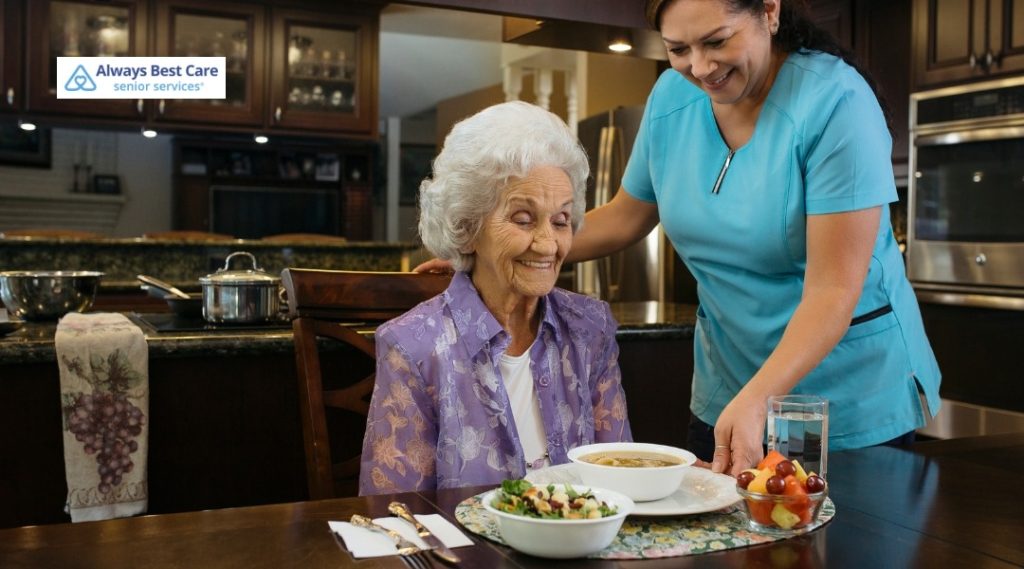
- Companionship at meals – sitting, chatting, and making mealtime feel like an event, not a task
- Sharing concerns with families – keeping loved ones in the loop about ongoing changes
We work alongside families to keep seniors in Pittsburgh nourished, supported, and comfortable at home, without pressure or guilt around food.
Supporting Healthy Eating and Healthy Aging in Pittsburgh
A declining appetite doesn’t have to mean declining health. With a bit of creativity, encouragement, and steady support from us at Always Best Care of Pittsburgh, seniors can continue to enjoy meaningful, satisfying meals and the many benefits of good nutrition.
When families feel worried about a loved one’s eating habits, they don’t have to tackle it alone. We’re here to help create a plan that fits your loved one’s tastes, routines, and comfort level, right in the familiar surroundings of home.
Frequently Asked Questions
Q: Is it normal for seniors to eat less as they age?
A: Some decrease in appetite can be part of aging, but ongoing low intake or sudden changes shouldn’t be ignored. It’s worth watching closely and talking with a healthcare provider if you’re concerned.
Q: What foods are best for seniors with a small appetite?
A: Soft, nutrient-rich options like eggs, Greek yogurt, soups, smoothies, nut butters, beans, fruits, and whole grains often work well because they’re easier to eat and provide more nutrition in smaller portions.
Q: How can we encourage a loved one in Pittsburgh to eat more?
A: Try smaller, more frequent meals, favorite foods, colorful plates, and plenty of companionship during mealtime. Often, eating with someone makes food more appealing than eating alone.
Q: How can Always Best Care of Pittsburgh help with nutrition?
A: We assist with meal planning, cooking, shopping, hydration, and mealtime companionship, while monitoring appetite changes and sharing concerns with families.
Q: When should we call a doctor about changes in appetite?
A: If you notice significant weight loss, ongoing trouble chewing or swallowing, mood shifts, persistent stomach issues, or increased confusion along with declining appetite, it’s wise to contact a healthcare provider.
Turning Mealtimes Back into Moments of Joy in Pittsburgh
Declining appetite can sneak up on seniors and families alike, turning mealtimes from a source of joy into a quiet worry. The good news is that with the right support, meals can become comforting, social, and nourishing again.
If you’re noticing smaller portions, skipped meals, or growing worries around the dinner table, you don’t have to handle it on your own. Reach out to Always Best Care of Pittsburgh at (412) 639-8339 today to schedule a friendly, no‑obligation consultation and discover how our compassionate caregivers can help your loved one eat better, feel stronger, and truly thrive in the comfort of home.
Link to the Markdown File version of the article