Preparing Seniors for the End of Daylight Saving Time
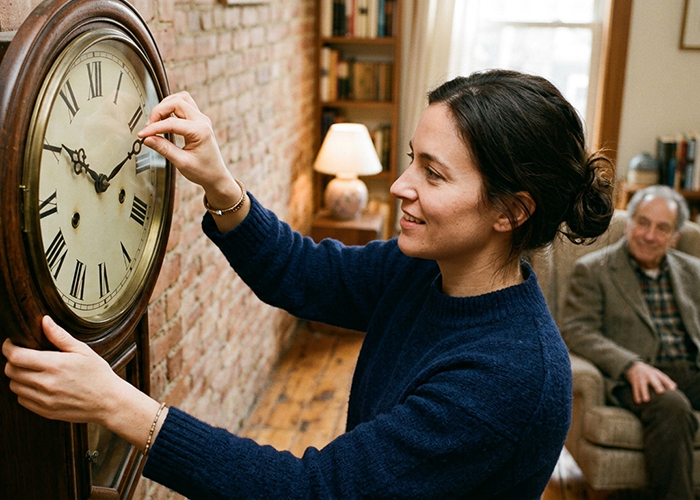
Getting an extra hour of sleep is one of the nice things about fall. However, when daylight saving time ends and the clocks go back, the change can be more disruptive than many people expect, especially for older adults.
It starts getting dark earlier, and mealtimes could end up feeling different. Sleep schedules tend to change, and routines for medications, activities, or evening errands may need to be adjusted. For seniors who already have trouble sleeping, changes in vision, mobility, or memory, even a one-hour shift can take time to get used to.
With some planning, the transition can be easier and help seniors stay safe, well-rested, and comfortable as the days get shorter.
Table of Contents
Ease Into the New Sleep Schedule
Our internal clocks are affected by light, daily routines, meals, and sleep habits. Setting the clock back an hour can temporarily throw off that rhythm.
A few days before the time change, it can help for seniors to slowly adjust their bedtime and wake-up time instead of changing everything at once. Keeping daytime routines the same can also make it easier for the body to adjust.
Getting morning sunlight can help reinforce the body’s natural sleep-wake cycle. Opening the curtains after waking up or spending time outside during the day can make it easier to settle into the new routine.
Try not to let naps get too long or happen too late in the day. An afternoon nap might be tempting after a bad night’s sleep, but it can make it harder to fall asleep that night.
Review Medication Routines
Many older adults take their medications on a set schedule, often tied to waking up, meals, or bedtime.
For most medications, the one-hour time change is not a problem. However, families should not change the timing of prescription medications without checking first, especially when exact timing matters.
Before the clocks change, look over your loved one’s medication schedule. If you are not sure whether a medication should stay at the same time or be changed gradually, ask the doctor or pharmacist.
This is also a good time to check that pill organizers, medication lists, and reminders are current.
Pay Attention to Earlier Darkness
One of the biggest changes is not about the clock. After daylight saving time ends, it gets dark much earlier.
For seniors with changes in vision, depth perception, or balance, less light can make it harder to move around the house.
Walk through your loved one’s home and check for spots that get dim in the late afternoon and evening. Pay special attention to hallways, stairs, bathrooms, entryways, and the path between the bedroom and bathroom.
Think about adding brighter bulbs where needed, using nightlights, and making sure light switches are easy to reach. Outdoor walkways and entrances should also have good lighting.
Rethink Evening Driving
Earlier sunsets can also impact seniors who drive.
Driving at night often gets harder with age. Headlight glare, lower contrast, and trouble seeing pedestrians, road markings, or obstacles can make a familiar drive feel very different after dark.
If your loved one does not feel comfortable driving at night, encourage them to plan errands and appointments earlier in the day when possible. Family, friends, community transportation, or professional caregivers may also be able to help with rides.
The goal is not to stop someone from driving, but to notice changing conditions and make choices that help them stay safe and confident.
Look for New Fall Hazards
Earlier darkness can raise the risk of falls both inside and outside the home.
Check that pathways are free of cords, clutter, loose rugs, or furniture that might be hard to see in low light. Outside, fallen leaves can hide uneven pavement, steps, or other hazards and can get slippery when wet.
Encourage seniors to wear supportive shoes and avoid hurrying to answer the door, get to the bathroom, or do other tasks in areas with poor lighting.
If your loved one begins limiting activity because they are afraid of falling after dark, take that concern seriously. Fear of falling can lead seniors to become less active, which may eventually affect strength, balance, and independence.
Be on the Lookout for Changes in Mood and Routine
Shorter days can affect more than just physical safety. Some seniors may spend less time outside, do fewer activities, or see friends less often once it gets dark earlier.
Watch for changes in mood, sleep, appetite, or interest in usual activities. Encourage daytime outings, regular phone calls, visits with friends and family, hobbies, and other ways to stay connected.
Having a steady routine can give helpful structure during this seasonal change.
A Small Change That Deserves a Little Preparation
Turning the clocks back only takes a moment, but getting used to darker evenings and a new daily routine can take more time. By planning ahead for sleep, medications, lighting, driving, and fall prevention, families can help make the change much easier for their older loved ones.
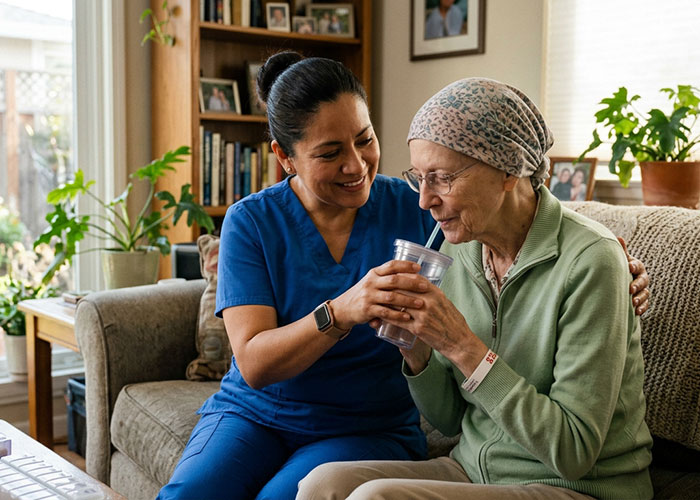
Always Best Care caregivers can offer companionship, rides, medication reminders, help with daily routines, and other personalized support to help seniors stay safe and independent as the seasons change.
If your loved one needs extra support at home this fall, call Always Best Care at (855) 470-2273 to set up a care consultation and learn more about our in-home care services.