

Supporting a Senior Through Chemotherapy: What Families Should Know
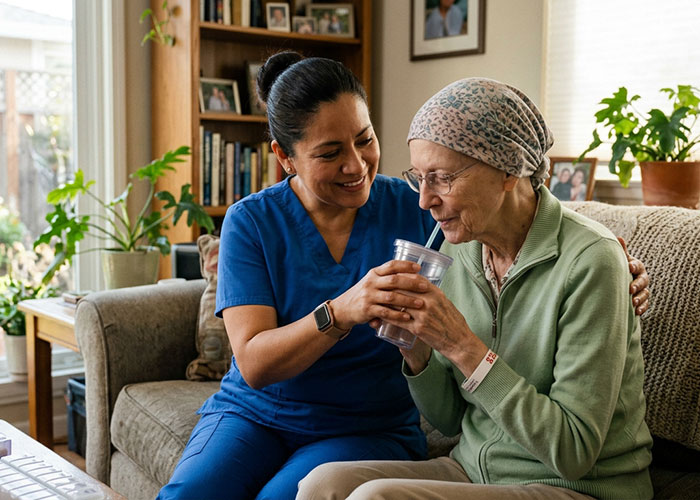
When a loved one starts chemotherapy, you naturally want to help. The real challenge is figuring out the best ways to support them.
For older adults, chemotherapy can impact much more than just the time spent at the clinic. Fatigue, appetite changes, nausea, weakness, and other side effects can make daily routines harder. Someone who was once independent may now need help with meals, getting around, errands, or household chores.
Families can help by learning what their loved one might go through and setting up support so the senior can focus on treatment and recovery.
Table of Contents
Expect Energy Levels to Change
Fatigue from cancer is not the same as just being tired after a long day. A senior might sleep all night but still wake up feeling worn out, or find that simple tasks now take much more effort.
Encourage your loved one to pay attention to how they feel instead of sticking to their usual routine. Some days will be better than others, and energy can change throughout treatment.
You can help by handling heavy chores, breaking tasks into smaller steps, and keeping important items within easy reach. If the senior feels up to it and their doctor says it’s okay, gentle movement can also be helpful.
Make Meals Easier
Chemotherapy can change how food tastes or smells and affect appetite. Nausea, mouth pain, stomach issues, or tiredness can make eating even harder.
Instead of big meals, try offering smaller portions throughout the day. Keep easy snacks on hand and notice what your loved one wants to eat, since their tastes may change during treatment.
Since nutrition needs can change a lot during cancer treatment, it’s important to follow advice from the oncology team or a dietitian, especially if your loved one is losing weight or having trouble eating.
Pay Attention to Hydration
It’s important to stay hydrated during chemotherapy, but this can be tough. Older adults might not feel as thirsty, and nausea or taste changes can make drinking less appealing.
Keep water and other approved drinks nearby, and offer fluids often instead of waiting for your loved one to ask. Foods with lots of water, like fruit, can also help if allowed.
If your loved one can’t keep fluids down, seems confused or dizzy, or shows signs of dehydration, call their healthcare provider right away.
Create a Plan for Appointments and Transportation
Chemotherapy usually means more than just treatment visits. Blood tests, scans, doctor appointments, pharmacy trips, and follow-up care can quickly fill up the schedule.
Driving can be hard on treatment days, especially if your loved one feels tired, weak, or is taking medicine that makes them less alert.
Try using a shared calendar to keep track of appointments and plan rides in advance. Bringing someone along to important visits can help with taking notes, asking questions, and remembering what the doctor says.
Take Infection Precautions Seriously
Some cancer treatments can weaken the immune system, so it’s harder to fight off infections. The oncology team will give advice based on your loved one’s treatment and health.
Everyday steps like washing hands often, staying away from people who are sick, following food safety tips, and cleaning surfaces can help prevent infection.
Families should know which symptoms mean it’s time to call the healthcare team. If your loved one has a fever or other signs of infection during chemotherapy, don’t wait—follow the oncology team’s instructions right away.
Don’t Overlook Emotional Support
Chemotherapy is tough both physically and emotionally. Worries about treatment, changes in appearance or independence, disrupted routines, and uncertainty about the future can all be hard to handle.
You don’t always have to know what to say. Sometimes just being there is the best support you can give.
Watch a favorite show together, sit outside on a nice day, or talk about things that have nothing to do with cancer. Give your loved one chances to feel like themselves, not just a patient.
If your loved one seems sad, anxious, withdrawn, or hopeless for a long time, encourage them to talk to their healthcare provider about getting more emotional or mental health support.
Let Others Help with the Everyday Things
Family members often try to do everything themselves, but cancer treatment can go on for weeks or months. Handling appointments, meals, chores, work, and other duties alone can quickly feel overwhelming.
This is when extra help can really make a difference.
Always Best Care caregivers can help with daily needs like making meals, light cleaning, rides, errands, medication reminders, and companionship. Reliable help at home gives seniors extra support and lets family caregivers rest, work, care for their own families, or just spend quality time with their loved one without always being on call.
Helping Your Loved One Through Treatment, One Day at a Time
There’s no perfect guide for helping someone through chemotherapy. Some weeks your loved one may need a lot of help, while other times they’ll want more independence. Staying flexible, talking openly, and noticing changing needs can help your family get through treatment together.
Most importantly, support doesn’t have to be complicated. A home-cooked meal, a ride to the doctor, a tidy house, or a few hours of company can make a tough day much easier.
If your family needs extra support while a senior loved one is going through cancer treatment, Always Best Care can help. Call (855) 470-2273 for a free consultation and to learn more about our personalized in-home care options.