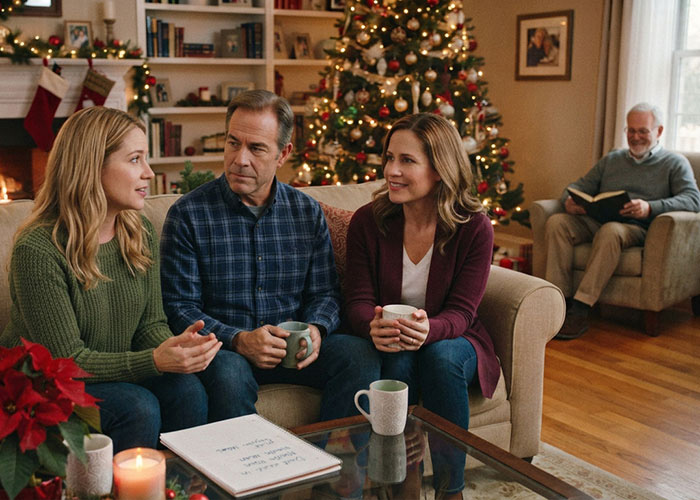

The Empty Chair at the Holiday Table: Helping Seniors Navigate Grief
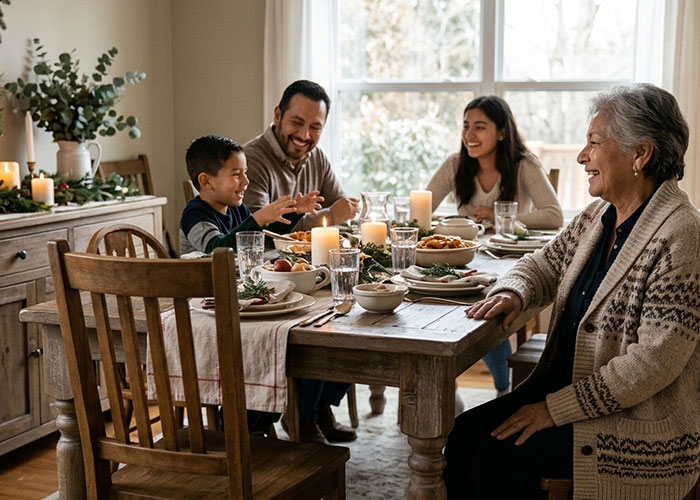
There are certain things we come to expect during the holidays. Familiar decorations, favorite recipes, family traditions, and the people who have always been part of our celebrations. But when someone is missing, even the happiest gatherings can feel different.
For seniors who have lost a spouse, sibling, close friend, or another loved one, the holidays can bring many emotions. A favorite Christmas song might bring sudden sadness. Making a traditional meal can feel overwhelming. An empty chair at the table can be a painful reminder of someone who is gone.
Grief is hard at any age, but older adults may face several losses, changes in family, and fewer chances to connect with others.
Families can’t take away the sadness, but they can help make the season a bit more comforting.
Understand That Grief Doesn’t Follow a Schedule
One of the most important things to remember is that grief doesn’t have an expiration date.
A senior who lost a spouse several years ago may still find the holidays difficult. Someone experiencing their first holiday season without a loved one may feel particularly overwhelmed.
Grief can also be unpredictable. Your parent might enjoy a family gathering one afternoon and feel deeply sad the following morning. They may laugh at a favorite memory and begin crying moments later.
These emotional changes don’t necessarily mean something is wrong. They can be part of the grieving process.
Rather than expecting your loved one to feel cheerful because it’s the holiday season, give them permission to experience whatever emotions arise.
Don’t Be Afraid to Talk About the Person Who Is Missing
Families sometimes avoid mentioning a deceased loved one because they worry about making an older relative upset.
But silence can make grief feel even lonelier.
For many seniors, hearing someone speak their loved one’s name or share a cherished memory can be comforting. It reassures them that the person they miss hasn’t been forgotten.
You might ask about a favorite holiday tradition, look through old photographs, or invite your loved one to share a story.
If your parent doesn’t feel like talking, respect that choice. The goal is to create opportunities for connection, not pressure someone into discussing painful memories.
Find Meaningful Ways to Honor Old Traditions
Holiday traditions often carry decades of memories. When someone dies, continuing those traditions may feel comforting, painful, or both.
Instead of assuming everything should remain the same, ask your loved one what they would prefer.
Some seniors may want to prepare a spouse’s favorite recipe or display a meaningful ornament. Others may find certain traditions too difficult and prefer to celebrate differently.
Families can also create simple opportunities for remembrance, such as:
- Lighting a candle in memory of a loved one
- Sharing favorite stories during a holiday meal
- Displaying a treasured photograph
- Making a donation to a meaningful charity
- Preparing a dish associated with the person who has passed away
These gestures can help families acknowledge their loss while continuing to create new memories together.
Make Room for New Traditions
Sometimes, the hardest part of the holidays is trying to recreate celebrations that can no longer be the same.
A senior who spent 40 years hosting Christmas dinner with a spouse may not want or feel able to do it alone. Someone who once loved big decorations may now prefer a smaller, quieter holiday.
That’s okay.
Encourage your loved one to participate in planning the holidays rather than making decisions for them.
Perhaps they would enjoy having dinner at a family member’s home, attending a holiday concert, or inviting a few friends over for coffee and dessert.
New traditions don’t replace the people we’ve lost. They simply make room for joy and connection alongside the memories.
Watch for Signs That Grief Is Becoming Overwhelming
Sadness during the holidays is understandable, but families should pay attention when grief begins interfering significantly with everyday life.
Warning signs may include persistent withdrawal from family and friends, major changes in sleep or appetite, difficulty managing daily responsibilities, or a loss of interest in nearly everything that once brought enjoyment.
These changes may indicate depression or another concern that deserves professional attention.
Encourage your loved one to speak with a healthcare provider or mental health professional if symptoms persist or become difficult to manage.
Grief is not something that needs to be fixed, but no one should have to navigate overwhelming emotional distress without support.
Remember That Companionship Matters Between Celebrations
Holiday gatherings can provide welcome opportunities for connection, but the quiet days between celebrations may be particularly difficult.
A senior who lives alone may spend Christmas surrounded by family, only to return to an empty house the following day.
Regular companionship can help reduce feelings of isolation during these quieter moments.
A phone call, afternoon visit, shared meal, or outing can provide something comforting to anticipate. Even simple activities like watching a favorite movie or taking a short walk together can make a difference.
For families who live far away or have demanding schedules, additional companionship support may be especially valuable.
How Always Best Care Can Help During the Holidays
At Always Best Care, we understand that seniors need more than assistance with everyday tasks. Emotional well-being and meaningful relationships are important parts of maintaining quality of life.
Our compassionate caregivers provide companionship and personalized in-home support that can be particularly helpful during the holiday season.
Whether that means helping prepare a favorite family recipe, providing transportation to a holiday gathering, assisting with decorations, or simply spending time talking and sharing memories, our caregivers help seniors remain connected to the activities and traditions that matter to them.
For families, knowing that a loved one has dependable companionship can also provide peace of mind during a busy and emotionally demanding season.
There Is Still Room for Joy Alongside Grief
The holidays may never feel quite the same after losing someone important. The empty chair may always be noticeable, and certain traditions may continue to bring tears.
But grief and joy can exist at the same time.
A senior can miss a loved one deeply and still enjoy a grandchild’s laughter, a favorite holiday meal, or a quiet evening with family. These moments don’t take away the loss. They remind us that meaningful connections and experiences are still possible.
This holiday season, one of the greatest gifts you can offer a grieving loved one is your presence, patience, and willingness to remember alongside them.
If an aging loved one could benefit from additional companionship and support during the holidays, Always Best Care is here to help. Call (855) 470-2273 to schedule a care consultation and learn how our personalized in-home care services can help seniors feel supported, connected, and cared for throughout the season.