Skilled Nursing & Wound Care at Home: What Round Rock Families Should Know
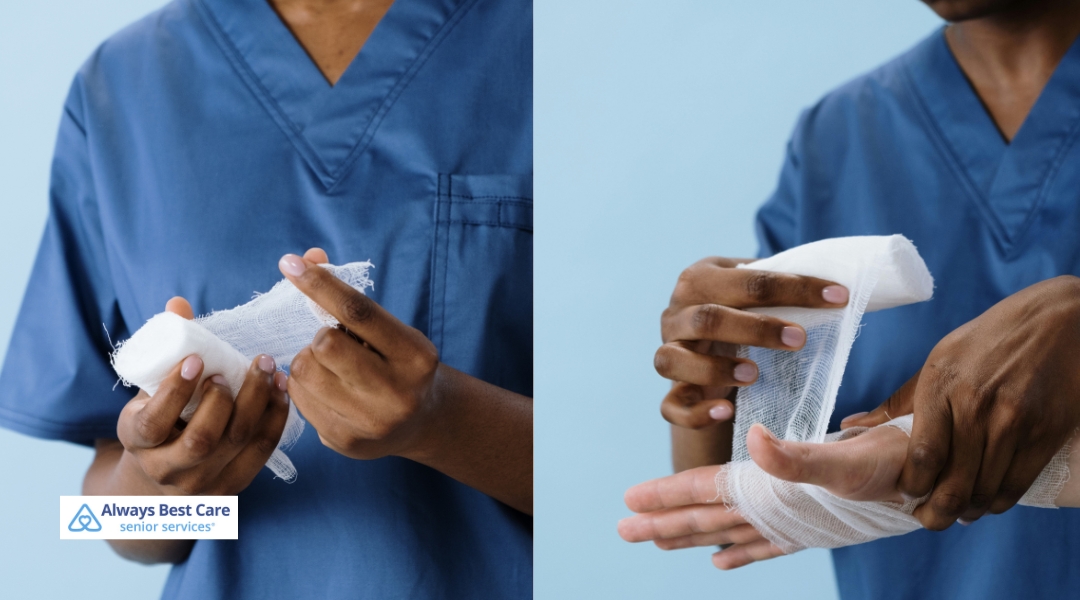
Healing from a wound at home sounds simple enough — keep it clean, cover it up, and let the body do its work. But for older adults, wound care is rarely that straightforward. Slower healing, chronic health conditions, and age-related skin changes can turn a minor injury into a serious medical concern if it is not managed properly.
Understanding when a wound can be treated at home and when skilled nursing is needed can make a real difference in how well and how quickly a senior recovers.
What you will learn:
- Why aging changes the way wounds heal and the common health factors that can slow recovery in older adults.
- Which types of wounds call for skilled nursing at home and the warning signs that mean it’s time to seek help right away.
- How skilled home health nurses and in-home caregivers work together to support safer, more comfortable healing.
- Simple but powerful steps families can take to help prevent pressure injuries before they ever start.
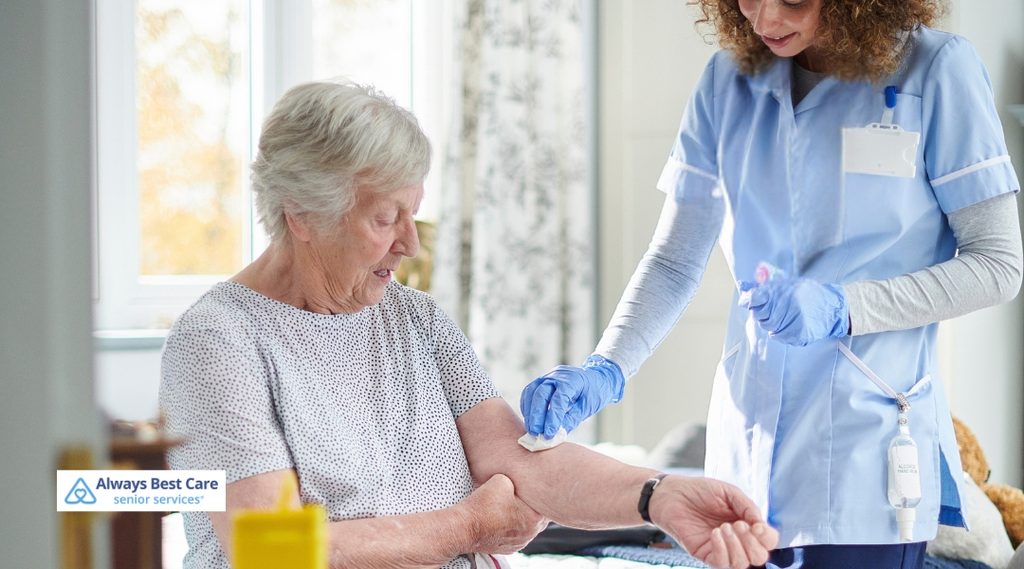
Table of Contents
How Aging Changes the Way Wounds Heal
The skin is the body’s first line of defense, and it changes significantly as we age. It becomes thinner, loses elasticity, and produces less of the natural oils that keep it resilient. This makes older adults more vulnerable to cuts, skin tears, and pressure injuries — and less equipped to recover from them quickly.
Beyond the skin itself, several factors can slow or complicate healing in seniors:
- Chronic conditions such as diabetes, peripheral artery disease, and heart failure reduce blood flow and oxygen delivery to tissues, both of which are essential for wound repair.
- Medications like blood thinners, steroids, and immunosuppressants can interfere with clotting and the body’s natural healing response.
- Nutritional deficiencies are common in older adults and can significantly delay tissue repair. Protein, vitamin C, zinc, and adequate hydration all play a direct role in wound healing.
- Reduced mobility increases the risk of pressure injuries and limits circulation to areas that need it most.
- Weakened immune function makes seniors more susceptible to infection, which can escalate quickly and become life-threatening if not caught early.
Nutrition also plays a critical role. According to Dietitians of America, adequate protein, vitamin C, zinc, and hydration are all essential to tissue repair, and many older adults do not consistently meet these needs.
Types of Wounds That Often Require Skilled Nursing
Some wounds are straightforward enough to manage with proper at-home care and guidance from a physician. Others require ongoing clinical assessment and treatment that goes beyond what most families can safely provide.
Skilled nursing is commonly recommended for:
- Post-surgical incisions that need monitoring for proper closure and signs of complications
- Pressure injuries (bedsores) at Stage 2 or higher, which involve open skin and require specialized dressing and repositioning protocols
- Diabetic foot ulcers, which carry a high risk of infection and amputation if not treated carefully
- Venous or arterial leg ulcers related to poor circulation
- Non-healing or chronic wounds that have not shown improvement after several weeks of standard care
- Burns beyond minor first-degree injuries
- Wounds with signs of infection that require antibiotic therapy or debridement
Seniors with diabetes, compromised immune systems, or circulatory conditions are at higher risk and should be monitored closely. The American Diabetes Association notes that foot wounds in people with diabetes can deteriorate quickly and should never be left unassessed.
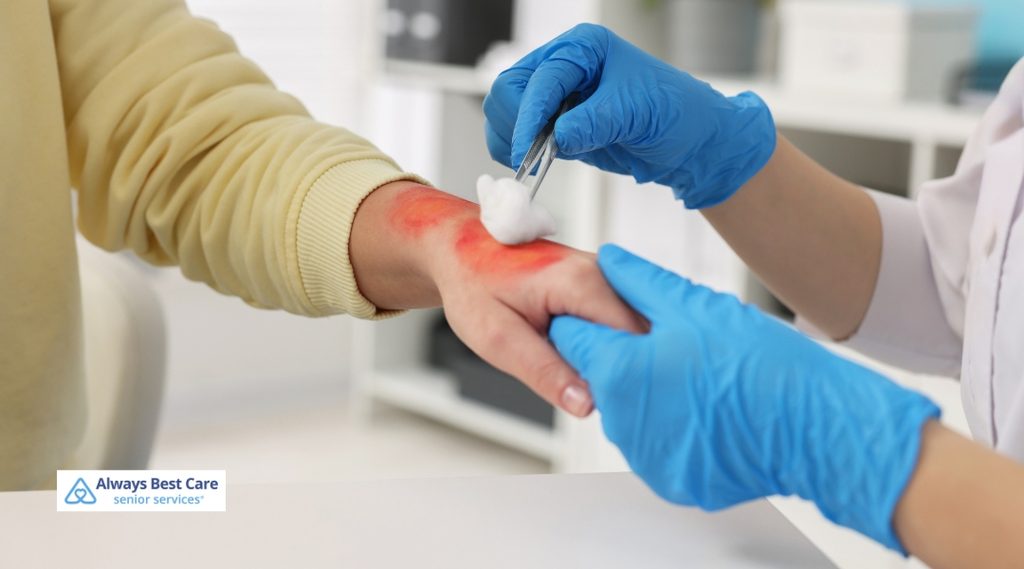
Warning Signs That a Wound Needs Immediate Attention
Knowing what to watch for between nursing visits — or before care has been arranged — is critical. Contact a healthcare provider promptly if you notice any of the following:
- Increasing redness, warmth, or swelling around the wound
- Pus, unusual drainage, or a foul odor
- The wound edges pulling apart or the wound growing larger
- Skin that appears dark, discolored, or feels numb around the wound
- Fever, chills, or confusion — which may signal a systemic infection
- A sudden decline in the senior’s overall energy or alertness
Seniors with diabetes, compromised immune systems, or circulation issues are at especially high risk for rapid deterioration. When in doubt, seek medical advice rather than waiting to see if things improve.
What a Skilled Home Health Nurse Does for Wound Care in Round Rock
When a physician orders skilled nursing as part of a home health plan, a licensed nurse visits the senior at home to provide clinical wound care based on the prescribed treatment plan.
Skilled nursing services for wound care may include:
- Wound assessment — evaluating the size, depth, tissue type, and healing progress at each visit
- Wound cleaning and debridement — removing debris or damaged tissue that can slow healing or harbor bacteria
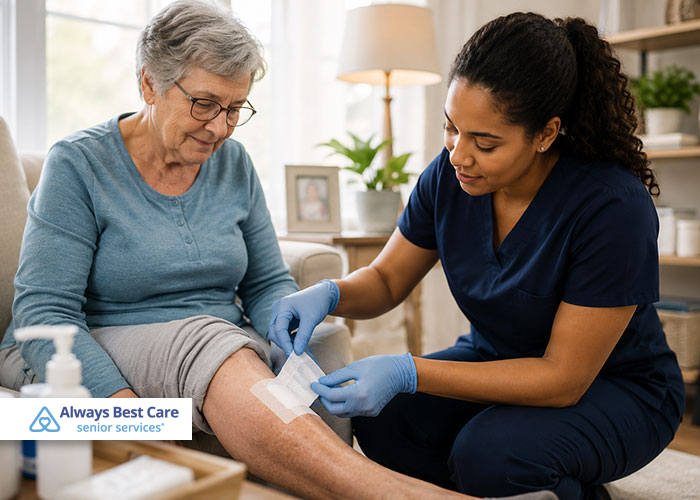
- Dressing changes — selecting and applying the appropriate wound dressing based on the wound type and stage
- Infection monitoring — identifying early warning signs and communicating them to the physician
- Medication management — administering or coordinating topical or oral treatments as ordered
- Patient and family education — teaching caregivers how to care for the wound between visits and what changes to report
- Care coordination — keeping the broader healthcare team informed of the senior’s progress
Having a skilled nurse involved is particularly valuable after a hospital discharge, surgery, or a period of rehabilitation, when wounds are often at their most vulnerable and families may feel uncertain about what to do.
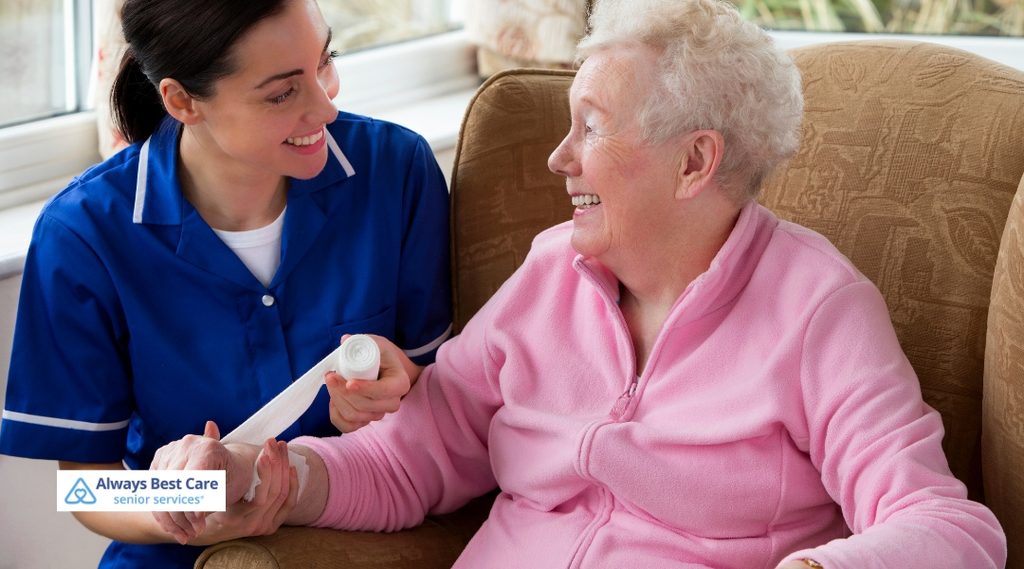
Preventing Pressure Injuries Before They Start
For seniors with limited mobility, prevention is just as important as treatment. Pressure injuries develop when sustained pressure cuts off blood flow to the skin — most often over bony areas like the heels, hips, tailbone, and elbows.
A skilled nurse or home health team can help establish a prevention plan that may include:
- Regular repositioning schedules for seniors who are bedridden or spend long periods in a wheelchair
- Skin inspection routines to catch early-stage changes before they progress
- Pressure-relieving mattresses, cushions, or heel protectors
- Nutritional support to ensure the skin has the building blocks it needs to stay healthy
- Moisture management to prevent skin breakdown from incontinence or perspiration
Health America recognises pressure injuries as a significant patient safety concern, particularly for older adults receiving care at home or in long-term settings.
How In-Home Caregivers Support the Healing Process
Skilled nursing addresses the clinical side of wound care, but recovery also depends on how well a senior is supported throughout the day. In-home caregivers can fill that gap by helping with:
- Meal preparation to ensure the senior is eating a nutritious, healing-supportive diet
- Hydration reminders, which are easy to overlook but essential for tissue repair
- Personal hygiene and bathing assistance to keep the wound area clean and reduce infection risk
- Mobility support to help with repositioning and safe movement around the home
- Medication reminders so treatments are taken consistently and on schedule
- Observation and communication — noticing changes in the senior’s condition and relaying them to family or the nursing team
When home health and in-home care work in coordination, seniors receive both the medical expertise and the day-to-day support they need to heal safely and comfortably.
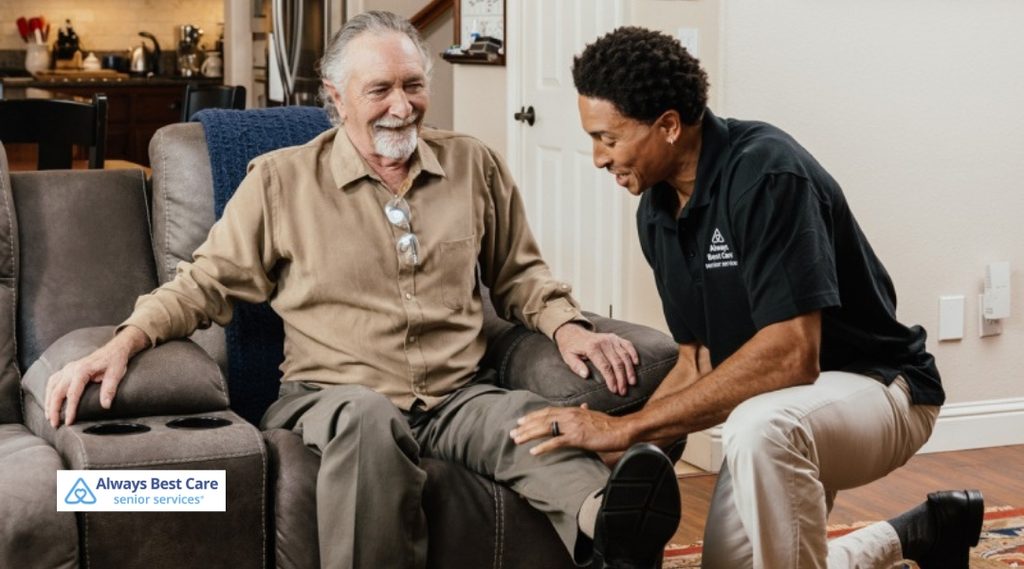
Supporting Safer Recovery at Home in Round Rock
Complex wound care does not have to fall entirely on families. With the right professional support in place, seniors can receive high-quality wound care without leaving the comfort of home.
Always Best Care of Round Rock offers services designed to help older adults recover safely and stay supported throughout the healing process. Depending on your loved one’s needs and what is available in your area, services may include skilled nursing for medical wound care and in-home caregivers for daily living assistance.
If your loved one is managing a wound, recovering from surgery, or dealing with a chronic condition that affects healing, reach out to Always Best Care of Round Rock at (512)547-3566 to schedule a care consultation and explore your options.
Frequently Asked Questions
Q: How do I know if a wound needs a nurse or if I can treat it at home?
A: Minor wounds — small cuts, superficial scrapes, or first-degree burns — can often be managed at home with proper cleaning and dressing. However, if the wound is deep, not healing within a reasonable timeframe, showing signs of infection, or involves a chronic condition like diabetes, it is best to consult a physician. They can determine whether skilled nursing is appropriate.
Q: Does Medicare cover home health wound care?
A: Medicare Part A and Part B may cover skilled nursing for wound care if a physician certifies that the care is medically necessary and the patient meets homebound criteria. Coverage specifics vary, so it is important to confirm eligibility with your healthcare provider and insurance plan.
Q: How often will a home health nurse visit for wound care?
A: Visit frequency depends on the type and severity of the wound, the physician’s orders, and how the wound is progressing. Some wounds require daily visits initially, while others may only need a nurse a few times per week. The schedule is adjusted as healing progresses.
Q: Can a family caregiver change wound dressings between nursing visits?
A: In many cases, yes — with proper instruction from the nurse. A skilled home health nurse will teach family caregivers how to safely change dressings, what to watch for, and when to call for help. However, some wounds require clinical expertise and should only be treated by a licensed professional.
Q: What is the difference between home health and in-home care for wound healing?
A: Home health refers to medically supervised services — such as skilled nursing — ordered by a physician. In-home care refers to non-medical support with daily tasks like meals, personal care, and mobility. Both can work together to provide comprehensive support during recovery.
Q: How long does wound healing take for seniors?
A: Healing time varies widely depending on the wound type, the senior’s overall health, and how well the wound is managed. Chronic wounds or those complicated by diabetes or poor circulation can take weeks to months. Consistent skilled care and proper nutrition can help optimize the healing timeline.
Link to the Markdown File version of this article.