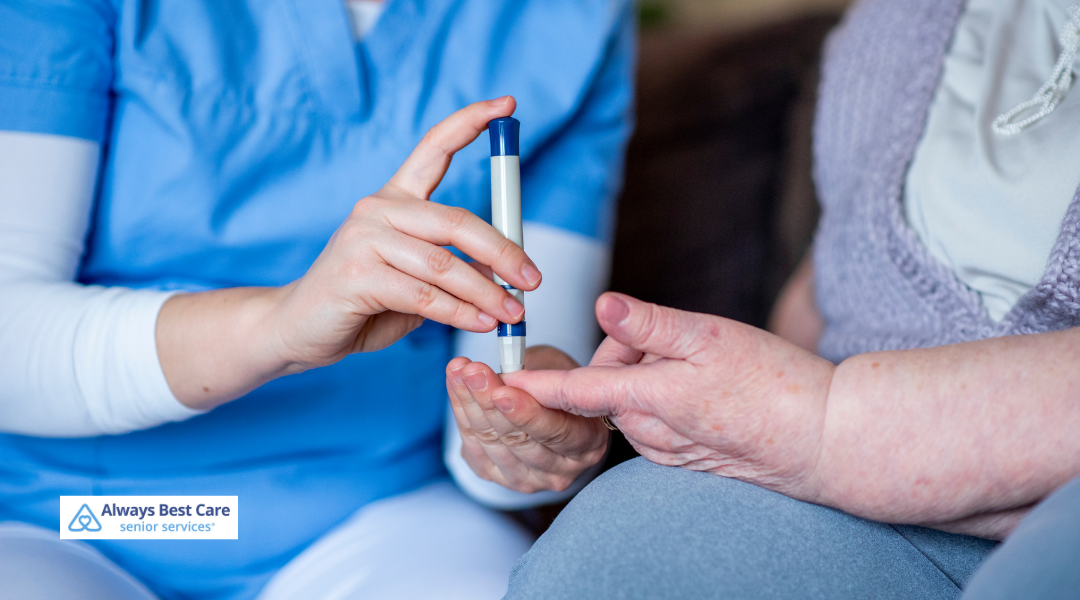

How Companion Care Helps Seattle Stroke Survivors Stay Engaged and Motivated

When people think about stroke recovery, they often picture physical progress, like walking again, regaining strength in an arm, or relearning daily tasks. These goals matter, but a stroke can also change how a person feels about themselves and their place in the world.
A senior who was once independent may now hesitate to leave the house, avoid phone calls because speech feels difficult, or skip activities they used to enjoy. Days can begin to feel long and quiet. Over time, losing confidence, routine, and connection can make it harder to stay motivated in recovery.
For Seattle families, companion care offers a way to bring structure, conversation, and encouragement back into a loved one’s day.

Table of Contents
What Companion Care Looks Like
Companion care is non-medical, in-home support focused on social connection and help with everyday routines. A companion gets to know your loved one’s personality, interests, and pace, then builds time together around what matters to them.
Companion care does not replace physical, occupational, or speech therapy, and it does not provide medical treatment. It fills a different need: the hours between appointments, when encouragement and company can make a real difference in how the day feels.
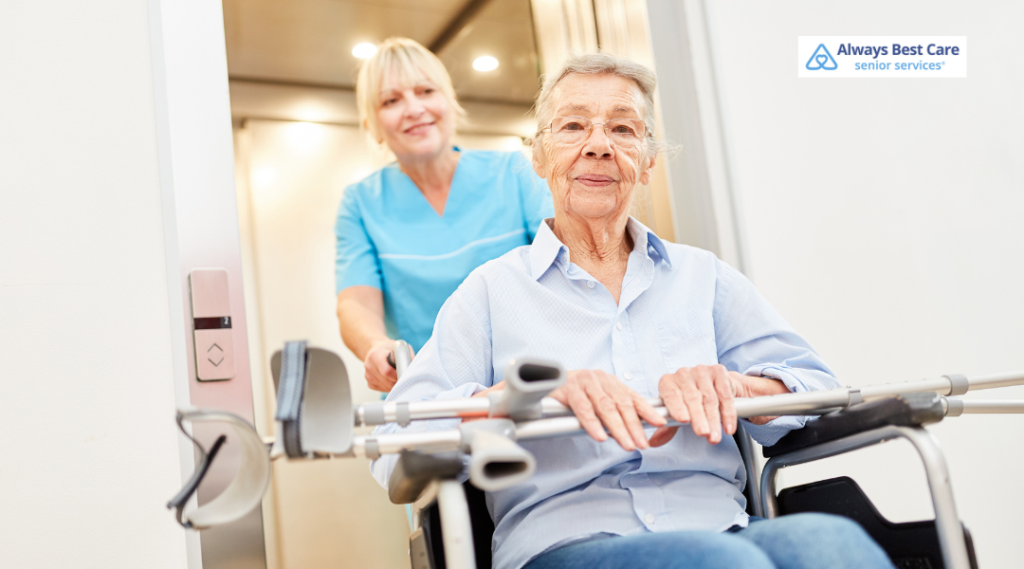
Rebuilding Confidence One Day at a Time
After a stroke, many survivors become cautious about trying things on their own. They may worry about making mistakes, feeling embarrassed, or needing help in front of others.
A companion can help rebuild confidence gradually. By offering patient support during familiar tasks, such as preparing a simple snack, folding laundry, or sorting mail, a companion gives your loved one chances to succeed. Each small success can encourage them to take on a little more.
A companion also avoids doing everything for the survivor. Instead, they offer help when it is needed and step back when your loved one can manage on their own, within the guidance of the care team.
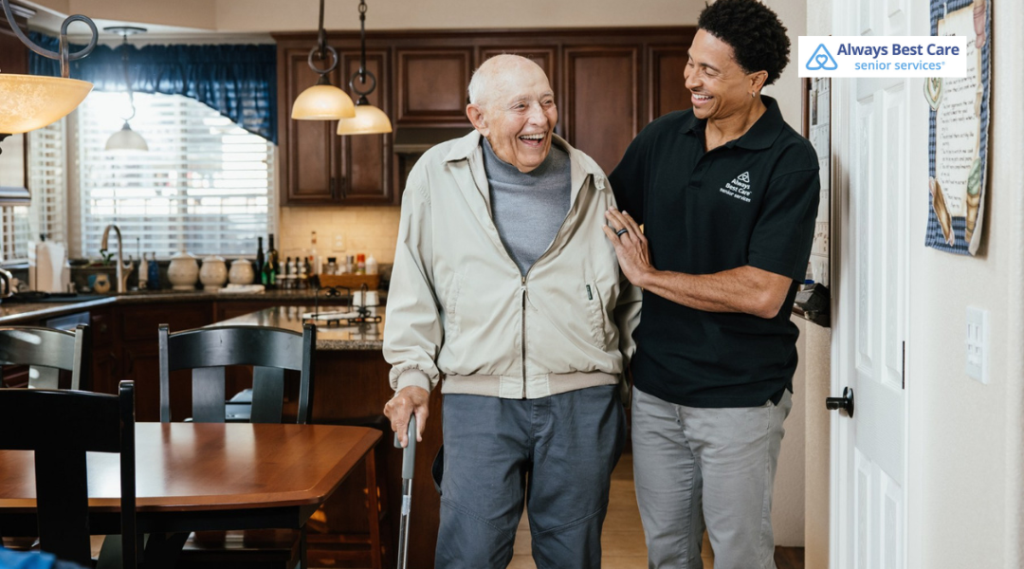
Conversation That Keeps Connection Alive
Regular conversation helps a stroke survivor feel seen, heard, and involved. A companion can talk about family news, local happenings, sports, books, travel memories, or anything your loved one enjoys.
When a stroke has affected speech or understanding, conversation needs patience. A companion can speak clearly, allow extra time for responses, use yes-or-no questions when helpful, and keep the mood calm and unhurried. If a speech therapist has recommended communication strategies, families can share them with the companion so everyone uses the same approach.
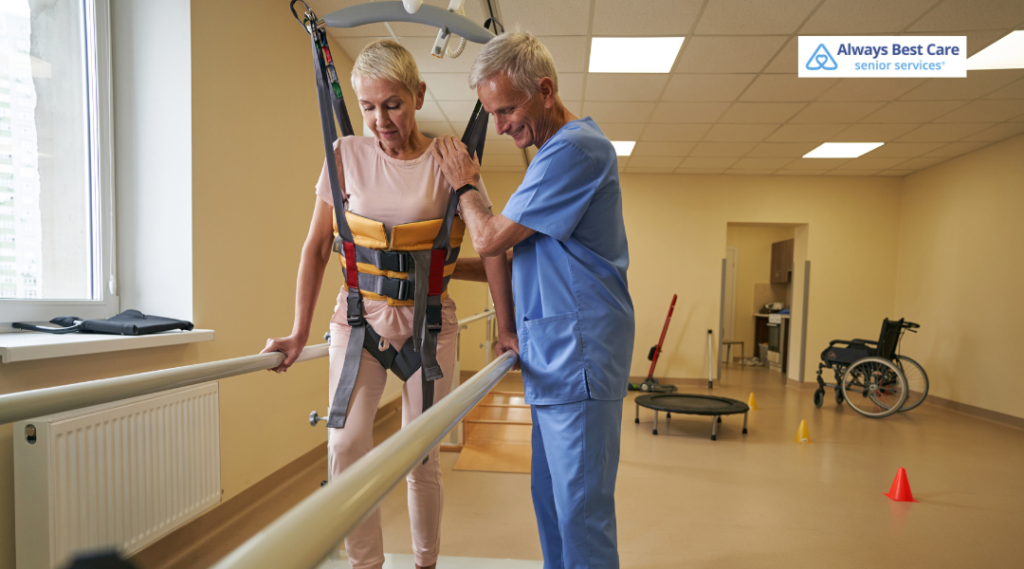
Shared Activities With Purpose
Shared activities give the day shape and give your loved one something to look forward to. A companion can help adapt favorite pastimes so they feel manageable rather than discouraging.
Activities may include:
- Reading the newspaper or a favorite book aloud
- Playing cards, board games, or word games
- Working on a puzzle or simple craft
- Listening to music or a favorite podcast
- Watching a game or classic film together
- Writing cards or emails to friends and family
- Caring for indoor plants or a small balcony garden
- Short outings, when approved by the care team
The focus is on enjoyment and participation, not on how quickly or perfectly something gets done.
Staying Engaged Through Seattle’s Gray Season
Seattle’s long, cloudy months and shorter winter days can make it tempting to stay indoors. For a stroke survivor, damp weather and early darkness can add to isolation and make motivation harder to maintain.
A companion can help keep days active even when the weather is dreary. They can plan indoor activities, open curtains to let in available daylight, and keep a predictable routine that includes meals, conversation, and time for hobbies. When weather and health allow, a companion can also help with transportation to appointments, errands, a library visit, or a coffee outing in the neighborhood.
Support With Everyday Routines
Daily routines give structure to recovery. When those routines slip, it is easy for a survivor to lose momentum.
A companion can help keep the day on track by assisting with light meal preparation, tidying up, running errands, and offering reminders for appointments. When the healthcare team has recommended home exercises or daily activities, a companion can offer friendly encouragement and keep your loved one company while they follow that plan.
A companion should also know the warning signs of another stroke. If sudden facial drooping, arm weakness, slurred speech, balance problems, or vision changes appear, the right step is to call 911 immediately.

Reducing Isolation for the Survivor
Isolation can develop quietly after a stroke. Friends may visit less often, driving may no longer be an option, and social activities may feel too tiring or complicated.
Regular companion visits give your loved one dependable social contact. Knowing someone will arrive, ask how they are doing, and spend time with them can make a home feel less lonely. Over time, a companion can also help your loved one reconnect with others, whether that means scheduling a video call with grandchildren or helping them attend a community event.
Confidence for Family Caregivers
Many Seattle families juggle demanding jobs, long commutes, and responsibilities at home. Some live in other parts of the region or across the country. Worrying about a loved one spending hours alone during recovery can weigh heavily.
Companion care gives families greater confidence that their loved one has regular company and support. Companions can share updates after visits, mention which activities went well, and flag any changes worth discussing with the healthcare team.
Companion care does not replace family involvement. It adds a steady source of support so family time can focus on connection rather than constant checking in.
Setting Up a Companion Care Plan
A thoughtful companion care plan begins with understanding the person. When arranging services, consider:
- Your loved one’s interests, hobbies, and routines before the stroke
- The times of day that feel most lonely or difficult
- Speech, memory, or communication changes
- Mobility needs and any safety recommendations
- Guidance from the discharge plan or therapy team
- How often visits would be most helpful
A consistent schedule helps your loved one build a comfortable relationship with their companion and know what to expect each week.

How Always Best Care of Seattle Can Help
Always Best Care of Seattle provides non-medical in-home care services that may include companionship, conversation, shared activities, meal preparation, light housekeeping, errands, transportation, and help maintaining daily routines.
During your consultation, share your loved one’s interests, recovery goals, communication needs, and any mobility concerns. The team can then recommend support that fits your loved one’s needs and your family’s schedule.
FAQ
Q: How is companion care different from therapy?
A: Companion care is non-medical support focused on social connection, encouragement, and everyday routines. Therapy is provided by licensed professionals who guide physical, occupational, or speech recovery.
Q: Can a companion help my loved one get out of the house?
A: Yes, depending on the care arrangement and your loved one’s abilities. A companion may help with transportation to appointments, errands, and community outings approved by the care team.
Q: What if my loved one does not feel like talking?
A: A companion can follow your loved one’s lead. Quiet activities, such as listening to music, watching a program, or simply sitting together, can still provide comfort and connection.
Q: How can companion care help family caregivers?
A: It provides regular support and company when family members cannot be there. Updates from the companion can help families stay informed and involved.
Q: What should a companion do if stroke symptoms appear?
A: Call 911 immediately. Sudden new symptoms require emergency care, even if they seem mild or improve.
Help Your Loved One Feel Connected Again
Stroke recovery is about more than regaining movement. Confidence, routine, and connection all play a part in helping a survivor stay engaged and motivated.
Contact Always Best Care of Seattle to schedule a consultation and learn how companion care can support your loved one at home. Contact Always Best Care of Seattle at (206) 922-3795 to learn more and schedule your free consultation.
Link to the markdown version of this blog.