Wound Care at Home: When Is Skilled Nursing Needed in Shalimar, FL?
A small cut can turn into a big headache faster than folks expect, especially for older adults. Healing often slows with age, and that means some wounds need more than a bandage and a little patience.
For families in Shalimar, FL, knowing when basic wound care is enough—and when skilled nursing should step in—can make recovery feel safer and far less stressful. This guide shares the signs to watch for, simple prevention habits, and the supportive role skilled nursing and in-home care can play along the way.
What You Will Learn
- Why wounds can become more difficult to manage and slower to heal for older adults at home.
- Which wound types and warning signs may mean a loved one needs prompt medical attention or skilled nursing support.
- How skilled nursing and in-home caregiving can work together to make recovery safer and more comfortable.
- Simple, caring ways families can help prevent pressure injuries and protect a loved one’s skin.
Table of Contents
Why Wound Care at Home Can Get Tricky for Seniors
As skin ages, it gets thinner and more fragile, so even a minor scrape can turn stubborn. Add slower healing, limited movement, or health issues like diabetes and poor circulation, and a simple wound may turn into a real concern.
A few common roadblocks include:
- Slower healing
- Higher infection risk
- Trouble reaching or cleaning the wound
- Poor nutrition or dehydration
- Ongoing health conditions that make recovery harder
Signs a Wound Needs Skilled Nursing
Some wounds can be managed at home with basic care, but others need a trained nurse to keep an eye on them. In Shalimar, FL, skilled nursing may be needed for wounds such as:
- Surgical incisions that still need monitoring
- Pressure injuries or bedsores
- Diabetic foot ulcers
- Wounds tied to poor circulation
- Skin tears that won’t close easily
- Burns or deeper injuries
- Chronic wounds that keep dragging on
If a wound isn’t improving or keeps getting worse, it’s time to bring in medical help.
Warning Signs That Shouldn’t Be Ignored
A wound can look harmless at first and still be trouble brewing. Watch for:
- More redness around the area
- Warmth or swelling
- Rising pain
- Drainage or pus
- A bad smell
- Skin that looks different from day to day
- Fever or chills
- Confusion or a sudden drop in energy
These signs may point to infection or another problem that needs quick attention. Seniors with diabetes or circulation issues need close watching, since things can go south fast.
What Skilled Nursing Does for Wound Care at Home in Shalimar, FL
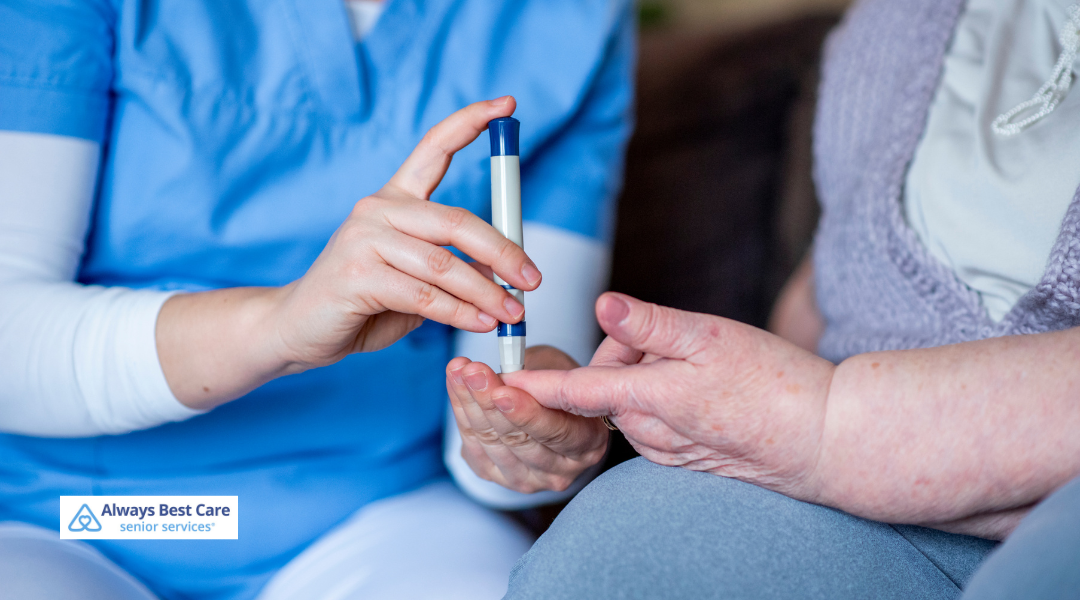
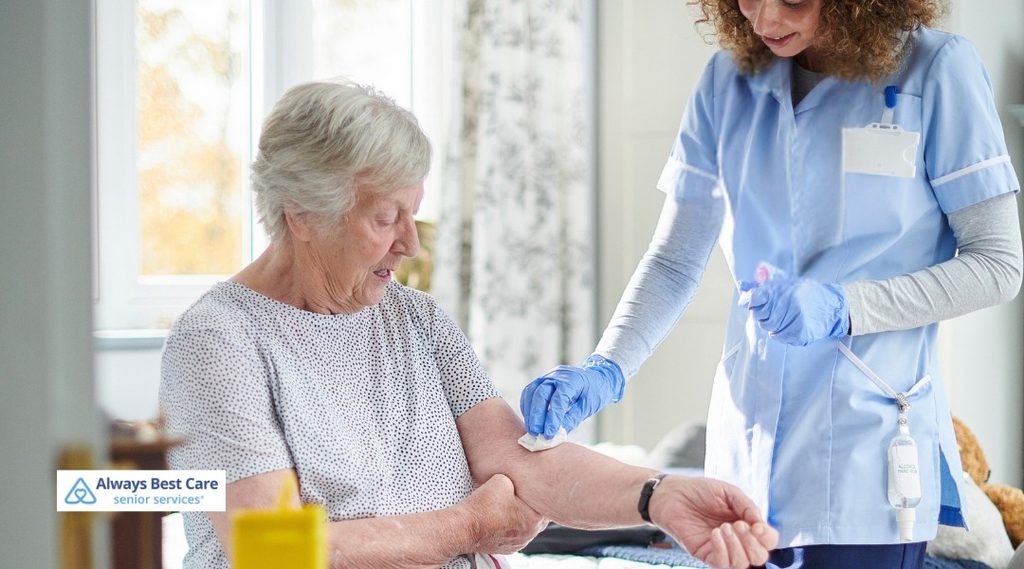
A home health nurse follows the care plan from the doctor and handles the medical side of healing right at home. That can make a world of difference after surgery, rehab, or a hospital stay.
Skilled nursing may include:
- Checking the wound and tracking healing
- Cleaning the wound as directed
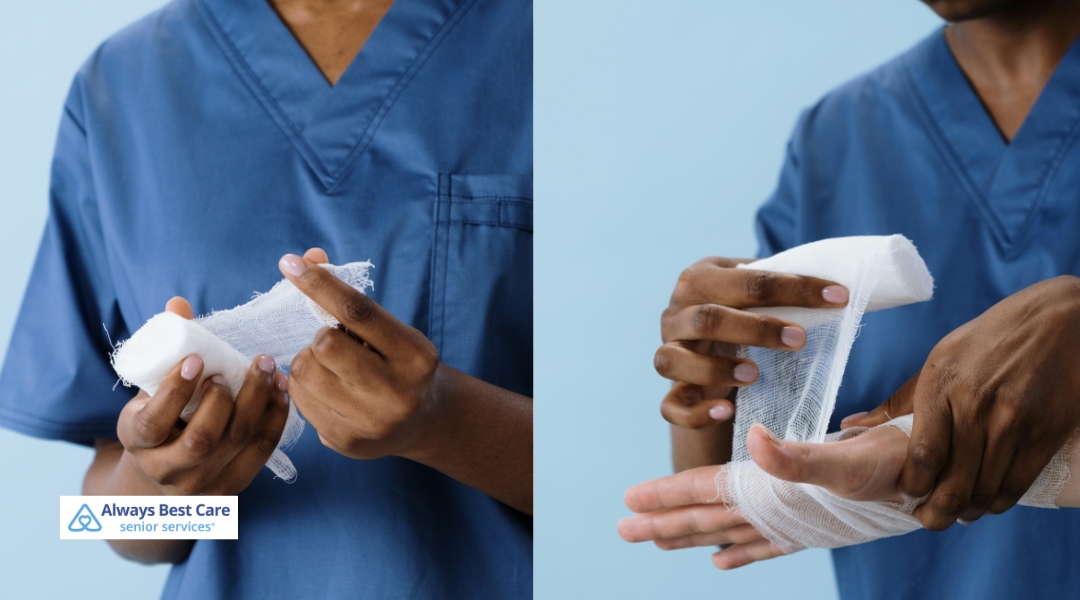
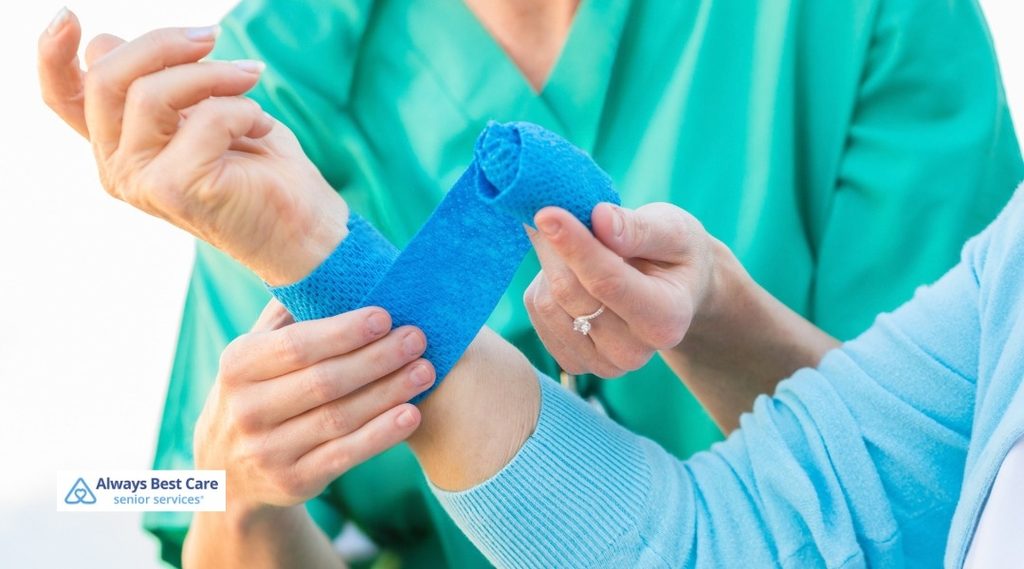
- Changing dressings
- Watching for infection
- Teaching family members how to help
- Reporting changes to the care team
That hands-on support can take a load off families and help a loved one heal with less stress.
How to Help Prevent Pressure Injuries at Home
For seniors who spend a lot of time in bed or in a chair, prevention matters just as much as treatment. Pressure injuries often show up on the heels, hips, tailbone, and elbows.
Helpful habits include:
- Changing positions often
- Keeping skin clean and dry
- Using cushions or other pressure-relief items
- Making sure meals and fluids are enough
- Checking skin daily for red or sore spots
A little prevention now can save a lot of trouble later.
How In-Home Care and Skilled Nursing Can Work Together
Skilled nursing handles the medical part, but daily life still needs tending. That’s where in-home care can step in and lend a hand.
In-home caregivers may help with:
- Meals and hydration
- Bathing and dressing
- Light housekeeping
- Safe movement around the home
- Medication reminders
- Noticing changes and sharing them with family
Working side by side, these services can make recovery feel a lot less overwhelming.
Frequently Asked Questions
Q: Can a small wound be treated at home?
A: Yes, many small cuts and scrapes can be cared for at home. Still, if the wound gets worse or doesn’t heal, it may need skilled nursing.
Q: How do we know if a wound is infected?
A: Look for redness, swelling, warmth, pain, drainage, or a bad smell. Fever or confusion can also be warning signs.
Q: Do all senior wounds need a nurse?
A: No, not all of them. But wounds that are deep, slow to heal, or linked to health issues often need professional care.
Q: Can home support help after surgery?
A: Yes, absolutely. Skilled nursing can manage the wound, while in-home care can help with everyday tasks during recovery.
A Safer Path to Healing at Home
Wound Care at Home can work well for simple injuries, but seniors often need extra support when healing gets complicated. In Shalimar, FL, skilled nursing can help manage wounds safely, catch problems early, and give families peace of mind. Always Best Care of Shalimar is here to help us support recovery at home with care that fits the situation.
If your loved one is recovering from a wound, surgery, hospital stay, or health setback, reach out to Always Best Care of Shalimar at (850) 797-8710. Our compassionate team can discuss your family’s needs and help you explore in-home support options that make recovery feel safer, smoother, and more manageable.
Link to the Markarkdown File version of the article