Elder Abuse Prevention: Protecting Seniors and Promoting Safe, Respectful Care in Shalimar, FL
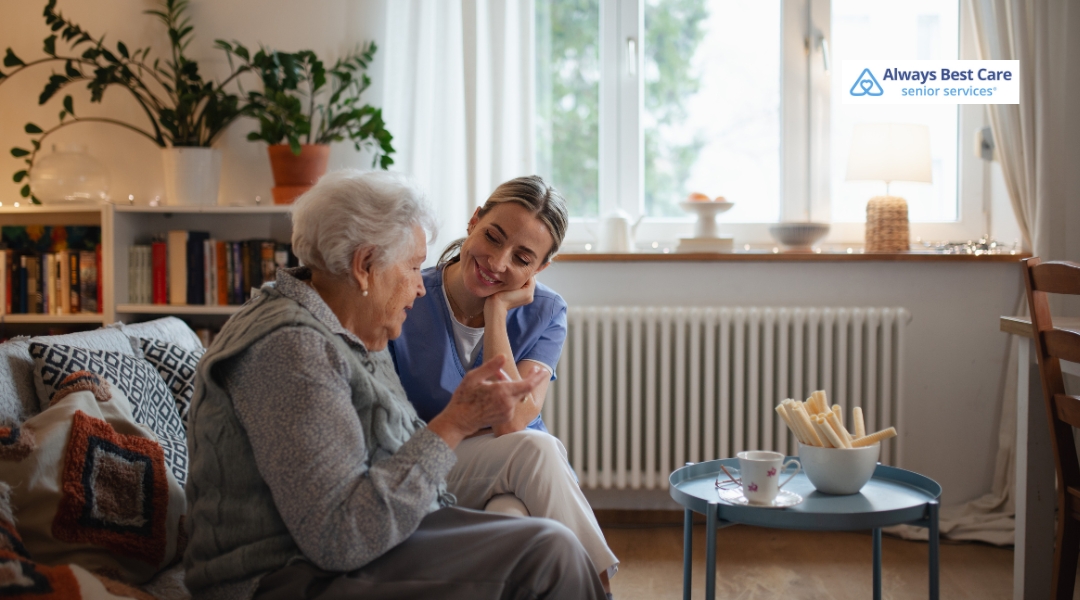
Elder abuse is one of the most underreported crises affecting older adults today. Millions of seniors experience some form of abuse each year, yet many cases never come to light. For families in Shalimar, FL, understanding the realities of elder abuse and knowing how to prevent it is one of the most important steps you can take to protect the people you love.
Abuse does not always look the way people expect. It rarely involves a stranger. More often, it happens within trusted relationships, familiar environments, and everyday routines. That is what makes it so difficult to detect and so important to address.
What you will learn:
- What elder abuse is, the main ways it shows up, and why it can be hard to recognize in everyday life.
- Which risk factors and early warning signs can signal that a senior in Shalimar, FL may be vulnerable or experiencing harm?
- Simple, practical steps families can take right now to reduce abuse risk, stay involved, and support both seniors and caregivers.
- How professional in-home care and timely reporting can help prevent elder abuse and create safer, more supportive home environments.
Table of Contents
Redefining What Elder Abuse Looks Like
Most people associate elder abuse with physical harm, but the reality is far broader. Elder abuse is any intentional act or pattern of neglect that causes harm, distress, or loss of dignity to an older adult.
It can take many forms, including:
- Physical abuse — hitting, restraining, or causing bodily harm
- Emotional abuse — threats, manipulation, humiliation, or deliberate isolation
- Financial exploitation — unauthorized use of funds, forged documents, or coercive control over assets
- Neglect — failure to provide adequate food, hygiene, medical care, or supervision
- Abandonment — leaving a senior without the care or support they require
In many situations, more than one type of abuse occurs simultaneously, which is why a single warning sign should never be dismissed.
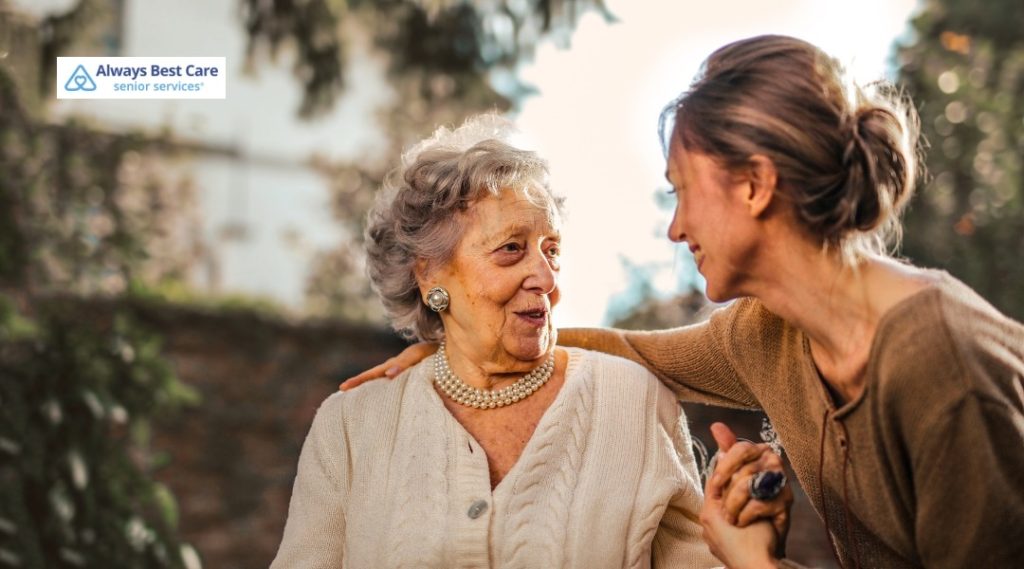
Why Seniors in Shalimar, FL May Be at Greater Risk
Certain circumstances can increase a senior’s vulnerability to abuse. Recognizing these risk factors allows families to take proactive steps before a situation escalates.
Key risk factors include:
- Social isolation — Seniors with limited social contact are more dependent on a smaller circle of people, reducing outside oversight
- Cognitive decline — Conditions like dementia can impair a senior’s ability to recognize, report, or resist abuse
- Physical dependence — Needing help with daily tasks creates reliance on caregivers, which can be exploited
- Caregiver burnout — Overwhelmed caregivers, even well-intentioned ones, may act out of frustration or neglect responsibilities
- Financial vulnerability — Seniors managing significant assets without oversight can become targets for exploitation
Addressing these factors directly through support, oversight, and professional care significantly reduces risk.
Warning Signs Families Should Never Ignore
Elder abuse is often subtle in its early stages. Families who stay engaged and observant are far more likely to catch problems early.
Watch for these warning signs:
- Unexplained bruises, injuries, or repeated falls
- Sudden withdrawal, anxiety, or changes in personality
- Poor hygiene, weight loss, or signs of physical neglect
- Unusual financial transactions or missing money
- Reluctance or fear around specific individuals
- Confusion about finances, legal documents, or recent decisions
If something feels wrong, trust that instinct. A conversation with your loved one in a private, supportive setting can reveal a great deal.
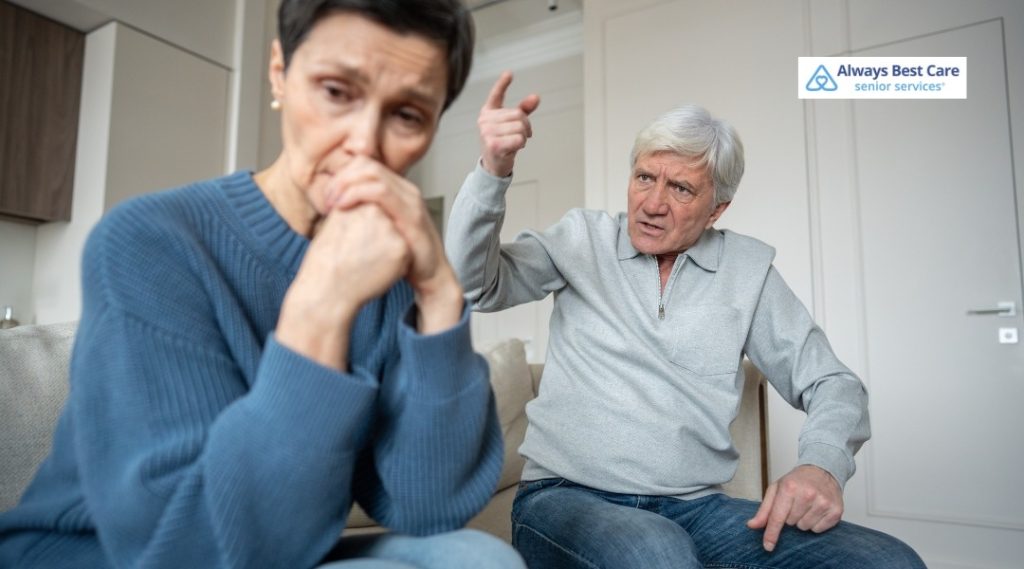
Practical Steps Families Can Take Right Now
Prevention does not require dramatic action. Consistent, caring involvement is often the most powerful tool available.
Start with these steps:
- Visit regularly and vary your schedule — Predictable visits can mask problems; unexpected check-ins provide a more accurate picture
- Stay connected digitally — Video calls, messaging apps, and remote monitoring tools help maintain contact between visits
- Review financial accounts — Set up alerts, review statements, and ensure trusted oversight of important documents
- Know the caregivers — Build relationships with anyone providing care and ask questions openly
- Reduce isolation — Encourage participation in community activities, senior programs, and social groups in Shalimar, FL
- Support the caregivers too — Burnout is a real risk; ensuring caregivers have adequate rest and resources protects everyone
The Role of Professional In-Home Care in Shalimar, FL
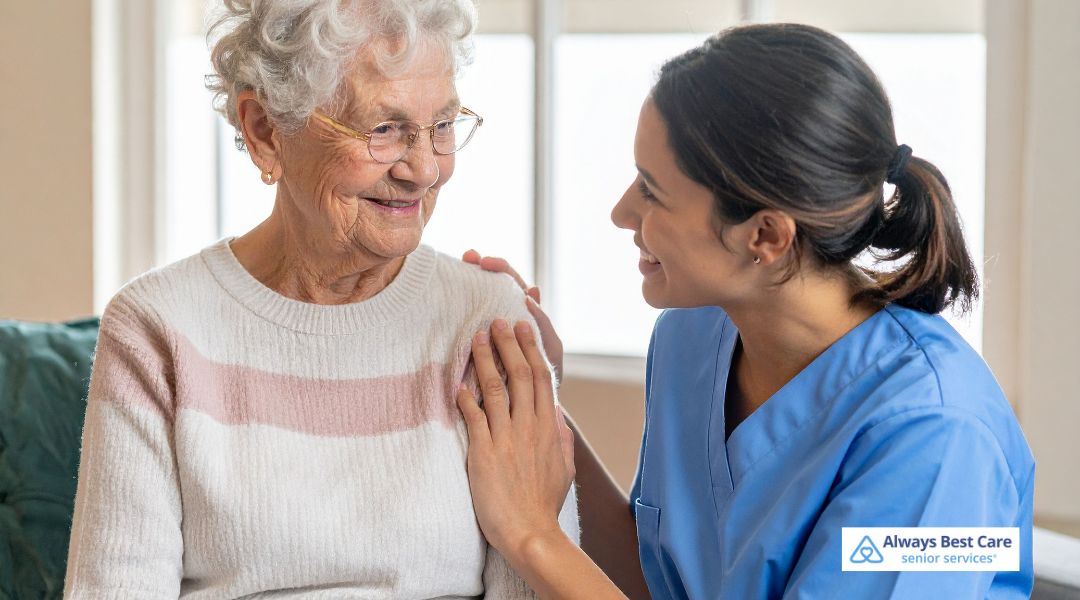
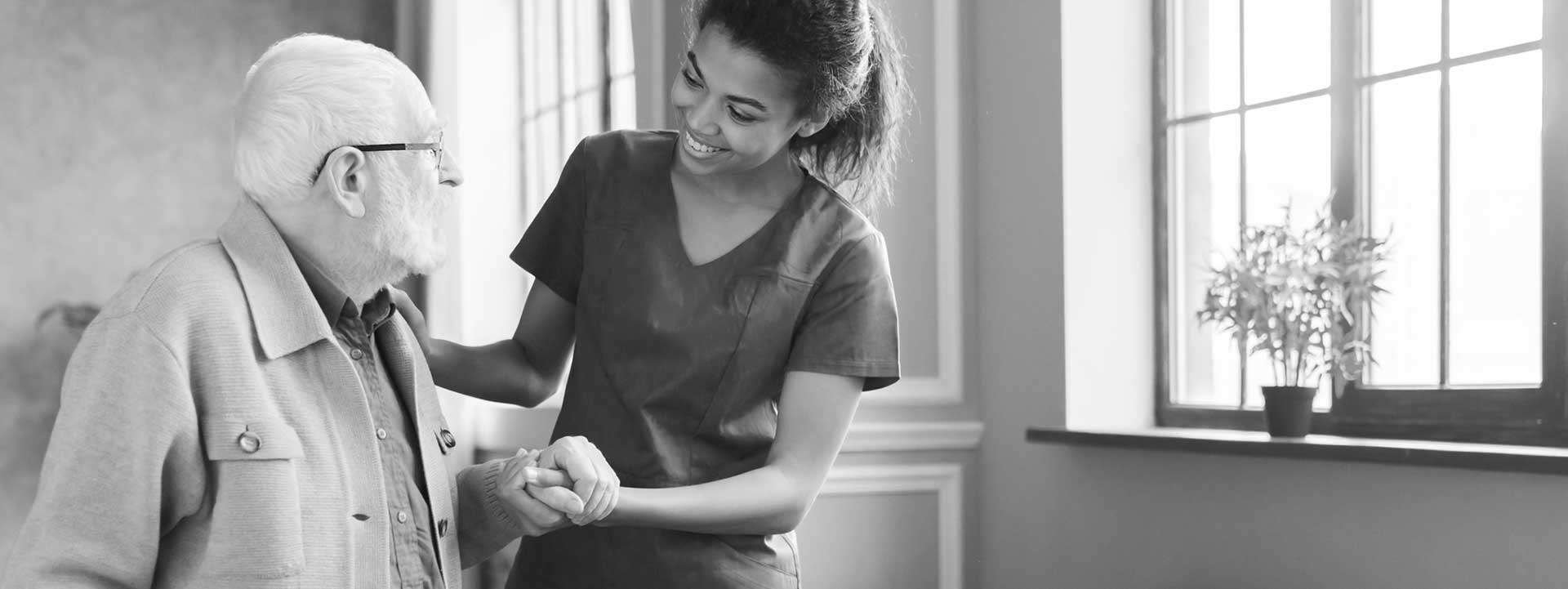
One of the most effective safeguards against elder abuse is consistent, professional in-home care. A qualified caregiver does more than assist with daily tasks; they provide an additional layer of accountability, observation, and compassionate presence.
At Always Best Care of Shalimar, FL, every caregiver is thoroughly screened, trained, and carefully matched to each client. Our team is committed to upholding the highest standards of professionalism while honoring each senior’s independence and dignity.
Professional caregivers are also trained to recognize early warning signs and promptly communicate concerns to family members, enabling faster intervention when it matters most.
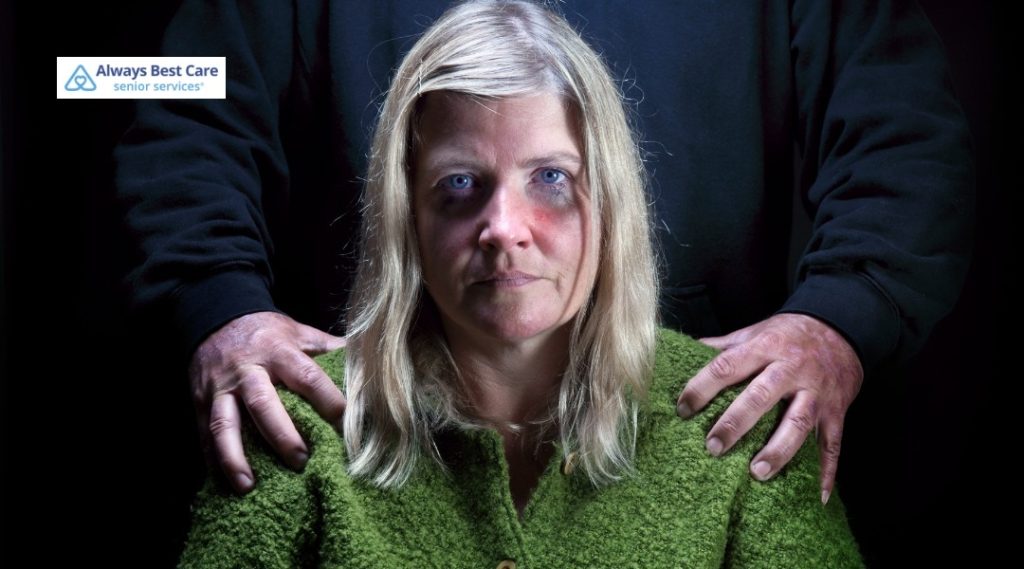
What to Do If You Suspect Abuse
If you believe a loved one is being abused, act quickly and calmly.
- Speak privately with your loved one in a safe, non-threatening environment
- Document your concerns — note dates, observations, and any physical signs
- Contact local adult protective services to report suspected abuse
- Consult a healthcare provider if there are signs of physical harm or neglect
- Call law enforcement if your loved one is in immediate danger
You do not need to have all the answers before reaching out. Reporting a concern is always the right first step.
Frequently Asked Questions About Elder Abuse
Q: How common is elder abuse?
A: According to the World Health Organization, approximately 1 in 6 older adults experiences some form of abuse. Because many cases go unreported, the true number is likely higher.
Q: Who is most likely to commit elder abuse?
A: Abuse is most often carried out by someone the senior knows and trusts — a family member, friend, or paid caregiver. This is one reason why it is so frequently underreported.
Q: What should I do if my loved one denies being abused?
A: Denial is common, especially when the abuser is someone the senior cares about. Continue to express concern, maintain regular contact, and report your observations to adult protective services if you believe abuse is occurring.
Q: Can professional caregivers help prevent abuse?
A: Yes. Professional caregivers provide consistent oversight, reduce isolation, and are trained to identify warning signs. They also give family caregivers much-needed relief, reducing the risk of burnout-related neglect.
Q: Is financial exploitation considered elder abuse?
A: Absolutely. Financial exploitation is one of the most prevalent forms of elder abuse and includes unauthorized use of funds, manipulation into changing legal documents, and coercion around financial decisions.
Building a Safer Community for Seniors
Elder abuse prevention is not solely a family responsibility; it is a community one. Neighbors, healthcare providers, faith communities, and local organizations all play a role in creating an environment where seniors are seen, valued, and protected.
At Always Best Care of Shalimar, we are proud to be part of that community effort. Our caregivers work alongside families to build safe, supportive home environments where seniors can age with confidence and dignity. Call us at (850) 990-4467 to schedule a care consultation and connect with local resources that support senior safety and well-being.
Link to the Markdown File version of the article