Preparing Your Home for Summer: Senior Safety Tips in Shalimar
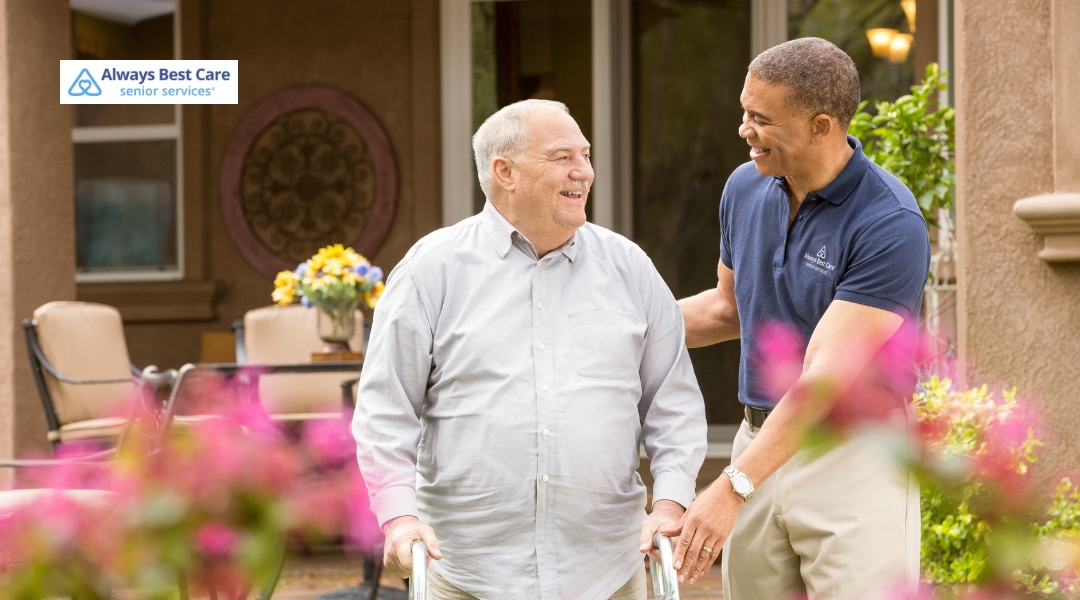
Summer in Shalimar is a season full of promise, longer evenings, outdoor gatherings, and a slower pace of life. But for older adults, rising temperatures and unpredictable weather can turn a pleasant season into a serious health risk. With the right preparation, seniors can enjoy everything summer has to offer while staying safe, comfortable, and independent at home.
Here’s how to get started.
What you will learn:
- How to lovingly prepare a cool, safe home environment so seniors can enjoy Shalimar’s summer heat more comfortably.
- Simple daily hydration and medication habits that protect older adults from heat-related health risks.
- How to spot and reduce indoor and outdoor safety hazards, from slippery floors to storm and power outage challenges.
- Ways caring, professional in-home support can bring extra safety, companionship, and peace of mind for seniors and their families.
Table of Contents
Start with Your Cooling System, Before You Need It
Most people don’t think about their air conditioning until the first heat wave hits. By then, it’s too late to schedule a service appointment without a long wait. Get ahead of it.
Have your HVAC system inspected and serviced in late spring, replace filters, and test ceiling fans to make sure they’re running in the correct direction (counterclockwise in summer to push cool air down). If a senior in your life doesn’t have air conditioning, map out nearby cooling centers, libraries, or community spaces they can visit on extreme heat days.
A cool home isn’t a luxury for older adults; it’s a health necessity.
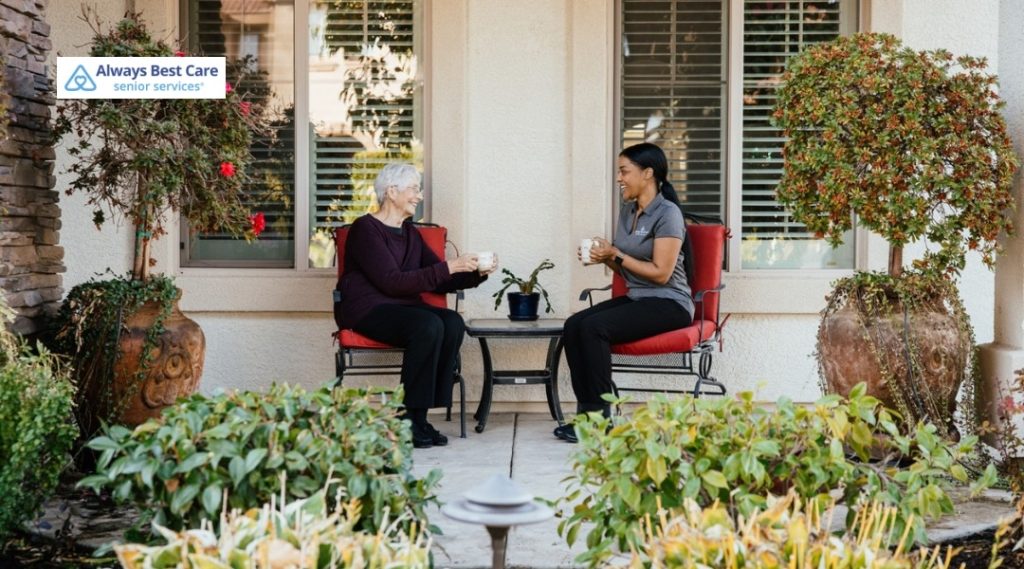
Build a Hydration Habit That Actually Sticks
Dehydration is one of the most underestimated summer risks for seniors. As we age, the body’s thirst signals become less reliable, meaning an older adult may be significantly dehydrated before feeling thirsty. Certain medications compound this risk further.
Rather than simply reminding seniors to “drink more water,” build hydration into the daily routine:
- Place a filled water bottle in every room they frequent
- Pair hydration with existing habits, a glass of water with each meal and medication
- Stock the fridge with water-rich foods: watermelon, cucumbers, strawberries, and citrus
- Limit caffeine and sugary drinks, which can accelerate fluid loss
Small, consistent habits are far more effective than occasional reminders.
Inspect Outdoor Spaces with Fresh Eyes
Outdoor areas that looked fine in the fall can become hazards by summer. Shifting ground, winter debris, and overgrown vegetation all create tripping risks and a fall for a senior can have serious, lasting consequences.
Walk through the property and look for:
- Cracked or uneven walkways and loose pavers
- Garden hoses, tools, or clutter left across pathways
- Handrails that have loosened over winter
- Overgrown shrubs or plants blocking clear sightlines
- Outdoor lighting that has burned out or shifted
Don’t forget to check the patio furniture; wobbly chairs or tables can cause unexpected falls when a senior reaches for support.
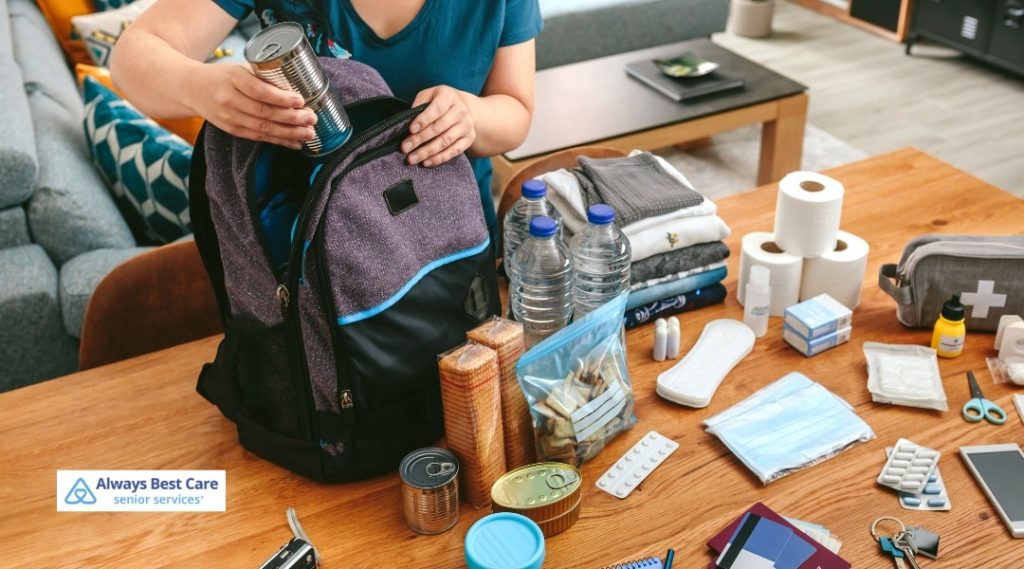
Have a Storm and Power Outage Plan Ready
In Framingham, summer often means storm season. Power outages can be more than an inconvenience for seniors; they can disrupt medical equipment, spoil medications that require refrigeration, and leave someone without a way to call for help.
Prepare an emergency kit that includes:
- Bottled water (at least a three-day supply)
- Nonperishable food
- Flashlights and backup batteries
- A printed list of emergency contacts and medical information
- All necessary medications
- Backup charging options for phones or medical devices
Equally important: make sure family members and neighbors know the plan. Who will check in if the power goes out? Who has a spare key? These conversations are best had before an emergency, not during one.
Protect Medications from the Heat
Many families overlook this one entirely. Summer heat can degrade medications stored in bathrooms, cars, or near windows, reducing their effectiveness or, in some cases, making them unsafe. Some medications also increase a senior’s sensitivity to heat and sun exposure.
Take time to:
- Review storage instructions for all current medications
- Relocate anything stored in warm or sunny areas
- Ask a pharmacist or physician about heat-related side effects
- Keep a cooler bag available for medications during outings or power outages
A quick conversation with a healthcare provider can prevent a serious and avoidable complication.
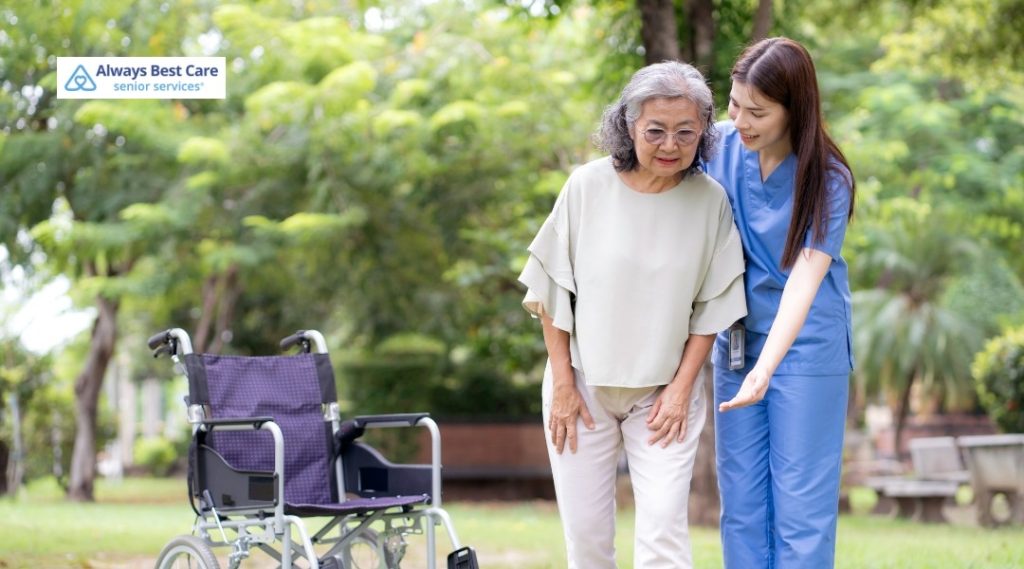
Reduce Indoor Fall Risks That Summer Creates
Fall prevention is a year-round priority, but summer introduces specific indoor hazards. Seniors tracking water in from the garden, pool, or a summer rain can create slippery floors near entryways, one of the most common locations for household falls.
Address these risks proactively:
- Place non-slip mats at all entry points
- Keep indoor walkways clear of seasonal clutter (beach bags, gardening supplies, etc.)
- Ensure all rooms are well-lit, including hallways and bathrooms
- Encourage supportive, non-slip footwear, even indoors
These are simple changes, but they make a meaningful difference in day-to-day safety.
How Always Best Care of Framingham Can Help
Summer preparation takes time and attention, and for seniors living alone or families managing caregiving from a distance, it can feel like a lot to manage. Always Best Care of Framingham provides hands-on support that helps older adults stay safe and comfortable throughout the season.
Our caregivers can assist with:
- Home safety walkthroughs and light housekeeping
- Meal preparation and daily hydration reminders
- Transportation to medical appointments and errands
- Medication reminders and wellness monitoring
- Companionship and regular check-ins
Whether your loved one needs a few hours of support each week or more consistent daily care, we’re here to help them enjoy the summer with confidence.
Frequently Asked Questions
Q: What temperature is considered dangerous for seniors indoors?
A: Indoor temperatures above 80°F (27°C) can become dangerous for older adults, particularly those with heart disease, respiratory conditions, or mobility limitations. The ideal indoor temperature for seniors during summer is between 68°F and 76°F (20°C–24°C).
Q: How much water should a senior drink each day in summer?
A: Most older adults should aim for at least 8 cups (64 oz) of water per day, though individual needs vary based on health conditions, medications, and activity level. During hot weather or physical activity, fluid intake should increase. A physician can provide personalized guidance.
Q: What are the early warning signs of heat exhaustion in seniors?
A: Early signs include heavy sweating, cool or pale skin, weakness, dizziness, nausea, and a rapid or weak pulse. If these symptoms appear, move the person to a cool area, offer water, and apply cool cloths. If symptoms worsen or the person loses consciousness, call 911 immediately.
Q: How can I help a senior who lives alone stay safe during a heat wave?
A: Check in daily, by phone or in person, during periods of extreme heat. Make sure they have a working air conditioner or access to a cooling center, plenty of water, and a way to contact someone if they feel unwell. Consider enrolling them in a local senior wellness check program.
Q: Can Always Best Care help with summer-specific safety needs?
A: Yes. Our caregivers provide personalized support that adapts to seasonal needs, including hydration reminders, home safety checks, transportation, and companionship. We work with families to create a care plan that fits their loved one’s specific situation.
Sun-Kissed Days, Safely Enjoyed
Summer in Shalimar can be such a beautiful, gentle season for the seniors you love. With a few caring preparations, you turn hot afternoons and stormy evenings from worries into moments that feel calm and under control.
A safe summer starts with a plan. Call Always Best Care of Shalimar today at (850) 797-8710 to schedule a care consultation and learn how our caregivers can help your loved one stay healthy, comfortable, and independent all season long.
Link to the Markdown File version of the article