

When Appetite Declines: Helping Seniors Eat Well in Shalimar, FL
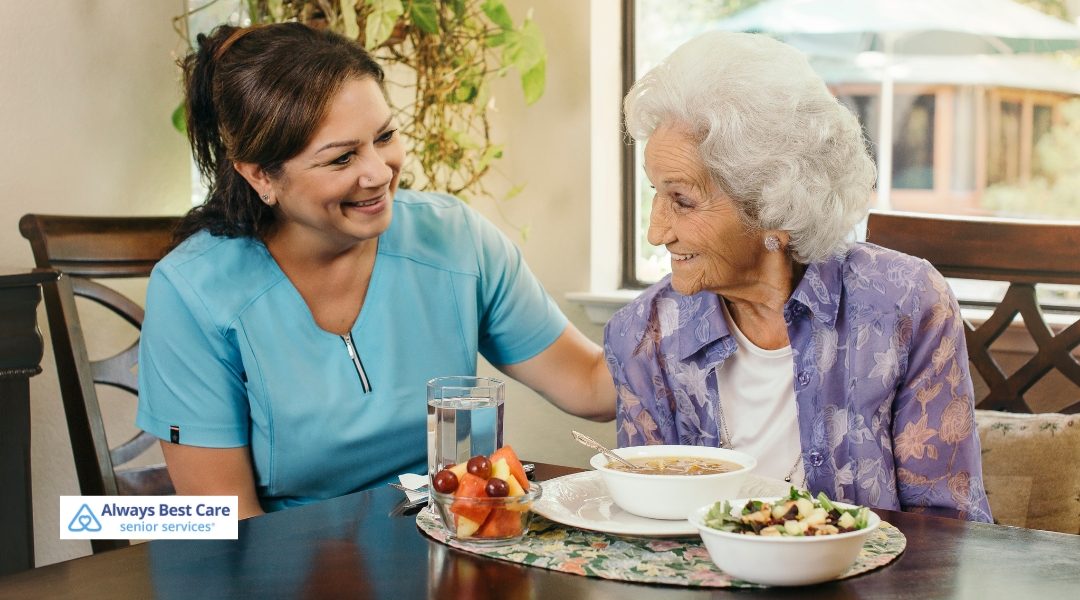
Watching a parent or grandparent lose interest in food can be unsettling. Meals that were once a highlight of the day become a source of concern. For many families in Shalimar, FL, this is a familiar experience, and one that deserves thoughtful attention rather than a wait-and-see approach.
A gradual decline in appetite is not simply a quirk of getting older. It is often a signal that something has shifted physically, emotionally, or socially. Recognizing that signal early and responding with the right support can make a meaningful difference in a senior’s health and quality of life.
What you will learn:
- Why appetite often declines in older adults and the key physical, emotional, and social reasons behind it.
- How ongoing poor nutrition can quietly affect a senior’s strength, immunity, independence, and overall well-being.
- Gentle, practical ways to make meals more inviting, flavorful, and social so seniors feel like eating again.
- When appetite changes should prompt a healthcare visit, and how in-home caregivers can lovingly support better nutrition.
Table of Contents
More Than Just “Eating Less”
It is easy to dismiss a smaller appetite as a natural part of aging. And while metabolism does slow with age, a consistent drop in food intake goes beyond that. Seniors who eat too little over time risk losing muscle mass, weakening their immune system, and becoming more vulnerable to falls and illness.
What makes this issue particularly tricky is that the causes are rarely straightforward. A senior may be eating less because of a medication side effect, undiagnosed depression, poorly fitting dentures, or simply because cooking for one no longer feels worth the effort. In many cases, several factors are at play simultaneously.
Common contributors to appetite decline in older adults include:
- Changes in taste and smell that make food less enjoyable
- Difficulty chewing or swallowing
- Side effects from medications
- Chronic conditions such as heart disease, diabetes, or kidney disease
- Depression, grief, or social isolation
- Cognitive decline affecting the ability to recognize hunger cues
Understanding the root cause matters because the solution looks different depending on what is driving the problem.
What Poor Nutrition Actually Costs
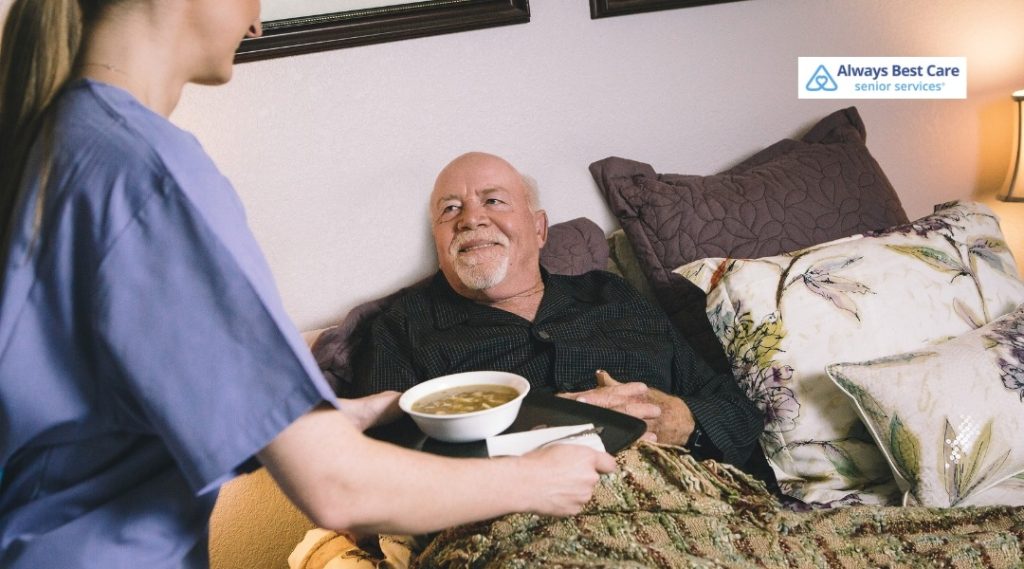
When seniors do not eat enough, the effects accumulate quietly. Energy drops. Wounds heal more slowly. Muscles weaken. The immune system becomes less effective at fighting off infections. Over time, malnutrition can accelerate cognitive decline and increase the risk of hospitalization.
These are not abstract risks. They directly affect a senior’s ability to stay independent, engaged, and at home — which is where most older adults want to be.
Practical Ways to Encourage Better Eating
Improving a senior’s nutrition does not always require a dramatic overhaul. Often, small and consistent changes produce the most lasting results.
Rethink meal structure. Three large meals a day may not work well for seniors with reduced appetite. Offering five or six smaller meals and snacks throughout the day can feel more manageable and result in better overall intake.
Prioritize flavor. As taste and smell diminish with age, food can become bland and unappealing. Fresh herbs, citrus, and bold seasonings can make meals more enticing without adding excess sodium.
Make every bite count. When appetite is limited, nutrient density matters. Foods like eggs, Greek yogurt, avocado, nut butters, beans, and lean proteins deliver significant nutritional value in smaller portions.
Create a mealtime routine. Eating at consistent times each day helps regulate hunger cues and establishes a sense of structure that many seniors find comforting.
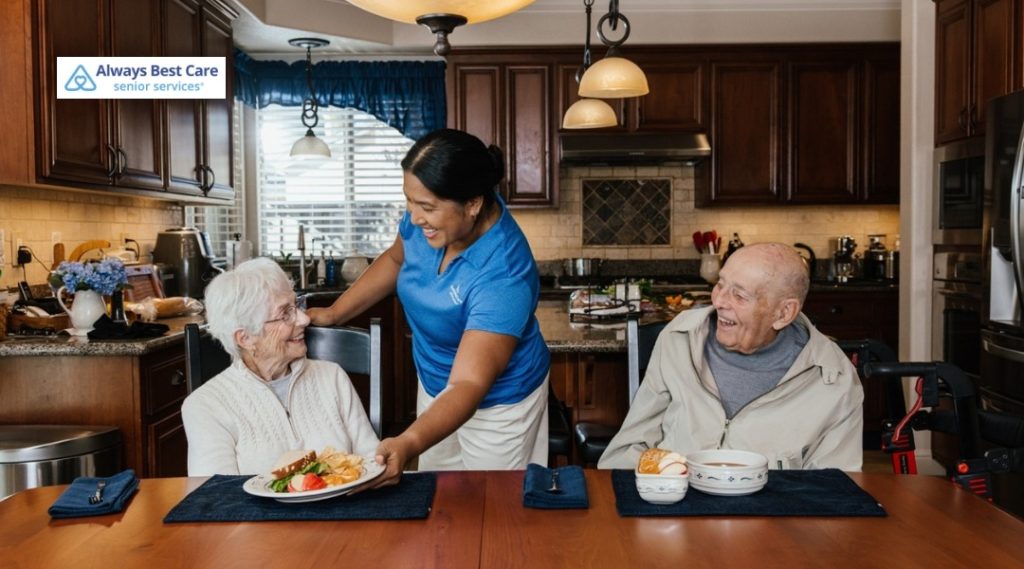
Eat together when possible. Shared meals are one of the most effective and underutilized tools for improving senior nutrition. Companionship at the table encourages seniors to eat more, stay longer, and enjoy the experience rather than viewing it as a chore.
When to Involve a Healthcare Provider
Not every dip in appetite requires a medical evaluation, but some signs warrant prompt attention. Families in Shalimar, FL should consult a healthcare provider if a senior experiences:
- Noticeable or rapid weight loss
- Difficulty swallowing or frequent coughing during meals
- Significant changes in mood, energy, or behavior
- Persistent nausea or digestive discomfort
- Increased confusion or memory lapses around mealtimes
A physician can assess whether an underlying condition, medication interaction, or dental issue is contributing to the problem and recommend appropriate next steps.
How Always Best Care of Shalimar, FL Can Help
For many seniors, the challenge is not knowing what to eat; it is having the energy, motivation, and support to make it happen consistently. That is where professional in-home care makes a real difference.
Always Best Care caregivers work alongside seniors and their families to build sustainable routines around nutrition and mealtime.
Support may include:
- Planning and preparing balanced, appealing meals
- Grocery shopping with the seniors’ preferences and dietary needs in mind
- Encouraging adequate hydration throughout the day
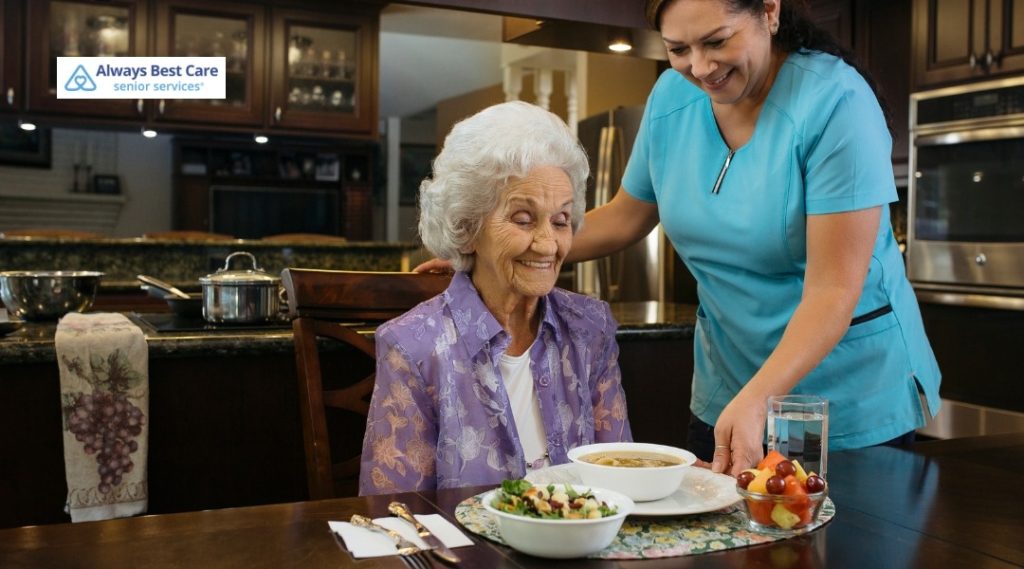
- Providing companionship during meals to make eating more enjoyable
- Monitoring changes in appetite and communicating concerns to family members
- Coordinating with healthcare providers when nutritional issues arise
This kind of consistent, attentive support helps seniors maintain the nourishment they need to stay strong, active, and at home.
Frequently Asked Questions
Q: How much weight loss in a senior should be considered concerning?
A: A loss of 5% or more of body weight over six to twelve months is generally considered significant and worth discussing with a healthcare provider. Even smaller losses can be meaningful if they occur rapidly or alongside other symptoms.
Q: Are appetite supplements or protein shakes a good solution?
A: Nutritional supplements can be a helpful short-term bridge, but they work best as a complement to whole foods rather than a replacement. A registered dietitian or physician can recommend appropriate options based on a senior’s specific health needs.
Q: Can depression cause appetite loss in seniors?
A: Yes. Depression is one of the most common and frequently overlooked causes of appetite decline in older adults. Seniors experiencing persistent sadness, withdrawal from activities, or changes in sleep alongside reduced appetite should be evaluated for depression.
Q: What foods are best when a senior can only eat small amounts?
A: Focus on nutrient-dense options: eggs, Greek yogurt, nut butters, avocado, beans, lean meats, and fortified cereals. These foods deliver protein, healthy fats, and essential vitamins in compact portions.
Q: How can I tell if my loved one’s appetite loss is serious?
A: Look for patterns rather than isolated incidents. If reduced eating persists for more than two weeks, is accompanied by weight loss, fatigue, or behavioral changes, or seems to be worsening, it is time to seek a professional evaluation.
Q: Can in-home caregivers really make a difference in a senior’s nutrition?
A: Absolutely. Consistency is one of the biggest factors in maintaining good nutrition, and caregivers provide exactly that. Regular meal preparation, gentle encouragement, and attentive monitoring can significantly improve a senior’s food intake and overall health outcomes over time.
Turning Mealtime Worries Into Moments of Care
If your loved one in Shalimar, FL is struggling with appetite or nutrition, you do not have to navigate it alone. Call Always Best Care of Shalimar today at (850) 797-8710 to schedule a care consultation and learn how our caregivers can help your family member eat well and live well at home.
Link to the Markdown File version of the article