
Stroke Prevention Tips for Seniors in Tempe, AZ: Protecting Brain Health Through Healthy Habits
Every 40 seconds, someone in the United States has a stroke. For older adults, the consequences can be especially severe, affecting mobility, speech, memory, and the ability to live independently. Yet up to 80% of strokes are preventable. That’s a powerful statistic, and it means the daily choices seniors make truly matter.
In Tempe, AZ, where warm weather and an active community culture offer real advantages for healthy aging, seniors have every opportunity to build habits that protect their brain health for years to come. This guide breaks down the most effective, evidence-backed strategies for stroke prevention and how the right support system can make all the difference.
What you will learn:
- Why does stroke risk increase with age, and which underlying conditions make seniors more vulnerable?
- The most effective lifestyle habits for prevention include managing blood pressure, diabetes, and cholesterol, as well as maintaining daily activity.
- How nutrition, exercise, and quitting smoking can protect brain health and lower stroke risk.
- The vital role of in-home caregivers in helping seniors stay consistent with healthy routines and recognize early warning signs of stroke.
Table of Contents
Understanding Why Stroke Risk Rises with Age
Aging naturally brings changes to the cardiovascular system. Blood vessels become less flexible, blood pressure tends to rise, and the cumulative effects of decades of lifestyle choices begin to show. But age alone isn’t destiny.
What significantly elevates stroke risk is the combination of age with manageable conditions like high blood pressure, type 2 diabetes, high cholesterol, atrial fibrillation, and obesity. The good news: all of these conditions respond to lifestyle changes and proper medical management.
Understanding your personal risk factors is the first step. A conversation with your primary care physician can help identify which areas need the most attention.
Control Blood Pressure: Your Single Most Important Defense
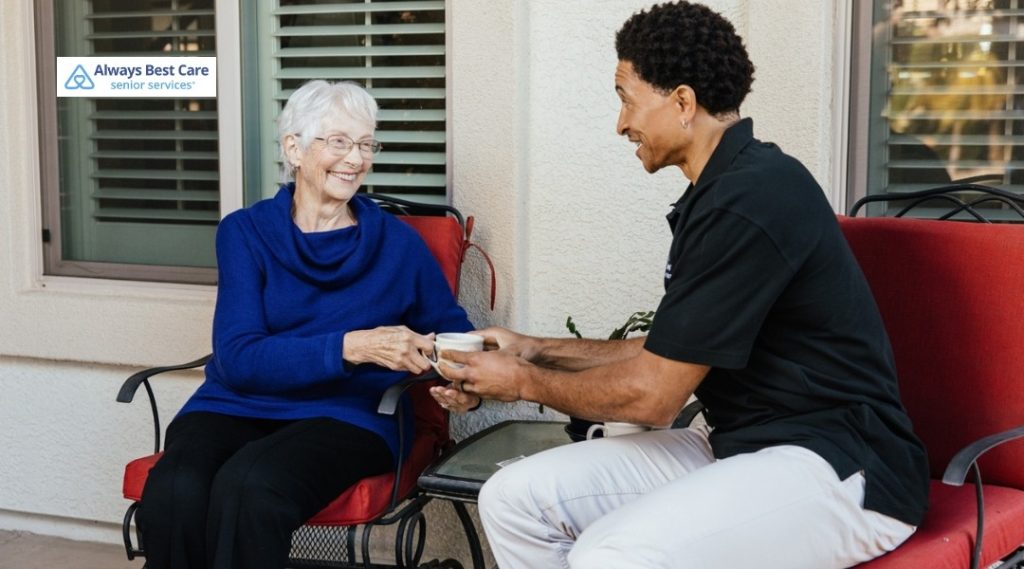
High blood pressure is responsible for nearly half of all strokes. When arterial pressure remains elevated for too long, it weakens arterial walls and dramatically increases the risk of a rupture or blockage in the brain.
The challenge is that high blood pressure rarely causes noticeable symptoms, which is why it’s often called the “silent killer.” Many seniors don’t realize their levels are dangerously high until a serious event occurs.
Practical steps to keep blood pressure in check:
- Check your blood pressure at home regularly using a reliable monitor
- Take prescribed medications consistently, never skip doses
- Reduce sodium intake by cooking at home and reading nutrition labels
- Limit alcohol consumption
- Manage stress through relaxation techniques, social connection, or light exercise
- Maintain a healthy weight
The target blood pressure for most seniors is below 130/80 mmHg, though your doctor may recommend a personalized goal based on your overall health.
Manage Diabetes to Protect Your Blood Vessels
Diabetes doubles the risk of stroke. Chronically elevated blood sugar damages the inner lining of blood vessels, making them more prone to blockages and reducing the brain’s ability to recover from injury.
The relationship between diabetes and stroke is also bidirectional; stroke can worsen blood sugar control, creating a cycle that’s difficult to break. Prevention and consistent management are far more effective than trying to recover from complications after the fact.
Key diabetes management strategies:
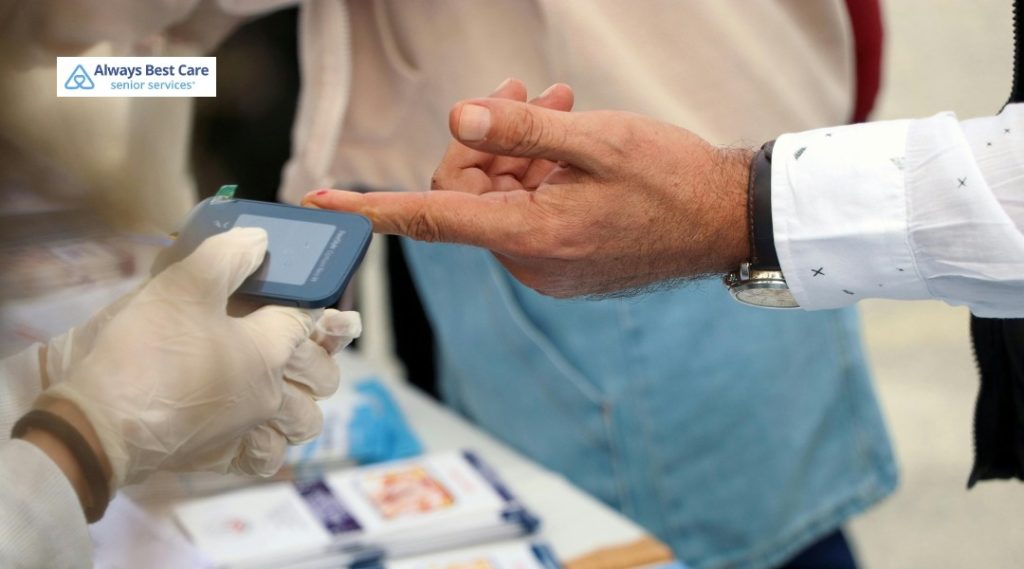
- Monitor blood glucose levels as recommended by your care team
- Follow a meal plan that limits refined sugars and processed carbohydrates
- Stay physically active, even with light daily movement
- Take all medications as prescribed, including insulin if applicable
- Attend regular checkups to catch early signs of complications
Keep Cholesterol Levels in a Healthy Range
Cholesterol itself isn’t harmful; your body needs it. But when LDL (“bad”) cholesterol levels rise too high, fatty deposits can build up inside artery walls, narrowing the passages that carry blood to the brain. A piece of that plaque breaking loose can trigger a stroke almost instantly.
Dietary and lifestyle changes that support healthy cholesterol:
- Prioritize fiber-rich foods: oats, beans, lentils, fruits, and vegetables
- Replace saturated fats (found in red meat and full-fat dairy) with unsaturated fats from olive oil, avocados, and nuts
- Eat fatty fish like salmon or mackerel at least twice a week
- Avoid trans fats found in many packaged and fried foods
- Exercise regularly to raise HDL (“good”) cholesterol
If lifestyle changes aren’t enough, your doctor may recommend medication. Statins, in particular, have been shown to significantly reduce stroke risk in high-risk individuals.
Make Physical Activity a Daily Priority
Exercise is one of the most powerful tools available for stroke prevention. It lowers blood pressure, improves cholesterol, helps regulate blood sugar, reduces inflammation, and supports a healthy weight, all major stroke risk factors addressed in a single habit.
Seniors don’t need to run marathons to benefit. Consistency matters far more than intensity.
Senior-friendly activities that support brain and heart health:
- Daily walks through Tempe’s parks or along the Tempe Town Lake trail
- Chair yoga or gentle stretching routines
- Water aerobics or swimming at local community pools
- Tai chi, which also improves balance and reduces fall risk
- Light gardening or yard work
Aim for at least 150 minutes of moderate activity per week, spread across most days. Even 10-minute movement breaks throughout the day add up meaningfully.
Eat to Protect Your Brain
Nutrition is one of the most underutilized tools in stroke prevention. A diet that supports cardiovascular health directly protects the brain by keeping blood vessels clear, reducing inflammation, and maintaining healthy blood pressure and cholesterol levels.
A brain-protective diet emphasizes:
- Colorful fruits and vegetables, especially leafy greens like spinach and kale
- Whole grains such as brown rice, quinoa, and whole wheat bread
- Lean proteins, including fish, poultry, legumes, and tofu
- Healthy fats from olive oil, nuts, seeds, and avocados
- Low sodium, aim for less than 2,300 mg per day
- Adequate hydration, dehydration can thicken the blood and raise stroke risk
The Mediterranean and DASH diets are both well-researched eating patterns that have been shown to reduce stroke risk. Consider speaking with a registered dietitian to build a plan that fits your preferences and health needs.
Don’t Overlook Atrial Fibrillation
Atrial fibrillation (AFib), an irregular heart rhythm, is one of the most underrecognized stroke risk factors in older adults. AFib causes blood to pool in the heart, where it can form clots that travel to the brain.
Seniors with AFib are five times more likely to have a stroke than those without it. Many people with AFib have no obvious symptoms, so regular heart screenings are essential.
If you’ve been diagnosed with AFib, work closely with your cardiologist. Blood-thinning medications and other treatments can dramatically reduce your stroke risk.

Quit Smoking and Limit Alcohol
Smoking nearly doubles the risk of stroke by damaging blood vessel walls, raising blood pressure, and reducing oxygen in the blood. The good news: quitting smoking at any age reduces stroke risk, and within five years of quitting, a former smoker’s risk approaches that of a non-smoker.
Excessive alcohol consumption also raises blood pressure and contributes to irregular heart rhythms. If you drink, limit your intake to no more than 1 drink per day for women and 2 for men.
The Role of Caregiving Support in Stroke Prevention
Maintaining all of these healthy habits consistently is genuinely challenging, especially for seniors managing multiple health conditions, living alone, or dealing with mobility limitations. This is where professional in-home care can make a real difference.
A dedicated caregiver doesn’t just provide physical assistance. They become a partner in health, helping seniors stay on track with the daily routines that reduce stroke risk.
Ways in-home caregivers support stroke prevention:
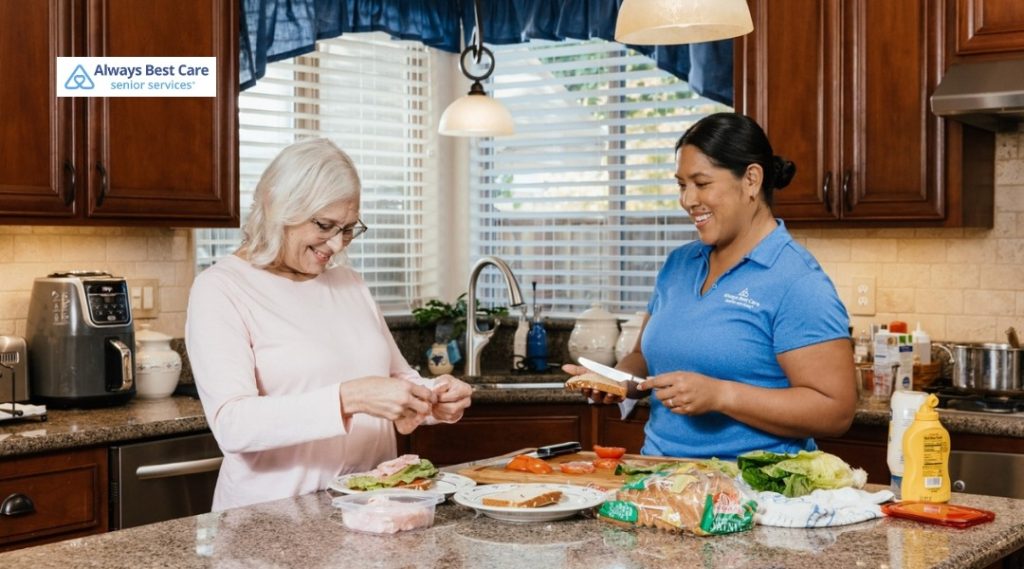
- Preparing nutritious, low-sodium meals tailored to dietary needs
- Accompanying seniors on daily walks or exercise activities
- Providing medication reminders to ensure consistent adherence
- Scheduling and attending medical appointments
- Monitoring for warning signs and changes in health
- Offering companionship that reduces stress and social isolation
For families in Tempe, having a trusted caregiver involved in a senior loved one’s daily life provides both practical support and peace of mind.
Recognize the Warning Signs of Stroke
Even with the best prevention efforts, it’s important to know how to respond if a stroke occurs. Acting quickly can mean the difference between full recovery and permanent disability.
Use the FAST acronym to remember the warning signs:
- F — Face drooping on one side
- A — Arm weakness or numbness
- S — Speech that is slurred or difficult to understand
- T — Time to call 911 immediately
Other symptoms include sudden severe headache, vision changes, dizziness, and loss of balance. Never wait to see if symptoms improve on their own.
Frequently Asked Questions
Q: What is the most important thing seniors can do to prevent a stroke?
A: Controlling blood pressure is the single most impactful step. High blood pressure is responsible for nearly half of all strokes, and it can be managed effectively through medication, diet, exercise, and regular monitoring.
Q: At what age does stroke risk increase significantly?
A: Stroke risk increases with age, and the risk roughly doubles every decade after age 55. However, strokes can occur at any age, and building healthy habits early provides the greatest long-term protection.
Q: Can a senior who has already had a stroke reduce their risk of having another one?
A: Yes. Stroke survivors are at higher risk of a second stroke, but that risk can be significantly reduced through medication, lifestyle changes, and close medical follow-up. Secondary stroke prevention is a critical part of post-stroke care.
Q: How does diet affect stroke risk?
A: A poor diet high in sodium, saturated fats, and processed foods contributes to high blood pressure, high cholesterol, and obesity, all major stroke risk factors. A heart-healthy diet rich in fruits, vegetables, whole grains, and lean proteins directly reduces these risks.
Q: Is exercise safe for seniors who are at risk for stroke?
A: In most cases, yes. Regular moderate exercise is one of the best things seniors can do to reduce stroke risk. However, it’s always a good idea to consult with a physician before starting a new exercise routine, especially if you have existing heart or blood pressure conditions.
Q: How can an in-home caregiver help with stroke prevention?
A: Caregivers support stroke prevention by helping seniors maintain consistent healthy habits, including nutritious meal preparation, medication reminders, daily physical activity, and health monitoring. They also provide companionship, which reduces stress and social isolation, both of which are linked to increased cardiovascular risk.
Q: What is the FAST acronym, and why is it important?
A: FAST stands for Face drooping, Arm weakness, Speech difficulty, and Time to call 911. Recognizing these warning signs and acting immediately can dramatically improve outcomes for stroke patients, as many treatments are only effective within a narrow time window after symptoms begin.
Helping Seniors Stay Healthy and Independent in Tempe, AZ
Stroke prevention is not a single action; it’s a lifestyle built on consistent, informed choices. By managing chronic conditions, staying active, eating well, and having the right support in place, seniors in Tempe can significantly reduce their risk and maintain the independence they’ve worked hard to protect.
At Always Best Care of Tempe, our compassionate caregivers are dedicated to helping seniors thrive at home. From meal preparation and medication reminders to daily activity support and health monitoring, we provide the hands-on assistance that makes healthy living sustainable.
Call Always Best Care of Tempe today at (480) 676-1446 to schedule a care consultation and learn how we can help your loved one stay healthy, active, and independent.
Link to the Markdown File version of the article