Wound Care at Home: When Do You Need Skilled Nursing in Tempe, AZ?
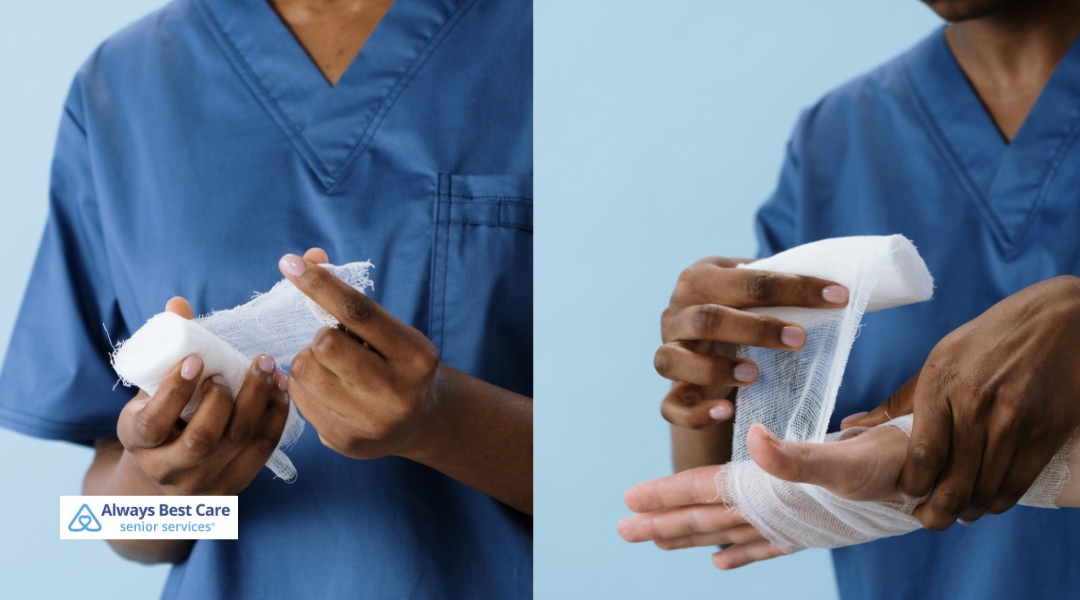
Small cuts and scrapes usually aren’t a big deal. A bandage here, a little ointment there, and we move on. But as loved ones get older, wound care can become a whole different story. Healing slows, health issues pile up, and a “tiny” sore can suddenly become a big concern.
That’s where skilled nursing support at home can make all the difference, especially for seniors in Tempe. At Always Best Care of Tempe, we help families answer a key question: When is basic home wound care enough, and when do we need skilled nursing support?
What You Will Learn
- Why wounds can become more difficult to manage and take longer to heal for older adults at home.
- Which wound types and warning signs may mean a loved one needs prompt medical attention or skilled nursing care.
- How skilled nursing and in-home caregiving can work together to support safer, more comfortable recovery in Tempe.
- Simple ways families can help prevent pressure injuries and protect a loved one’s skin each day.
Table of Contents
Why Wounds Are More Complicated for Seniors
As age creeps up, the skin doesn’t bounce back the way it used to. It becomes:
- Thinner and more fragile
- Easier to tear or bruise
- Slower to heal after injury
On top of that, many seniors live with health conditions that can make wounds harder to manage, such as:
- Diabetes
- Poor circulation
- Limited mobility
- Long-term illnesses that weaken the body
Nutrition plays a big role too. When an older adult isn’t getting enough protein, vitamins, minerals, or fluids, their body may struggle to repair damaged skin. So a wound that looks minor at first can quietly turn into a stubborn problem.
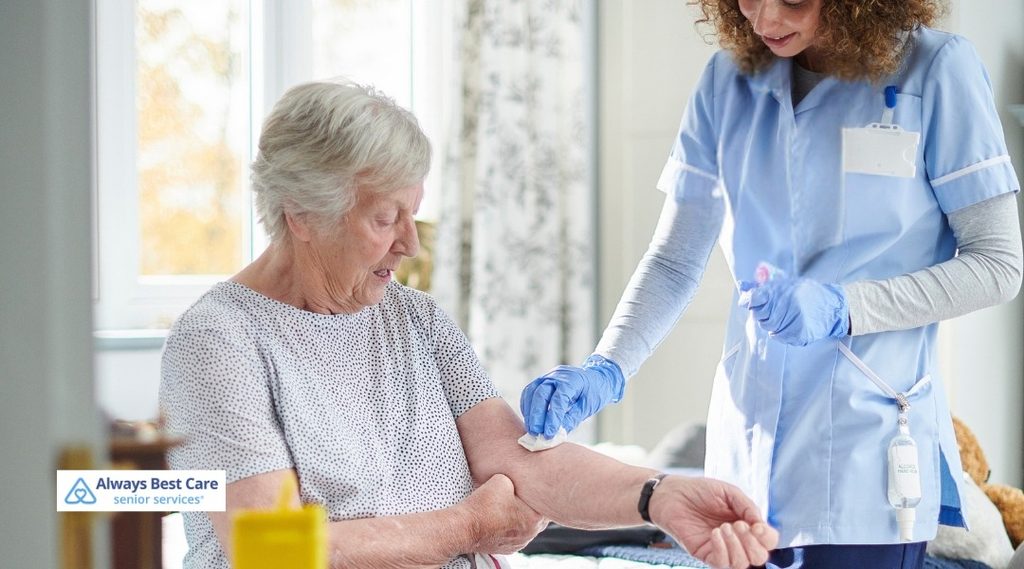
What Types of Wounds May Need Skilled Nursing Care?
Not every cut needs a nurse, and that’s good news. But some wounds really should be checked and handled by a skilled professional.
Skilled nursing for wound care is often recommended for:
- Surgical incisions that need close monitoring
- Pressure injuries or bedsores
- Diabetic foot ulcers
- Wounds tied to poor circulation
- Skin tears that are slow or difficult to heal
- Burns or more serious injuries
- Chronic wounds that aren’t improving as expected
A healthcare provider can assess the wound, determine the level of care needed, and provide clear instructions for home treatment.
Warning Signs a Wound Needs Medical Attention
Sometimes a wound looks fine at first, then quietly starts heading in the wrong direction. Families can help catch problems early by watching for red flags like:
- Growing redness, warmth, swelling, or pain around the wound
- New or increased drainage
- A strong or unusual odor
- Changes in the wound’s size, color, or depth
Whole-body changes can be even more serious, including:
- Fever or chills
- Confusion or unusual sleepiness
- Sudden drop in overall strength or energy
For seniors with diabetes, circulation issues, or a weak immune system, things can go downhill fast. If any of these warning signs show up, don’t wait—reach out for medical help quickly.
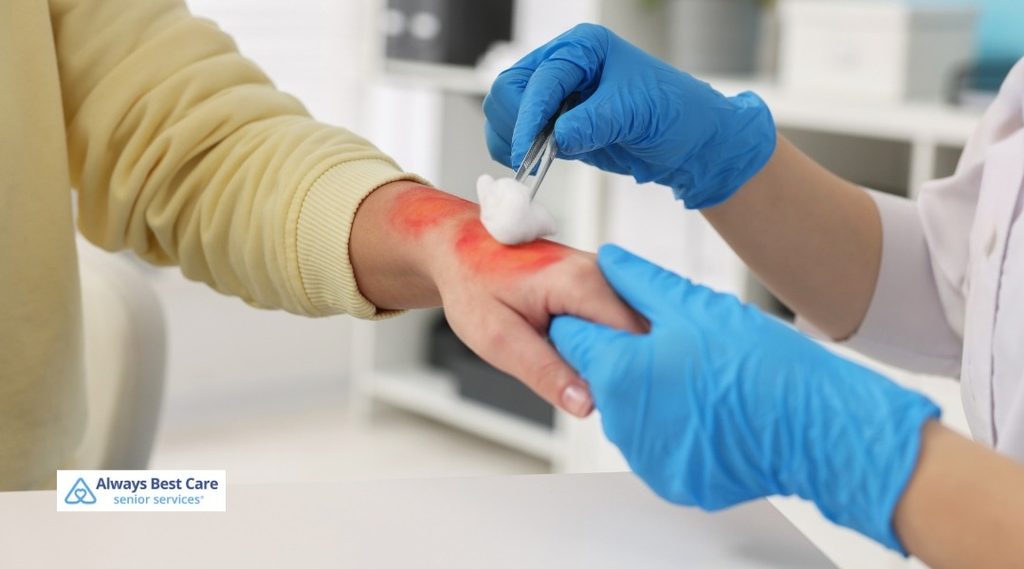
How Skilled Nursing in Tempe, AZ Supports Wound Care at Home
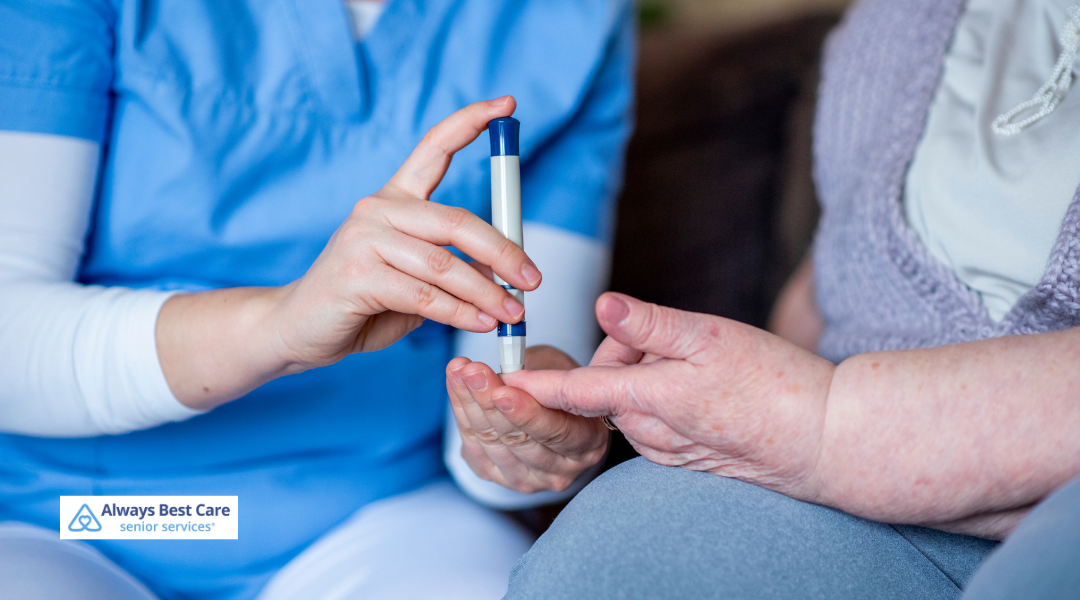
So what does skilled nursing for wound care really look like at home? For seniors in Tempe, AZ, we at Always Best Care of Tempe, AZ can bring wound care support right to the front door, based on the doctor’s orders and the person’s needs.
A home health nurse may:
- Assess the wound and track how it’s healing
- Clean the area using safe techniques
- Change dressings on a regular schedule
- Watch for signs of infection or complications
- Teach families and seniors how to care for the wound between visits
- Share updates with the healthcare provider when something changes
Having a nurse visit at home can be especially reassuring after a hospital stay, rehab, or surgery. Families don’t have to guess what’s “normal” or worry alone about what’s going on under the bandage.
Preventing Pressure Injuries at Home
For seniors who spend a lot of time in bed or sitting in a chair, preventing wounds can be just as important as treating them. Staying in one position too long can lead to pressure on certain spots and eventually cause skin breakdown.
Helpful steps include:
- Changing positions regularly throughout the day
- Keeping skin clean, dry, and gently protected
- Using cushions or special mattresses to relieve pressure
- Supporting good eating and drinking habits
Caregivers can keep an eye on common pressure points like the:
- Heels
- Hips
- Tailbone
- Elbows
Catching redness or soreness early around these areas can stop a small problem from turning into a painful pressure injury.
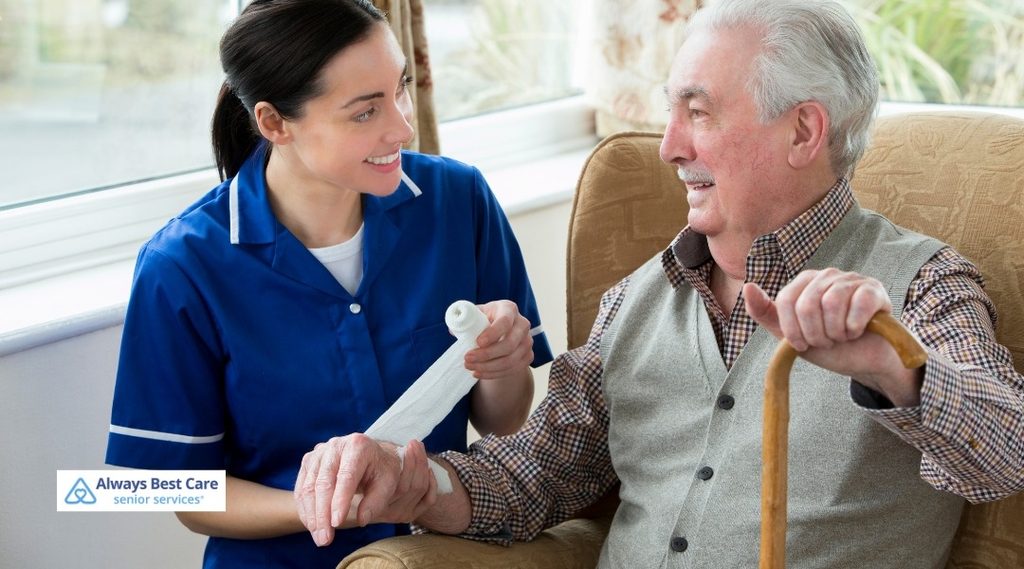
Home Health and In-Home Care: A Strong Partnership
Skilled nursing takes care of the medical side of wound care, but healing isn’t only about bandages and medicine. Many seniors also need day-to-day support while they recover.
In-home caregivers can help by:
- Preparing nutritious meals
- Assisting with bathing, dressing, and personal care
- Helping with light housekeeping
- Offering safe support while walking or moving
- Providing reminders for medications
- Noticing changes and sharing concerns with family or healthcare providers
When skilled nursing and in-home care work hand in hand, seniors can get both the medical care and the daily support they need to heal more comfortably at home.
Frequently Asked Questions
Q: When should we ask for skilled nursing help for wound care at home?
A: If a wound is deep, not healing, tied to surgery, or linked to diabetes or poor circulation, skilled nursing care can be very helpful. Any signs of infection or sudden changes are also good reasons to seek help.
Q: Can seniors with chronic wounds stay at home safely?
A: Yes, many seniors with long-lasting or slow-healing wounds can recover at home with regular skilled nursing visits, good nutrition, and support from caregivers.
Q: How often does a home health nurse visit for wound care?
A: Visit frequency depends on the wound, the doctor’s orders, and how the healing is going. Some wounds need daily care at first; others may only need check-ins a few times a week.
Q: What can families do between nursing visits?
A: Families can follow the nurse’s instructions for cleaning and dressing the wound, watch for warning signs, support healthy eating and hydration, and help the senior move safely to reduce pressure on vulnerable areas.
Q: Does wound care at home replace doctor visits?
A: No. Skilled nursing for wound care works alongside regular medical visits. Nurses share updates with the doctor and may suggest follow-up appointments if they notice changes.
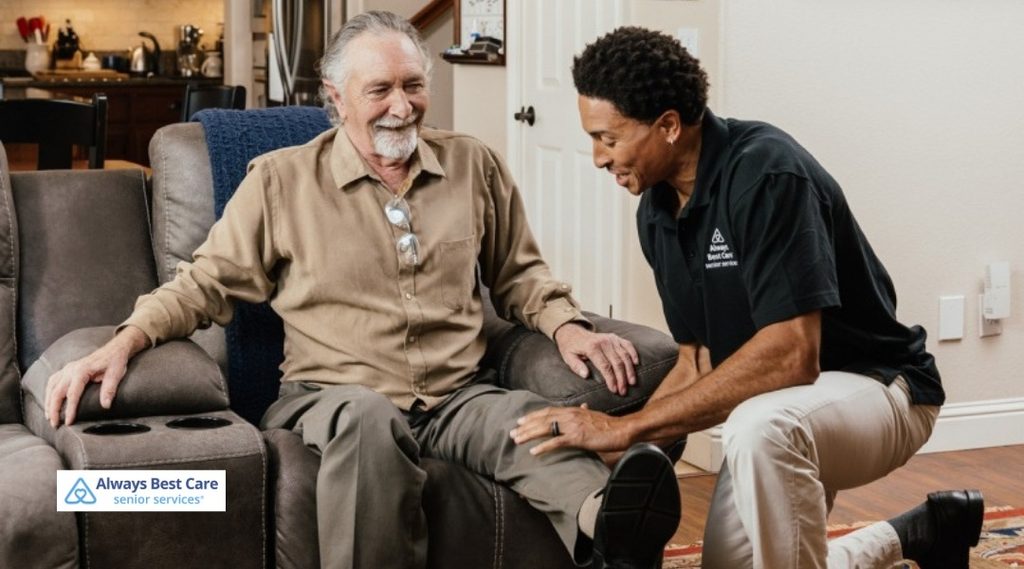
Supporting Safer Healing at Home in Tempe, AZ
Good wound care at home isn’t just about bandages; it’s about keen observation, steady support, and knowing when skilled nursing is needed. Families don’t have to manage complex or slow-healing wounds alone.
We at Always Best Care of Tempe, are here to help seniors heal more safely and comfortably right at home. From skilled nursing wound care to everyday in-home support, we work with families to create a care plan that fits their loved one’s needs.
If a parent or spouse is recovering from a wound, surgery, or another health issue and could use extra help at home, we at Always Best Care of Tempe welcome you to reach out at (480) 764-4172 for a care consultation and learn more about available options in Tempe.
Link to the Markdown File version of the article