

Blood Sugar Changes in Older Adults: Warning Signs Families Should Know in Tempe, AZ
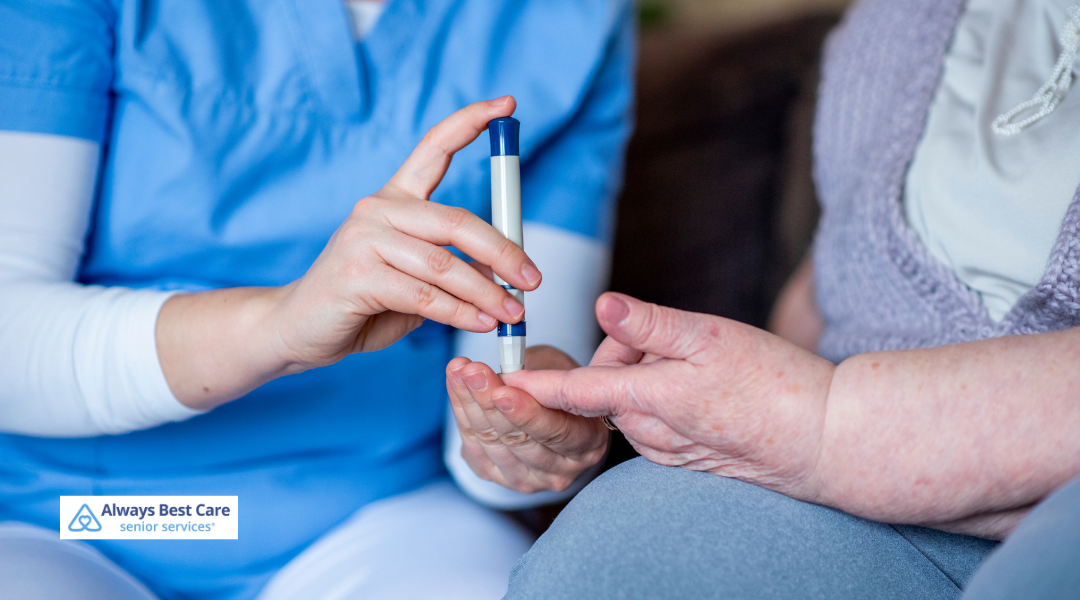
As people age, managing blood sugar becomes increasingly complex, even for those who have lived with diabetes for decades. In Tempe, AZ, where active senior lifestyles meet the challenges of a hot desert climate, understanding how blood sugar behaves in older adults is especially important. Dehydration from heat, changes in appetite, new medications, and reduced mobility can all quietly shift blood sugar levels in ways that are easy to miss until a crisis occurs.
This guide is designed to help families and caregivers recognize the warning signs early, build supportive routines, and know when to act.
What You Will Learn
- Why aging, medications, hydration, and Tempe’s heat can affect blood sugar in older adults.
- How to recognize possible warning signs of low and high blood sugar before they become more serious.
- Which everyday routines can help support steadier diabetes care and safer living at home.
- When memory, mobility, or daily-care challenges may signal that a loved one could benefit from extra support in Tempe, AZ.
Table of Contents
How Aging Changes the Way the Body Handles Blood Sugar
The body’s ability to regulate blood sugar shifts with age. Insulin sensitivity decreases, kidney function declines, and the hormonal signals that normally alert someone to low blood sugar can become blunted. This means older adults may not feel the classic warning signs — or may feel them differently than they did years ago.
Several factors compound this challenge:
- Multiple chronic conditions — Many seniors manage diabetes alongside heart disease, arthritis, or kidney disease, each requiring medications that can interact with blood sugar control.
- Polypharmacy — Taking five or more medications is common in older adults, and some drugs (including certain blood pressure medications and steroids) can raise or lower glucose levels.
- Cognitive changes — Even mild memory issues can lead to missed doses, forgotten meals, or double-dosing of insulin.
- Reduced thirst sensation — Older adults often don’t feel thirsty even when dehydrated, which is a significant concern in Tempe’s heat and can spike blood sugar rapidly.
- Decreased appetite and irregular eating — Skipping meals or eating inconsistently makes glucose management unpredictable.
Understanding these factors helps families move from reactive to proactive care.

Recognizing Low Blood Sugar (Hypoglycemia)
Hypoglycemia occurs when blood glucose drops below the healthy range — typically under 70 mg/dL. It can develop within minutes and requires prompt attention.
Common symptoms in older adults include:
- Shaking, trembling, or sweating
- Sudden dizziness or unsteadiness
- Intense hunger
- Headache
- Irritability, anxiety, or mood changes
- Difficulty concentrating or speaking clearly
- Confusion or disorientation
- Pale skin
- Changes in coordination or gait
What makes this tricky in seniors: Many of these symptoms overlap with normal aging or other conditions. A senior who seems “a bit off” or unusually quiet may actually be experiencing a blood sugar drop — not just a bad day.
Severe hypoglycemia can lead to seizures, loss of consciousness, or falls. If a loved one is unresponsive or cannot safely swallow, call 911 immediately.
Recognizing High Blood Sugar (Hyperglycemia)
Hyperglycemia develops more gradually than low blood sugar, which makes it easier to overlook. Blood sugar levels consistently above 180 mg/dL after meals, or above 130 mg/dL before meals, are generally considered elevated — though individual targets vary.
Symptoms to watch for:
- Increased thirst and dry mouth
- Frequent urination, including at night
- Blurred or worsening vision
- Fatigue and general weakness
- Headaches
- Unexplained weight loss
- Slow-healing wounds, cuts, or bruises
- Recurring infections (skin, urinary tract, or gum)
Chronically high blood sugar silently damages blood vessels, nerves, kidneys, and the eyes over time. But it can also cause acute emergencies. If a loved one shows sudden severe confusion, labored breathing, fruity-smelling breath, or loses consciousness, seek emergency care immediately — these may be signs of diabetic ketoacidosis (DKA) or hyperosmolar hyperglycemic state (HHS), both of which are life-threatening.

Pay Attention to What’s Normal for Your Loved One
You don’t need a medical degree to be a meaningful part of your loved one’s diabetes care. What you need is familiarity — knowing their baseline so you can recognize when something has shifted.
Ask yourself:
- Is my loved one more tired or withdrawn than usual?
- Are they drinking more water or using the bathroom more frequently?
- Have they seemed confused, irritable, or unsteady recently?
- Have their eating habits changed?
- Are they skipping medications or forgetting whether they took them?
These observations are valuable clinical data. Share them with the senior’s healthcare provider — they can help determine whether a blood sugar issue is at play or whether another condition needs attention.
It’s also worth having a direct conversation with the provider about:
- Your loved one’s personal blood sugar target range
- How often glucose should be checked and logged
- Which symptoms warrant a call to the doctor vs. a trip to the ER
- What to do if a dose is missed
Building Routines That Support Stable Blood Sugar
Consistency is one of the most powerful tools in diabetes management. Predictable schedules reduce the variability that causes blood sugar to spike or crash.
Supportive daily habits include:
- Eating meals and snacks at consistent times each day
- Taking medications exactly as prescribed — at the same time, every day
- Checking blood glucose as directed and logging results
- Drinking adequate fluids throughout the day (especially important in Tempe’s heat)
- Engaging in appropriate, regular physical activity
- Attending all scheduled medical appointments and lab work
Families should also provide a complete, updated medication list—including supplements and over-the-counter drugs—to every healthcare provider involved in the senior’s care. Even seemingly minor additions like certain vitamins or herbal supplements can affect glucose levels.

When Memory or Mobility Problems Complicate Diabetes Care in Tempe, AZ
Diabetes management is cognitively demanding. It requires remembering when to eat, when to take medications, when to check glucose, and when to call the doctor. For seniors experiencing memory changes — even mild ones — this can become overwhelming.
Physical limitations add another layer of difficulty. Arthritis can make it painful to use a glucose meter. Vision changes can make it hard to read a syringe or pill bottle. Reduced mobility can limit access to healthy food or the ability to get to appointments.
When these challenges emerge, it’s often a signal that in-home support would make a meaningful difference — not just for diabetes management, but for overall safety and quality of life.
How Always Best Care of Tempe, AZ Can Help
Living well with diabetes is about far more than monitoring numbers. It’s about the daily habits, routines, and support systems that make healthy choices possible.
Always Best Care of Tempe, AZ caregivers provide hands-on assistance that directly supports diabetes management, including:
- Preparing nutritious meals and snacks on a consistent schedule
- Providing medication reminders to reduce missed or double doses
- Encouraging adequate hydration throughout the day
- Supporting safe physical activity appropriate to the senior’s abilities
- Assisting with transportation to medical appointments and pharmacy visits
- Observing and reporting changes in behavior, appetite, or physical condition to family and healthcare providers
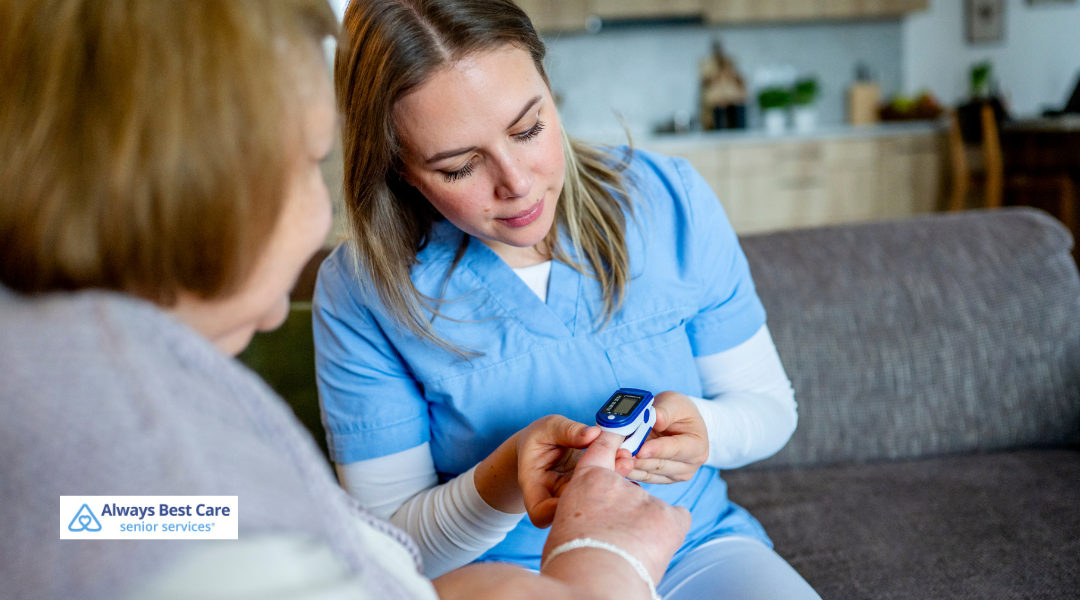
For seniors who qualify, home health services are also available, providing skilled nursing support — including glucose monitoring, wound care, and medication management — based on a physician’s care plan.
Frequently Asked Questions
Q: What blood sugar level is considered dangerous for an older adult?
A: Generally, blood sugar below 70 mg/dL (hypoglycemia) or above 300 mg/dL (severe hyperglycemia) is considered dangerous and requires prompt attention. However, individual target ranges vary — always follow the guidance of the senior’s healthcare provider.
Q: Can an older adult have low blood sugar without feeling symptoms?
A: Yes. This is called hypoglycemia unawareness and is more common in older adults and those who have had diabetes for many years. The body’s warning signals become less reliable over time, making regular glucose monitoring and caregiver observation especially important.
Q: How does Tempe’s heat affect blood sugar in seniors?
A: Heat can cause dehydration, which concentrates glucose in the bloodstream and raises blood sugar levels. It can also affect how insulin is absorbed. Seniors in Tempe should stay well-hydrated, avoid prolonged outdoor activity during peak heat hours, and monitor blood sugar more closely during hot weather.
Q: What should I do if I find my loved one confused and I’m not sure if it’s a blood sugar issue?
A: If your loved one is conscious and able to swallow safely, and you suspect low blood sugar, you can offer 15 grams of fast-acting carbohydrates (such as 4 oz of juice or glucose tablets) and recheck in 15 minutes. If they are unconscious, unresponsive, or you are unsure, call 911 immediately. Do not attempt to give food or drink to someone who cannot swallow safely.
Q: How can a caregiver help without overstepping?
A: Focus on supporting routines rather than taking over. Remind rather than manage. Observe and report rather than diagnose. A good caregiver empowers the senior’s independence while providing a safety net — and communicates regularly with family and healthcare providers.
Q: When is it time to consider in-home care for a senior with diabetes?
A: Consider in-home care when a senior is missing medications or meals, has had a recent fall or hospitalization, is struggling to prepare food or get to appointments, or when family caregivers are stretched thin. Early support often prevents more serious health events down the road.
Helping Your Loved One Stay Safe with Diabetes
Blood sugar can shift quickly, and older adults don’t always recognize the warning signs in themselves. Your involvement as a family member or caregiver can be the difference between a close call and a crisis.
Stay engaged. Know their routines. Trust your instincts when something seems off. And don’t hesitate to reach out for professional support when the demands of diabetes care exceed what family alone can manage.
If your loved one has diabetes and could benefit from consistent, compassionate support at home, Always Best Care of Tempe is here to help. Contact us at (480) 764-4172 to schedule a care consultation and learn how our team can support safer routines, greater independence, and a better quality of life.
Link to the Markdown File version of the article