

Living Well with COPD in Tempe, AZ: How Seniors Can Manage Symptoms and Stay Comfortable at Home
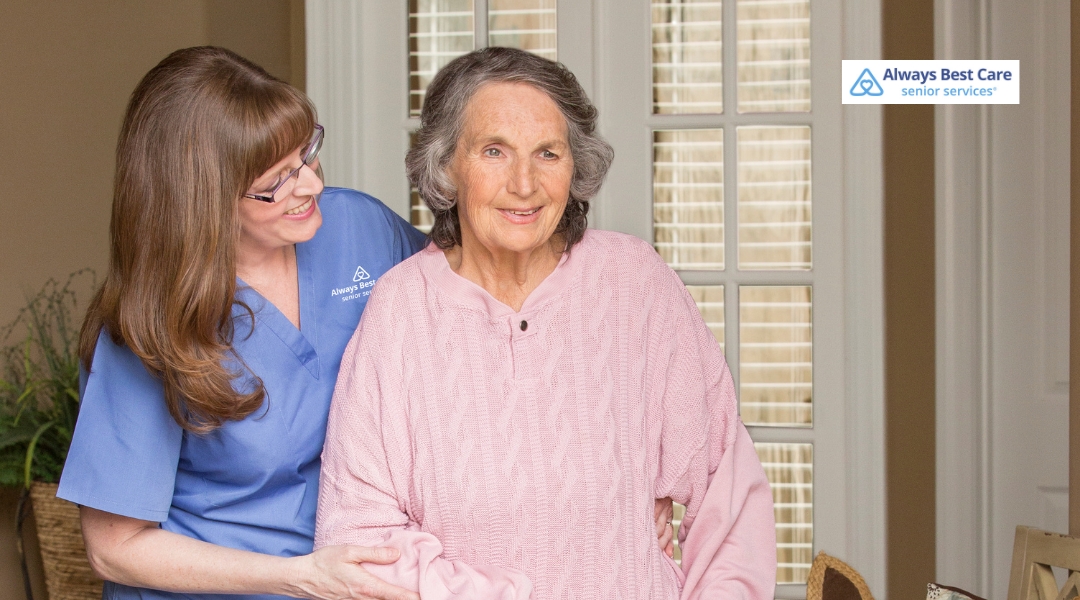
Chronic Obstructive Pulmonary Disease (COPD) is one of the most common chronic conditions affecting older adults and one of the most manageable when approached with the right strategy. For seniors in Tempe, AZ, where warm temperatures and seasonal dust can affect air quality, understanding how to live well with COPD is especially important.
COPD does not have to define daily life. With consistent habits, a supportive environment, and the right help at home, seniors can breathe easier and maintain the independence they value.
What you will learn:
- How COPD affects more than just breathing, including energy, emotions, and daily confidence.
- Simple, practical ways seniors can manage symptoms and stay comfortable at home.
- How to recognize early warning signs of flare-ups and respond quickly.
- The supportive role in-home care can play in helping seniors maintain independence and quality of life.
Table of Contents
Understanding COPD Beyond the Basics
Most people know COPD makes breathing difficult. What is less discussed is how the condition affects energy, mood, and daily confidence. Seniors with COPD often scale back activities not just because of breathlessness, but because of fear, fear of triggering a flare-up, fear of being far from help, or fear of becoming a burden.
Recognizing this emotional dimension is just as important as managing physical symptoms. COPD care works best when it addresses the whole person, not just the lungs.
Common symptoms to monitor include:
- Shortness of breath during routine tasks
- Chronic cough or wheezing
- Chest tightness
- Frequent respiratory infections
- Fatigue that limits daily activity
Because these symptoms develop gradually, they are sometimes mistaken for normal aging. Early recognition and consistent management are key.

Practical Strategies for Managing COPD at Home
Create a Breathing-Friendly Environment
In Tempe, dust, pollen, and dry air can aggravate COPD symptoms. Controlling the indoor environment is one of the most impactful steps a senior can take.
- Run air purifiers with HEPA filters and replace them on schedule
- Keep windows closed on high-wind or high-pollen days
- Avoid aerosol sprays, scented candles, and harsh cleaning products
- Maintain consistent indoor humidity to prevent airway irritation
Small environmental changes can significantly reduce the frequency and severity of flare-ups.
Stay on Top of Medications
Inhalers, bronchodilators, and oxygen therapy are common tools for managing COPD. Their effectiveness depends entirely on consistent, correct use. Seniors should work closely with their physician to review their medication plan regularly and adjust as symptoms evolve.
A caregiver or family member can play a valuable role here, not by managing the senior’s medications, but by offering reminders and helping to track any changes in how the senior feels after taking them.
Move More, Breathe Better
It may seem counterintuitive, but regular physical activity is one of the best things a senior with COPD can do. Gentle movement strengthens the muscles that support breathing and improves overall stamina.
Low-impact options that work well for seniors include:
- Short, paced walks in the early morning when Tempe temperatures are cooler
- Chair-based stretching or yoga
- Breathing exercises such as pursed-lip breathing and diaphragmatic breathing
Always consult a healthcare provider before starting or adjusting an exercise routine.
Prioritize Nutrition and Hydration
What seniors eat and drink directly affects how their lungs function. Staying well-hydrated helps thin mucus and keep airways clearer. A diet rich in fruits, vegetables, lean proteins, and whole grains supports both respiratory and cardiovascular health.
Seniors with COPD may also find that smaller, more frequent meals are easier to manage than large ones, as a full stomach can press against the diaphragm, making breathing feel more labored.

Know the Warning Signs of a Flare-Up
COPD symptoms can escalate quickly. Families and caregivers should know what to watch for:
- Increased breathlessness beyond the usual baseline
- Changes in mucus color, consistency, or volume
- Fever or chills suggesting infection
- Unusual fatigue or sudden confusion
- Difficulty completing tasks that were manageable before
Prompt attention to these signs can prevent more serious complications and reduce the likelihood of hospitalization.
How In-Home Care Makes a Difference
Managing COPD is a daily commitment. For seniors living alone or without nearby family, that commitment can feel isolating and exhausting. In-home care provides consistent, practical support that helps seniors stay on track without sacrificing independence.
Always Best Care of Tempe, AZ can assist with:
- Medication reminders and symptom monitoring
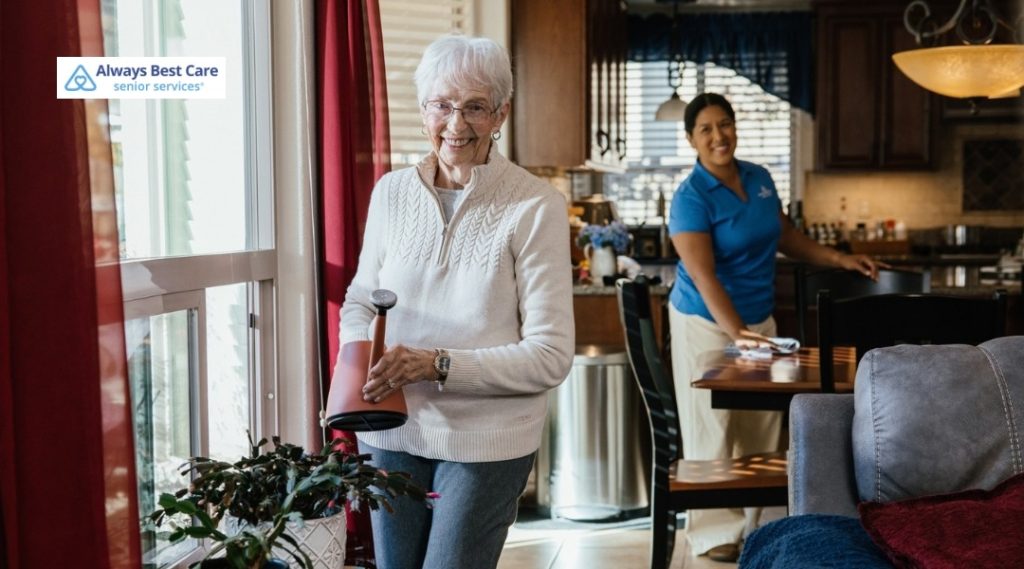
- Light housekeeping to maintain clean indoor air
- Meal preparation focused on respiratory-supportive nutrition
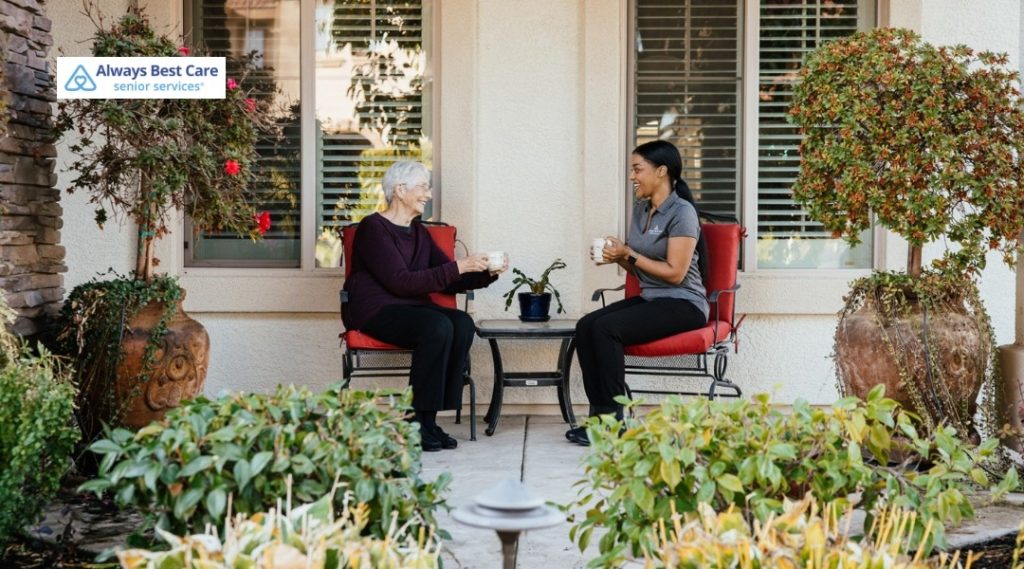
- Encouragement and companionship to reduce anxiety
- Transportation to medical appointments and pulmonary rehab
- Coordination with healthcare providers for those needing skilled nursing support
Having a reliable caregiver also gives families peace of mind knowing their loved one is not managing COPD alone.

Living Fully with COPD
A COPD diagnosis changes daily life, but it does not have to shrink it. Seniors who build consistent routines, stay connected to their care team, and accept support when needed are often able to maintain a high quality of life for years.
The goal is not just to manage symptoms; it is to help seniors in Tempe, AZ, feel confident, comfortable, and in control of their own health.
Frequently Asked Questions About COPD and Senior Home Care
Q: What is the difference between COPD and asthma?
A: Both conditions affect breathing, but they differ in cause and progression. Asthma is typically triggered by allergens or irritants and is often reversible. COPD is a progressive condition most commonly caused by long-term smoking or exposure to lung irritants, and the airflow limitation is not fully reversible. Some seniors have both conditions simultaneously.
Q: Can COPD be managed at home, or does it require facility-based care?
A: Most seniors with COPD can be managed effectively at home, especially with the right support in place. In-home care, regular physician visits, and pulmonary rehabilitation programs enable many seniors to avoid or delay the need for facility-based care.
Q: How does Tempe’s climate affect COPD symptoms?
A: Tempe’s dry heat and seasonal dust storms (haboobs) can worsen COPD symptoms by irritating the airways. Seniors should monitor local air quality reports, stay indoors during high-dust events, and keep their home well-filtered and humidity-controlled.
Q: What breathing techniques are most helpful for COPD?
A: Pursed-lip breathing, inhaling through the nose, and exhaling slowly through pursed lips help slow breathing and improve oxygen exchange. Diaphragmatic breathing strengthens the diaphragm and reduces the effort required to breathe. Both can be learned quickly and practiced daily.
Q: When should a senior with COPD go to the emergency room?
A: Seek emergency care if the senior experiences severe shortness of breath that does not improve with medication, bluish lips or fingertips, rapid heart rate, or sudden confusion. These may indicate a serious flare-up or oxygen deprivation requiring immediate attention.
Q: How can a caregiver help without overstepping a senior’s independence?
A: The best caregivers support without taking over. This means offering reminders rather than managing medications directly, encouraging activity rather than restricting it, and being present without being intrusive. The goal is always to help the senior do more, not less.
Taking Control of COPD, One Breath at a Time
If your loved one is living with COPD and could benefit from extra support at home, Always Best Care of Tempe, is here to help. Call us today at (480) 676-1446 to schedule a care consultation and learn how our caregivers can support your loved one’s respiratory health and daily comfort.
Link to the Markdown File version of the article