
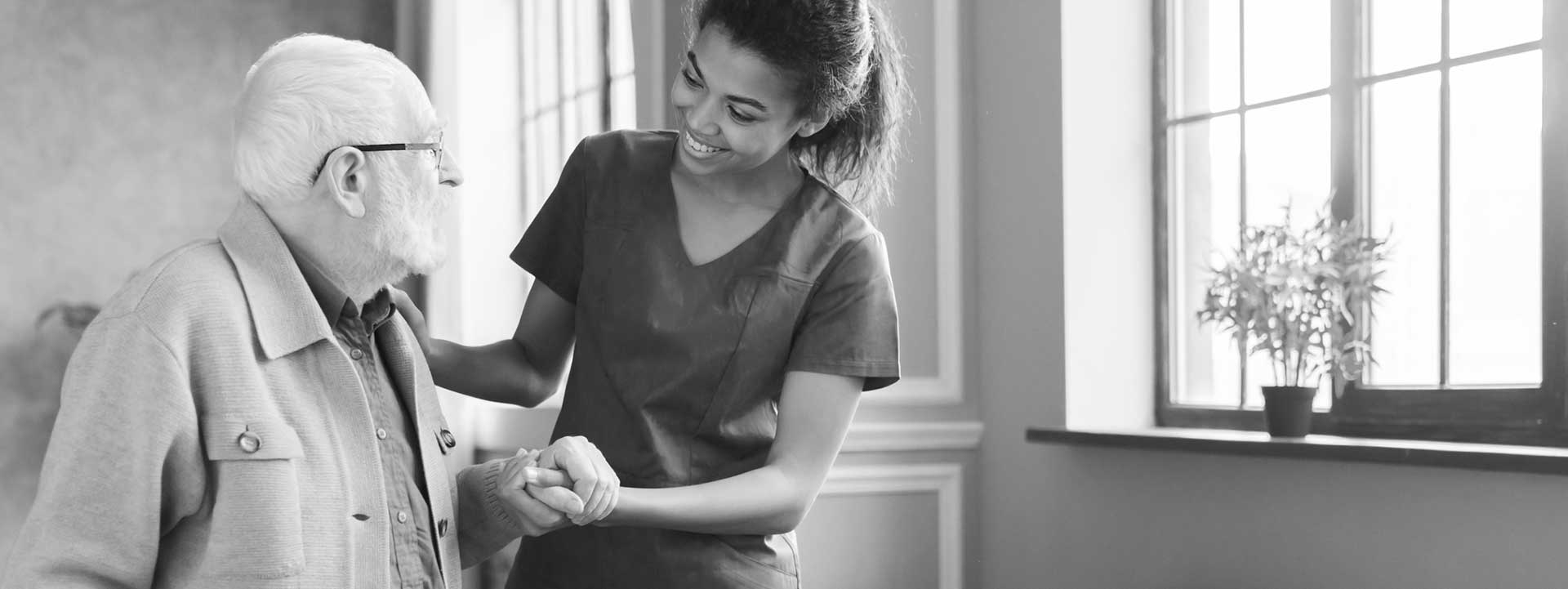
Creating a Safer Home for Aging Veterans in Tempe: Adaptive Changes and Daily Care Support
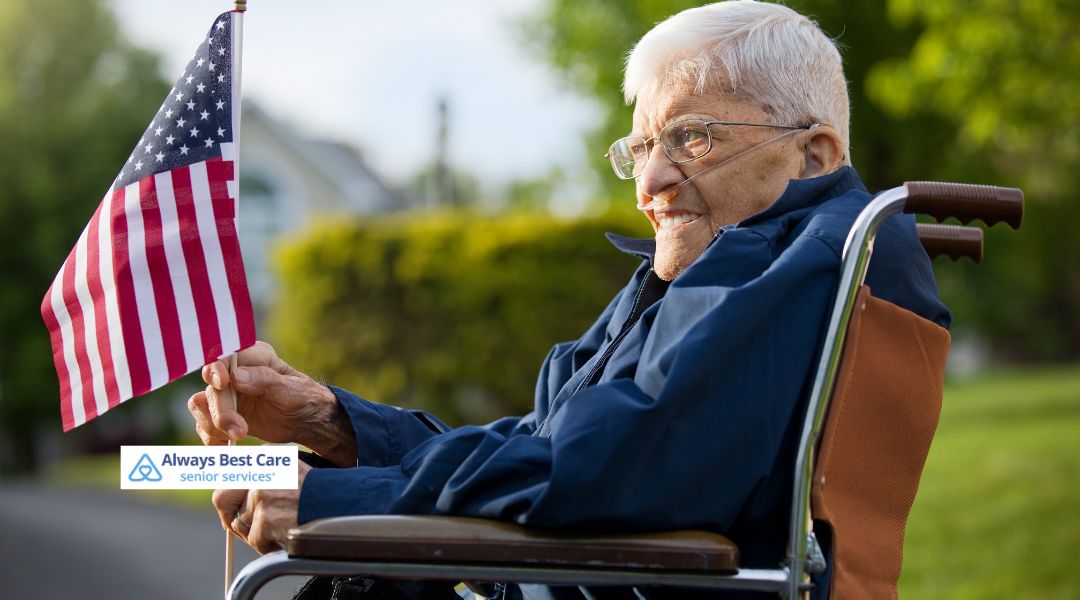
The favorite armchair. Coffee in the same mug. A porch where the morning starts slowly. Home holds the routines that make life feel familiar, and safety changes shouldn’t erase them.
For aging veterans in Tempe, the goal isn’t to take over. It’s to make everyday life easier while protecting choice and dignity. A clearer hallway, better bathroom lighting, or help with dressing can support that goal. Home adjustments and daily assistance can work together to help veterans remain comfortable in familiar surroundings.
What you will learn:
- How thoughtful home adaptations help aging veterans stay safe while preserving familiar comforts.
- Ways to prepare for Tempe’s heat and keep loved ones comfortable at home.
- How daily care support can protect independence and make everyday routines easier.
- Which VA programs may help eligible veterans fund home modifications.
Table of Contents
Start With a Conversation, Not a Renovation
Before buying equipment or rearranging furniture, ask: “What’s getting harder around the house?”
Perhaps stepping into the shower feels uncertain. Maybe carrying lunch while using a walker has become awkward. Start with those real-life moments rather than assuming what a veteran needs.
Walk through daily routines together. For more complex challenges, seek a professional assessment before choosing structural adaptations. The best plan should fit the person, not simply tick boxes.

Make Home Adaptations Room by Room
Clear the Routes Used Most
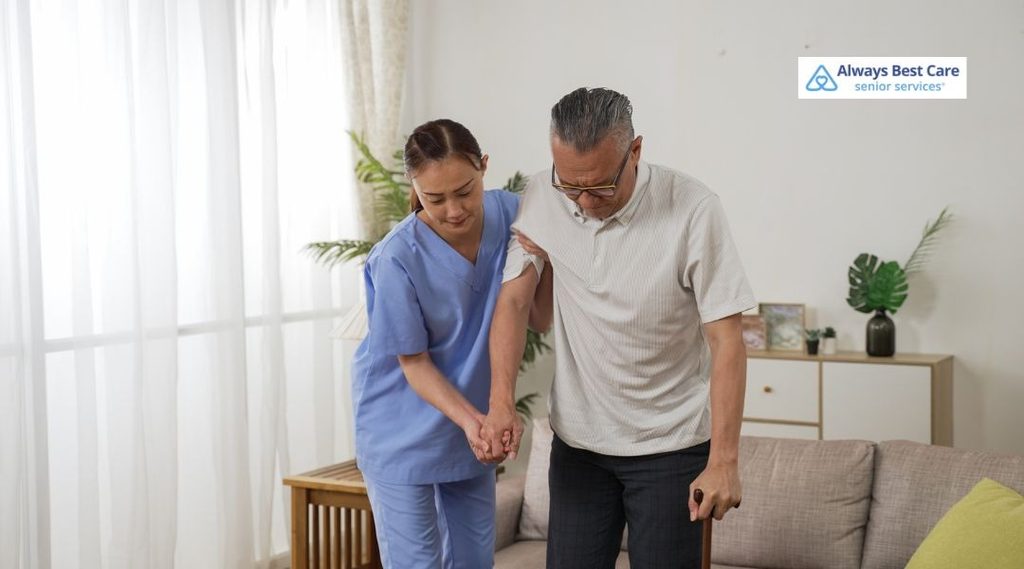
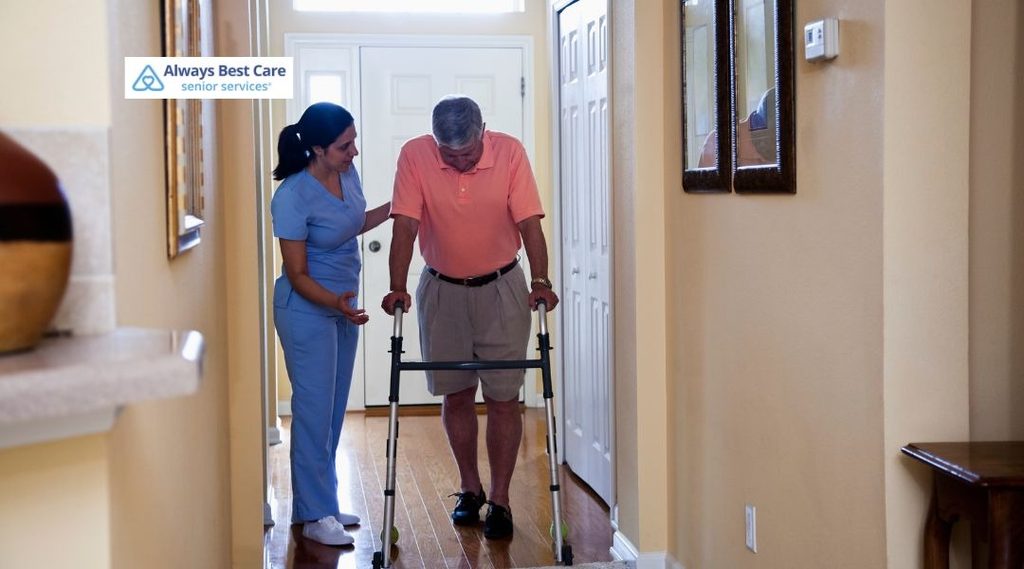
Begin with the path between the bedroom, bathroom, kitchen, and entrance. Remove loose rugs, move trailing cords, and leave enough space around furniture for mobility aids. Place frequently used belongings within easy reach so there’s less need to stretch or climb.
Keep meaningful possessions. A safer home doesn’t have to look stripped bare.
Give Bathrooms Extra Attention
Wet floors and awkward movements deserve careful planning. Properly installed grab bars near the toilet and bathing area, suitable shower seating, and accessible bathing arrangements are worth discussing with a qualified professional.
Don’t choose equipment on appearance alone. Ask whether it suits the veteran’s balance, reach, and usual way of moving.
Improve Lighting and Entrances
Nightlights can brighten the route to the bathroom, while better lighting near steps makes changes in level easier to see. Secure handrails also belong on the priority list. If a ramp or wider doorway seems necessary, arrange professional planning rather than guessing at the design.
Make Tempe’s Heat Part of the Plan
Home safety isn’t just about avoiding trips. Older adults are more vulnerable to heat stress, and some health conditions and medications can affect how their bodies handle high temperatures.
Keep cooling systems maintained and agree on an air-conditioned backup location if the home becomes too hot. Make drinks easy to reach, but follow the healthcare provider’s advice if fluids are restricted. Plan outdoor activities around cooler periods rather than the midday heat.
A simple question helps: “Who will check in if the air conditioning stops working?”
Pair Physical Changes With Daily Care
A grab bar can improve access, but it can’t prepare breakfast or help someone get dressed. That’s where practical support fits in.
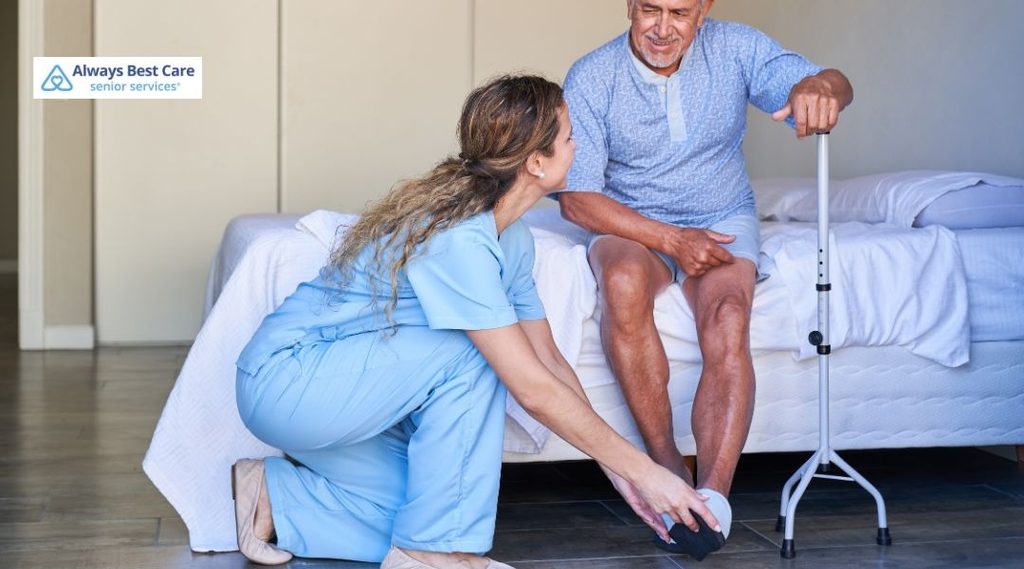
Always Best Care of Tempe offers assistance with bathing, dressing, grooming, meal preparation, light household chores, and laundry as part of its aging-in-place support.
Build care around the moments that are genuinely difficult. Morning assistance may be the priority; another household may need help with meals and keeping walkways clear.
Agree on responsibilities, too. Family members, caregivers, and healthcare professionals should understand who handles each task. Discuss medication-related needs separately so reminders aren’t confused with clinical services.
Check VA Options Before Starting Work
Some veterans may qualify for help with home adaptations, but veteran status alone doesn’t guarantee funding.
The Home Improvements and Structural Alterations benefit, known as HISA, supports qualifying medically necessary changes. Specially Adapted Housing and Special Home Adaptation grants have different eligibility requirements, including specific service-connected disability criteria. These programs aren’t interchangeable.
Before paying a contractor, confirm the applicable program’s documentation and approval requirements. Keep questions about renovation funding separate from questions about paying for ongoing home care.
Frequently Asked Questions
Q: What home safety changes should families make first?
A: Start with clear walkways, loose rugs, lighting, and frequently used items stored out of reach. Then review bathroom access and entrances, seeking professional guidance for more complex changes.
Q: Can VA benefits pay for home modifications?
A: Eligible veterans may receive assistance through HISA or adapted housing grants. Coverage depends on the program, medical or disability requirements, housing circumstances, and proposed work. Confirm eligibility before beginning a project.
Q: How can in-home care support an aging veteran?
A: In-home assistance can help with personal care, meals, laundry, and light housekeeping. These services complement home adaptations by addressing everyday tasks that changes to the building alone cannot handle.
Q: How can families reduce heat risks at home?
A: Maintain a cool indoor environment, arrange check-ins, and prepare an air-conditioned backup location. Keep drinks accessible while following any prescribed fluid restrictions.
A Safer Home, Still Their Home
Creating a Safer Home for Aging Veterans in Tempe: Adaptive Changes and Daily Care Support starts with listening. Address the biggest obstacles first, introduce changes thoughtfully, and preserve the routines that matter.
For help planning everyday assistance, contact Always Best Care of Tempe at 480-764-4172 to request a personal care consultation.
Link to the Markdown File version of the article