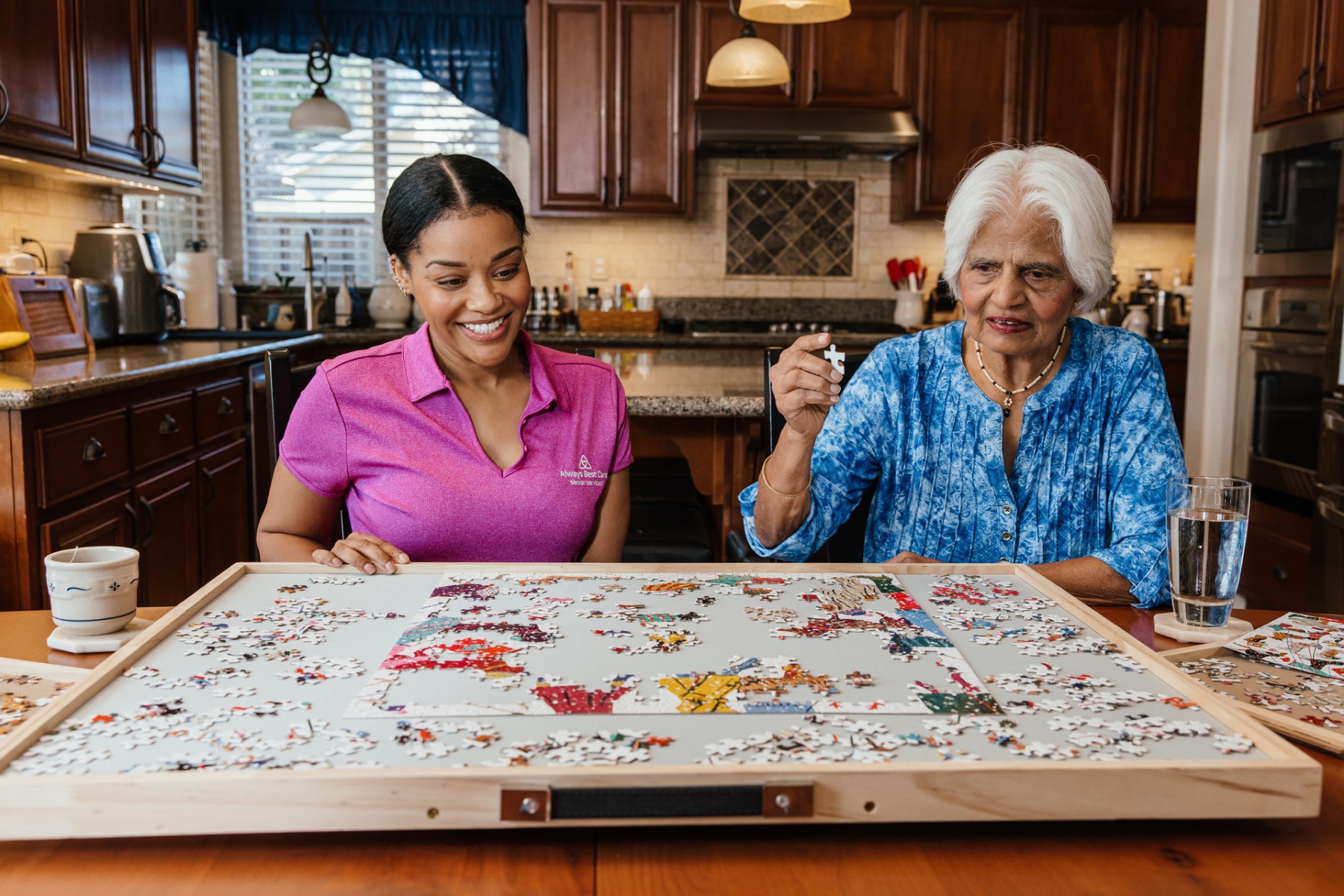

Managing Diabetes with Seniors: Supporting Health and Independence at Home in the East Bay

Here’s the thing about diabetes in older adults: it’s incredibly common, yet it doesn’t have to derail someone’s quality of life. Millions of seniors are living well with diabetes, enjoying their hobbies, spending time with family, and staying active in their communities. The trick? Getting the proper support and staying consistent with daily routines.
The challenge is that managing diabetes with seniors isn’t quite the same as helping younger folks navigate the condition.
Aging brings metabolic changes, multiple medications, vision issues, and sometimes a bit of forgetfulness, all of which can complicate blood sugar management. But here’s the good news: with proper care, education, and daily monitoring, older adults can absolutely thrive.
What you will learn:
- The unique challenges seniors face when managing diabetes and how aging impacts blood sugar control.
- Practical strategies for managing diabetes at home, including nutrition, exercise, and medication reminders.
- How professional in-home care from Always Best Care of East Bay can support diabetes management, ensuring safety and independence.
- Key warning signs to watch for and how early detection can prevent serious complications.
Table of Contents
Understanding How Diabetes Affects Older Adults
Diabetes messes with how the body uses glucose, causing blood sugar to climb higher than it should. Left unchecked over time, this damages the heart, kidneys, eyes, and nerves. For seniors, the stakes feel higher because their bodies don’t bounce back quite as easily.
Two Main Types of Diabetes in Seniors:
- Type 2 diabetes — the far more common form, usually tied to insulin resistance and lifestyle factors
- Type 1 diabetes — less frequent in older adults, though some folks have been managing it their whole lives
What makes managing diabetes with seniors trickier is that they’re often juggling multiple health conditions simultaneously.
They might be taking medications for blood pressure, heart disease, and arthritis all at once. That’s why healthcare providers recommend individualized treatment plans rather than one-size-fits-all approaches.
Real-World Challenges Seniors Face Daily

Let’s be honest, consistency is everything when it comes to diabetes management, yet it’s often the hardest part. Older adults commonly struggle with:
- Forgetting to check blood sugar or take insulin at the right times
- Skipping meals or eating irregularly due to loss of appetite
- Difficulty preparing meals because of arthritis or mobility issues
- Vision problems that make reading medication labels nearly impossible
- Managing a pharmacy’s worth of prescriptions for different conditions
- Confusion about which medications do what
These obstacles can send blood sugar levels on a rollercoaster ride, which is especially dangerous for seniors living alone. Hypoglycemia (dangerously low blood sugar) can hit fast and hard, causing dizziness, confusion, or worse.
Building a Solid Diabetes Management Plan
Nourishing the Body Right
A balanced diet truly is the foundation of managing diabetes in seniors. The goal isn’t restriction, it’s feeding their bodies what they need to feel good and stay stable.
Focus on including:
- High-fiber carbs like vegetables, beans, and whole grains
- Lean proteins such as fish, chicken, or plant-based options
- Healthy fats from nuts, olive oil, and avocados
- Regular meal timing to prevent wild blood sugar swings
Rather than making drastic changes to lifelong eating habits, it’s smarter to work with what seniors already enjoy. Small tweaks often work better than overhauls. And here’s a practical tip: smaller, more frequent meals can help prevent the blood sugar dips and spikes that cause problems.

Getting Moving (At Their Pace)
Exercise is a game-changer for blood sugar control, plus it boosts mood, strength, and circulation. The key? Keeping it gentle and sustainable.
Perfect activities for older adults include:
- Leisurely walks around the neighborhood
- Light stretching or beginner yoga
- Chair exercises for those with mobility limits
- Gardening or light housework
- Swimming or water aerobics
Before jumping into any new routine, they’ve gotta chat with their doctor first. What works for one person might not be right for another.
Staying on Top of Medications and Monitoring
This is where things get real. Consistent medication use and glucose monitoring can literally be the difference between a healthy day and a medical emergency.
Smart strategies include:
- Setting phone reminders for testing and medication times
- Using pill organizers with clear labels for each day
- Keeping a simple log of blood sugar readings
- Scheduling regular check-ups without fail
- Having caregivers from Always Best Care of East Bay watch for mood or energy shifts that might signal trouble

Spotting Trouble Before It Gets Serious
Knowing the warning signs of uncontrolled diabetes can prevent complications from sneaking up. Watch for:
- Excessive thirst or frequent urination
- Unusual tiredness or weakness
- Vision getting blurry
- Unexplained weight loss
- Wounds or infections that won’t heal
- Tingling in the feet or hands
Any of these symptoms warrants a call to the doctor right away.
How Professional In-Home Care Makes a Real Difference
Honestly, managing diabetes with seniors becomes so much easier with the right support system. Professional caregivers from Always Best Care of East Bay can step in and handle the day-to-day tasks that feel overwhelming:
- Shopping for groceries and preparing nutritious meals
- Encouraging movement and making sure they’re drinking enough water
- Reminding them about medications and tracking doses
- Noticing and reporting any concerning changes
- Offering companionship that reduces stress (which actually helps blood sugar stability)
With compassionate, trained support, seniors maintain better control and enjoy genuine independence at home.

Frequently Asked Questions
Q: What’s the ideal blood sugar target for older adults?
A: It depends on their overall health. Healthier seniors might aim for an A1C around 7–7.5%, while those with multiple health issues do better with a slightly higher target of 7.6–8.5% to avoid dangerous low blood sugar episodes.
Q: Can seniors stop taking diabetes medication if they lose weight?
A: Never without a doctor’s approval. Even if the weight drops, the underlying condition usually requires ongoing management. Always check with their healthcare provider before making any changes.
Q: How often should blood sugar be checked?
A: That varies based on their specific situation and medications. Their doctor will provide clear guidance on testing frequency.
Q: Is it too late to make lifestyle changes?
A: Absolutely not. Even small improvements in diet and activity can make a meaningful difference in managing diabetes in seniors.
Q: What should I do if a senior refuses to follow their diabetes plan?
A: This calls for patience and problem-solving. Sometimes the plan is too complicated, or they’re feeling overwhelmed. Talking openly about barriers and adjusting the approach often helps.
Empower Your Loved Ones: Master Diabetes Management at Home with Expert Support from Always Best Care of East Bay!
Managing diabetes in seniors doesn’t have to be a daunting task when the right strategies, care, and support are in place.
At Always Best Care of East Bay, we are committed to providing compassionate, expert in-home care that helps families navigate the complexities of diabetes management.
If you’re ready to get the support your loved one deserves, contact us at (925) 210-0323 today to learn more about our services and how we can help.