Speech Therapy at Home: How It Supports East Bay Seniors Living With Stroke or Neurological Conditions
After a stroke or neurological condition, everyday conversations can suddenly feel like climbing a mountain. Words get stuck, sentences don’t come out right, and mealtimes can feel stressful instead of joyful. For East Bay seniors and their families, that can be downright overwhelming.
Speech therapy at home offers a gentle, hopeful path forward. With caring support right where life happens, seniors can rebuild communication skills, feel heard again, and stay connected to the people and places they love.
What you will learn:
- How stroke and neurological conditions can change speech, swallowing, and daily communication for East Bay seniors.
- How in-home speech therapy works, including its goals, benefits, and gentle, day-to-day approach to care.
- How families, caregivers, and Always Best Care of East Bay work together to support safety, independence, and emotional well-being at home.
Table of Contents
Understanding Stroke and Neurological Conditions in Seniors
Stroke and neurological conditions can disrupt how the brain sends and receives messages. One moment, speech flows easily; the next, it feels like everything’s scrambled. Conditions such as stroke, Parkinson’s disease, Alzheimer’s disease, and ALS are all common in older adults and can each affect communication in different ways.
For East Bay families, this often shows up as changes in speech, memory, and understanding that can be confusing and scary. Knowing what’s happening is the first step toward meaningful support.
How These Conditions Affect Speech and Swallowing
Speech and swallowing rely on a finely tuned network of muscles and brain pathways. When that network is injured, seniors may notice:
- Slurred, slow, or hard-to-understand speech
- Difficulty finding the right words or following conversations
- Long pauses, mixed-up words, or “blank” moments
- Coughing, choking, or discomfort while eating and drinking
Beyond the physical side, there’s an emotional weight here too. Feeling unable to speak clearly can chip away at confidence and create a sense of being “trapped” inside.
What Is In-Home Speech Therapy for Seniors?
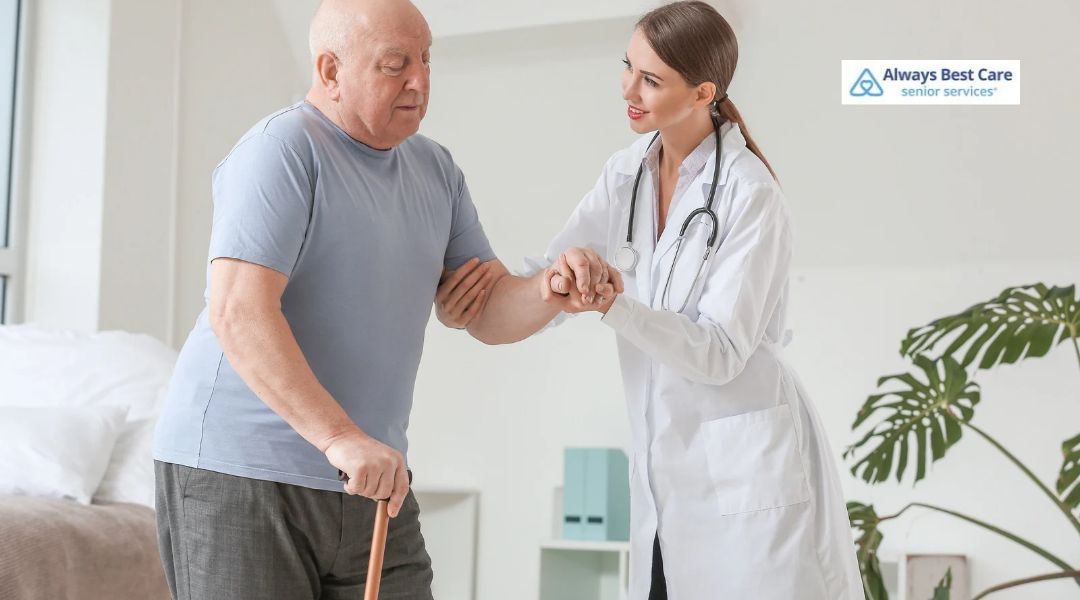
In-home speech therapy brings professional support directly to the senior’s doorstep. A licensed speech-language pathologist (SLP) visits the home, gets to know the person, and creates a plan that fits their needs, lifestyle, and goals.
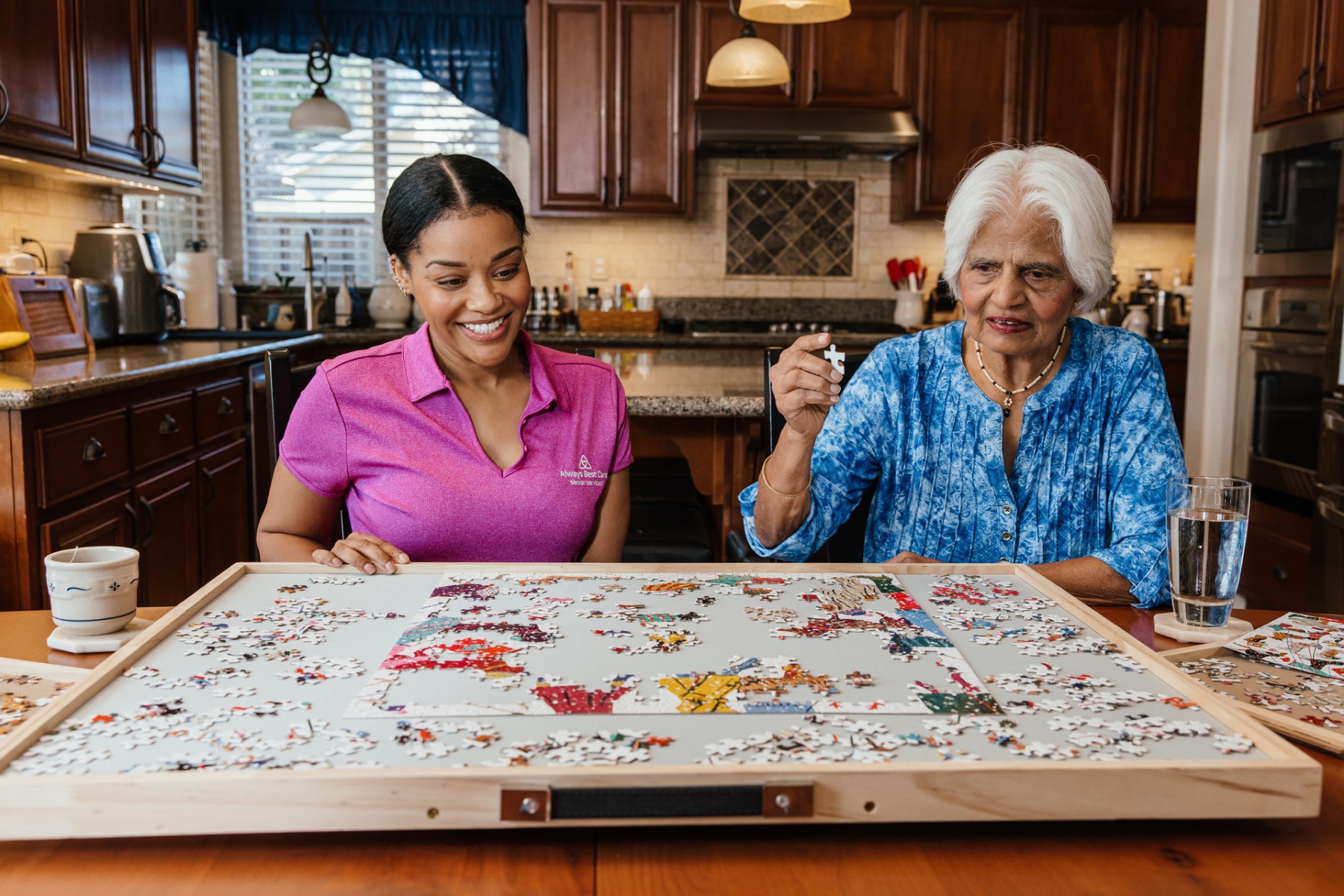
A typical visit might include gentle assessments, targeted exercises, and real-life practice like chatting at the kitchen table, reading mail, or practicing safe swallowing techniques. Care feels less like an appointment and more like guided practice in everyday life.
Key Goals of Speech Therapy at Home
Speech therapy at home focuses on practical, life-enhancing progress. Common goals include:
- Improving speech clarity so loved ones can understand more easily.
- Enhancing comprehension, memory, and problem-solving during conversations.
- Strengthening swallowing muscles to support safer eating and drinking.
Over time, even small steps forward, like pronouncing a tricky word or enjoying a meal without coughing, can make a big difference in daily comfort and confidence.
Why Choose Speech Therapy at Home in the East Bay
Traffic, parking, and long waits at clinics can be exhausting, especially for seniors recovering from stroke or living with neurological conditions. In the East Bay, home-based speech therapy removes those hurdles.
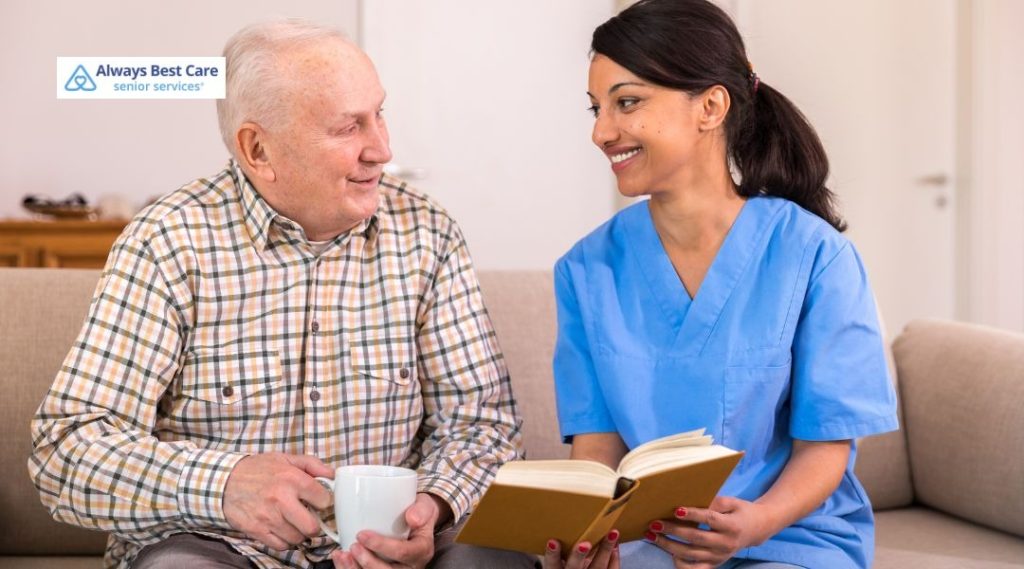
Seniors can stay in a familiar environment, surrounded by their favorite photos, chairs, and routines. Anxiety often drops, which means energy can shift toward practicing skills and enjoying time with family instead of stressing about getting to an appointment.
Personalized Care in a Familiar Environment
Home is where habits live. That’s exactly why in-home speech therapy works so well. SLPs design activities around:
- Real conversations with family members
- Regular mealtimes and favorite foods
- Everyday tasks like answering the phone or asking for help
Because therapy happens in the spaces where seniors actually live, progress translates more easily into daily life. Skills don’t just sit on a worksheet; they show up at the dinner table, on the couch, and during visits with loved ones.
How Speech Therapy Supports Emotional Well-Being
Regaining the ability to say what’s in the heart is powerful. As communication improves, many seniors feel more confident, less frustrated, and more comfortable joining in on conversations again.
Laughing at a joke, telling a story from years ago, or simply saying “I’m okay” clearly can make the whole household feel lighter. Emotional healing, in many ways, walks hand in hand with speech progress.
Involving Family and Caregivers in Therapy
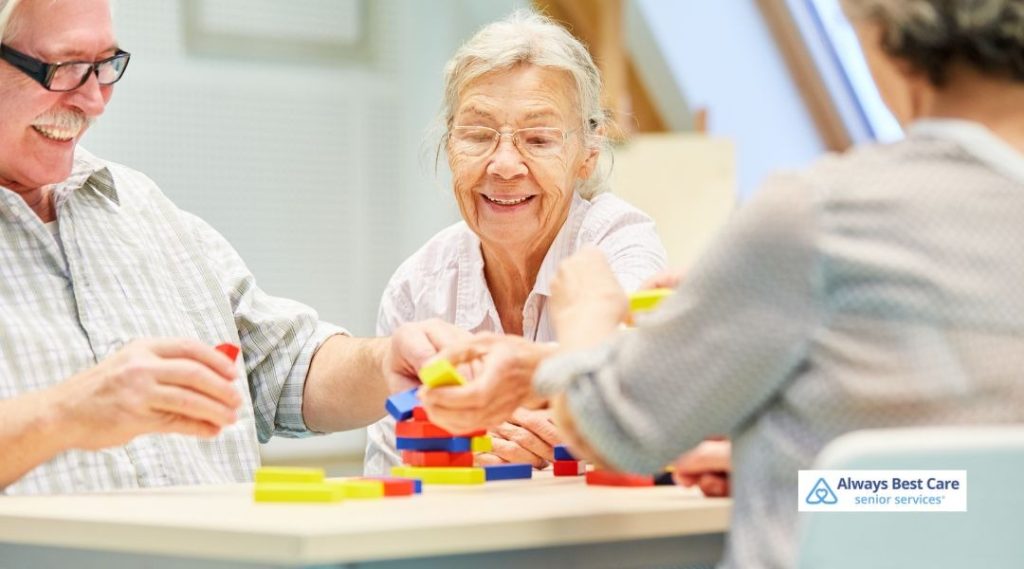
Speech therapy at home invites family and caregivers into the process in the best way. SLPs often teach simple strategies such as:
- Speaking a bit slower and giving extra time to respond
- Using gestures, pictures, or written words as support
- Celebrating small wins and avoiding correcting every single error
With everyone on the same page, the senior doesn’t feel “tested” but supported. It becomes a team effort, and the home turns into a calm, encouraging space for practice.
Signs Your Loved One May Need Speech Therapy
It’s easy to shrug off changes as “just aging,” but some signs call for extra help. Watch for:
- Sudden changes in speech after a stroke or health event
- Struggling to find words or form complete sentences
- Slurred, mumbled, or very soft speech
- Frequent coughing, choking, or throat clearing while eating
- Noticeable frustration during conversations
If these changes persist or worsen, speech therapy at home may be exactly the kind of support that’s needed.
How Always Best Care of East Bay Can Help
Always Best Care of East Bay focuses on helping seniors live safely and comfortably at home, especially after a stroke or with ongoing neurological conditions. Caregivers support daily routines, bathing, meals, and companionship, while speech therapy addresses communication and swallowing challenges.
By coordinating with speech-language pathologists, the care team helps ensure that therapy goals carry into everyday life. It’s a warm, steady circle of support right in the East Bay community.
Supporting Safety, Independence, and Daily Living
Speech therapy at home doesn’t sit in a vacuum; it blends into daily routines. Caregivers can:
- Encourage safe swallowing strategies during meals
- Use communication tools like notebooks, cue cards, or devices
- Create calm, supportive spaces for conversations
Together, these efforts support safety, build independence, and help seniors remain comfortably at home for as long as possible.
Frequently Asked Questions
Q: What is speech therapy at home for East Bay seniors?
A: Speech therapy at home is a service in which licensed speech-language pathologists visit East Bay seniors in their homes to help improve speech, language, and swallowing skills in a familiar setting.
Q: How often do speech therapy at home sessions usually occur?
A: Session frequency varies, but many seniors receive therapy once or several times per week, based on medical recommendations, goals, and energy levels.
Q: Who can benefit from speech therapy at home after a stroke or neurological condition?
A: Seniors with changes in speech, language, memory, or swallowing after stroke, Parkinson’s disease, Alzheimer’s disease, ALS, or similar conditions may benefit greatly from in-home speech therapy.
Q: How can families in the East Bay get started with speech therapy at home?
A: Families can talk with a doctor, therapist, or Always Best Care of East Bay to request an evaluation and coordinate in-home speech therapy services tailored to their loved one’s needs.
Empowering East Bay Seniors to Communicate With Confidence
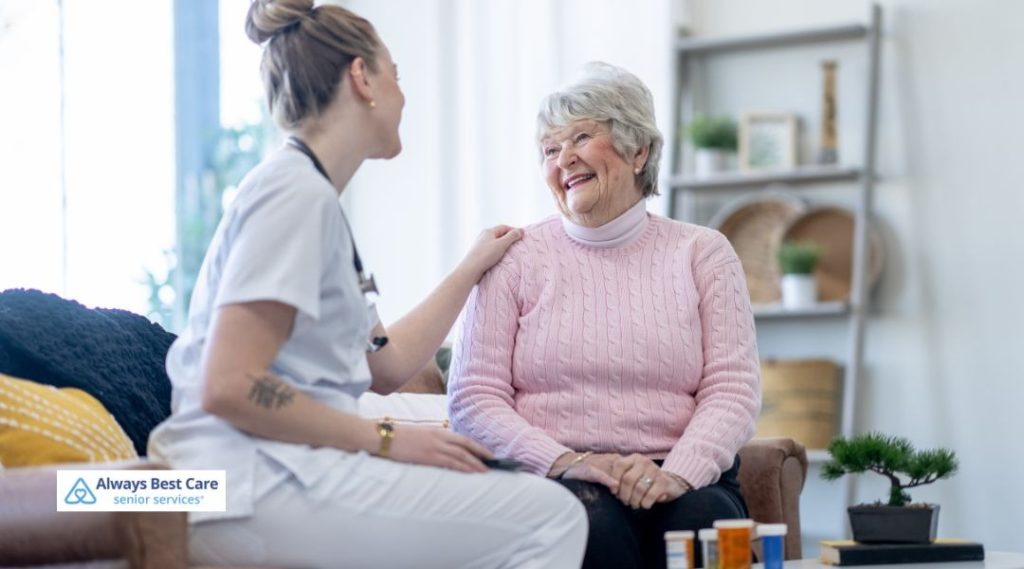
Speech therapy at home gives East Bay seniors living with stroke or neurological conditions a kind, practical way to reclaim their voice. Bit by bit, words become clearer, meals feel safer, and days feel more connected.
For families searching for hope, support, and a caring partnership, reaching out to Always Best Care of East Bay at (925) 210-0323 can be a beautiful first step toward stronger communication and brighter days at home.
Link to the Markdown File version of the article