
Helping East Bay Families Navigate Life After an Alzheimer’s or Dementia Diagnosis

A new Alzheimer’s or dementia diagnosis can land like a thunderclap. One day, life feels “normal,” and the next, everything seems to come with a giant question mark. For East Bay families, the good news is you don’t have to figure it all out overnight or carry the load alone.
Helping East Bay Families Navigate Life After an Alzheimer’s or Dementia Diagnosis starts with small, intentional steps that protect safety, preserve dignity, and keep your loved one at the center of every decision.
What you will learn:
- How to emotionally and practically adjust after an Alzheimer’s or dementia diagnosis within your East Bay family.
- How to create a simple, flexible care roadmap that supports safety, comfort, and dignity at home.
- How to protect caregiver well-being while deciding when and how to bring in extra in-home support.
- How Always Best Care of East Bay can walk alongside your family with local, compassionate Alzheimer’s and dementia care.
Table of Contents
Understanding what the diagnosis really means
A clearer picture of Alzheimer’s and dementia
Hearing the word “dementia” or “Alzheimer’s” is scary, no doubt about it. Still, understanding what’s happening in the brain can take a bit of the mystery out of the journey. These conditions affect memory, judgment, and behavior over time, often in uneven spurts. Some days may feel almost typical; others can be more confusing or frustrating. Knowing that ups and downs are part of the process helps families respond with patience instead of panic.
Why early planning changes everything
Early on, your loved one may still be able to share preferences, make decisions, and participate in planning. That’s huge. It’s much easier to talk about future wishes, safety, and support while conversations are still relatively clear. Rather than waiting for a crisis, families who start planning sooner usually feel more confident, less guilty, and far less rushed.

First steps for East Bay families
Making room for emotions
Grief, anger, fear, relief, yes, relief, often show up together after a diagnosis. Trying to shove those feelings down tends to backfire. Instead, acknowledge them. Give everyone in the family permission to say, “I’m scared,” or “I’m sad,” without judgment. A quick kitchen-table check-in or a short walk-and-talk can do more than long, heavy conversations that never quite happen.
Talking with your loved one
It can feel awkward to bring up the diagnosis, but skirting it usually makes things tenser. Simple, respectful language works best. You might say, “The doctor explained that your memory changes are caused by Alzheimer’s. We want to understand what matters most to you so we can support you.” You’re not grilling them; you’re inviting them to help shape what comes next.
Building a support circle
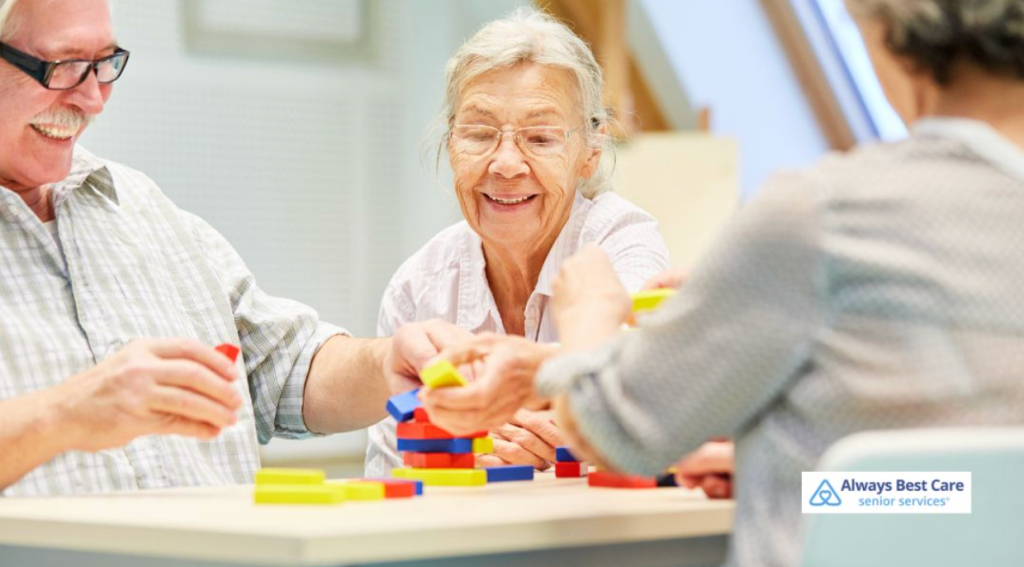
Trying to be the hero caregiver is a fast track to burnout. Talk with nearby relatives, trusted friends, neighbors, and local East Bay resources. Even small offers, like driving to appointments once a month or dropping off a meal, add up. The goal isn’t perfection; it’s to avoid feeling like you’re doing this on an island.
Creating a simple care roadmap
Looking at needs now and later
Think of care planning like sketching a map rather than carving something in stone. Right now, your loved one might just need occasional reminders or help with complex tasks like finances or medications. Later, they may require more hands-on support with bathing, dressing, or getting around safely. Jot down:
- What they can still do independently
- Where they need a little help
- Where safety is already a concern
That rough snapshot becomes the backbone of your roadmap.
Partnering with healthcare providers
Keep one notebook or digital file for everything related to the diagnosis. List medications, appointments, behavior changes, and questions. Doctors appreciate families who track patterns; you’ll get better, more precise guidance when you can say, “Over the last month, these things started happening.”

Making home safer and days smoother
A quick home safety check
A few simple tweaks can reduce falls and confusion:
- Clear clutter from hallways and stairs
- Add brighter lighting in key areas
- Install grab bars in bathrooms
- Lock or secure cabinets with dangerous items
- Use labels or signs for important rooms or drawers
You’re not trying to turn the house into a hospital, just nudging it in a safer direction.
How Helping East Bay Families Navigate Life After an Alzheimer’s or Dementia Diagnosis gets easier with support
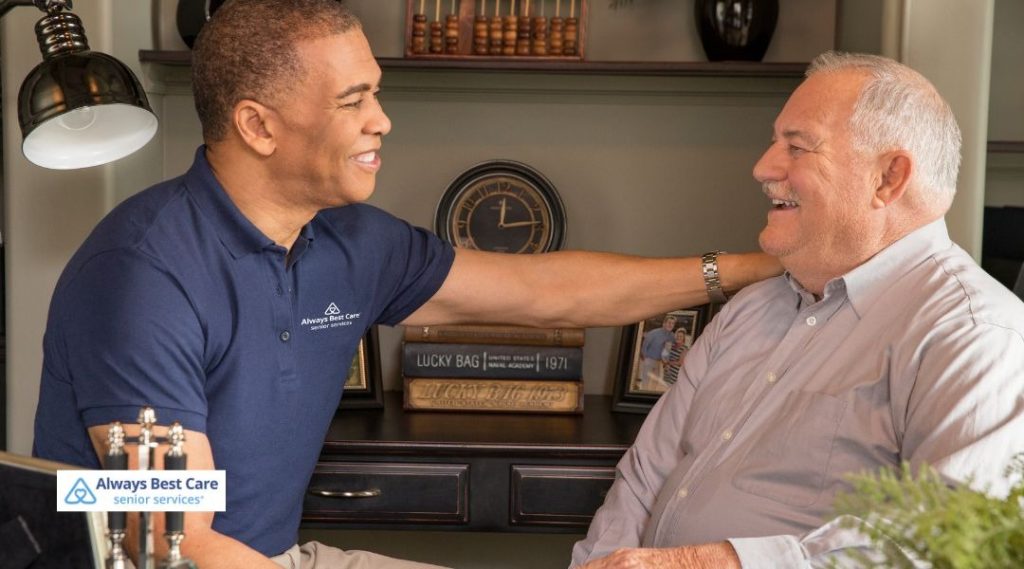
Helping East Bay Families Navigate Life After an Alzheimer’s or Dementia Diagnosis isn’t about finding a magic cure; it’s about building a strong, flexible support structure around your loved one and yourself. Professional in-home care, especially from teams experienced in memory care, can provide steady hands and compassionate hearts. Caregivers trained in dementia care understand how to communicate, redirect, and support daily living while preserving dignity at every turn.
Over time, that kind of support can turn “How on earth will we manage?” into “We’ve got a system that works for us.” That shift alone can lift a huge weight from a family’s shoulders.
Frequently Asked Questions
Q: What should families do first after an Alzheimer’s or dementia diagnosis?
A: Start by learning the basics of the condition, scheduling follow-up medical appointments, and having open conversations with your loved one about preferences, safety, and support. From there, create a simple care plan that you can update over time.
Q: How can I talk to my loved one about their Alzheimer’s or dementia without upsetting them?
A: Use calm, clear language and focus on reassurance. Avoid arguing about what they remember. Instead, validate feelings, keep explanations short, and emphasize that you’re on their side and want to support what matters most to them.
Q: How do I know when it’s time to get extra help at home?
A: Warning signs include frequent falls, wandering, neglected hygiene, medication mix-ups, or caregiver exhaustion. If daily tasks feel overwhelming or unsafe, that’s a strong signal that added support would help everyone.
Q: What can caregivers do to reduce stress and avoid burnout?
A: Caregivers can protect their health by asking for help, taking regular breaks, staying connected to friends or support groups, and keeping up with sleep, nutrition, and their own medical care. Small, consistent habits usually work better than rare big breaks.
Q: Can people with Alzheimer’s or dementia still enjoy meaningful activities?
A: Absolutely. Many people continue to enjoy music, gentle exercise, simple games, conversations, and favorite hobbies adapted to their current abilities. Focusing on what they can still do often brings joy and a sense of connection for both of you.
Turning Uncertainty into a New Kind of Hope
Helping East Bay Families Navigate Life After an Alzheimer’s or Dementia Diagnosis is a journey, not a single decision point. There’ll be detours, tough days, and big feelings, but there will be moments of connection, laughter, and tenderness, too.
If you’re in the East Bay and feeling unsure about the next step, you don’t have to sort it out alone. Call Always Best Care of East Bay at (925) 477-3128 today to talk with a care professional, ask questions, and schedule a no-obligation care consultation tailored to your family’s needs.
Link to the Markdown File version of the article