How Skilled Nursing Supports East Bay Residents With Spina Bifida, Mobility Needs, and Complex Care
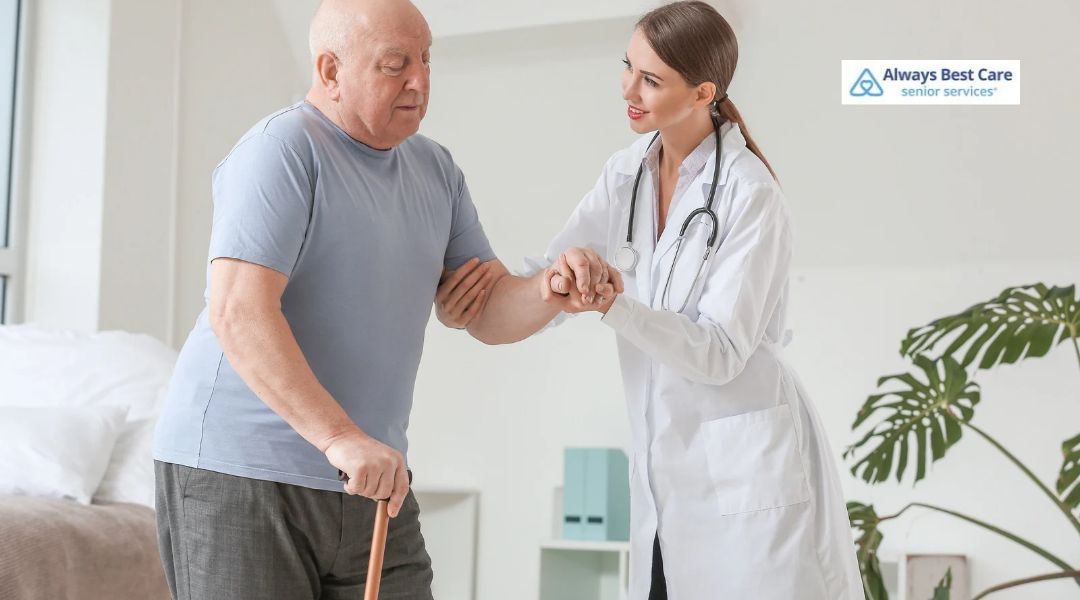
Living with spina bifida can involve more than one care need at a time. A person may be managing mobility limitations, skin-health concerns, bladder or bowel routines, medications, appointments, and recovery after a medical procedure, all while trying to keep life feeling like life.
That’s where compassionate in-home clinical care may help. How Skilled Nursing Supports East Bay Residents With Spina Bifida, Mobility Needs, and Complex Care is really about creating a safer, steadier daily routine without taking independence out of the picture. For many families, having a skilled nurse involved can make a complicated situation feel less like a juggling act.
What you will learn:
- How skilled nursing can provide personalized, physician-directed clinical support for people with spina bifida at home.
- The role of skilled nurses in supporting skin health, wound care, mobility, transfers, and home safety.
- How clinical care can help with bladder and bowel routines, medication needs, and health monitoring.
- Why coordinated in-home skilled nursing can bring greater comfort, confidence, and peace of mind to East Bay families.
Table of Contents
Care That Fits Real Life
Spina bifida affects everyone differently. Some people need occasional clinical support after surgery or illness. Others may need ongoing help with physician-ordered treatments, health monitoring, wound care, or medication management.
A skilled nurse brings clinical training into the home and works within a care plan directed by the client’s physician. Care may include monitoring symptoms, reviewing medications, providing prescribed treatments, teaching family members, and communicating important changes to the wider care team.
In plain English, it’s practical healthcare support delivered where the person is most comfortable: home.
Supporting Skin Health and Wound Care
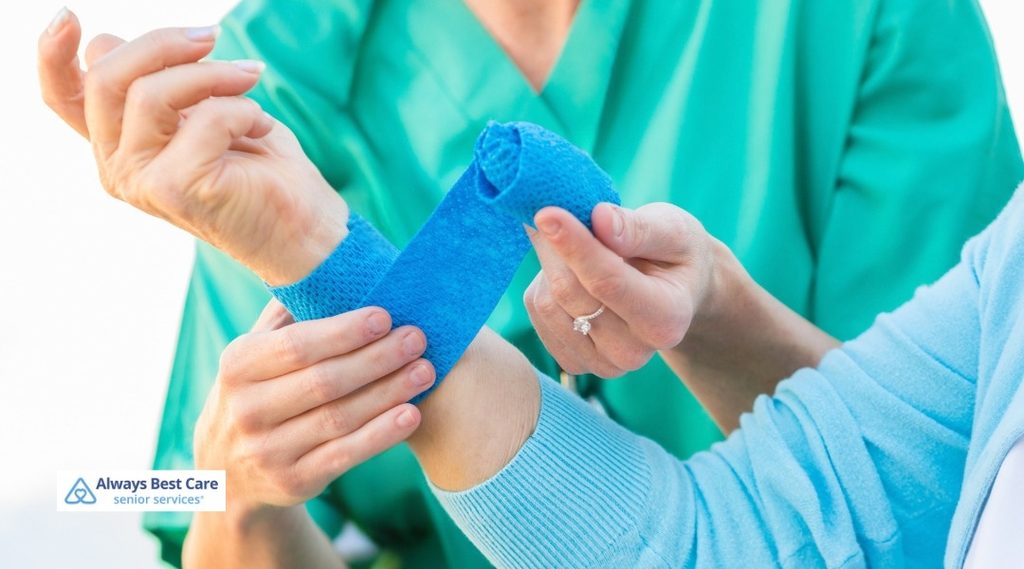
Skin health deserves close attention for many people living with spina bifida. Reduced sensation in some parts of the body can make it harder to notice a sore, blister, burn, or area of pressure before it becomes more serious. Regular skin checks are important, particularly around braces, mobility equipment, damp areas, and places exposed to prolonged pressure.
Skilled nursing support may involve assessing skin changes, providing physician-ordered wound care, monitoring healing, and educating caregivers on warning signs that should be reported promptly. A nurse may also reinforce safe repositioning routines and proper use of pressure-relieving cushions or other prescribed equipment.
Caught early, a small concern may be easier for the medical team to address. That old saying, “a stitch in time saves nine,” rings true here.
Mobility, Transfers, and Home Safety
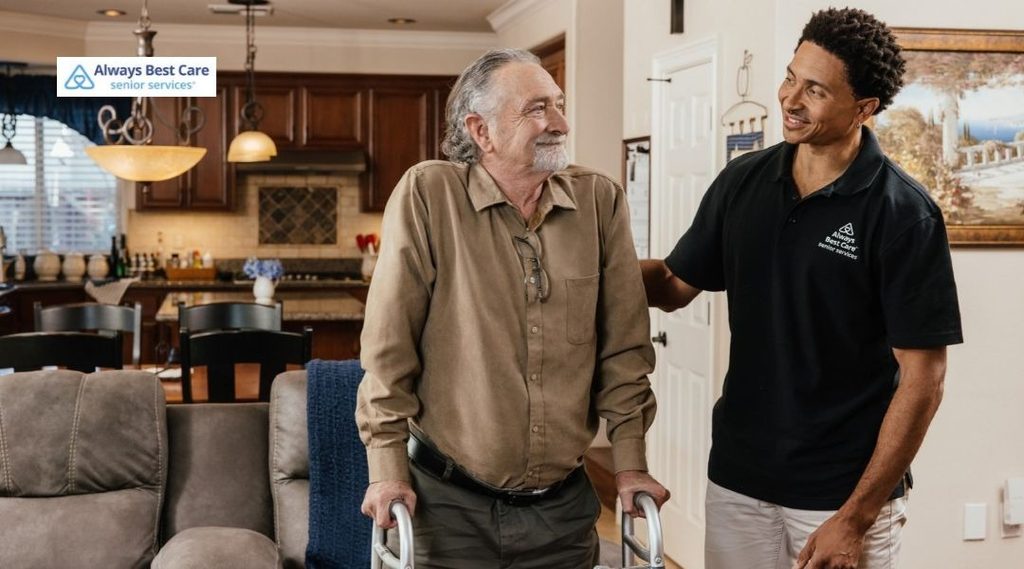
Mobility needs can shift over time, especially after surgery, illness, a fall, or changes in strength. Getting from the bed to a wheelchair, using the bathroom safely, or settling into a comfortable position may require planning, practice, and appropriate equipment.
Skilled nurses can assess how everyday routines are going and help families understand safer transfer and positioning practices. They may also identify concerns worth discussing with a physician, therapist, or equipment provider.
Helpful areas of focus can include:
- Safe transfers between the bed, wheelchair, chair, and toilet
- Proper positioning to improve comfort and reduce pressure concerns
- Fall-risk awareness in hallways, bathrooms, and entryways
- Safe use of prescribed mobility and transfer equipment
- Changes in pain, strength, sensation, or function that need clinical follow-up
Mobility guidelines for people with spina bifida emphasize incorporating movement into home routines and monitoring changes in strength, sensation, gait, bowel and bladder function, and musculoskeletal health.
Bladder, Bowel, and Medication Support
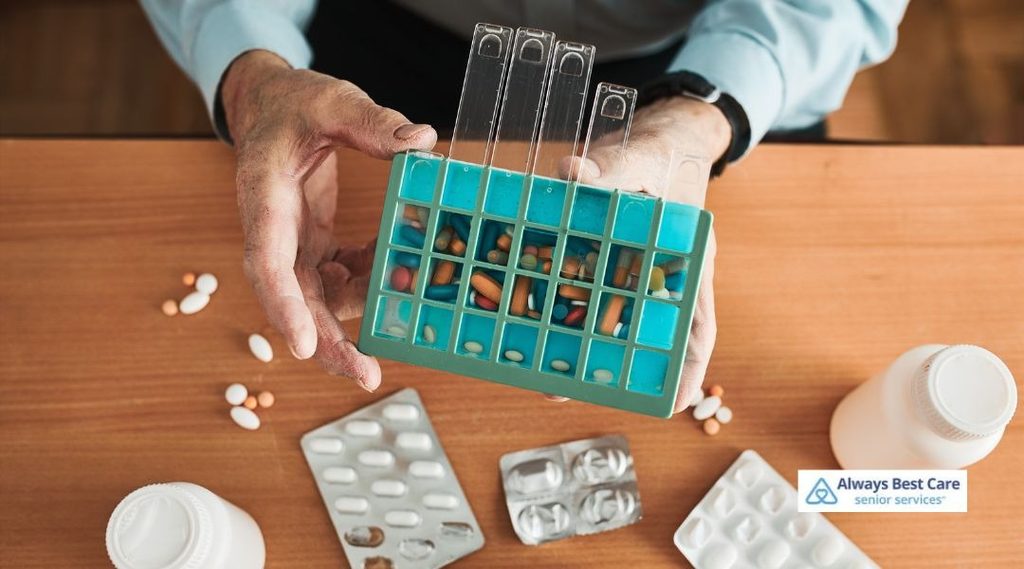
Bladder and bowel management can be a major part of daily life for many people with spina bifida. Difficulties with bladder control can raise the likelihood of urinary tract infections and kidney problems, while an established bathroom routine can support comfort, health, participation, and independence.
Depending on the physician’s orders and the client’s care plan, skilled nursing may help with:
- Catheter-related care and observation
- Monitoring for possible signs of infection or other changes
- Medication education and medication reconciliation after discharge
- Prescribed bowel and bladder routines
- Family caregiver education
- Communication with the physician or other members of the care team
These conversations can feel personal—because they are. Still, there’s no need to tiptoe around essential care needs. Respectful nursing support helps clients and families handle sensitive routines with privacy, dignity, and clear guidance.
Coordinating Complex Care at Home
Sometimes the challenge isn’t one diagnosis. It’s the pileup: spina bifida alongside diabetes, chronic pain, respiratory concerns, heart conditions, recovery from surgery, or a new wound. Suddenly, medication lists grow, appointments multiply, and family members may wonder what deserves a call to the doctor.
Skilled nursing can provide an extra set of trained eyes. Nurses may track changes in condition, reinforce discharge instructions, observe treatment response, and communicate relevant concerns to the prescribing clinician. They can also help families better understand what their loved one’s care plan says and why it matters.
For East Bay families, this can be a welcome breather. The goal isn’t to take over someone’s life; it’s to make daily health management more manageable.
Frequently Asked Questions
Q: Can a person with spina bifida receive skilled nursing care at home?
A: Yes, a person with spina bifida may receive skilled nursing at home when they have physician-directed clinical needs, such as wound care, medication management, catheter-related care, post-surgical recovery support, or health monitoring. Services depend on the prescribed care plan, provider availability, and coverage arrangements.
Q: What does a skilled nurse do for someone with mobility needs?
A: A skilled nurse can provide clinical monitoring, support prescribed treatments, assess skin and safety concerns, educate caregivers, and coordinate with physicians, therapists, and other providers. They may also help identify changes in mobility or health that should receive medical attention.
Q: Can skilled nursing help prevent pressure injuries?
A: Skilled nursing may help lower risk by monitoring skin, reinforcing repositioning and pressure-relief routines, providing physician-ordered wound care, and educating caregivers about early warning signs. People with reduced sensation may not notice skin injuries right away, which makes routine checks especially important.
Q: Is skilled nursing the same as personal care?
A: No. Skilled nursing involves clinical services provided by licensed nursing professionals under a physician-directed plan. Personal care typically supports daily activities such as bathing, dressing, meal preparation, mobility assistance, and companionship. Some clients may benefit from both services.
Q: How can East Bay families begin arranging care?
A: Families can contact Always Best Care East Bay to discuss their loved one’s health needs, physician instructions, mobility concerns, home environment, and care goals. From there, the appropriate next steps can be explored.
Bringing Skilled Support Home, Where It Matters Most
Complex care doesn’t have to mean facing every decision alone. With thoughtful clinical support, East Bay residents living with spina bifida, mobility needs, and changing health concerns can receive care that respects their routine, comfort, and independence at home.
If your loved one could benefit from skilled nursing support, reach out to Always Best Care East Bay at (925) 210-0323 today. A caring member of the team can talk through your family’s needs, answer your questions, and help you explore the right in-home care options for the road ahead.