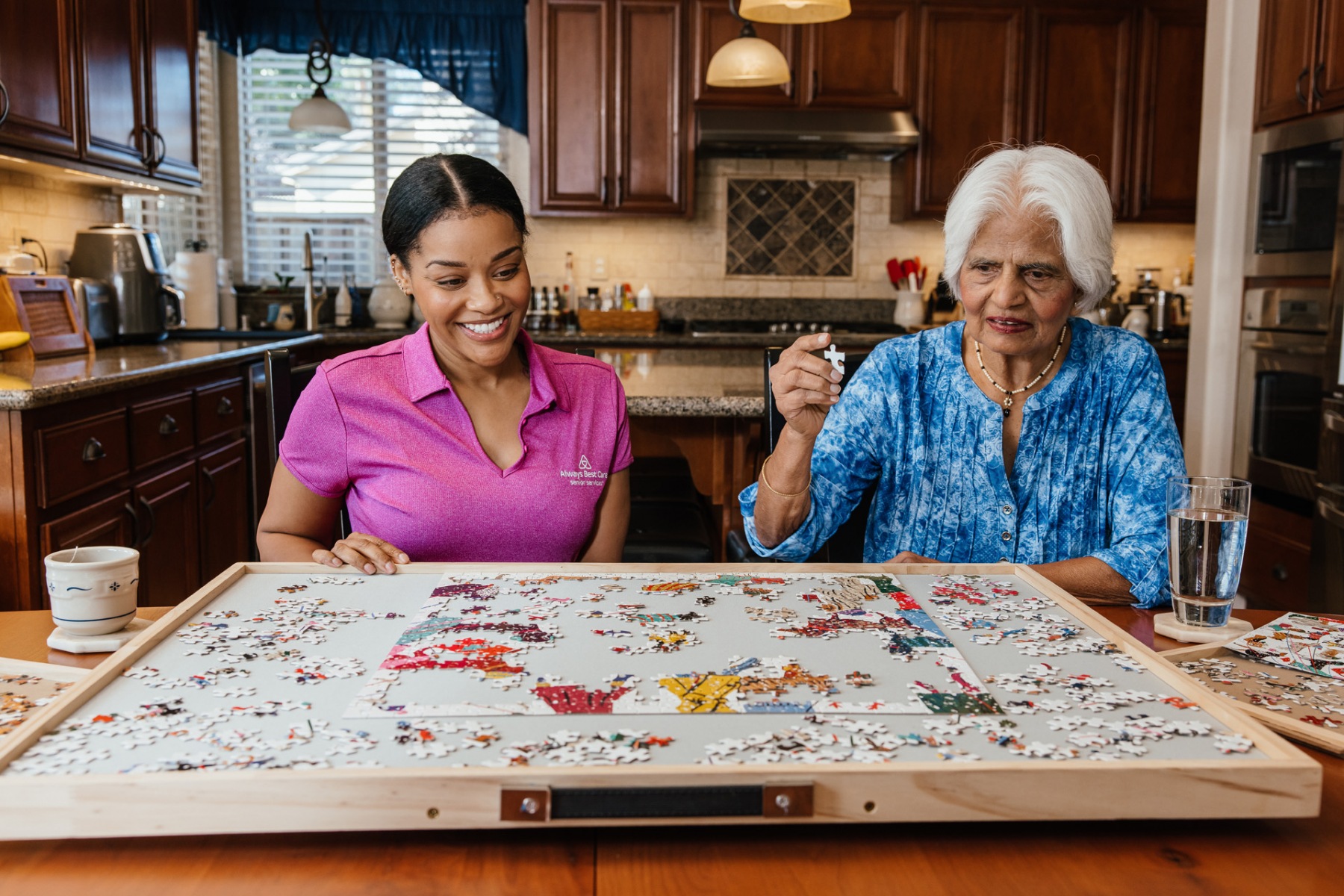

Supporting Seniors With Diabetes in the East Bay: Meals, Routines, and Help at Home
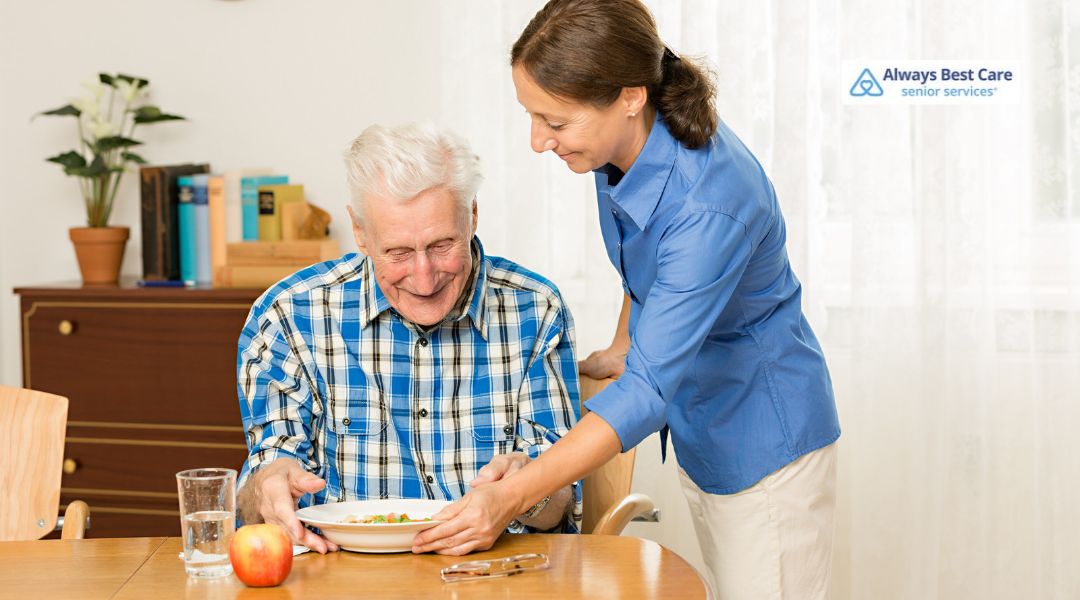
A parent who once loved cooking now calls toast “good enough” for dinner. Grocery shopping takes more energy than it used to, and keeping track of appointments has become a family juggling act.
These everyday changes deserve attention, especially when diabetes is part of the picture. November’s American Diabetes Month is a timely reminder that support doesn’t always begin with a major change. Sometimes, it starts with a prepared lunch or a helping hand in the kitchen.
Supporting seniors with diabetes in the East Bay means making daily life more manageable while respecting their choices and following their healthcare team’s guidance.
What you will learn:
- How to make meal planning easier while keeping your loved one’s favorite foods in mind.
- Ways to build supportive routines around their prescribed diabetes care plan.
- How in-home care can lend a helping hand with everyday tasks.
- How to recognize when your loved one needs medical help.
Table of Contents
Start With a Plan That Fits Your Loved One
Diabetes care isn’t one-size-fits-all. Food choices, physical activity, medication, and blood glucose monitoring work together, but recommended goals and routines can differ for older adults. The healthcare team should establish the plan.
Before organizing extra help, ask your loved one what feels difficult. Is standing at the stove uncomfortable? Are prescription instructions confusing? Would grocery delivery help, or would they rather shop with someone?
A conversation can reveal more than a checklist. The aim is support, not taking over.

Make Meals Easier, Not More Complicated
Keep Familiar Foods on the Menu
A diabetes meal plan doesn’t necessarily mean saying goodbye to favorite dishes. Portions, ingredients, and timing may need adjustments, ideally with guidance from a registered dietitian or diabetes educator.
Build around foods your loved one enjoys. A meal that fits their nutrition plan is more useful when it’s something they actually want to eat.
Avoid turning the dinner table into a debate. Ask, “What sounds good this week?” and work from there.
Take the Effort Out of Preparation
Think about where meal preparation gets tricky. Carrying groceries, chopping vegetables, or cleaning up afterward may be the real stumbling blocks.
Practical help might include:
- Planning a short menu together.
- Shopping from an agreed grocery list.
- Preparing meals that follow established nutrition guidance.
- Keeping suitable meals easy to find and reheat.
Always Best Care of East Bay advertises shopping and meal-preparation assistance, offering families help with these everyday tasks.

Plan Ahead for Thanksgiving
Holiday meals can come with later serving times and unfamiliar portions. For someone taking insulin or certain other diabetes medications, skipping or delaying meals can increase the risk of low blood glucose.
Discuss the day’s schedule beforehand. Ask the healthcare team how to handle changes rather than improvising medication adjustments around dinner.
The goal? Enjoying the gathering while keeping the prescribed plan in mind.
Supporting Seniors With Diabetes in the East Bay Through Daily Routines
Keep Reminders Clear
A shared calendar or written schedule can make it easier to remember appointments and prescribed routines. Choose a system your loved one finds helpful, not one that adds another layer of confusion.
Always Best Care of East Bay lists medication reminders among its non-medical services. Reminders are different from administering medication, choosing doses, or deciding whether treatment should change.
Follow Monitoring Instructions
The healthcare team should explain when blood glucose checks are needed and what to do with the results. Families can help keep instructions accessible and encourage recording readings as directed.
Don’t guess about a concerning reading or change medication independently. Use the agreed care plan and contact the appropriate healthcare professional.

Make Movement Manageable
Walking and other suitable activities can support diabetes management, but the plan should fit the senior’s abilities and health needs. Physical activity can lower blood glucose, including after the activity ends, so ask how movement should fit around meals and medications.
There’s no need to make it a competition. Find something enjoyable and appropriate.
Know When Extra Help Is Needed
Low blood glucose can cause shakiness, sweating, dizziness, or confusion. Keep the clinician’s response instructions and emergency contacts easy to reach. Severe low blood glucose is an emergency.
If someone is unconscious, having a seizure, or unable to swallow safely, call 911. Don’t give food or drink by mouth. Follow their prescribed emergency plan, including glucagon if available and you’ve been instructed how to use it.

Where In-Home Care Fits
Non-medical home care addresses everyday needs rather than treating diabetes. Always Best Care of East Bay offers assistance with meals, shopping, personal care, companionship, and household tasks.
That might mean help preparing lunch while a family member works or assistance getting ready for the day. Discuss the senior’s preferences and confirm exactly which tasks caregivers can provide.
Clinical needs require separate arrangements with qualified healthcare professionals.
Frequently Asked Questions
Q: How can families support a senior with diabetes at home?
A: Help with meals, appointments, and prescribed routines while respecting the senior’s preferences. Follow the healthcare team’s instructions rather than making treatment changes independently.
Q: Can an in-home caregiver prepare meals for someone with diabetes?
A: Yes. Always Best Care of East Bay offers meal-preparation assistance. Meals should follow the senior’s established nutrition guidance.
Q: Can non-medical caregivers administer insulin?
A: Medication reminders do not include insulin administration. East Bay’s advertised reminder service is non-medical; families should arrange clinical medication assistance separately.
Q: Why does meal timing matter with diabetes?
A: Skipping or delaying meals can increase low blood glucose risk for people taking certain diabetes medicines. Follow the timing recommended by the healthcare team.

Bring More Ease to Everyday Care
Good support leaves room for familiar meals, personal choices, and family connection. You don’t have to solve every challenge at once.
Contact Always Best Care of East Bay at 925-210-0323 to discuss practical in-home assistance that fits your loved one’s daily needs.