

Early Stroke Warning Signs in the East Bay: When to Seek Immediate Help

In the East Bay, life moves fast, commutes, errands, grandkids’ schedules, and everything in between. So when an older parent suddenly seems “off,” it’s easy to chalk it up to being tired, stressed, or having an “off day.” But with a stroke, those small moments can be the whole warning.
A stroke doesn’t always kick the door down. Sometimes it tiptoes in: a word that won’t come out right, a sudden wobble, or a strange bout of confusion that clears up quickly. And that’s where families get stuck, wondering if it’s serious enough to act on.
Here’s the truth: with stroke symptoms, you don’t wait for a second round. You act. This guide breaks down Early Stroke Warning Signs in the East Bay, When to Seek Immediate Help in plain language, with real-life examples, and what to do next, plus how Always Best Care of East Bay can support your family once the emergency phase is over.
What you will learn:
- How to recognize early stroke warning signs in the East Bay and understand why “waiting it out” can be risky, even when symptoms fade.
- How to use the BE-FAST check in real time, plus the less obvious “weird” symptoms that still call for immediate action.
- What to do in the moment, including when to call 911 and what to say so help can move fast.
- What the first week after the ER can look like and how Always Best Care of East Bay can support recovery routines, safety, and peace of mind at home.
Table of Contents
The Don’t-Wait Rule: Symptoms Can Come and Go
One of the biggest traps is thinking, “They’re fine now, so it must’ve been nothing.” Unfortunately, stroke-like symptoms that improve can still signal a serious problem, including a mini-stroke (TIA). A TIA can be a warning shot before a larger stroke, sometimes within days.
If symptoms show up suddenly, even if they last only a couple minutes, treat it like an emergency. It’s better to feel a little “overcautious” than to miss the window where treatment can help the most.
A simple rule to keep in your back pocket:
If it’s sudden, unusual, and affects the brain (speech, strength, balance, vision, confusion), call 911.

BE-FAST: The Fastest Way to Spot a Stroke
Most people have heard of “FAST,” but “BE-FAST” adds two categories that can get overlooked, especially when someone says, “I’m just dizzy” or “my vision’s weird.”
B — Balance
Sudden dizziness, trouble walking, leaning to one side, or acting unsteady like they’re on a boat? That can be a stroke warning sign.
E — Eyes
Blurred vision, double vision, or sudden vision loss in one or both eyes counts, even if it doesn’t hurt.
F — Face
Ask them to smile. Does one side droop or look uneven?
A — Arms
Ask them to raise both arms. Does one drift down, feel weak, or go numb?
S — Speech
Slurred words, confusion, trouble finding words, or “talking around” what they mean can be a red flag.
T — Time
Time matters. If you spot any of the above, call 911 immediately.
Keeping Early Stroke Warning Signs in the East Bay, When to Seek Immediate Help in mind can make it easier to react fast when your heart is pounding and your brain is racing.

The Signs People Miss: The “Weird” Symptoms That Still Mean 911
Strokes don’t always present in the neat little checklist way. Some symptoms feel random, until they aren’t.
Call 911 for sudden symptoms like:
- The worst headache of their life, especially if it hits out of nowhere
- New confusion, agitation, or “they’re not making sense”
- Nausea or vomiting that shows up with dizziness or imbalance
- Sudden clumsiness, dropping things, or trouble coordinating hands
- Numbness or tingling on one side
- A noticeable personality shift that doesn’t match the moment
And honestly? Trust your instincts. If you’re thinking, “This is not like them,” don’t talk yourself out of it.
Real-Life Moments: What Stroke Warning Signs Can Look Like at Home
Sometimes the “warning sign” doesn’t feel like a warning, until you put the pieces together.
“He woke up dizzy and can’t walk straight”
It’s tempting to blame dehydration, a bad night’s sleep, or vertigo. But sudden balance trouble, especially if it’s new, can be stroke-related. Call 911.
“She couldn’t find words for two minutes, then it passed”
That brief window still counts. A TIA can clear up quickly and still be urgent. Call 911 and tell them symptoms came and went.
“Sudden vision loss in one eye”
People often assume it’s an eye problem. It can be neurological. Call 911.
“His smile looks off, but he insists he’s fine”
A lot of seniors don’t want to “make a fuss.” Don’t negotiate. Call.
“She’s confused and keeps repeating herself”
If it’s sudden and unusual, treat it seriously. Call.

What to Do Right Now: Call 911 and What to Say
If you suspect a stroke, don’t drive them yourself unless emergency services truly aren’t available. Paramedics can start care on the way and get your loved one to appropriate emergency treatment faster.
Here’s a quick script you can use on the phone:
- “I think this might be a stroke.”
- “Symptoms started at about ___ (time).”
- “Here’s what I’m seeing: ___ (speech issues, face droop, weakness, balance, vision changes).”
- “Symptoms came and went” (if they did).
- Share what you know: blood thinners, prior stroke/TIA, diabetes, high blood pressure.
If you can, write down the time symptoms began. That detail can be hugely important.
After the ER: The First Week Home and Why Support Matters
Once the ER visit is over, families often feel relief, followed by “Okay… now what?” New medications, follow-ups, therapy, fatigue, fall risk, and mood changes can make home feel less simple than it used to.
A few practical priorities for the first week home:
- Keep a steady routine for sleep, meals, hydration, and medications
- Reduce fall risks (clear walkways, add lighting, choose shoes with grip)
- Watch for changes (new confusion, worsening weakness, severe headache)
- Keep follow-up appointments, even if your loved one says they feel fine
And if you’re balancing work, kids, and caregiving, it can feel like spinning plates on a windy day. Support isn’t “extra.” It’s often the thing that keeps recovery on track.
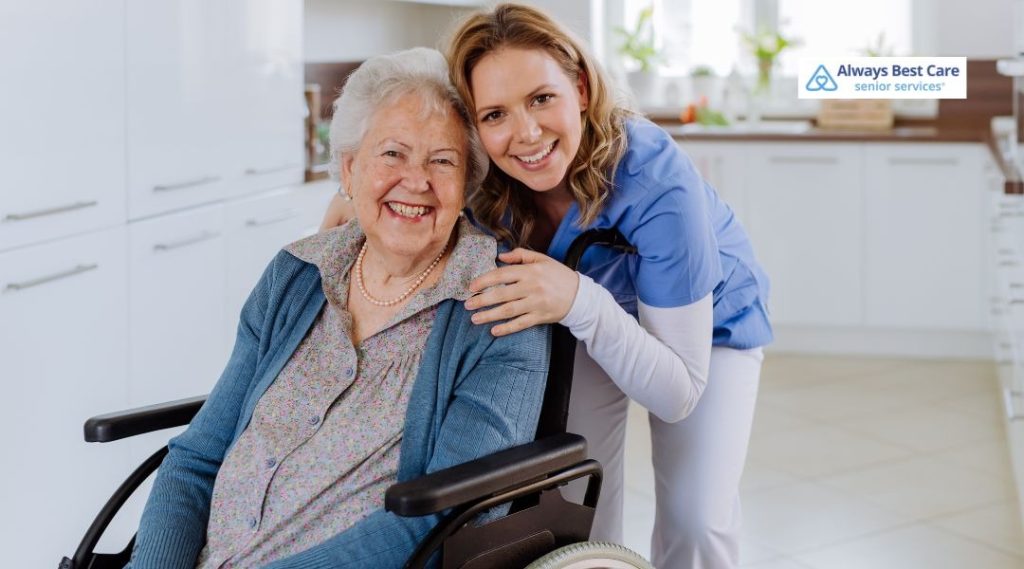
How Always Best Care of East Bay Can Help After a Stroke Scare
The emergency phase of stroke is scary. The days after can be just as stressful, because recovery happens in everyday moments: getting to the bathroom safely, remembering meds, making it to therapy, avoiding another fall.
Always Best Care of East Bay can support seniors and families after a stroke scare or hospital visit with practical, steady help at home, including:
- Assistance with daily routines like bathing, dressing, grooming, and meals
- Medication reminders and consistent check-ins
- Mobility support and safety-focused help around the home
- Transportation to follow-up visits and therapy appointments around the East Bay
- Companionship that helps reduce anxiety and loneliness
It’s not about taking over. It’s about making home feel safer and more manageable while your loved one regains strength and confidence.
Frequently Asked Questions
Q: What are early stroke warning signs in the East Bay, when to seek immediate help?
A: Seek immediate help for sudden facial drooping, arm weakness, speech issues, confusion, balance problems, vision changes, or a severe, sudden headache, especially if symptoms appear abruptly or come and go.
Q: Should I call 911 if symptoms go away?
A: Yes. Symptoms that resolve can still be a TIA or an evolving stroke. Calling 911 is still the safest decision.
Q: Is sudden dizziness always a stroke?
A: Not always, but sudden dizziness paired with trouble walking, coordination issues, vision changes, or confusion should be treated as an emergency.
Q: Should I drive my loved one to the hospital instead of calling 911?
A: Calling 911 is usually safer. Paramedics can begin care and coordinate faster emergency evaluation.
Q: How can Always Best Care of East Bay help after the ER?
A: Always Best Care of East Bay can help with daily routines, medication reminders, mobility and fall prevention, transportation to appointments, and supportive companionship during the first weeks back at home.

Get the Support Your Family Needs After a Stroke Scare
Stroke symptoms aren’t always obvious, and that’s why families sometimes hesitate. But sudden changes in speech, balance, vision, strength, or confusion deserve immediate attention. Trust your instincts, use BE-FAST, and don’t wait for symptoms to “prove” themselves.
If your family is navigating Early Stroke Warning Signs in the East Bay, When to Seek Immediate Help, and you’re worried about the transition after the ER, Always Best Care of East Bay is here to support you with steady, compassionate in-home care.
Contact Always Best Care of East Bay at (925) 210-0323 to schedule a free care consultation and talk through the kind of support that would make home feel safer, calmer, and more doable.