
How East Bay Seniors Can Stay Independent at Home With Personalized Care
For many East Bay seniors, home isn’t just an address on a map. It’s the familiar view from the kitchen window, the neighbor they wave to every morning, the coffee shop they’ve visited for years. Leaving all of that behind can feel unthinkable.
At the same time, families are quietly worrying about falls, medications, memory changes, and burnout from trying to manage everything alone. Personalized home care offers a middle path, one where seniors can keep living where they feel most themselves, while getting the support they need to stay safe and comfortable.
Always Best Care of East Bay steps into that space, helping seniors and families turn “I want to stay home” into a realistic, well-supported plan.
What you will learn:
- How personalized home care helps East Bay seniors stay independent, safe, and comfortable at home.
- The key services Always Best Care of East Bay provides include daily living support and household help, companionship, and transportation.
- Ways tailored care plans, family involvement, and respite care work together to support both seniors and family caregivers.
- How to confidently get started with home care in the East Bay and what to expect from the first consultation onward.
Table of Contents
Why Independence Matters to East Bay Seniors
“Independence at home” means more than doing every task without help. For older adults, it often means:
- Making their own choices about how to spend the day.
- Holding onto familiar routines and favorite activities.
- Staying connected to their East Bay community and relationships.
That sense of independence carries emotional weight. It protects dignity, nurtures confidence, and gives seniors a continued sense of purpose. Aging in place lets them keep writing their own story instead of feeling like life is happening to them.
Challenges to Staying Independent at Home
Of course, time has a way of complicating things. Mobility changes can make stairs tricky. Chronic conditions require careful monitoring and medication schedules. Memory changes may lead to missed appointments, skipped meals, or confusion. Suddenly, everyday tasks aren’t so simple.
Meanwhile, family caregivers in the East Bay are juggling careers, kids, commutes, and their own health. They’re doing their best, but it’s easy to feel stretched thin. Seniors may worry they’re becoming a burden, while families worry something important might slip through the cracks. It’s a lot for everyone.
How Home Care Supports Senior Independence
Home care steps in right where those gaps appear. Instead of forcing a move to a facility, support comes directly to the senior’s doorstep. The goal isn’t to take over, it’s to provide just enough help so seniors can continue living safely and confidently at home.
With in-home care, East Bay seniors can:
- Stay in the comfort of their own homes and neighborhoods.
- Get help with tasks that have become difficult or risky.
- Maintain their independence at home and in daily routines.
- Delay or avoid moves to assisted living or nursing homes.
The right care partner brings structure, safety, and companionship while honoring the senior’s preferences and personality.
About Always Best Care of East Bay
Always Best Care has spent years supporting seniors and families across the country with compassionate, non-medical home care. The East Bay office brings that experience to local communities such as Walnut Creek, Lafayette, and the surrounding areas.
The focus is simple: provide reliable, personalized support that feels like an extension of the family. From the first phone call to ongoing visits, the team is committed to safety, respect, and genuine kindness in every interaction.
Personalized Care Plans for East Bay Seniors
No two seniors live the same life, so no two care plans should look the same. Always Best Care of East Bay starts with a thorough in-home consultation to learn about:
- Health conditions and mobility
- Medication needs and doctor recommendations
- Daily routines, preferences, and favorite activities
- Goals for aging in place and staying engaged
From there, the team creates a customized care plan that might include just a few hours of support each week or more frequent visits. As needs change, after a hospital stay, a fall, or a new diagnosis, the plan can be adjusted so it always fits what’s happening now.
Daily Living Support in the Comfort of Home
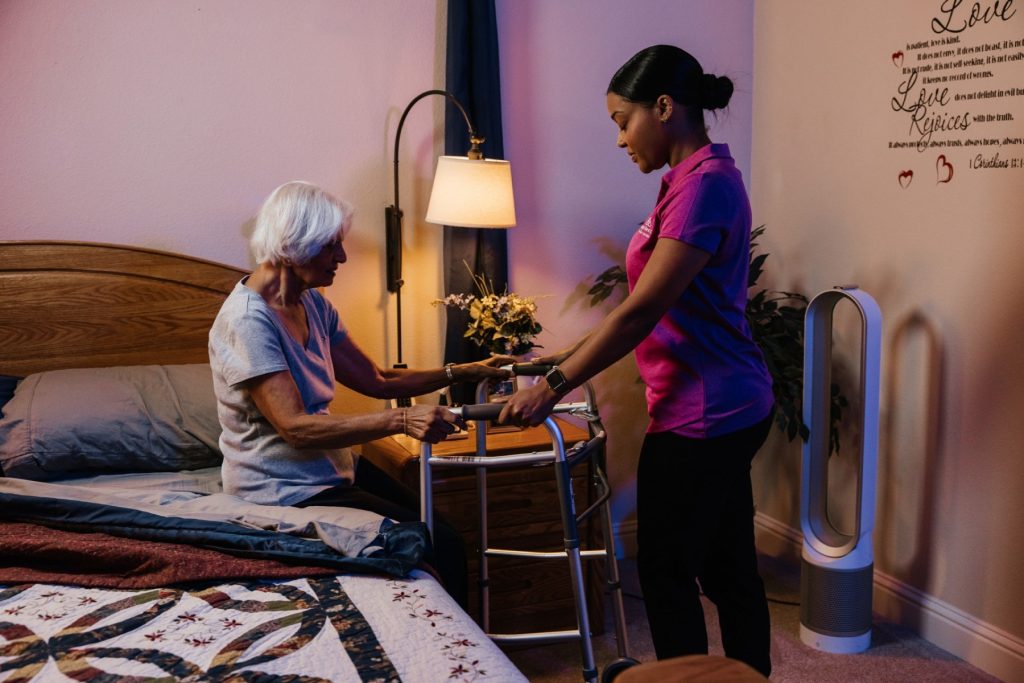
Many seniors are still quite capable; they just need a steady, respectful helping hand. Caregivers can assist with:
- Bathing and shower safety
- Dressing and grooming
- Toileting and incontinence care
- Safe transfers from bed to chair or in and out of the car
Handled with discretion and empathy, this kind of support protects both safety and dignity. It can lower fall risks, improve hygiene, and help seniors feel more secure and confident in their own homes.
Help With Household Tasks and Meals
A cluttered, unkempt home can go from “a little messy” to genuinely unsafe. Home care can include light housekeeping to keep things tidy and manageable, laundry, dishes, bed linens, trash, and simple organization.
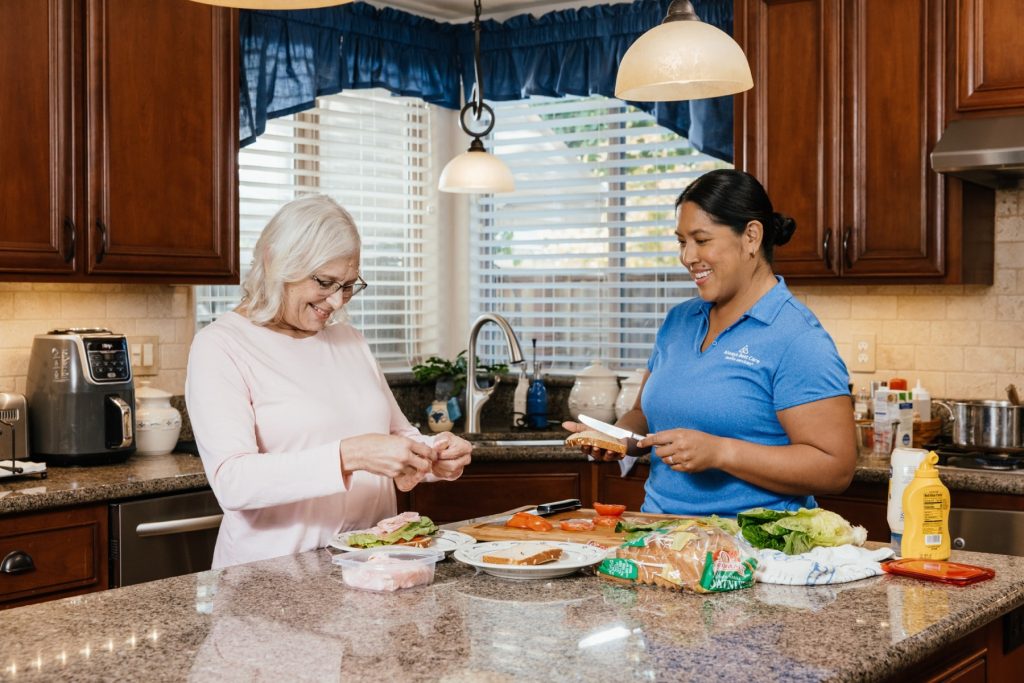
Nutrition is another huge piece of the independence puzzle. Caregivers can help with grocery lists, shopping, basic meal prep, and gentle reminders to eat and drink. Consistent, nourishing meals support energy levels, mood, and overall health, making everyday life smoother and more stable.
Companion Care and Emotional Wellbeing
Independence isn’t just about physical capability. Emotional and social health matter just as much. Seniors who live alone, especially if they’ve stopped driving, can feel isolated or lonely.
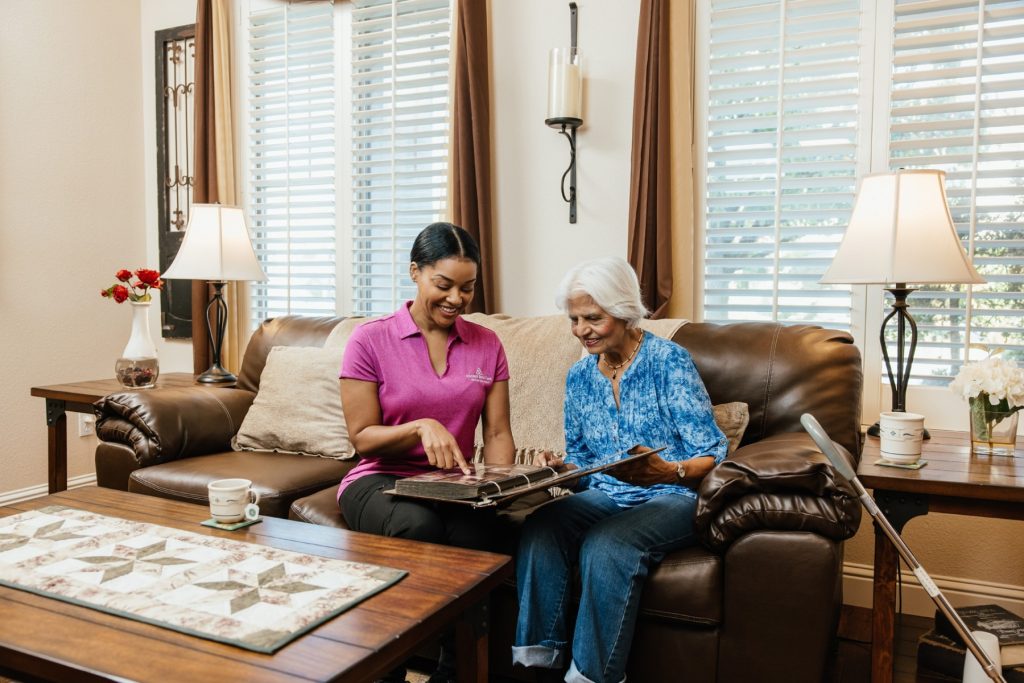
Companion care brings warmth back into the picture. Caregivers might:
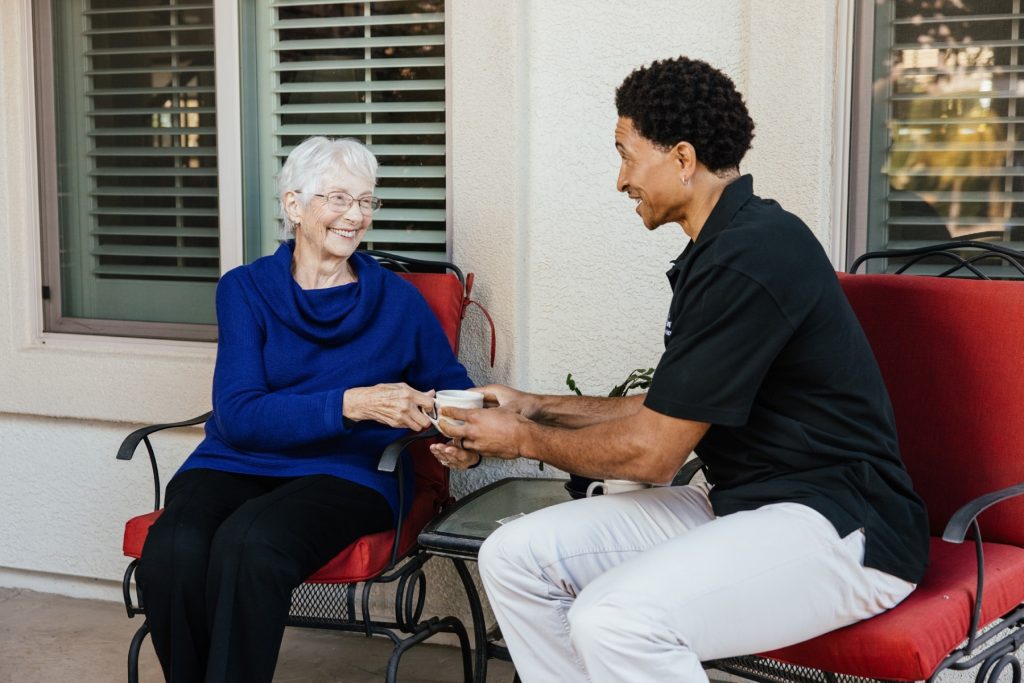
- Share a conversation over coffee.
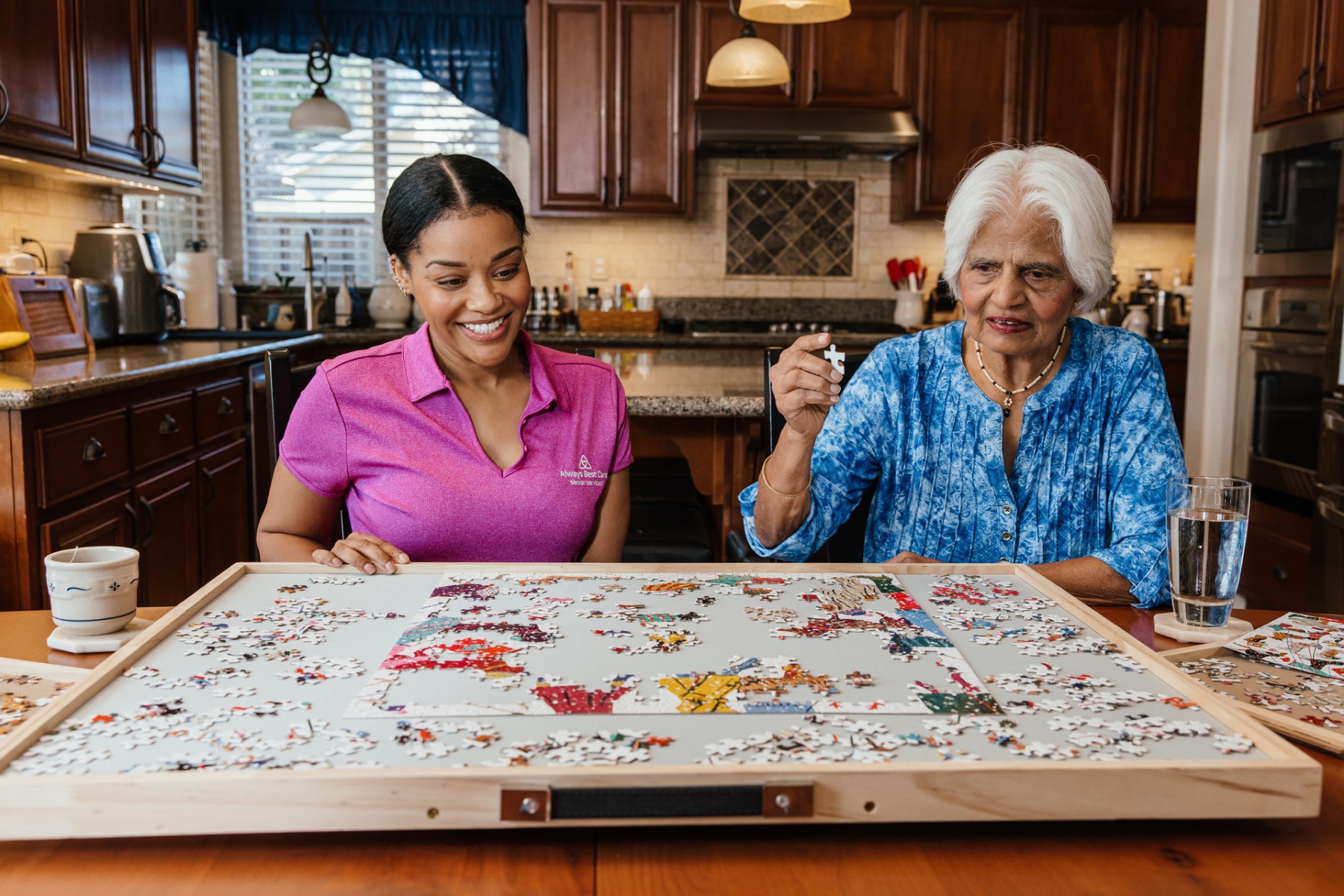
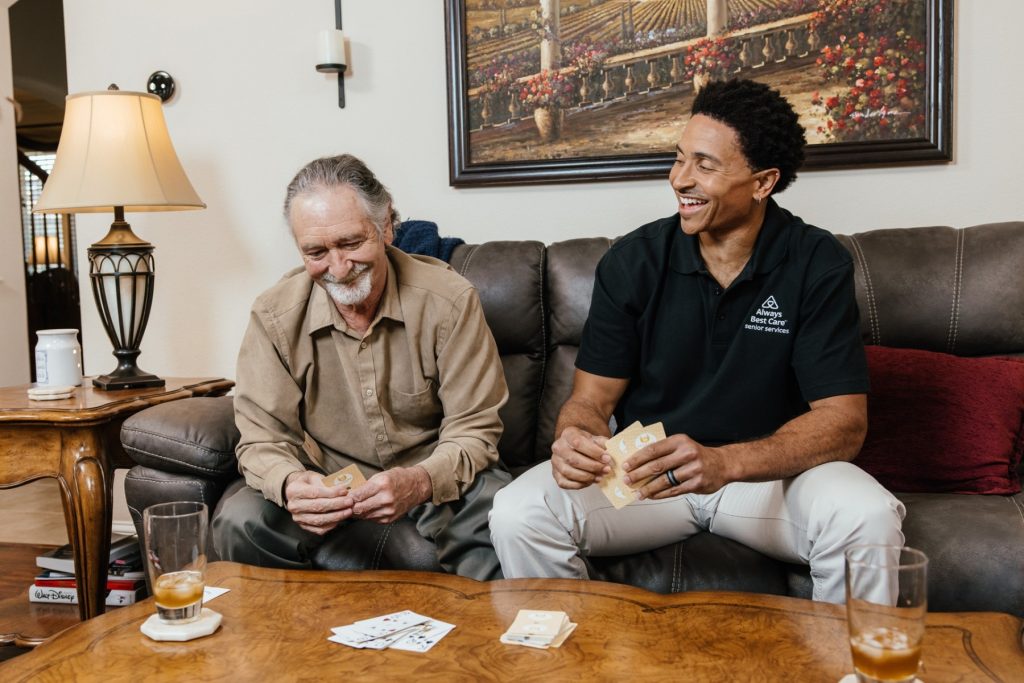
- Play games or work on puzzles.
- Take short walks in the neighborhood.
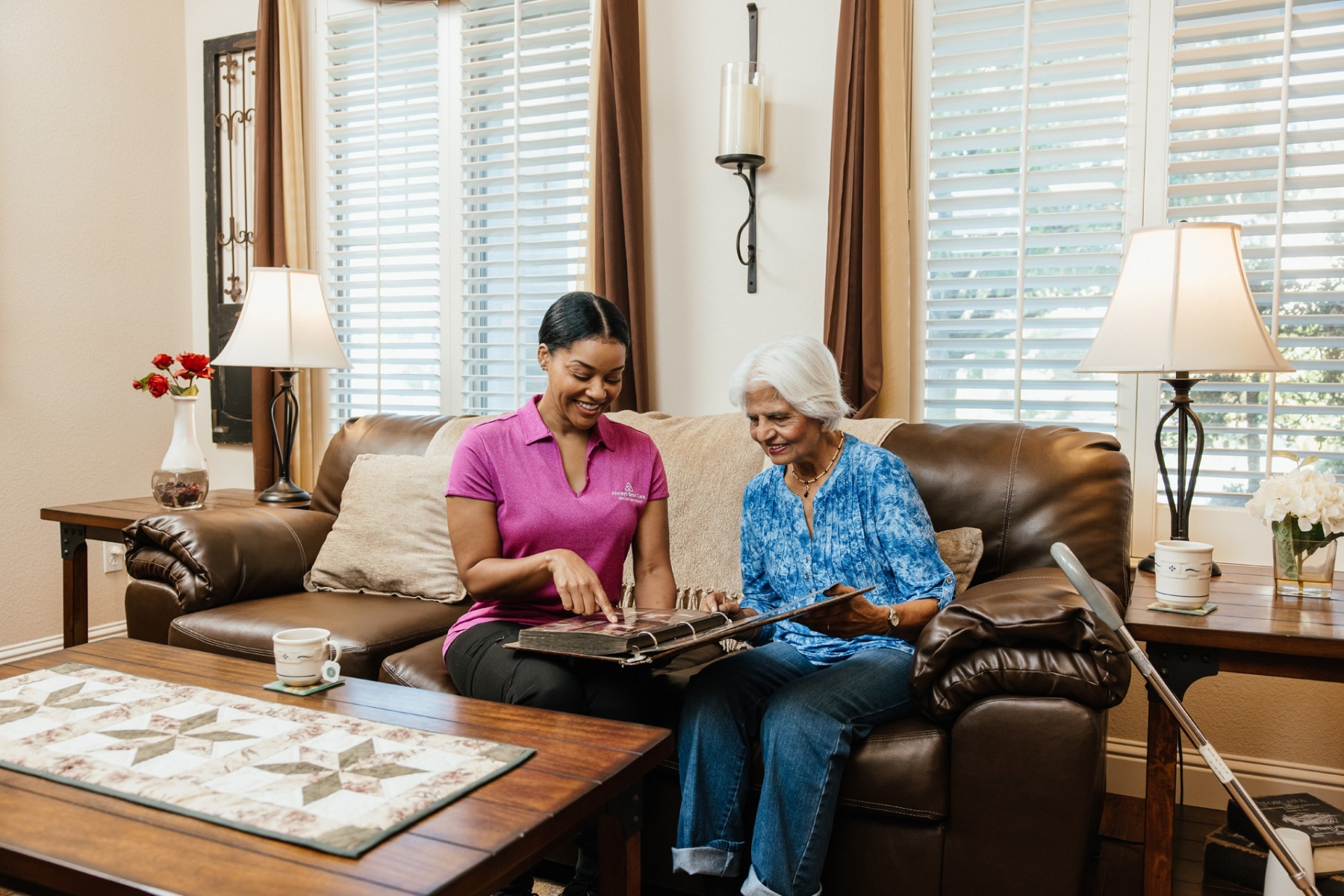
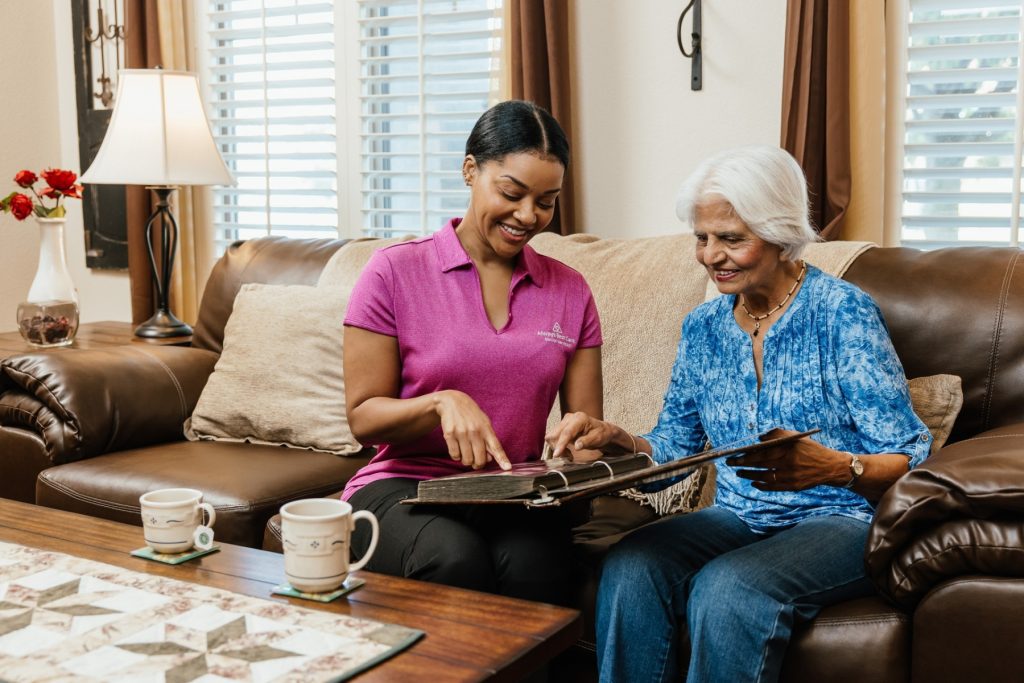
- Look through photos or watch favorite shows together.
Over time, these relationships build trust and connection, helping seniors feel seen, valued, and less alone.
Specialized Support for Dementia and Chronic Conditions
For seniors living with dementia, Alzheimer’s disease, or complex health conditions, home can still be the right place if the right support is in place. Trained caregivers follow consistent routines, keep a close eye on safety, and help manage behaviors or confusion with patience and calm.
They can also partner with families to notice changes early, coordinate with healthcare providers, and find ways to keep the person engaged in daily life for as long as safely possible. The aim is always to balance safety with respect for the person’s history and identity.
Family Involvement and Communication
Good home care doesn’t shut families out; it brings them in. Always Best Care of East Bay involves loved ones in care planning and goal-setting, and keeps them informed about how things are going.
That might include regular check-ins, care notes, or a dedicated contact person to answer questions. The result is a true partnership where everyone feels heard, informed, and supported.
Flexible Scheduling and Respite for Family Caregivers
Support doesn’t have to be all-or-nothing. Some families need a few hours of help each week; others may need daily visits or longer shifts. Scheduling is flexible and built around real-life work hours, kids’ activities, and family routines.
Respite care is a lifeline for many families. It offers caregivers time to rest, run errands, or simply recharge, knowing their loved one is in good hands. Taking a break isn’t selfish; it’s how many families are able to keep caring over the long haul.
Quality Standards, Safety, and Trust
Inviting a caregiver into your home is a big step, and trust matters. Reputable agencies screen, background-check, train, and supervise their caregivers. They carry proper licensing and insurance and maintain clear, consistent communication.
For families in the East Bay, those safeguards offer real peace of mind and help make the decision to start home care feel much less daunting.
How to Get Started With Home Care in the East Bay
Getting started is usually simpler than families expect. The process often looks like this:
- Reach out to Always Best Care of East Bay to talk through your situation and any questions you have.
- Schedule a free in-home consultation to discuss needs, routines, and goals.
- Review a personalized care plan and schedule that fits your family.
- Meet the caregiver and begin visits, with ongoing communication and adjustments as needed.
You don’t have to have everything figured out before you call. That first conversation is often the first step toward clarity.
Frequently Asked Questions
Q: How does home care help East Bay seniors stay independent at home?
A: Home care offers support with personal care, meals, housekeeping, transportation, and companionship so seniors can stay safe and comfortable at home rather than moving to a facility.
Q: How many hours of home care do most seniors need?
A: It varies. Some seniors benefit from just a few hours a week for errands and light help, while others need daily visits. A consultation helps determine the right level of support.
Q: Can home care support a senior with dementia or chronic conditions?
A: Yes. Trained caregivers can follow structured routines, provide safety-focused oversight, and support seniors with dementia or complex health needs in their daily lives.
Q: Is home care only for seniors who live alone?
A: No. Many families use home care even when someone lives with the senior, to share responsibilities, reduce burnout, and ensure professional support is always within reach.
Helping East Bay Seniors Stay Independent at Home
With the right personalized care, East Bay seniors don’t have to choose between safety and the comfort of home. They can hold on to cherished routines, neighborhoods, and relationships while receiving thoughtful support for the parts of daily life that have become harder.
Always Best Care of East Bay walks alongside families on that journey, protecting safety, preserving independence at home, and bringing peace of mind to everyone involved. For many families, reaching out to learn more is the first step toward a calmer, more confident future at home. Call us (925) 477-3128.
Link to the Markdown File version of the article