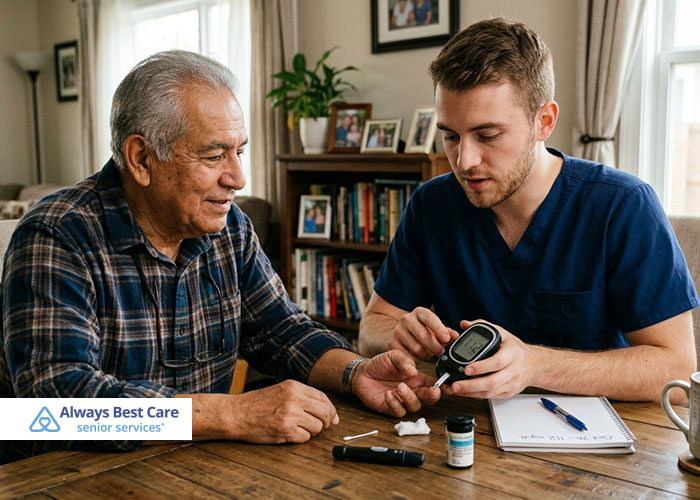

Diabetes Management for Seniors: Keeping Your Loved Ones Healthy and Independent in West Jordan, UT
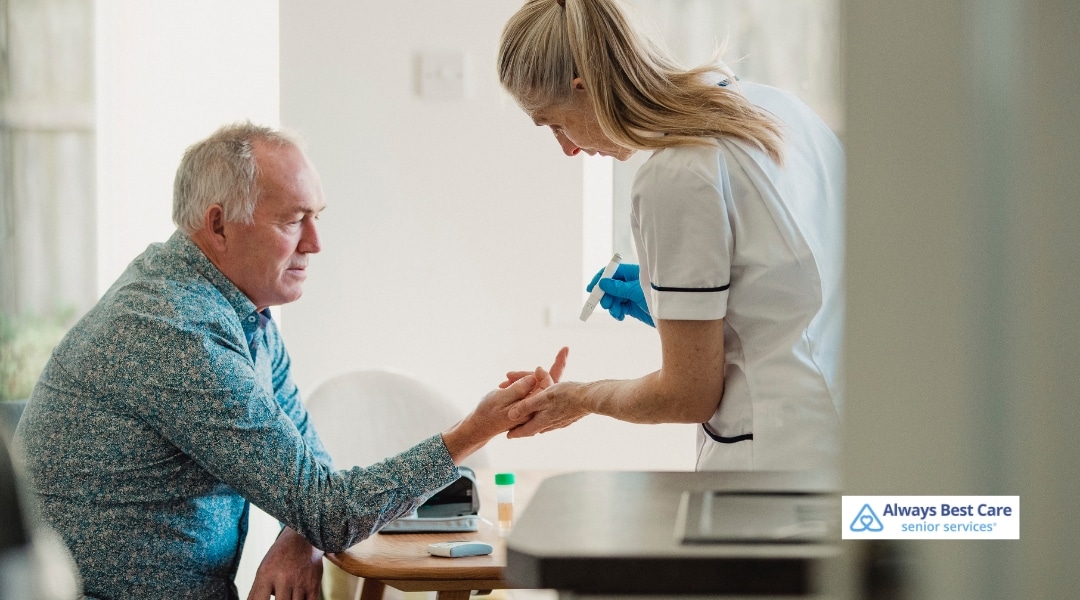
Diabetes doesn’t have to derail your senior loved one’s independence. Millions of older adults live well with this condition every single day, and yours can too.
The trick? Getting the right mix of support, education, and consistent daily habits. Managing diabetes in seniors isn’t quite like managing it in younger folks; aging brings its own set of curveballs, from medication interactions to changes in appetite and mobility.
But here’s the good news: with proper diabetes management strategies and a solid support system, your family member can maintain their quality of life and stay active at home.
What you will learn:
- How diabetes affects older adults differently and the unique challenges seniors face in managing their condition.
- Practical tips for managing blood sugar, including meal planning, exercise, and medication routines tailored to seniors.
- The role professional home care plays in supporting diabetes management, from meal preparation to medication reminders and companionship.
- Red flags to watch for and how early detection of changes in your loved one’s health can prevent complications.
Table of Contents
Understanding How Diabetes Affects Older Adults
When someone has diabetes, their body struggles to regulate blood sugar properly. This happens because either the pancreas isn’t making enough insulin, or the body can’t use insulin effectively.
Over time, high blood sugar damages blood vessels and nerves, putting organs like the heart, kidneys, and eyes at risk.
Older adults tend to develop type 2 diabetes most often, though some seniors have lived with type 1 diabetes since earlier in life. What makes managing diabetes in seniors trickier is that they’re often juggling multiple health conditions simultaneously; think heart disease, high blood pressure, or kidney issues.
These complications mean that diabetes management requires a personalized approach rather than a one-size-fits-all solution.

Why Diabetes Management Gets Tougher With Age
Let’s be honest, aging comes with real challenges when it comes to managing diabetes. Here’s what we commonly see:
- Memory lapses make it easy to forget medication times or skip blood sugar checks
- Vision changes complicate reading insulin labels or measuring doses accurately
- Physical limitations make cooking healthy meals or getting to appointments harder
- Appetite changes lead to skipped meals or irregular eating patterns
- Medication overload creates confusion when managing prescriptions for multiple conditions
- Reduced mobility makes exercise feel impossible, even though movement helps control blood sugar
These obstacles can spiral into unstable blood sugar levels and dangerous hypoglycemic episodes, particularly risky for seniors living alone.
Practical Strategies for Better Diabetes Management at Home
Nourishing the Body Right
Here’s the reality: food is medicine when you’ve got diabetes. A solid diet keeps blood sugar steady and prevents those frustrating energy crashes. Focus on meals that combine:
- High-fiber carbs like vegetables, beans, and whole grains
- Lean proteins such as fish, chicken, or plant-based options
- Healthy fats that keep you satisfied longer
- Consistent portion sizes at regular meal times
Skip the restrictive “diabetic diet” nonsense, just encourage balanced meals that your loved one actually enjoys eating. Small, frequent meals work better than three large ones for keeping blood sugar stable.
We’ve found that involving seniors in meal planning, even from a wheelchair or chair, helps them feel more invested in their nutrition choices.

Getting Moving (Gently)
Physical activity isn’t just about weight; it genuinely helps lower blood sugar and improves mood, strength, and circulation. The catch? It’s gotta be something your senior can actually do. Think:
- Leisurely walks around the neighborhood or inside the house
- Gentle stretching or chair yoga
- Gardening or light household tasks
- Water aerobics, if they enjoy being in the pool
Before starting any new exercise routine, definitely check with your doctor first. What works for one person might not work for another, and that’s totally fine.
Staying On Top of Medications and Monitoring
This is where consistency matters most. Help your loved one by:
- Setting phone reminders for medication and testing times
- Using labeled pill organizers for the week
- Keeping a simple log of blood sugar readings
- Scheduling regular check-ups with their healthcare provider
Watch for changes in appetite, mood, or energy levels; these often signal that blood sugar’s getting out of whack. Professional caregivers can spot these shifts early and alert you before problems escalate.
Recognizing Red Flags
Don’t ignore these warning signs:
- Excessive thirst or frequent urination
- Sudden tiredness or weakness
- Fuzzy or blurry vision
- Unexplained weight loss
- Cuts or sores that won’t heal properly
Call the doctor immediately if these symptoms pop up.

How Professional Home Care Supports Diabetes Management
Here’s where we come in. Professional caregivers can transform diabetes management from stressful to manageable. We help by:
- Shopping for groceries and preparing nutritious meals
- Encouraging daily movement and proper hydration
- Reminding about medications and tracking blood sugar
- Spotting warning signs and reporting changes to family and healthcare providers
- Offering genuine companionship that reduces stress (which actually helps blood sugar!)
- Assisting with personal care and daily activities
With professional support, your loved one stays healthier, safer, and more independent, all while remaining in the comfort of home.
Important Considerations for Diabetes Management in Seniors
Individualized treatment matters. Doctors now recognize that one approach doesn’t fit everyone. Functional status and life expectancy matter more than age alone when setting blood sugar targets.
A senior who’s active and healthy might aim for an A1C of 7–7.5%, while someone frailer or with multiple health conditions might target 7.6–8.5% to reduce hypoglycemia risk.
Simplifying medication regimens helps. Complex insulin schedules often backfire with older adults. Switching to once-daily insulin with supportive medications works just as well while reducing hypoglycemia risk and medication confusion.
Preventing low blood sugar is crucial. Unlike younger folks, seniors face serious consequences from hypoglycemic episodes. We prioritize preventing them by choosing appropriate medications and less stringent targets when necessary.

Frequently Asked Questions
Q: What’s a normal blood sugar range for seniors?
A: This varies based on health status and life expectancy. Functionally independent seniors typically aim for similar targets as younger adults, while frailer seniors might have higher targets to prevent dangerous low blood sugar episodes.
Q: Should my aging parent follow a special “diabetic diet”?
A: Not necessarily. A regular balanced meal plan works fine for most seniors, especially those in care facilities. Avoid restrictive diets that might lead to undernutrition.
Q: How often should blood sugar be checked?
A: Your healthcare provider will recommend a schedule based on medications and overall health. Some seniors check daily, while others check less frequently.
Q: Can seniors with diabetes exercise safely?
A: Absolutely, but always get medical clearance first. Gentle activities like walking and chair exercises offer real benefits without excessive risk.
Q: What’s the biggest mistake families make?
A: Overcomplicating things. Simple, consistent routines beat complicated plans every time.
Ready to support your loved one’s diabetes management
Managing diabetes in seniors isn’t about perfection; it’s about consistency, support, and making life easier.
With the right strategies and professional help, your loved one can thrive at home while staying healthy and independent.
We’re here to support your family through this journey. Reach out to Always Best Care of West Jordan at (801) 679-2623 today to learn how our compassionate caregivers can help your senior manage diabetes with confidence and peace of mind.