

Stroke Prevention Tips for Seniors in Westerville, OH: Protecting Brain Health Through Healthy Habits
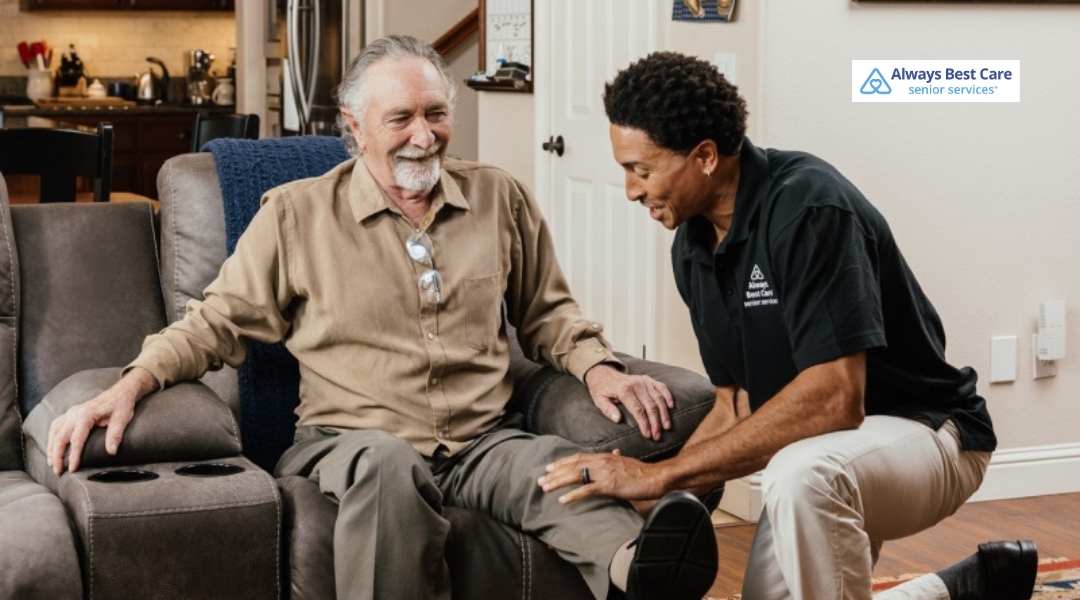
A stroke can reshape a person’s life in an instant. For older adults, the consequences can be especially severe, affecting mobility, communication, memory, and the ability to live independently. What many people don’t realize is that a large percentage of strokes are preventable. With the right daily habits and consistent medical care, seniors can take meaningful steps to protect their brain health and maintain their quality of life.
In Westerville, OH, where many older adults are committed to staying active and engaged in their communities, stroke prevention is a topic worth understanding deeply.
What you will learn:
- Why stroke risk increases with age, and how conditions like high blood pressure, diabetes, and high cholesterol affect seniors in Westerville.
- The daily healthy habits that best protect brain and heart health include regular physical activity, nourishing foods, and good control of blood pressure and blood sugar.
- How ongoing support from family and caregivers helps seniors maintain prevention routines and stay independent, confident, and engaged in their community.
Table of Contents
Why Stroke Risk Rises with Age
The risk of stroke increases significantly after age 55, and it roughly doubles with each decade after that. Aging naturally affects blood vessel elasticity and heart function, but lifestyle and chronic conditions play an equally important role.
The most common risk factors among seniors include:
- High blood pressure
- Type 2 diabetes
- High cholesterol
- Atrial fibrillation (irregular heartbeat)
- Obesity and physical inactivity
- Smoking or excessive alcohol use
The good news is that most of these factors are manageable. Addressing even one or two of them can meaningfully reduce stroke risk.
Control Blood Pressure: Your Most Important Defense
High blood pressure is the leading cause of stroke. When arterial pressure remains consistently elevated, it gradually weakens arterial walls and increases the risk of a rupture or blockage in the brain.
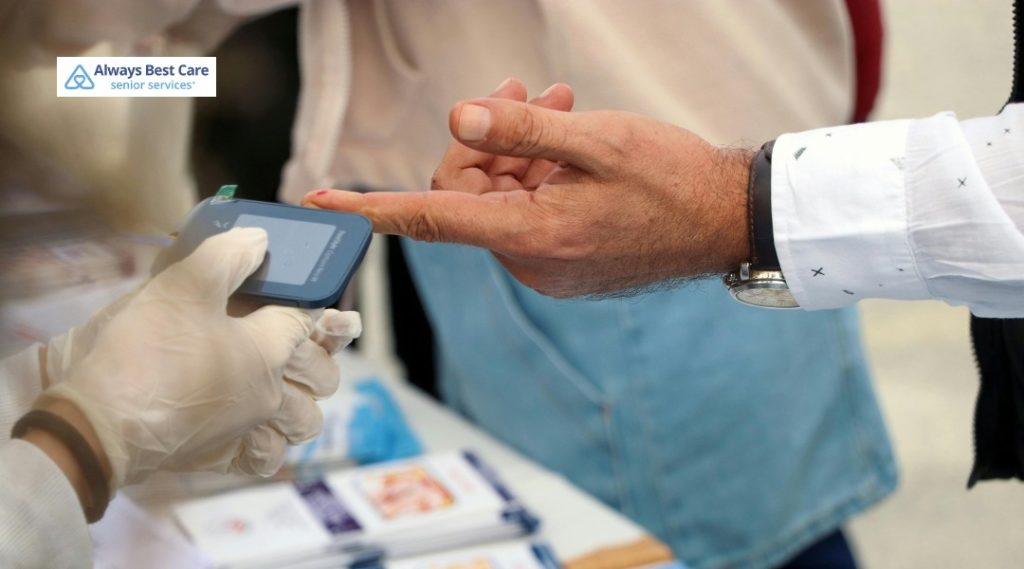
Seniors should aim to monitor their blood pressure regularly, not just at annual checkups, but at home using a reliable cuff. Keeping a log to share with a physician helps identify patterns and allows for timely adjustments to medication or lifestyle.
Practical steps to manage blood pressure:
- Reduce sodium by cooking at home and reading food labels
- Limit alcohol consumption
- Stay physically active most days of the week
- Take prescribed medications consistently, even when feeling well
- Manage stress through relaxation techniques or social connections
Keep Blood Sugar in a Healthy Range
Diabetes is a significant stroke risk factor because chronically elevated blood sugar damages the lining of blood vessels over time. This damage accelerates plaque buildup and increases the likelihood of clot formation.
Seniors with diabetes or prediabetes benefit from a structured approach to blood sugar management. This includes regular monitoring, a balanced diet low in refined sugars and processed carbohydrates, and consistent physical activity. Working closely with an endocrinologist or primary care physician ensures that medication and lifestyle strategies stay aligned.
Address Cholesterol Before It Becomes a Problem
High LDL cholesterol contributes to plaque buildup in the arteries, narrowing the pathways that carry blood to the brain. Over time, this restriction can trigger a stroke, particularly if a piece of plaque breaks loose and causes a blockage.
Dietary changes make a real difference here. Seniors should prioritize:
- Fruits, vegetables, and fiber-rich whole grains
- Lean proteins such as fish, legumes, and skinless poultry
- Healthy fats from sources like olive oil, avocado, and nuts
- Reduced intake of saturated fats, fried foods, and processed snacks
For some seniors, dietary changes alone may not be sufficient, and a physician may recommend cholesterol-lowering medication. Following that plan consistently is just as important as the lifestyle adjustments.
Move More: Even Gently
Regular physical activity is one of the most effective tools for stroke prevention. Exercise strengthens the heart, improves circulation, helps regulate blood pressure and blood sugar, and supports a healthy weight.
Seniors don’t need high-intensity workouts to benefit. Consistent, moderate movement is what matters most.
Senior-friendly activities that support brain and heart health:
- Daily walks through the neighborhood or a local park
- Chair yoga or gentle stretching routines
- Swimming or water aerobics
- Gardening and light yard work
- Tai chi, which also improves balance and reduces fall risk
Even 20 to 30 minutes of movement most days of the week can produce measurable cardiovascular benefits.
Eat with Your Brain in Mind
A heart-healthy diet is also a brain-healthy diet. The foods that protect your arteries also protect the vessels supplying your brain with oxygen and nutrients.
A stroke-prevention diet for seniors should emphasize:
- Colorful vegetables and fresh fruits at every meal
- Whole grains over refined carbohydrates
- Fatty fish like salmon or sardines, rich in omega-3s
- Low-sodium seasoning options, such as herbs and spices
- Adequate hydration throughout the day
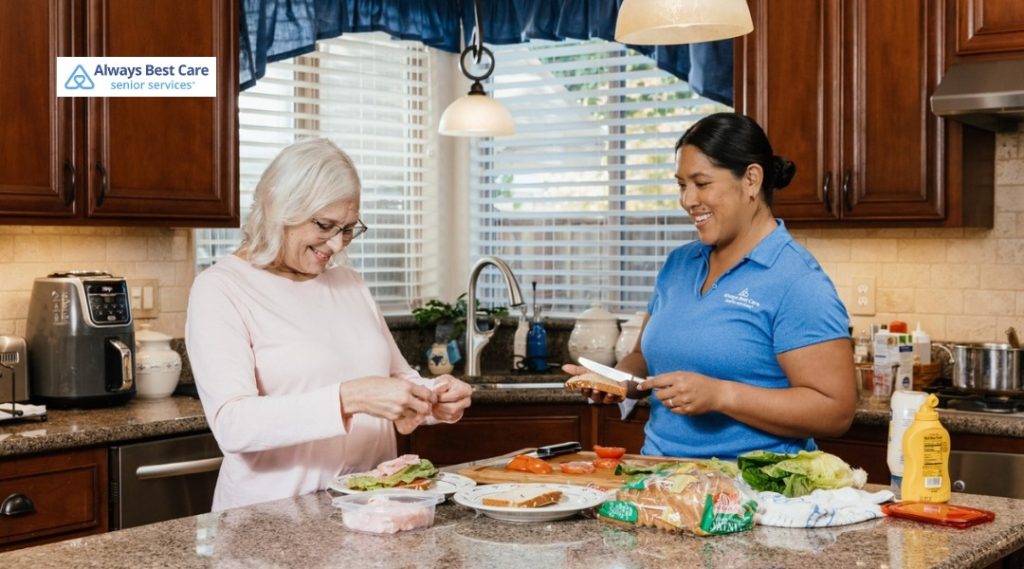
Meal planning and preparation can be a challenge for seniors managing multiple health conditions or living alone. Having support in the kitchen, whether from a family member or a professional caregiver, makes it far easier to stay consistent.
The Value of Consistent Support at Home
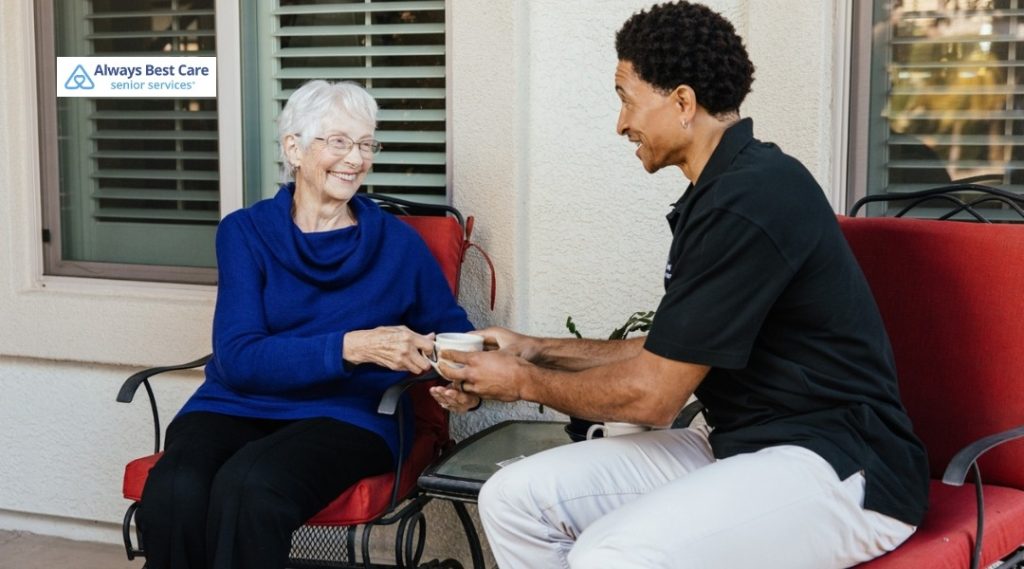
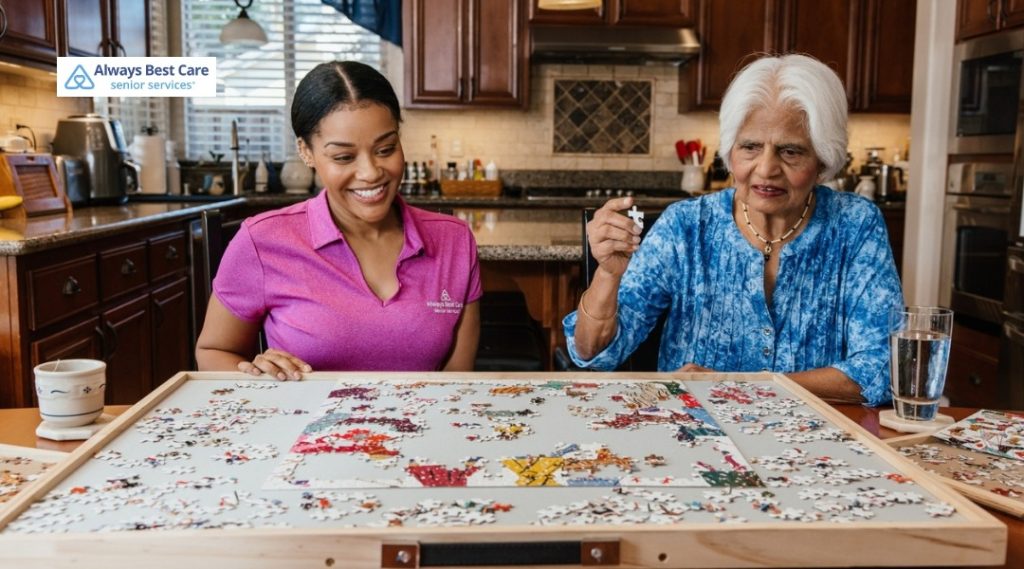
Healthy habits are easier to maintain with encouragement and accountability. For seniors in Westerville, OH, who live alone or are managing complex health conditions, day-to-day support can be the difference between staying on track and falling behind.
A dedicated caregiver can assist with:
- Preparing nutritious, low-sodium meals tailored to dietary needs
- Accompanying seniors on daily walks or exercise routines
- Organizing and reminding about medications and physician appointments
- Monitoring for early warning signs of health changes
- Providing companionship that reduces stress and social isolation
These consistent, small-scale supports add up to a significant protective effect over time.
Frequently Asked Questions
Q: What is the most important thing seniors can do to prevent a stroke?
A: Managing blood pressure is the single most impactful step. High blood pressure is the leading cause of stroke, and keeping it within a healthy range through medication, diet, and lifestyle changes significantly reduces risk.
Q: How does diabetes increase stroke risk?
A: High blood sugar damages blood vessel walls over time, making them more susceptible to plaque buildup and clot formation. Seniors with diabetes who manage their condition carefully can substantially lower their stroke risk.
Q: Can seniors with limited mobility still reduce their stroke risk through exercise?
A: Yes. Even gentle, low-impact movement, such as chair exercises, stretching, or short walks, provides cardiovascular benefits. A physician or physical therapist can recommend safe activities based on individual ability.
Q: What are the warning signs of a stroke that seniors should know?
A: The FAST acronym is a helpful guide: Face drooping, Arm weakness, Speech difficulty, Time to call 911. Acting quickly is critical; treatment is most effective when administered within the first few hours.
Helping Seniors Stay Healthy and Independent in Westerville, OH
Stroke prevention isn’t a single action; it’s a lifestyle built on daily choices, medical management, and the right support system. Seniors who actively manage their blood pressure, blood sugar, cholesterol, diet, and activity levels are giving themselves the best possible chance at a longer, healthier, more independent life.
At Always Best Care of Westerville, our caregivers are trained to support seniors in building and maintaining the routines that protect their health. From meal preparation and medication reminders to companionship and mobility assistance, we’re here to help your loved one thrive at home.
Call Always Best Care of Westerville today at (614) 284-6764 to schedule a care consultation and learn how we can help your loved one stay healthy, active, and independent.
Link to the Markdown File version of the article