

Senior Scams: How to Recognize the Warning Signs and Protect Your Loved One in Westerville, OH
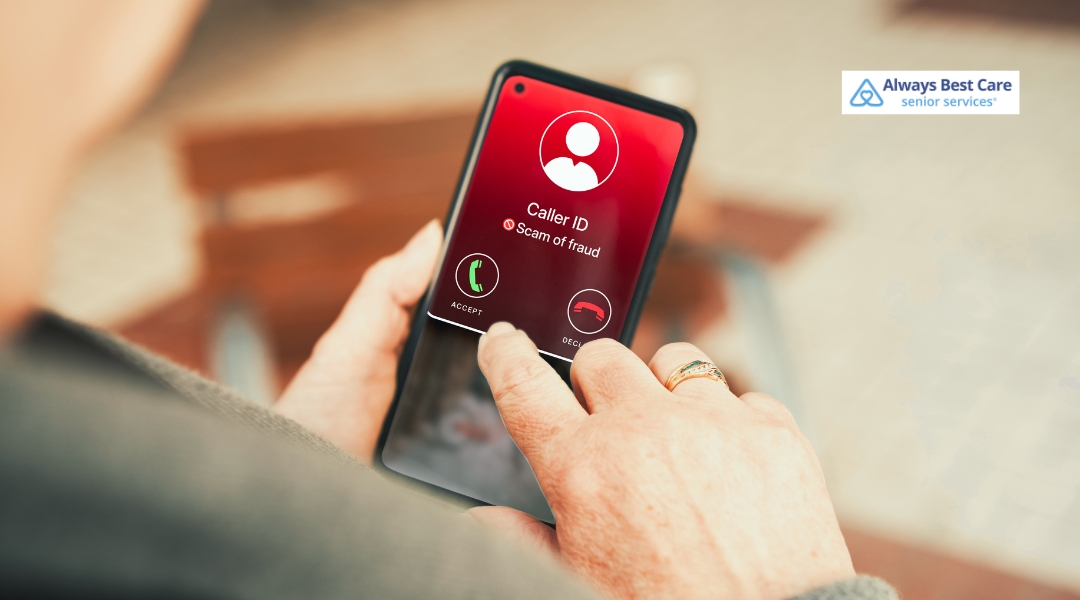
Scams aimed at older adults aren’t just annoying, they’re heartbreaking and costly. In Westerville, OH, many families are shocked to discover that a polite phone call, a friendly email, or a “too good to be true” sweepstakes has emptied a loved one’s savings or shaken their confidence.
The tricky part? Scammers know exactly how to push buttons, stir up fear, and sound believable. Yet there’s good news: with solid information, a bit of skepticism, and a strong support system, we can spot the red flags early and help keep the seniors we love safe.
At Always Best Care of Westerville, OH, we walk alongside families every day, helping them recognize senior scams and respond before real damage is done.
What you will learn:
- Why seniors in Westerville are frequently targeted by scammers, and which common scams to watch for.
- The key warning signs that suggest a phone call, email, text, or offer may be a scam.
- Simple, loving ways families and in-home caregivers can work together to prevent scams and support seniors.
- What steps to take, and how to respond calmly and kindly, if you suspect your loved one has been targeted or victimized.
Table of Contents
Why Are Seniors in Westerville, OH So Often Targeted?
Scammers are calculated. They choose targets they believe will be easier to sway. Many older adults:
- Are naturally trusting and polite, even when something feels “off”
- Have retirement savings, home equity, or a steady income that fraudsters want to tap into
- Live alone or feel isolated, making them more likely to chat with a stranger
- Didn’t grow up with digital technology, so online or text scams can be harder to spot
Put all that together, and it’s easier for a scammer to build false trust and twist situations to their advantage.

Common Senior Scams You’ll See in Westerville, OH
Scams come in many flavors, but the playbook doesn’t change much. Recognizing the patterns is half the battle.
Phone Scams
A caller may claim to be:
- A government agent (IRS, Social Security, Medicare)
- A utility company representative threatening to shut off power or water
- A grandchild or relative in trouble, begging for money and secrecy
They lean hard on urgency: “If you don’t pay now, there’ll be serious consequences.” That pressure is a huge red flag.
Email, Text, and Phishing Scams
Messages may look like they come from:
- Banks or credit unions
- Insurance or healthcare providers
- Popular stores or delivery services
They often:
- Ask you to click a link and “log in”
- Request personal info like Social Security numbers or account details
- Claim there’s a “problem” with an account that needs immediate attention
Behind the scenes, those links lead to fake websites designed to steal personal data.

Sweepstakes and Lottery Scams
“Congratulations! You’ve won!” sounds exciting, until the catch appears.
Typical signs:
- You “won” a prize you never entered for
- You’re told to pay taxes, fees, or handling costs upfront
- The caller or email insists the prize is guaranteed, but only if you act now
In reality, there’s no prize at all, just money flowing out, never in.
Romance Scams
Online friendships can be lovely…until someone starts asking for money. Romance scammers:
- Build a slow, emotional connection over weeks or months
- Claim to care deeply, even if you’ve never met in person
- Suddenly face an “emergency” and ask for money, gift cards, or wire transfers
The story changes, but the pattern doesn’t: emotional bond first, money request second.

Tech Support Scams
These scams prey on the fear of computers and phones “breaking.” A scammer might:
- Call out of the blue, saying they’re from “Microsoft” or another big company
- Use a pop-up that says the computer is infected
- Ask for remote access or a credit card to “fix” the problem
Once inside the computer, they may steal information or install harmful software.
Warning Signs of a Senior Scam
Most scams share a few classic warning signs. If you notice these with a loved one, it’s time to hit pause.
Look out for:
- Demands for immediate payment or a “do this right now” attitude
- Requests for payment by gift cards, wire transfer, or cryptocurrency
- Unsolicited calls, emails, or texts asking for personal or financial information
- Messages that use fear, panic, shame, or secrecy to get a quick reaction
- Requests to keep the conversation secret from family or friends
If something feels off, it’s absolutely okay to hang up, delete the message, or say, “I’ll check with my family and call back.”
How Families in Westerville, OH Can Help Protect Loved Ones
We all play a role in scam prevention. A few simple habits can make a world of difference.
Consider:
- Talk openly about scams
Keep the topic casual, not scary. Share news stories, examples, or “What would you do if…?” questions. - Practice “verify before you act”
Encourage your loved one to call the company using a trusted number, not the one in the message. - Check financial statements regularly
Watch for small, strange transactions; they can be test charges before bigger hits. - Set up call blocking and email filters
Reducing the number of suspicious calls and emails can lower risk and stress. - Agree on a family rule
For example: “Before you send money, sign anything, or share personal info, call us first.”
Creating a judgment-free zone, where seniors feel safe saying, “This seems weird; what do you think?”, goes a long way.

The Role of In-Home Care in Preventing Senior Scams
Having another trusted person in the home isn’t just about practical help; it’s also about another set of eyes and ears.
At Always Best Care of Westerville, OH, we take scam awareness seriously. We:
- Help screen phone calls and visitors
Caregivers can answer the phone, ask questions, and gently end suspicious conversations. - Notice changes in behavior or money worries
A sudden fear of bills, new “friends” calling, or secretive behavior can tip us off that something’s wrong. - Provide companionship
Scammers often seek out people who feel lonely. Regular visits reduce isolation and the desire to chat with random callers. - Encourage family communication
We can keep you updated on anything that seems off, so you’re in the loop quickly.
We view scam prevention as part of helping seniors feel safe, respected, and confident at home.
What Should You Do If You Suspect a Scam?
If you think a loved one in Westerville, OH has been targeted, or may already be a victim, don’t panic, but don’t wait, either.
Here’s a basic step-by-step approach:
- Stay calm and supportive
Avoid blame. Shame can shut down the conversation. - Contact the bank or credit card company right away
Ask them to freeze or flag accounts and review recent transactions. - Report the scam
Reach out to local law enforcement or adult protective services to document the situation. - Watch accounts closely
Check statements regularly for additional suspicious charges or new accounts. - Review safety steps together
Talk through what happened, what to watch for next time, and who to call before acting in the future.
Many older adults feel embarrassed and may try to hide what happened. A calm, caring response makes it easier for them to speak up earlier next time.

Frequently Asked Questions
Q: How can we talk about scams without scaring our loved ones?
A: Keep the tone relaxed and practical. Use real-life stories, focus on “Let’s keep you one step ahead of these crooks,” and reassure them that anyone can be targeted.
Q: What’s the safest rule about sharing personal information?
A: As a general rule, don’t share Social Security numbers, banking details, or Medicare numbers over the phone or by email unless your loved one called a verified number or logged into a known, secure website.
Q: Are all unexpected calls bad news?
A: Not necessarily, but it’s smart to be cautious. If the caller asks for money, personal information, or immediate action, hang up and call the company or agency using a trusted number.
Q: How can Always Best Care of Westerville, OH help with scam prevention?
A: We help by screening calls, noting unusual behavior, offering companionship, and keeping you updated on anything that doesn’t sit right. We work with families to build simple, practical routines that make scams easier to spot.
Protecting Seniors in Westerville Starts with Awareness
Scammers are getting craftier, but they’re not unstoppable. With open conversations, a healthy dose of skepticism, and steady support, seniors can stay informed and confident, not fearful.
At Always Best Care of Westerville, we’re committed to walking shoulder to shoulder with you to help your loved one stay safe, connected, and independent at home. If you’d like to talk about extra support, companionship, or scam awareness for your family member, we’re here to help and ready to listen at (614) 324-1061.
Link to the Markdown File version of the article