
Preparing Your Home for Summer: Senior Safety Tips in Westerville
Summer in Westerville brings longer days, backyard gatherings, and a welcome change of pace. But for older adults, rising temperatures and seasonal hazards can turn a pleasant season into a serious health risk.
With a few targeted preparations, seniors and their families can create a safer, more comfortable home environment and actually enjoy everything summer has to offer.
What you will learn:
- How to keep a senior’s home pleasantly cool and cozy while staying safe in the summer heat.
- Simple daily habits that support hydration, medication safety, and overall warm-weather wellbeing.
- Easy ways to spot and fix indoor and outdoor hazards, from falls to storm-related risks.
- How thoughtful in-home care and check-ins help seniors feel supported, independent, and joyful all season long.
Table of Contents
Why Summer Poses Unique Risks for Seniors
Aging affects the body’s ability to regulate heat. Seniors sweat less efficiently, may not recognize thirst cues, and are more likely to take medications that interfere with temperature regulation. This combination makes heat exhaustion and dehydration genuine threats, not just inconveniences.
The good news: most summer risks are preventable with some advance planning.
Cool the Home Before the Heat Arrives
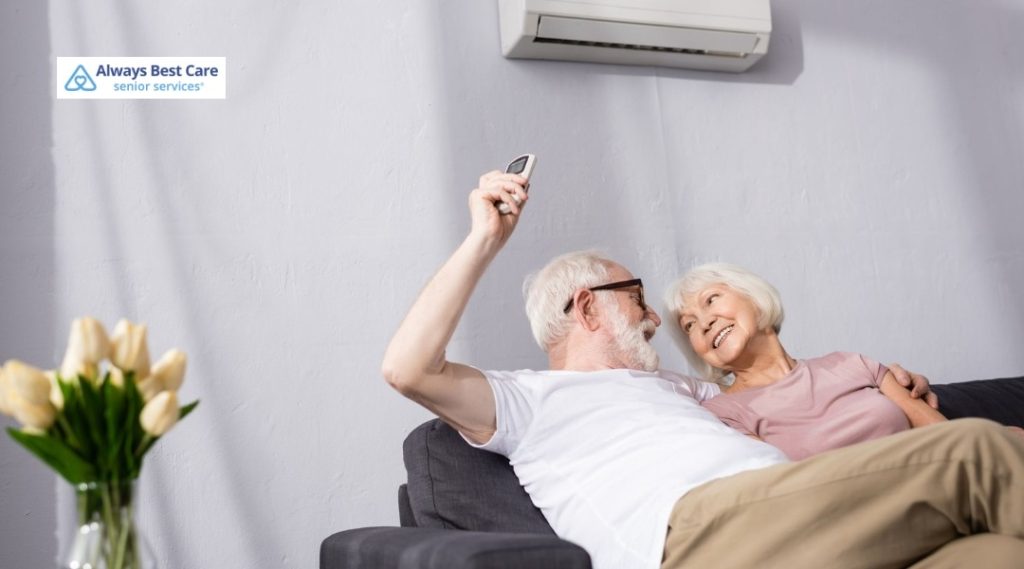
Don’t wait for a heat wave to check your cooling systems. Schedule an HVAC inspection early in the season, replace air filters, and test ceiling and portable fans. If the home lacks central air conditioning, identify local cooling centers, libraries, or community spaces that offer relief during extreme heat.
A few low-cost habits also help:
- Close blinds and curtains during peak afternoon hours
- Use light-colored window coverings to reflect heat
- Keep interior doors open to improve airflow between rooms
A consistently cool indoor environment is one of the most effective defenses against heat-related illness.
Build a Daily Hydration Habit
Dehydration is one of the most common and most overlooked summer health risks for seniors. Because the sensation of thirst diminishes with age, many older adults become dehydrated before they realize it.
Make hydration easy and automatic:
- Place water bottles in frequently visited rooms
- Incorporate hydrating foods like watermelon, cucumbers, and berries into daily meals
- Set gentle reminders to drink water throughout the day
- Limit caffeine and sugary drinks, which can accelerate fluid loss
If a senior takes diuretics or other medications, consult their healthcare provider about adjusted fluid intake during hot weather.

Inspect Outdoor Areas for Safety Hazards
Summer encourages more time outdoors, which is great for physical and mental well-being, as long as the environment is safe. Before the season gets underway, walk through all outdoor spaces and address:
- Cracked or uneven walkways and loose pavers
- Garden hoses, tools, or other tripping hazards left on pathways
- Wobbly or missing handrails on steps and ramps
- Overgrown plants that block clear sightlines or pathways
- Outdoor lighting that needs new bulbs or repositioning
A quick outdoor safety audit takes less than an hour and can prevent a serious fall.
Have a Plan for Severe Weather
Summer storms, power outages, and extreme heat events can escalate quickly. Seniors, especially those living alone, need a clear plan before an emergency occurs.
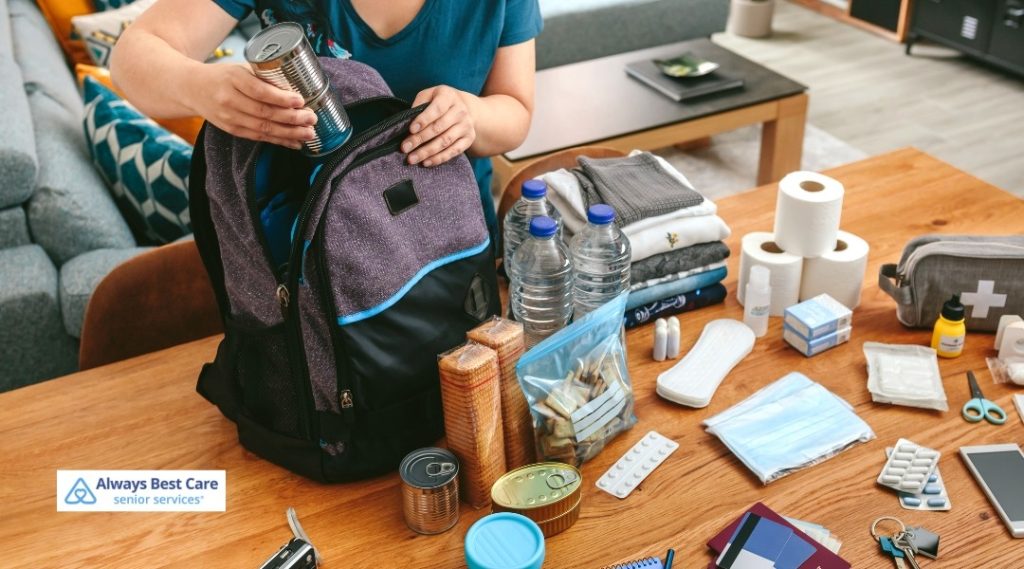
Assemble a basic emergency kit that includes:
- Bottled water and nonperishable food
- Flashlights and extra batteries
- A printed list of emergency contacts and medical information
- A supply of necessary medications
- Backup charging options for phones or medical devices
Equally important: establish a communication plan with family members or neighbors so that someone checks in during severe weather events.
Manage Medications in the Heat
Heat affects more than comfort it can compromise medications. Some drugs lose potency when exposed to high temperatures, while others increase a person’s sensitivity to heat or the sun.
Steps to take now:
- Review storage instructions for all current medications
- Move any medications stored in bathrooms or cars to a cool, dry location
- Ask a pharmacist or physician whether any current prescriptions require extra precautions in summer
This is a simple step that’s easy to overlook but can have a meaningful impact on health outcomes.
Reduce Indoor Fall Risks
Falls don’t only happen outside. Summer introduces new indoor hazards, wet floors from tracking in water after outdoor activities, sandals that offer less support than regular shoes, and increased fatigue from heat exposure.
Reduce the risk with a few straightforward measures:
- Place non-slip mats at all entry points and in bathrooms
- Keep walkways clear of clutter, cords, and loose rugs
- Ensure all rooms are well-lit, especially hallways and stairwells
- Encourage supportive, closed-toe footwear even indoors
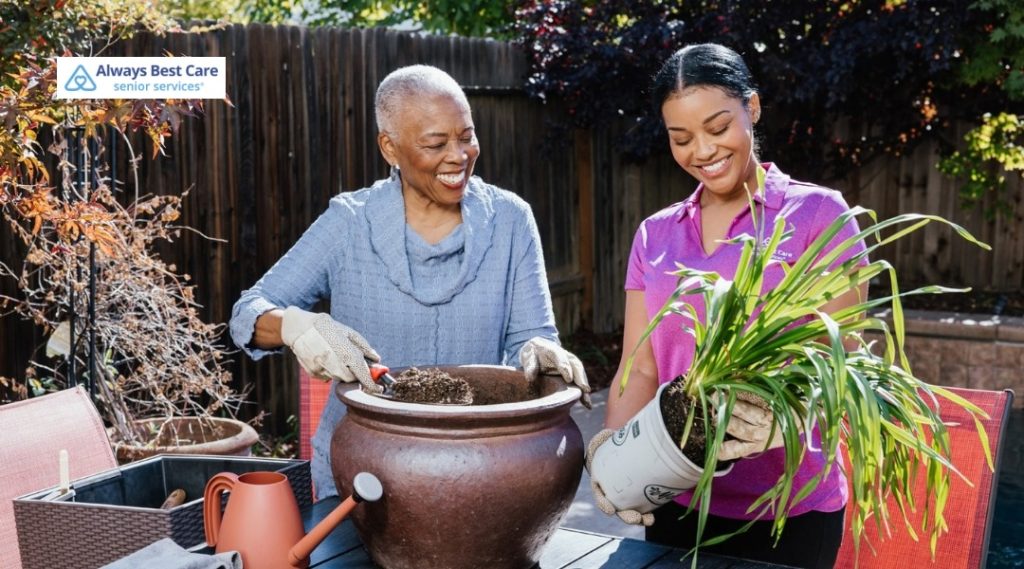
How Always Best Care of Westerville Supports Seniors This Summer
Summer preparation is manageable, but it’s a lot easier with support. Always Best Care of Westerville provides in-home care services that help seniors stay safe, comfortable, and independent throughout the season.
Caregivers can assist with:
- Home safety walkthroughs and light housekeeping
- Meal preparation and hydration reminders
- Medication reminders and wellness monitoring
- Transportation to appointments and errands
- Companionship and regular check-ins
Whether a senior needs a few hours of help each week or more consistent daily support, personalized care makes a real difference.
Frequently Asked Questions
Q: What temperature is considered dangerous for seniors indoors?
A: Indoor temperatures above 80°F (27°C) can be risky for older adults, particularly those with heart disease, diabetes, or respiratory conditions. Ideally, indoor spaces should be kept between 68°F and 76°F during the summer months.
Q: How much water should a senior drink per day in summer?
A: Most older adults should aim for at least 8 cups (64 oz) of water daily, with more needed during hot weather or physical activity. Since thirst is not a reliable indicator in seniors, scheduled hydration reminders are more effective than relying on thirst alone.
Q: What are the early warning signs of heat exhaustion in seniors?
A: Watch for heavy sweating, cool or pale skin, weakness, dizziness, nausea, and a rapid or weak pulse. Heat exhaustion can quickly escalate to heat stroke. Move the person to a cool area and seek medical attention if symptoms don’t improve within 15 minutes.
Q: Are there medications that make seniors more vulnerable to heat?
A: Yes. Diuretics, antihistamines, beta-blockers, antipsychotics, and certain antidepressants can all affect the body’s ability to regulate temperature or increase dehydration risk. Always consult a healthcare provider about summer-specific precautions.
Q: How can I help an aging parent prepare for summer if I don’t live nearby?
A: Start with a phone or video call to walk through the checklist together. Arrange for a local caregiver, neighbor, or family friend to do an in-person safety check. Professional in-home care services like Always Best Care can also provide regular oversight and peace of mind for long-distance families.

Sunny Seasons, Safe Seniors in Westerville
Summer should be a season seniors look forward to, not one they have to endure. With the right preparation and the right support, staying safe at home is entirely achievable.
Call Always Best Care of Westerville today at (614) 324-1061 to schedule a care consultation and learn how our caregivers can help your loved one thrive this summer.
Link to the Markdown File version of the article