Home Health for Stroke Recovery: Therapy, Monitoring, and Support in Westerville, OH
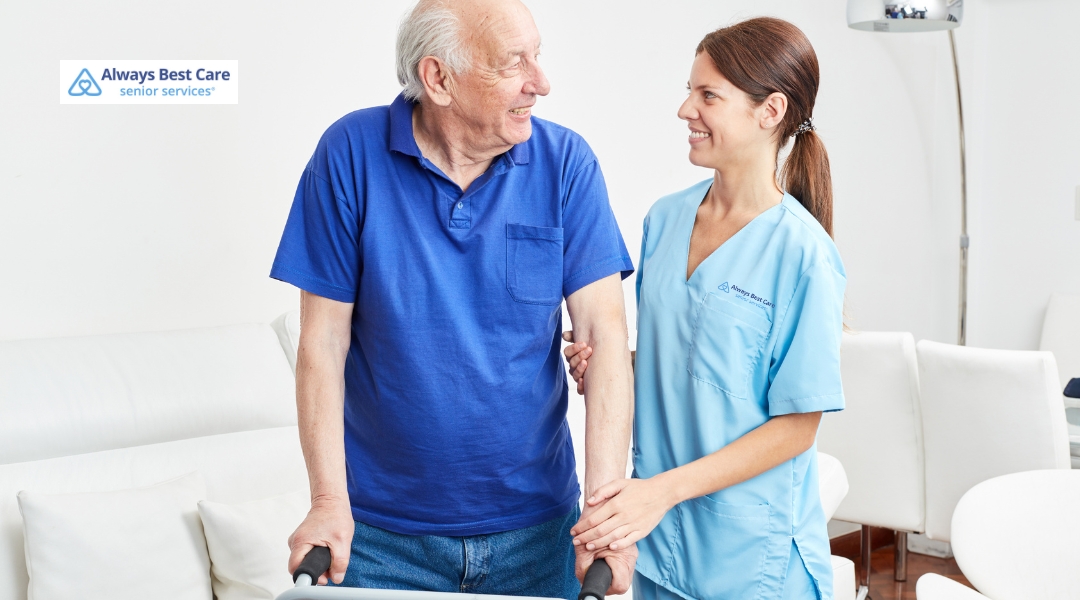
Returning home after a stroke is a significant milestone, but it is also the point where consistent, skilled support becomes essential. The weeks and months following discharge are critical for long-term recovery, and the quality of care during this period can directly influence the extent of functional recovery a survivor regains.
Home health services bridge the gap between hospital care and independent living. By delivering skilled nursing, therapy, and monitoring directly in the home, these services allow stroke survivors to continue recovering in a familiar environment, without the physical and emotional strain of frequent clinic visits.
What you will learn:
- How home health services in Westerville, OH, support stroke recovery at home with skilled nursing, therapy, and ongoing monitoring.
- The roles of skilled nursing, physical therapy, and occupational therapy in rebuilding strength, mobility, and day-to-day independence after a stroke.
- Why regular home visits, close monitoring, and early intervention are so important for catching problems before they become serious setbacks.
- How emotional support, compassionate caregivers, and coordinated care help seniors and families feel more confident, encouraged, and supported throughout recovery.
Table of Contents
The Real Challenges of Stroke Recovery at Home
No two strokes are alike. Depending on which part of the brain is affected, survivors may face challenges with movement, speech, memory, swallowing, or emotional regulation. Many of these deficits are not fully visible during a short hospital stay, making home-based monitoring especially important.
Family caregivers often find themselves managing complex medical needs with little preparation. Home health professionals step in to provide clinical expertise, caregiver education, and a structured recovery plan, reducing the risk of complications and hospital readmission.
Skilled Nursing: Medical Oversight Where It Matters Most
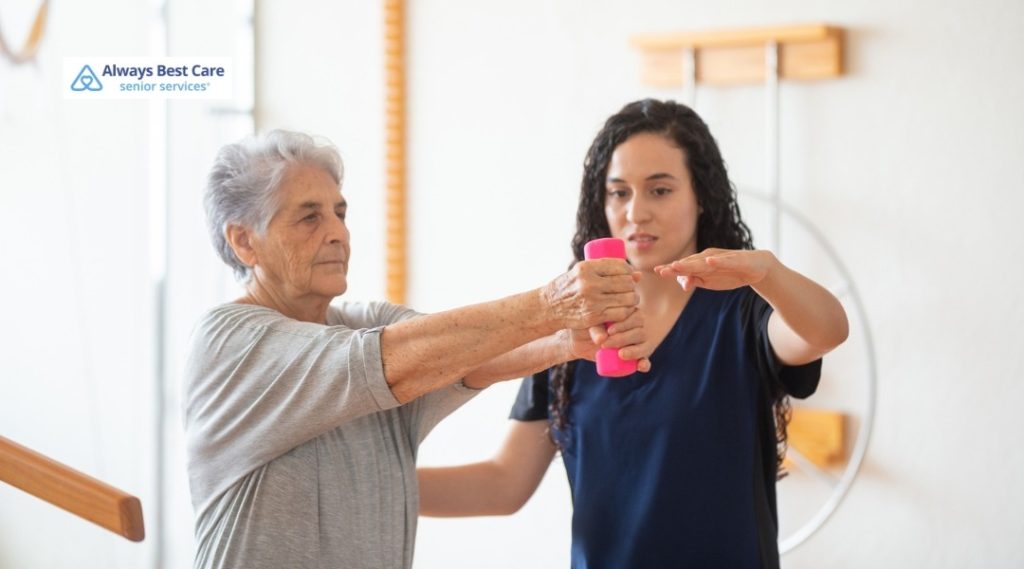
A licensed home health nurse serves as the medical anchor of a stroke recovery plan. They monitor health indicators, manage medications, and communicate with the broader care team to ensure nothing is missed.
Skilled nursing services may include:
- Tracking blood pressure, heart rate, and other vital signs
- Managing anticoagulants and other post-stroke medications
- Identifying early warning signs of a secondary stroke or complication
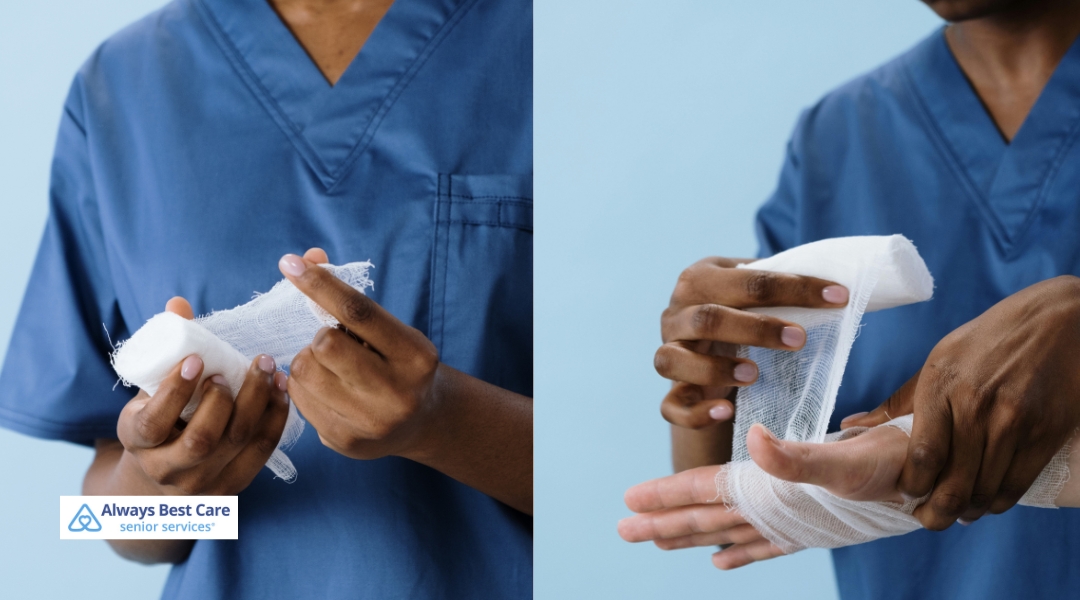
- Wound care if surgery was part of the treatment
- Educating family members on safe care practices and what to watch for
For survivors managing co-existing conditions such as diabetes, atrial fibrillation, or hypertension, skilled nurses help coordinate care across multiple health concerns, creating a more complete and safer recovery plan.
Physical Therapy: Rebuilding Strength and Movement
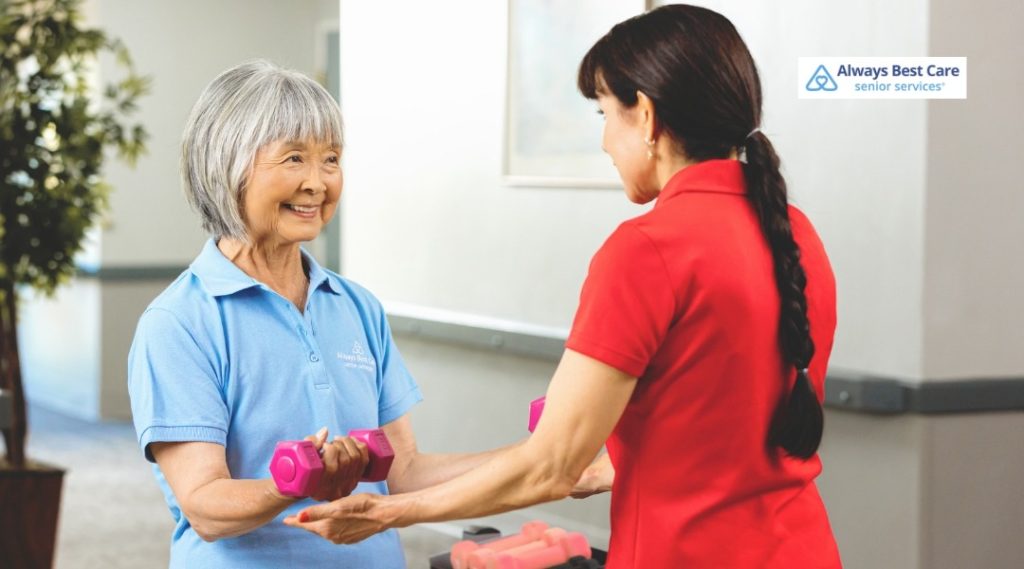
Weakness or paralysis on one side of the body is one of the most common effects of a stroke. Physical therapy focuses on retraining the brain and body to work together again, a process that requires consistency, patience, and professional guidance.
A home health physical therapist in Westerville, OH works with survivors to improve:
- Muscle strength and coordination
- Balance and fall prevention
- Walking ability and safe mobility throughout the home
- Range of motion in affected arms and legs
Because therapy happens in the actual living environment, exercises are directly relevant to the patient’s daily life. A therapist can assess how a senior navigates their specific staircase, bathroom, or hallway, and tailor exercises accordingly. This real-world focus accelerates progress and reduces fall risk.
Occupational Therapy: Reclaiming Daily Independence
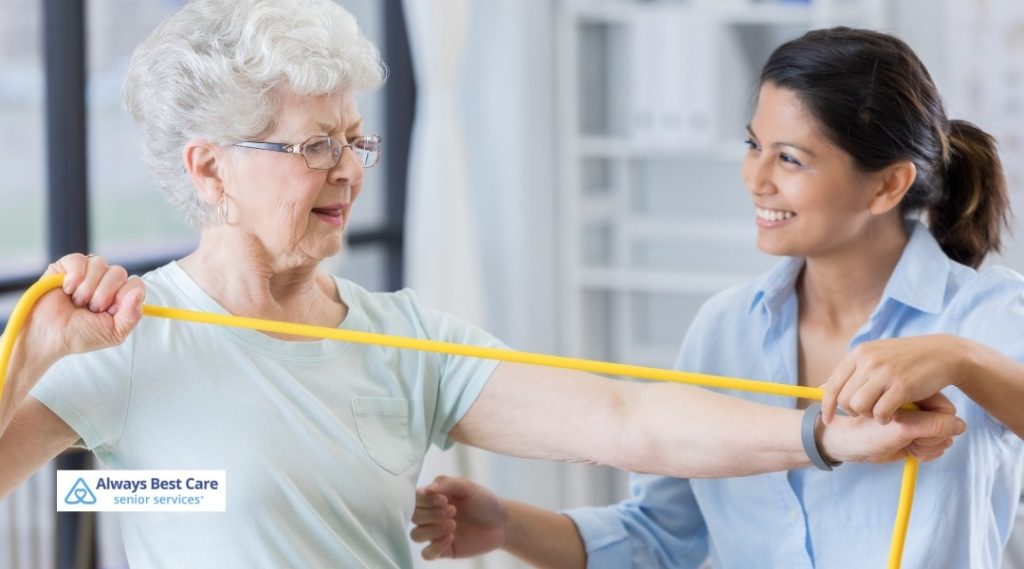
A stroke can make once-automatic tasks feel overwhelming. Occupational therapy helps survivors relearn how to perform daily activities safely and with greater confidence.
Occupational therapy in Westerville, OH may address:
- Bathing, dressing, and grooming routines
- Meal preparation and kitchen safety
- Fine motor skills needed for writing, buttoning, or using utensils
- Adaptive tools and techniques that reduce physical strain
- Home modifications such as grab bars, ramps, or repositioned furniture
The goal is not just task completion, but restoring a sense of autonomy. When seniors can manage their own routines again, their emotional well-being improves alongside their physical recovery.
Ongoing Monitoring: Catching Problems Before They Escalate
Stroke recovery is rarely linear. Progress can plateau or reverse, and new complications can emerge weeks after the initial event. Regular home health visits provide a clinical safety net that family caregivers alone cannot replicate.
Home health teams monitor for:
- Sudden changes in speech, vision, or movement
- Increased weakness, confusion, or unusual fatigue
- Signs of depression or emotional withdrawal
- Medication side effects or interactions
- Indicators of a secondary stroke or cardiovascular event
Early identification of these warning signs can prevent emergency hospitalizations and keep recovery on track.
Emotional Health Is Part of Recovery
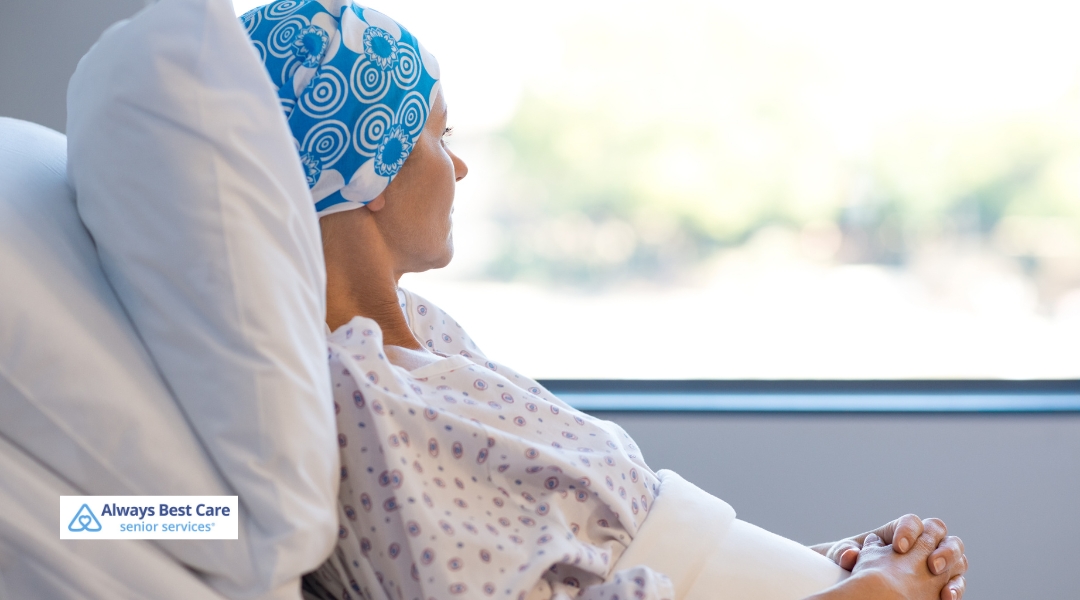
Post-stroke depression affects a significant portion of survivors and is often underdiagnosed. Anxiety, frustration, and grief over lost abilities are also common. These emotional challenges can slow physical recovery if left unaddressed.
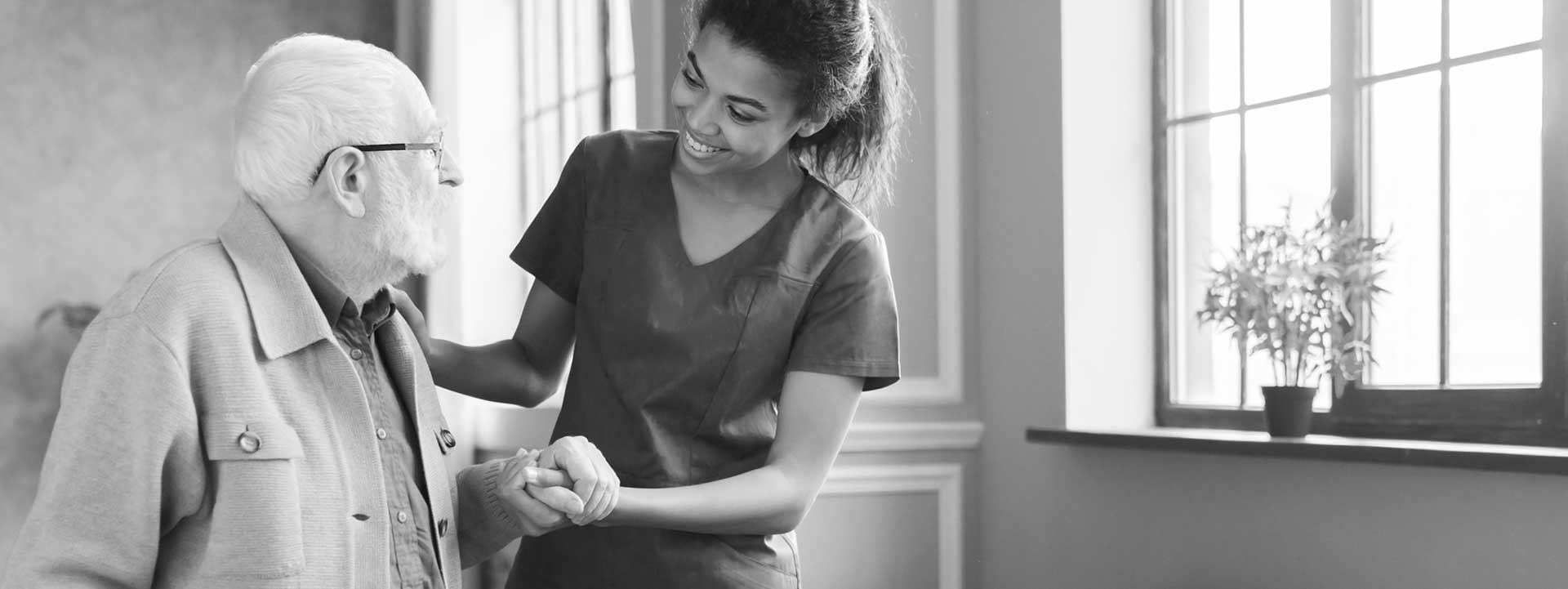
Home health professionals are trained to recognize emotional changes and connect survivors with appropriate support. The consistent presence of a caring, familiar team also reduces feelings of isolation, which is particularly important for seniors living alone or with limited social contact.
How Always Best Care of Westerville, OH Supports Stroke Recovery
At Always Best Care of Westerville, OH, we take a whole-person approach to stroke recovery. Our home health team collaborates with physicians, therapists, and family members to build care plans that reflect each survivor’s specific needs, goals, and living situation.
Beyond skilled nursing and therapy, our caregivers provide hands-on support with daily activities, meal preparation, transportation to follow-up appointments, and companionship. This integrated model ensures that medical and personal care work together, not in isolation.
We understand that stroke recovery is a process, not an event. Our team is here for every step of it.
Frequently Asked Questions
Q: How soon after a stroke can home health services begin?
A: Home health can typically begin within days of hospital discharge. A physician referral is usually required, and services are often coordinated before the patient leaves the hospital to ensure a smooth transition home.
Q: Does Medicare cover home health services after a stroke?
A: In many cases, yes. Medicare Parts A and B may cover skilled nursing, physical therapy, occupational therapy, and speech therapy when a physician certifies that the patient is homebound and that the services are medically necessary. Coverage details vary, so it is worth confirming with your provider.
Q: How long does home health support typically last after a stroke?
A: The duration depends on the severity of the stroke and the individual’s rate of progress. Some patients receive home health services for a few weeks; others may benefit from several months of support. Care plans are regularly reassessed and adjusted based on recovery goals.
Q: What is the difference between home health and home care?
A: Home health refers to medically skilled services provided by licensed professionals, such as nurses and therapists. Home care refers to non-medical support, such as help with bathing, meal preparation, and companionship. Many families benefit from working together.
Q: Can home health services help prevent another stroke?
A: While no service can guarantee prevention, skilled nursing plays an important role in managing risk factors such as high blood pressure, medication adherence, and lifestyle habits. Early detection of warning signs also allows for faster intervention if a secondary stroke is suspected.
Q: What should families look for in a home health provider?
A: Look for a provider with licensed, experienced clinical staff, a clear communication process with the patient’s physician, and the ability to coordinate both medical and non-medical care. Compassion, reliability, and a personalized approach to care planning are equally important.
Moving Forward, One Step at a Time
Stroke recovery is a journey that unfolds day by day, and having the right support at home can make every step feel more possible and less overwhelming.
With skilled nursing, focused therapy, and compassionate caregivers by their side, seniors in Westerville, OH can rebuild strength, confidence, and independence in the comfort of their home.
Call Always Best Care of Westerville today at (614) 284-6764 to schedule a care consultation and learn how home health services can support your loved one’s stroke recovery with skilled nursing, therapy, and compassionate care.
Link to the Markdown File version of the article