

Why Seniors Don’t Always Feel Thirsty: Understanding the Importance of Staying Hydrated

Seniors do not always receive a loud, clear “drink up!” signal from the body, and that can make dehydration easy to miss. As people age, the sense of thirst can quietly fade into the background, meaning an older adult may need fluids well before they feel the urge to reach for a drink.
Staying ahead of dehydration becomes especially important because regular hydration supports comfort, energy, clear thinking, and overall well-being each day.
What You Will Learn
- Why seniors may not feel thirsty as often and need extra support with hydration.
- The common warning signs of dehydration that loved ones can notice early.
- Easy daily habits, foods, and drinks that help older adults stay well hydrated.
- How caring in-home support can help seniors feel comfortable, confident, and independent.
Table of Contents
Why Seniors Don’t Always Feel Thirsty
As we get older, the body’s natural thirst response can slow down. In plain English, the brain may not send the “I need water” message as strongly or as quickly as it once did, so a senior may already be low on fluids before they notice that anything feels different. Reduced kidney function can also make it harder for the body to hold onto water, while certain medications may increase fluid loss or make thirst less noticeable.
Chronic health concerns, limited mobility, and worries about frequent bathroom trips can create additional barriers to drinking enough. When getting up for a glass of water feels difficult, or when someone is trying to avoid more trips to the restroom, hydration may unintentionally fall lower on the priority list. Over time, these small challenges can make it easier for seniors to go through much of the day without enough fluids.
Why Hydration Matters So Much
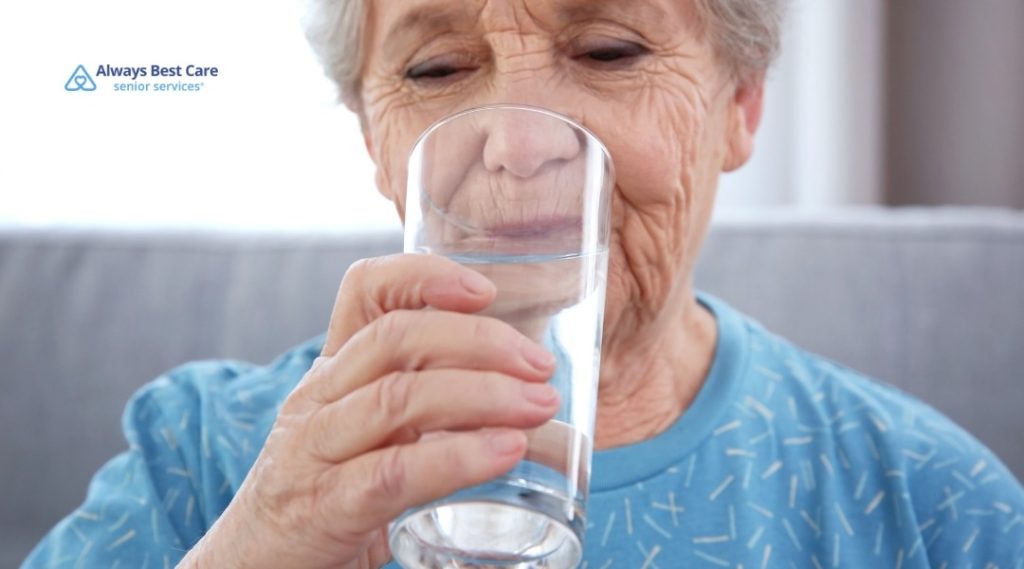
Water does a great deal of important work behind the scenes. It helps regulate body temperature, support digestion, maintain healthy circulation, and promote clearer thinking. When the body does not have enough fluids, an older adult may begin to feel worn out, foggy, uncomfortable, or simply unlike themselves.
Even mild dehydration can affect strength, balance, focus, and mood. Because symptoms such as tiredness, dizziness, weakness, and confusion can sometimes look like normal signs of aging or another health concern, it is important for families and caregivers to consider hydration as part of the picture.
Warning Signs of Dehydration
Families and caregivers can often notice changes before a senior recognizes them. A dry mouth, cracked lips, dry skin, dark urine, or fewer bathroom trips can all suggest that the body needs more fluids. Other signs may include dizziness, weakness, headaches, poor appetite, unusual tiredness, or new confusion.
If these symptoms appear suddenly, worsen, or occur together, it is wise to contact a healthcare provider. Prompt attention can help identify dehydration early and support the right next steps for your loved one.

Easy Ways to Build Better Hydration Habits
Waiting until thirst appears can be a shaky plan, so it helps to make drinking fluids part of the day’s regular rhythm. Offering a glass of water with meals, keeping a favorite water bottle close by, and setting gentle phone or clock reminders can make hydration feel simple rather than stressful. Small, steady sips throughout the day are often more comfortable and manageable than trying to drink a large amount all at once.
It can also help to offer water before going outside, running errands, exercising, or spending time in warmer weather. Keeping drinks visible and easy to reach reduces effort and creates a natural reminder to take a sip. With a little consistency, hydration can become second nature and a comforting part of the daily routine.
Foods and Drinks That Help Too
Water is the star of the show, but it is not the only way to support hydration. Many everyday foods and beverages add valuable fluids to a senior’s day, especially for those who do not enjoy drinking plain water or need more variety. Juicy fruits such as watermelon, strawberries, and oranges are refreshing choices, while cucumbers and lettuce can add extra hydration to meals.
Broth-based soups, herbal tea, yogurt, and low-fat milk can also contribute to daily fluid intake. Including these familiar foods and drinks in meals and snacks is a gentle way to support hydration while also providing nutrients that promote energy and overall health.
How We Can Help Seniors Stay Hydrated
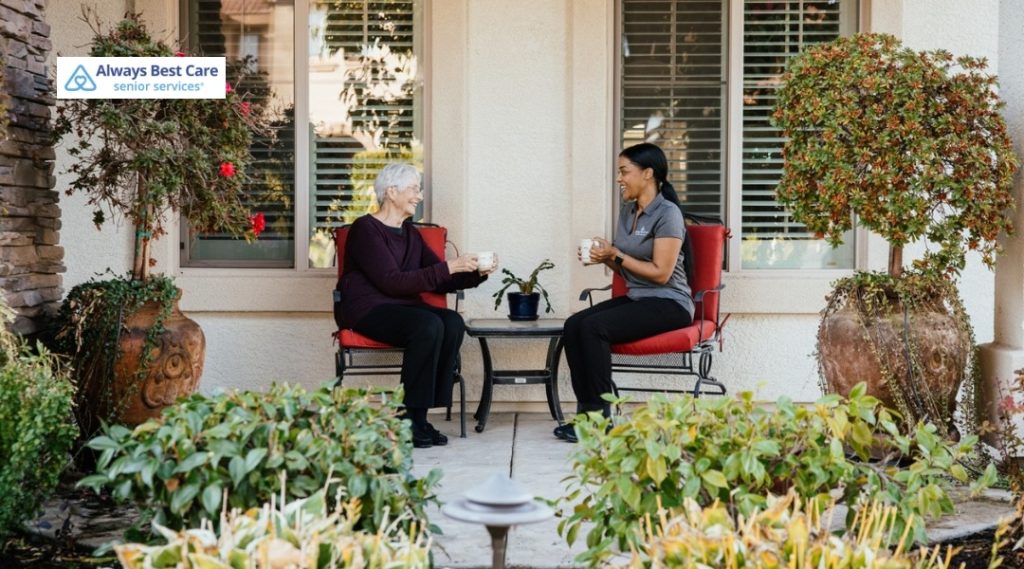
At Always Best Care of Westerville, OH, we help clients maintain healthy daily habits, including regular hydration. Our compassionate caregivers can offer friendly reminders to drink, help prepare nutritious meals with hydrating foods, and watch for changes that may suggest a senior needs additional support.
That extra attention can make a real difference, especially for seniors who live alone, manage ongoing health needs, have limited mobility, or become tired easily. With caring encouragement and practical assistance, we help make healthy routines easier to follow at home.
Frequently Asked Questions
Q: Why don’t seniors feel thirsty as often?
A: As people age, the body may not sense fluid loss as quickly, so thirst can become weaker or appear later than it did in earlier years. This can make it important to build regular drinking habits instead of depending on thirst alone.
Q: How much water should older adults drink?
A: Fluid needs vary based on a person’s health, medications, activity level, and daily environment. A healthcare provider can offer the most appropriate guidance for an individual senior’s needs.
Q: Can food count toward hydration?
A: Yes. Fruits, vegetables, broth-based soups, yogurt, milk, herbal teas, and other high-water-content foods and drinks can all add helpful fluids throughout the day.
Q: What’s the biggest risk of dehydration in seniors?
A: Dehydration can contribute to weakness, dizziness, confusion, falls, urinary tract infections, and other health concerns. Recognizing early changes and encouraging regular fluids can help reduce these risks.

Small Sips, Big Support
Thirst may not be the reliable guide it once was, but dehydration does not have to win the day. With steady habits, hydrating foods, easily available drinks, and a little extra encouragement, seniors can stay more comfortable, energized, and independent at home.
Always Best Care of Westerville, OH is here to provide compassionate support for your loved one’s daily routines and well-being. Reach out to Always Best Care of Westerville at (614) 324-1061 today to schedule a free care consultation and learn how we can support your family with dependable in-home care.