
Stroke Prevention Tips for Seniors in Alexandria: Protecting Brain Health Through Healthy Habits
Every 40 seconds, someone in the United States has a stroke. For older adults, the consequences can be especially severe, affecting speech, mobility, memory, and the ability to live independently. The good news? Up to 80% of strokes are preventable. With the right daily habits and proactive medical care, seniors can meaningfully reduce their risk and maintain a high quality of life.
Here’s what seniors and their families in Alexandria need to know.
What you will learn:
- Why stroke risk increases with age and how conditions like high blood pressure, diabetes, cholesterol, and AFib raise that risk.
- The five core prevention pillars for seniors in Alexandria include healthy blood pressure, blood sugar, cholesterol, physical activity, and healthy nutrition habits.
- How everyday support from family and caregivers helps seniors stay consistent with prevention routines and remain safe, independent, and thriving at home.
Table of Contents
Why Stroke Risk Rises with Age
Aging naturally affects the cardiovascular system. Blood vessels become less flexible, blood pressure tends to rise, and the cumulative effects of decades of lifestyle choices begin to show. Add in common conditions like atrial fibrillation, diabetes, or high cholesterol, and the risk compounds quickly.
What makes stroke particularly dangerous is its speed. Symptoms appear without warning, and every minute without treatment increases the likelihood of lasting damage. That’s why prevention, not just response, is the priority.
The Five Pillars of Stroke Prevention for Seniors
1. Control Blood Pressure Consistently
High blood pressure is the single most significant modifiable risk factor for stroke. When left unmanaged, it silently damages blood vessels over time, making a blockage or rupture far more likely.
Seniors should aim to monitor their blood pressure regularly, not just at annual checkups. Home monitors are affordable and easy to use. Reducing sodium intake, maintaining a healthy weight, limiting alcohol, and taking prescribed medications as directed all help keep numbers within a safe range.
2. Manage Diabetes Proactively
Diabetes accelerates damage to blood vessels throughout the body, including those supplying the brain. Seniors with diabetes are two to four times more likely to have a stroke than those without the condition.
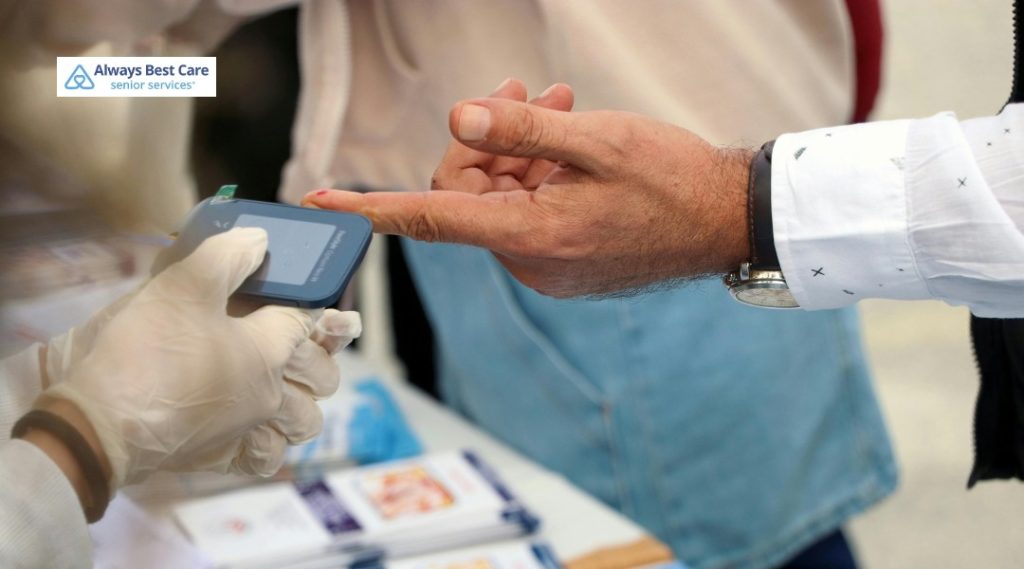
Consistent blood sugar monitoring, adherence to prescribed medications, and a balanced diet low in refined carbohydrates all play a critical role. Regular communication with a healthcare provider ensures that treatment plans stay current and effective.
3. Keep Cholesterol in Check
Excess LDL cholesterol contributes to plaque buildup inside the arteries a process called atherosclerosis. Over time, this narrows the arteries and restricts blood flow to the brain, significantly increasing the risk of stroke.
Heart-healthy eating habits make a real difference here. Prioritizing fruits, vegetables, whole grains, and lean proteins while limiting saturated fats and processed foods supports healthier arteries. When lifestyle changes aren’t enough, physicians may recommend medication to bring levels under control.
4. Stay Physically Active
Exercise is one of the most powerful tools for stroke prevention. It helps lower blood pressure, improve circulation, manage weight, and reduce inflammation, all factors that directly affect stroke risk.
Seniors don’t need to run marathons to benefit. Consistent, moderate activity is what matters. Good options include:
- Daily walks of 20–30 minutes
- Chair-based stretching or strength exercises
- Tai chi or yoga, which also improve balance and reduce fall risk
- Swimming or water aerobics for low-impact cardiovascular benefit
Even light activity spread throughout the day adds up. The goal is consistency over intensity.
5. Eat to Protect Your Brain
Diet has a direct and measurable impact on stroke risk. The Mediterranean and DASH diets are both well supported by research for their cardiovascular benefits and are particularly well-suited for older adults.
Key principles include:
- Emphasizing vegetables, fruits, legumes, and whole grains
- Choosing fish and poultry over red and processed meats
- Using olive oil as a primary fat source
- Cutting back on sodium, added sugars, and ultra-processed foods
- Staying well-hydrated throughout the day
Small, sustainable dietary changes, rather than dramatic overhauls, are more likely to stick long-term.
The Role of Daily Support in Alexandria
For many seniors, the challenge isn’t knowing what to do, it’s doing it consistently, especially when managing multiple health conditions or living alone. This is where in-home support makes a genuine difference.
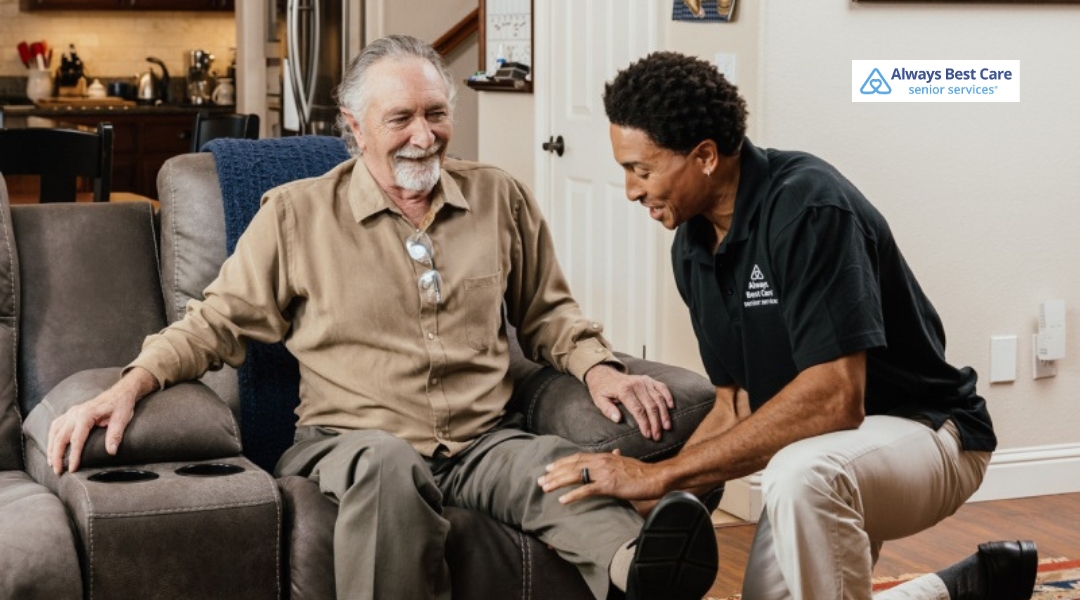
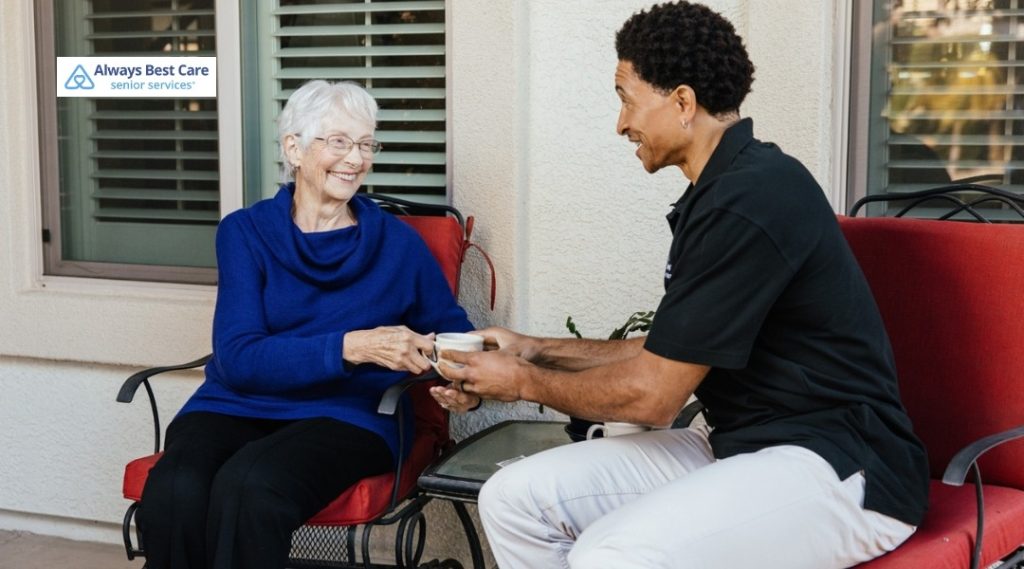
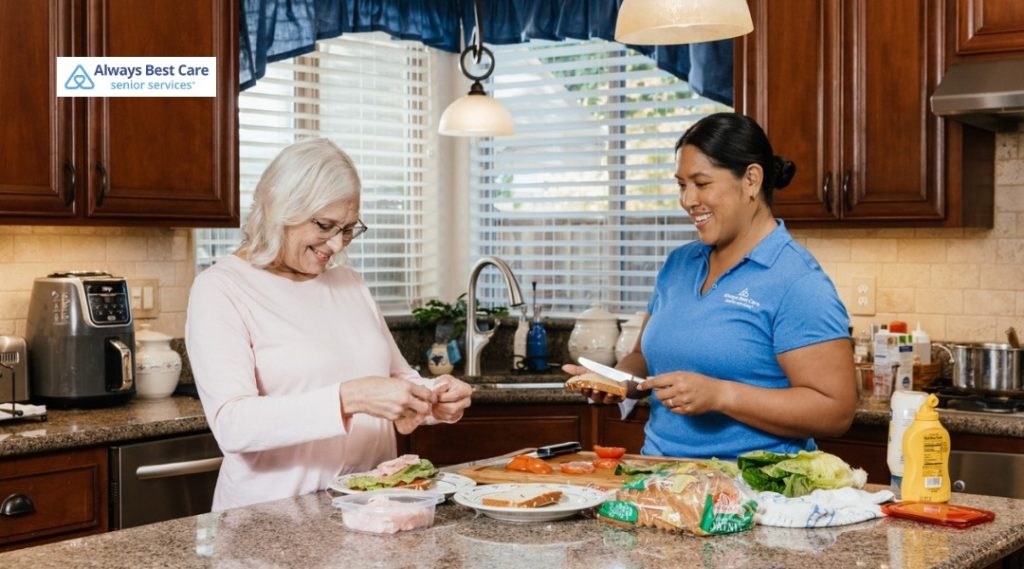
Caregivers can help seniors stay on track by assisting with meal preparation, accompanying them on walks, providing medication reminders, and monitoring for any changes in health that warrant medical attention. This kind of steady, day-to-day support reduces the gaps where risk tends to grow.
Family members also play an important role. Staying engaged, asking questions at medical appointments, and helping coordinate care can significantly improve outcomes for older loved ones.

Frequently Asked Questions
Q: What are the warning signs of a stroke?
A: The most recognized signs can be remembered with the acronym FAST: Face drooping, Arm weakness, Speech difficulty, and Time to call 911. Other symptoms include sudden confusion, vision problems, severe headache, or loss of balance. If any of these occur, seek emergency care immediately.
Q: At what age does stroke risk increase significantly?
A: Stroke risk increases with age, and the risk roughly doubles every decade after age 55. However, strokes can occur at any age, and prevention efforts are valuable at every stage of life.
Q: Can strokes be prevented entirely?
A: Not entirely, but research suggests that up to 80% of strokes are preventable through lifestyle changes and proper management of underlying health conditions. Controlling blood pressure alone can dramatically reduce risk.
Q: How does atrial fibrillation (AFib) relate to stroke risk?
A: AFib is a heart rhythm disorder that can cause blood clots to form in the heart and travel to the brain, causing a stroke. Seniors with AFib have a five times higher stroke risk than those without it. Proper diagnosis and treatment, often including blood thinners, are essential.
Helping Seniors Stay Healthy and Independent in Alexandria
Stroke prevention isn’t a single action; it’s a lifestyle built on consistent, informed choices. For seniors in Alexandria, that means managing chronic conditions carefully, staying active, eating well, and having the right support in place.
At Always Best Care of Alexandria, our caregivers are trained to support seniors in building and maintaining the healthy routines that protect long-term health. From nutritious meal preparation and medication reminders to companionship and daily activity support, we’re here to help your loved one thrive at home.
Call Always Best Care of Alexandria today at (703) 424-9768 to schedule a care consultation and learn how we can help.
Link to the Markdown File version of the article