

Diabetes Management for Seniors: Keeping Life at Home in Birmingham, AL Enjoyable
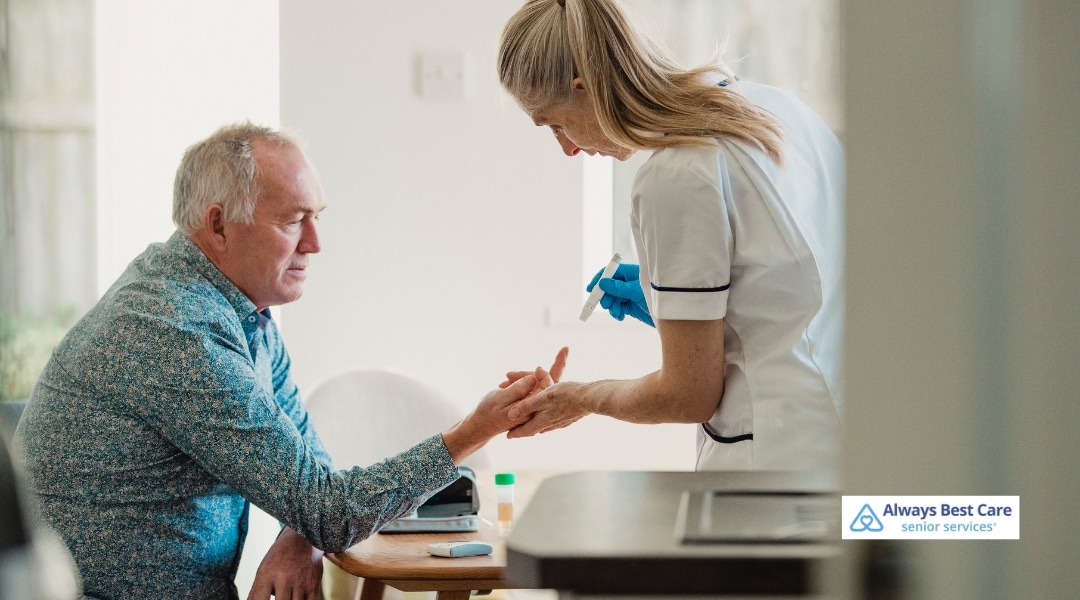
Diabetes is prevalent among older folks, and honestly, it’s way more manageable than many seniors think. The tricky part? As we age, our bodies handle blood sugar differently. Metabolism shifts, medications pile up, and other health issues complicate the picture. Yet here’s the good news: with solid support, innovative education, and consistent monitoring, plenty of older adults with diabetes live vibrant, active lives. Family members and caregivers? They’re absolutely essential to this success story. At Always Best Care of Birmingham, AL, we’ve seen firsthand how the right help transforms everything.
What you will learn:
- The unique challenges seniors face when managing diabetes include medication coordination, appetite changes, and physical limitations.
- Practical strategies for managing diabetes at home include balanced nutrition, gentle exercise, and consistent medication adherence.
- How professional in-home care can support diabetes management, reduce complications, and maintain senior independence.
- Key warning signs to watch for and when to seek immediate medical attention to prevent complications from diabetes.

Table of Contents
Understanding Diabetes in Older Adults
Diabetes messes with how your body processes glucose, causing blood sugar to climb higher than it should. Left unchecked over time, it can damage your heart, kidneys, eyes, nerves—basically every major system. Seniors face particular risks, and while type 2 diabetes is far more common (usually tied to insulin resistance and lifestyle), type 1 still shows up in older adults who’ve had it since earlier years.
For seniors managing diabetes with multiple medications, shifting appetites, and declining activity levels, the juggling act gets real fast.

Real Challenges Seniors Face with Managing Diabetes in Birmingham, AL
Here’s what we see most often:
- Missed blood sugar checks or late medication doses
- Skipping meals because appetite’s just not there
- Kitchen prep is becoming physically exhausting
- Vision troubles make label reading impossible
- Juggling prescriptions for three, four, or more conditions simultaneously
These slip-ups lead to erratic blood sugar swings and hypoglycemia risks—especially scary for seniors living independently. That’s precisely why having support matters so much.

Practical Strategies for Home-Based Diabetes Management
Smart Eating Habits
A solid diet forms the backbone of managing diabetes. We encourage meals featuring high-fiber vegetables, beans, whole grains, lean proteins like fish or chicken, and minimal refined sugars. Smaller, frequent meals beat large ones because they prevent dramatic blood sugar spikes. Our caregivers at Always Best Care help with shopping and cooking, ensuring your loved one enjoys tasty, nutritious meals that actually support their health rather than working against it.
Getting Moving Regularly
Exercise isn’t just about weight—it genuinely lowers blood sugar, boosts circulation, lifts mood, and strengthens muscles. For most seniors, gentle activities work best: neighborhood walks, light stretching, chair exercises, even gardening. Always consult a doctor before starting anything new, though. It only takes a few minutes daily to make a real difference.
Staying On Top of Medications and Testing
Consistency here can’t be overstated. Reminders for testing times, organized pill boxes with clear labels, daily blood sugar logs, and regular doctor appointments keep things on track. Caregivers spot early warning signs too—appetite changes, mood shifts, energy dips—that suggest blood sugar’s getting wobbly.
Recognizing Red Flags
Uncontrolled diabetes sneaks up fast. Watch for increased thirst or bathroom trips, sudden exhaustion, blurry vision, unexplained weight loss, or slow-healing wounds. These deserve immediate medical attention.

Individualized Approaches Matter Most
Here’s something crucial: there’s no one-size-fits-all approach to managing diabetes with seniors. Healthier, independent older adults typically need stricter blood sugar targets (around 7-7.5% A1C), while frailer folks with multiple health issues benefit from relaxed targets (7-8% or even higher). This flexibility prevents dangerous low blood sugar episodes and keeps the quality of life high.
For seniors with limited life expectancy or advanced age, doctors often skip specific targets entirely, focusing instead on comfort and avoiding symptoms that are uncomfortable. It’s about what actually matters most to that person.
How In-Home Care Transforms Diabetes Management in Birmingham, AL
We at Always Best Care understand that managing diabetes solo feels overwhelming. Our caregivers provide genuine, meaningful support by:
- Handling grocery shopping and meal prep
- Encouraging daily movement and proper hydration
- Setting medication and testing reminders
- Spotting and reporting concerning changes
- Offering companionship that reduces stress
This kind of hands-on help keeps seniors healthier, safer, and more independent right in their own homes.

Simplifying Complex Medication Routines
One thing that trips up lots of seniors? Complicated insulin regimens. Research shows that switching to once-daily insulin (like glargine U-100) paired with other medications actually works just as well while cutting hypoglycemia risk significantly. Simpler routines mean fewer mistakes and better outcomes.
FAQ
Q: What’s the difference between type 1 and type 2 diabetes in seniors?
A: Type 2 is far more common and usually connects to insulin resistance. Type 1, though rarer in older adults, still affects folks diagnosed earlier in life.
Q: How often should seniors check their blood sugar?
A: Frequency depends on their specific situation and medications. Always discuss this with their healthcare provider to find what works best.
Q: Can seniors with diabetes still enjoy their favorite foods?
A: Absolutely! It’s about balance and portion sizes rather than complete restriction. Our caregivers help navigate this without making meals feel like punishment.
Q: What signs suggest blood sugar’s getting out of control?
A: Increased thirst, frequent urination, extreme tiredness, vision changes, and slow-healing cuts all warrant immediate medical attention.
Q: Does Always Best Care provide medication management?
A: Yes, we assist with reminders, organization, and tracking to keep seniors on schedule.

Ready to Support Your Loved One’s Diabetes Care? Contact Always Best Care of Birmingham Today for Compassionate, Expert Assistance!
Managing diabetes with seniors doesn’t need to feel like a constant battle. With proper guidance, compassionate care, and consistent daily support, your loved one can maintain excellent health, stay safe, and enjoy genuine independence. Always Best Care of Birmingham, AL specializes in exactly this kind of personalized, attentive support. Our team knows the local community, understands the unique challenges seniors face, and genuinely cares about helping families navigate diabetes management together.
Ready to explore how we can help your family? Reach out to Always Best Care of Birmingham, AL, today to schedule a care consultation. We’re here to answer questions, discuss your loved one’s specific needs, and show you how compassionate in-home support makes all the difference. Contact Always Best Care of Birmingham at (205) 874-9730 to learn more and schedule your free consultation.