Wound Care at Home: What Families Need to Know About Skilled Nursing in Birmingham, AL
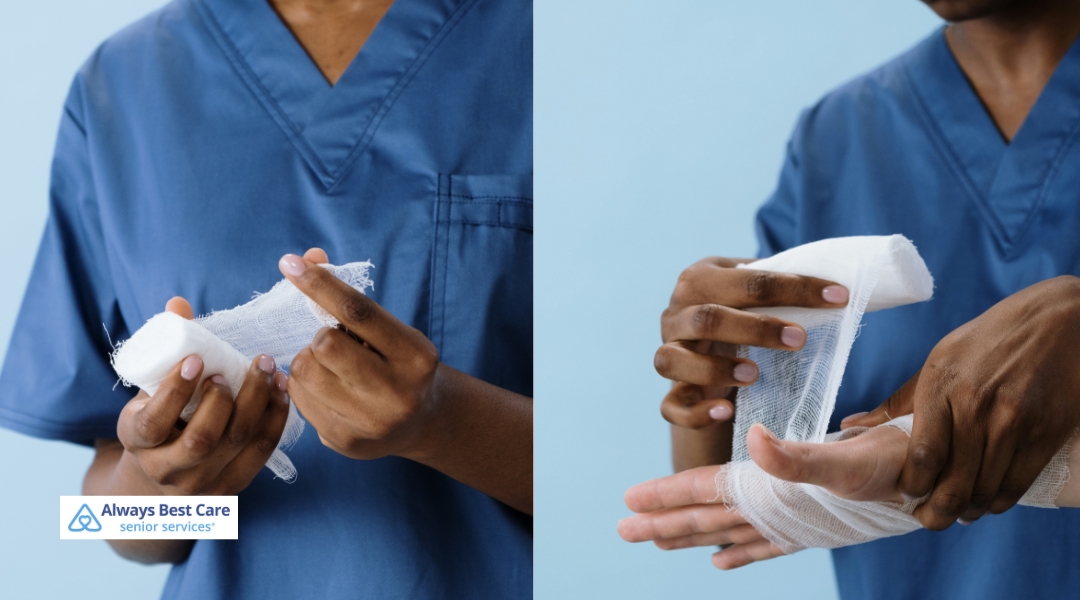
Healing from a wound at home sounds straightforward — but for older adults, it rarely is. Thinner skin, slower circulation, and chronic health conditions can turn a small cut or surgical incision into a serious medical concern. Knowing when to manage a wound at home and when to call in a skilled nurse can make the difference between a smooth recovery and a dangerous complication.
If you are supporting an aging loved one in Birmingham, this guide will help you understand what to watch for, when professional wound care is needed, and how home health services can help seniors heal safely without leaving home.
Table of Contents
What You Will Learn
- Why wounds may heal more slowly in older adults because of fragile skin, diabetes, poor circulation, peripheral artery disease, limited mobility, nutrition concerns, dehydration, medications, and other chronic health conditions.
- Which wounds may require professional assessment or physician-directed skilled nursing, including post-surgical incisions, pressure injuries, diabetic foot ulcers, venous or arterial ulcers, slow-healing skin tears, burns, and chronic wounds.
- Warning signs that require prompt medical guidance, such as increasing redness, warmth, swelling, worsening pain, foul-smelling drainage, wound separation, dark or black tissue, fever, chills, red streaks, sudden confusion, or declining alertness.
How Aging Changes the Way Wounds Heal
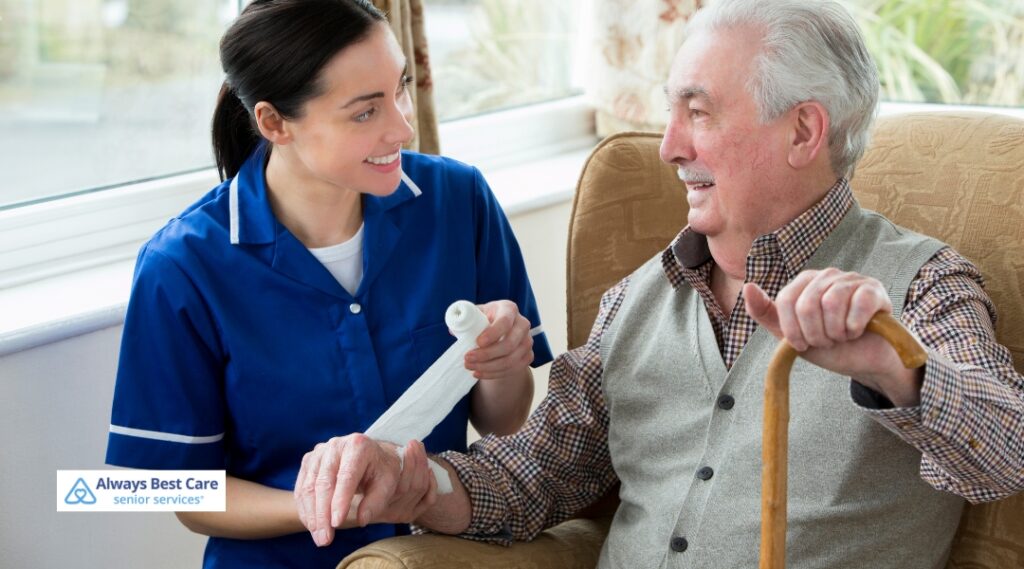
The skin is the body’s first line of defense — and it changes significantly as we age. After age 60, the skin becomes thinner, loses elasticity, and produces fewer natural oils, making it more prone to tears, bruising, and slow healing. Blood flow to the skin also decreases, which means wounds receive fewer of the nutrients and oxygen needed to repair tissue.
Several common conditions in older adults compound these challenges:
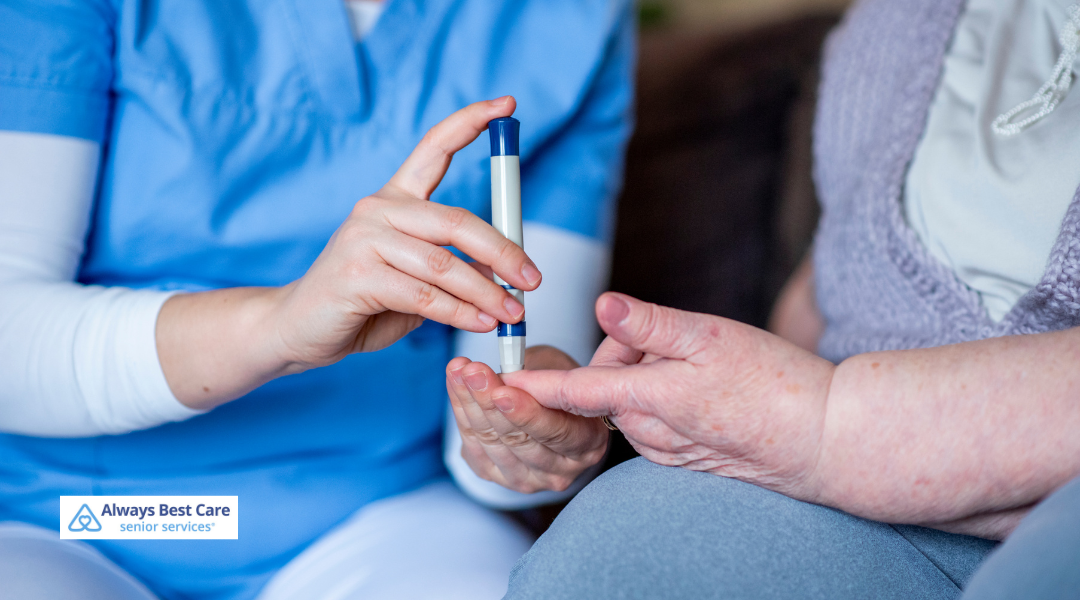
- Diabetes can damage nerves and blood vessels, reducing sensation and slowing circulation — especially in the feet and legs.
- Peripheral artery disease (PAD) restricts blood flow to the limbs, making wounds in those areas particularly difficult to heal.
- Immunosuppression, whether from illness or medication, reduces the body’s ability to fight infection.
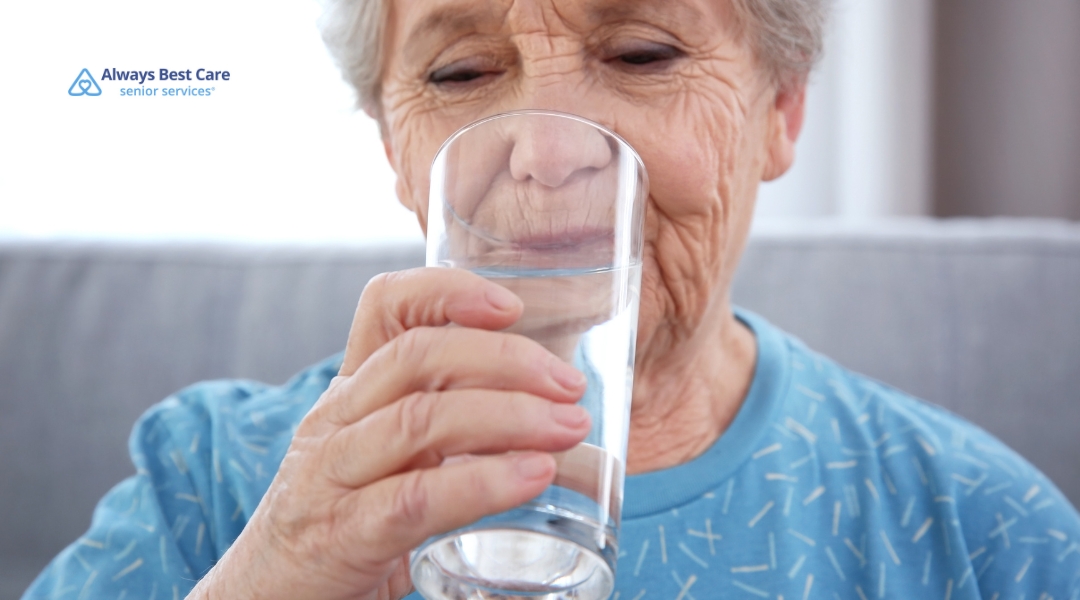
- Malnutrition or dehydration deprives the body of the protein, vitamins (especially C and zinc), and fluids needed for tissue repair.
- Limited mobility increases the risk of pressure injuries from prolonged contact with surfaces.
Understanding these factors helps families recognize why a wound that seems minor may actually require professional attention.
Types of Wounds That Often Require Skilled Nursing Care
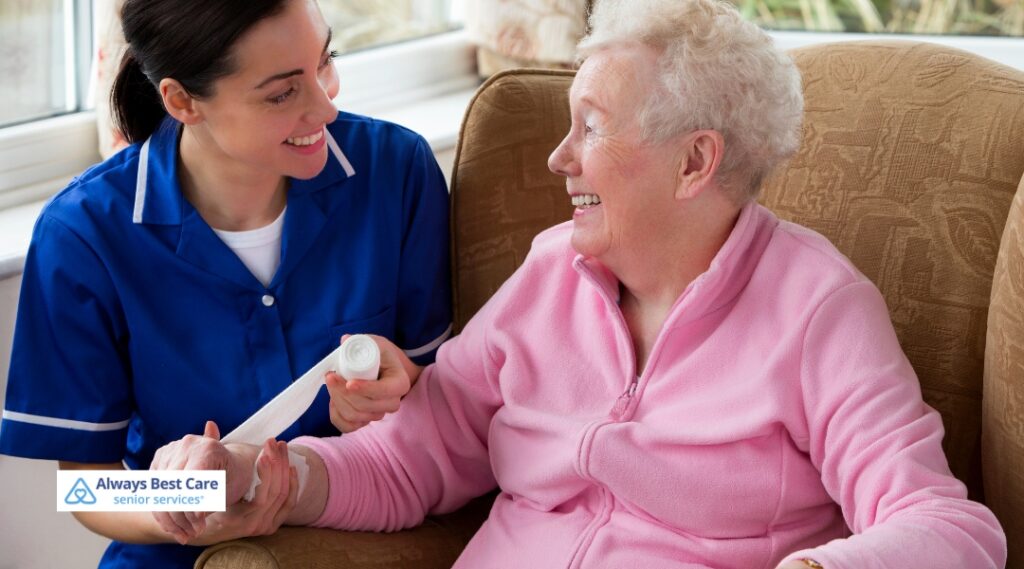
Not every wound needs a nurse — but certain types carry enough risk that professional oversight is strongly recommended.
Pressure injuries (bedsores): These develop when sustained pressure cuts off circulation to the skin, typically over bony areas like the heels, tailbone, hips, and elbows. Stage 2 and above pressure injuries require skilled wound care to prevent infection and promote healing.
Diabetic foot ulcers: These are among the most serious wound types in older adults. Poor sensation means they often go unnoticed until they are already infected. Without proper care, they can lead to hospitalization or amputation.
Surgical incisions: Post-operative wounds need consistent monitoring for signs of dehiscence (reopening) or infection, especially in the first few weeks after discharge.
Venous and arterial ulcers: Caused by poor circulation, these wounds on the lower legs are slow to heal and prone to recurrence without proper compression, dressing, and monitoring.
Skin tears: Common in seniors with fragile skin, these injuries can be deceptively difficult to heal and may require specialized dressings and technique.
Burns or traumatic wounds: Any burn beyond minor superficial damage, or a wound with significant tissue loss, warrants professional evaluation.
Chronic non-healing wounds: If a wound has not shown measurable improvement within two to four weeks of standard care, a skilled nurse should assess and adjust the treatment approach.
Warning Signs That a Wound Needs Immediate Medical Attention
Even if a wound initially appears manageable, certain changes signal that something is wrong. Contact a healthcare provider promptly if you notice:
- Increasing redness, warmth, or swelling around the wound site
- Purulent (pus-like) or foul-smelling drainage
- Wound edges that are separating rather than closing
- Dark or black tissue forming in or around the wound (a sign of necrosis)
- Fever above 100.4°F, chills, or sudden confusion
- Red streaks extending from the wound, which may indicate spreading infection (cellulitis or lymphangitis)
- No visible improvement after one to two weeks of home care
For seniors with diabetes, vascular disease, or compromised immune systems, these signs can escalate quickly. Do not wait to seek guidance.
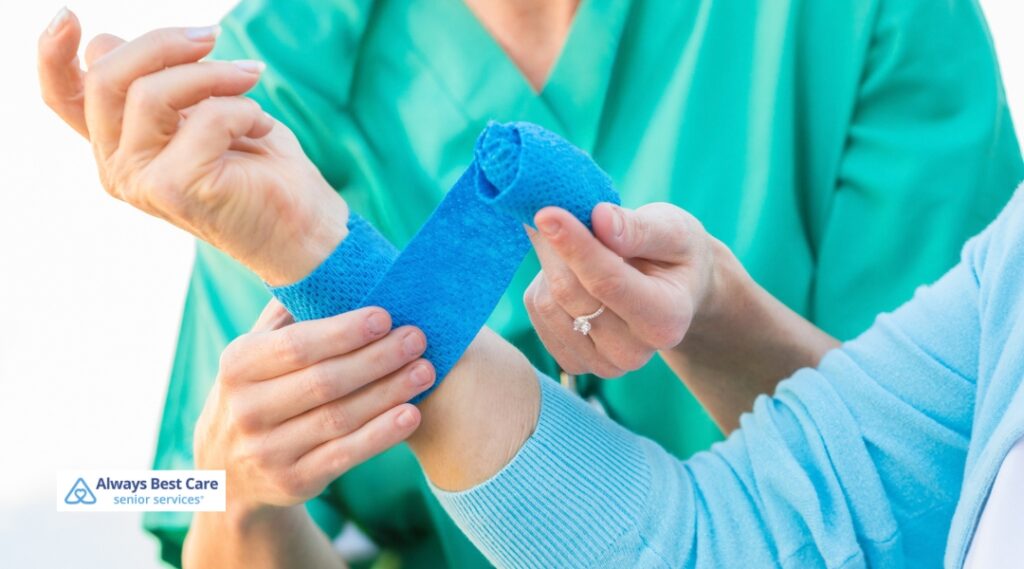
What a Skilled Home Health Nurse Does for Wound Care in Birmingham, AL
When a physician orders skilled nursing as part of a home health plan, a licensed nurse visits the senior at home to provide clinical wound care. This is not the same as general caregiving — it is medical treatment delivered in a home setting.
Depending on the wound type and physician’s orders, skilled nursing wound care may include:
- Comprehensive wound assessment — measuring size, depth, and tissue type to track healing progress
- Debridement — removing dead or damaged tissue that can impede healing (when ordered)
- Wound cleansing and irrigation — using appropriate solutions to reduce bacterial load
- Advanced dressing application — selecting and applying the right dressing type (foam, hydrocolloid, alginate, etc.) based on wound characteristics
- Infection monitoring and management — identifying early signs of infection and coordinating with the physician
- Compression therapy — for venous ulcers and edema management
- Patient and caregiver education — teaching families how to perform basic wound checks, what to report, and how to support healing between visits
- Care coordination — communicating wound status and changes to the broader healthcare team
A skilled nurse also provides continuity — tracking how the wound changes over time and adjusting the care plan accordingly.
Preventing Pressure Injuries Before They Start
For seniors with limited mobility, prevention is just as important as treatment. Pressure injuries are largely preventable with the right strategies in place.
Key prevention measures include:
- Repositioning regularly — changing position at least every two hours for bed-bound seniors, or every hour for those in a wheelchair
- Skin inspection — checking high-risk areas (heels, sacrum, hips, elbows) daily for early signs of redness or skin breakdown
- Pressure-relieving surfaces — using specialized mattresses, overlays, or cushions to redistribute weight
- Moisture management — keeping skin clean and dry, especially for seniors with incontinence
- Adequate nutrition and hydration — ensuring sufficient protein, calories, and fluid intake to support skin integrity
If a loved one has recently been hospitalized or is spending more time in bed, ask the care team about a formal pressure injury prevention plan.
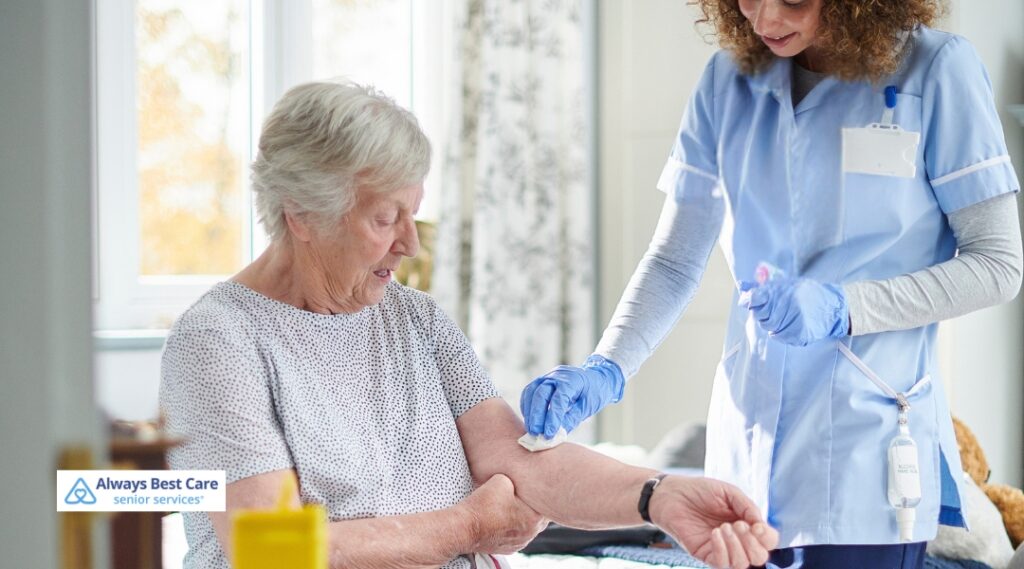
How In-Home Caregivers Support the Healing Process
Skilled nursing addresses the medical side of wound care, but recovery involves much more than dressing changes. Seniors healing at home often need consistent support with daily tasks that directly affect their recovery.
An in-home caregiver can:
- Prepare nutritious meals that support healing (high-protein, vitamin-rich foods)
- Assist with personal hygiene while protecting the wound site
- Help with mobility and repositioning to prevent new pressure injuries
- Provide medication reminders
- Observe and report changes in the wound or the senior’s overall condition
- Offer companionship that reduces stress — which itself can slow healing
When skilled nursing and in-home caregiving work in coordination, seniors receive both the clinical care and the day-to-day support they need for a full recovery.
Supporting Safer Recovery at Home in Birmingham, AL
Complex wound care does not have to fall entirely on families. With the right professional support, seniors in Birmingham can heal safely and comfortably at home — without the disruption of extended hospital stays or facility care.
Always Best Care of Birmingham offers services designed to support older adults through recovery. Depending on your loved one’s needs and what is available in your area, home health services may include skilled nursing for wound care, and in-home caregivers can provide the daily assistance that makes recovery more manageable.
Frequently Asked Questions
Q: How do I know if a wound needs a nurse or if I can treat it at home?
A: Minor wounds — small cuts, superficial scrapes, or minor skin irritation — can often be managed at home with proper cleaning and bandaging. However, if the wound is deep, shows signs of infection, is not healing after one to two weeks, or involves a high-risk area (such as the foot in a diabetic patient), a skilled nurse should evaluate it. When in doubt, contact the senior’s physician.
Q: Does Medicare cover skilled nursing for wound care at home?
A: Medicare Part A may cover home health services, including skilled nursing for wound care, if the patient is homebound and the care is ordered by a physician as part of a certified home health plan. Coverage eligibility depends on individual circumstances. Contact the senior’s healthcare provider or a home health agency to determine what may be covered.
Q: How often will a nurse visit for wound care?
A: Visit frequency depends on the wound type, severity, and the physician’s orders. Some wounds require daily visits; others may need a nurse two to three times per week. The care plan is adjusted as the wound progresses.
Q: Can a wound get worse even with proper care?
A: Yes. Some wounds — particularly those in seniors with diabetes, vascular disease, or compromised immunity — can deteriorate despite appropriate treatment. This is why ongoing monitoring by a skilled nurse is important. If a wound is not responding to treatment, the care plan should be reassessed promptly.
Q: What should I do if a wound looks infected between nurse visits?
A: Contact the home health agency or the senior’s physician right away. Do not wait for the next scheduled visit. Signs of infection — increased redness, warmth, swelling, drainage, or fever — require prompt evaluation.
Q: Is wound care at home as effective as wound care in a clinical setting?
A: For many wound types, yes. Research supports that skilled home wound care can achieve outcomes comparable to outpatient clinic care, with the added benefit of reducing the senior’s exposure to healthcare-associated infections and the stress of frequent travel. The key is having a qualified nurse with access to appropriate supplies and a clear care plan.
Support Safer Wound Recovery at Home
A wound that is worsening, failing to heal, showing signs of infection, or making daily routines more difficult can become a serious concern for an older adult. Prompt clinical guidance, a physician-directed care plan, and dependable day-to-day assistance can help families respond earlier and make recovery at home safer and more manageable.
Contact Always Best Care of Birmingham at (205) 874-9730 to learn more and schedule your free consultation.
Sources
- National Pressure Injury Advisory Panel (NPIAP). Pressure Injury Stages. https://npiap.com
- American Diabetes Association. Standards of Medical Care in Diabetes — Foot Care. https://diabetesjournals.org
- Centers for Medicare & Medicaid Services (CMS). Home Health Services Coverage. https://www.medicare.gov/coverage/home-health-services
- Wound, Ostomy and Continence Nurses Society (WOCN). Guideline for Prevention and Management of Pressure Ulcers. https://www.wocn.org
- National Institute on Aging (NIA). Skin Care and Aging. https://www.nia.nih.gov/health/skin-care-and-aging
- Gould, L. et al. (2015). Chronic wound repair and healing in older adults. Wound Repair and Regeneration, 23(1), 1–13. https://doi.org/10.1111/wrr.12245
Link to the markdown version of this blog.