

Everyday Independence in Birmingham: How Occupational Therapy Helps Seniors at Home

For many seniors in Birmingham, the goal isn’t moving somewhere new—it’s making each day at home feel safe, manageable, and meaningful. The familiar kitchen, the favorite chair, the neighbor who waves from the porch next door—all of that is woven into daily life. Yet as balance changes, strength fades, or health shifts, everyday tasks can quietly turn into hurdles.
Occupational therapy steps into that gap. Instead of focusing only on recovery after a crisis, it looks at how seniors live right now and helps them keep doing the things that matter, in safer and more comfortable ways.

Table of Contents
What Occupational Therapy Does for Seniors at Home
Occupational therapy is all about function in real life. It focuses on how a senior manages daily activities instead of just exercises on a sheet. At home, that might include:
- Bathing, dressing, and grooming
- Moving from bed to chair, or getting in and out of the shower
- Preparing simple meals and handling light housework
- Using the bathroom safely, day and night
The goal is to adapt tasks, tools, and spaces so seniors can do more for themselves with less strain and less risk.

Everyday Independence: Making Daily Tasks Easier
Daily personal care can become one of the biggest worries: “What if I slip?” or “What if I can’t get back up?” Occupational therapists help by:
- Suggesting grab bars, shower chairs, and non-slip mats
- Teaching step-by-step ways to bathe and dress more safely
- Recommending long-handled sponges, reachers, or dressing aids
These small changes help seniors in Birmingham keep as much privacy and control as possible over their own routines.
Housework and Meals Without the Exhaustion
Cooking, cleaning, and laundry don’t have to disappear; they just need to be done differently. OT can show seniors how to:
- Sit while chopping vegetables or folding clothes
- Use lighter cookware and safe, easy-grip utensils
- Store commonly used items within easy reach
Chores become manageable again, instead of overwhelming.
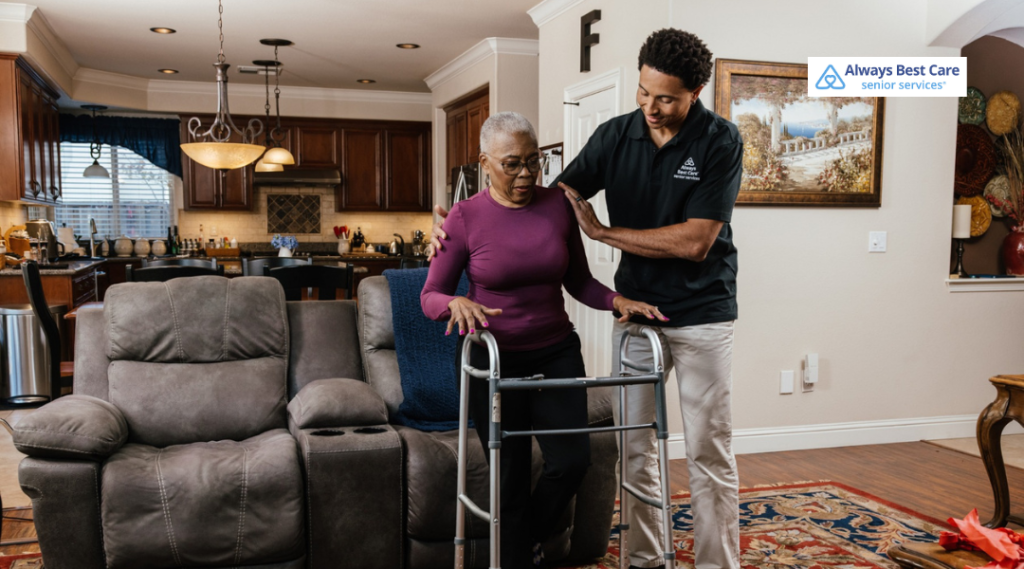
Balance, Mobility, and Confidence
A slip on the stairs or a stumble in the hallway can be a turning point. Occupational therapy aims to keep those moments from happening in the first place by:
- Practicing safe transfers from chairs, beds, and toilets
- Checking that walkers, canes, or other devices are the right height and used correctly
- Teaching safer ways to turn, pivot, and step on different surfaces
As seniors feel steadier, they’re more willing to walk around the house, answer the door, or get outside for a bit of fresh air.
Spotting and Fixing Hidden Hazards
Many homes have small, easy-to-miss risks: a loose rug, a dark hallway, a narrow path between furniture. With a careful look, those hazards can be addressed through:
- Clearing clutter from walkways
- Adding nightlights in bedrooms, hallways, and bathrooms
- Rearranging furniture so paths are straight and wide
- Securing rugs or removing ones that slide
These changes help turn the home into a partner in safety rather than a source of worry.

Keeping Track of the Day
For some seniors, the challenge isn’t just physical—it’s remembering steps or staying organized. Occupational therapists can introduce:
- Simple checklists for morning and evening routines
- Labeled drawers or baskets for important items
- Pill organizers and reminder systems for medications
These tools help the day feel less confusing and more predictable.
Confidence and Emotional Well-Being
Being able to handle more tasks independently can lift mood and self-esteem. Instead of feeling like everything is “too hard now,” seniors start noticing small wins: “I did that on my own again.” That shift can reduce anxiety and help them feel more at ease in their own space.

How In-Home Caregivers Support Occupational Therapy in Birmingham
In-home caregivers see how things actually play out day to day. Working from an OT’s plan, they can:
- Remind seniors about safe ways to move and complete tasks
- Help set up rooms and tools the way the therapist suggested
- Encourage and assist with simple exercises built into routine activities
This ongoing support keeps progress from stalling between therapy visits.
Building Routines That Work for Everyone
Caregivers can also help shape daily schedules so they’re realistic and sustainable, for example:
- Planning more demanding tasks during times of higher energy
- Spacing out chores and appointments with rest breaks
- Making time for hobbies, conversation, or gentle activity
That kind of structure can reduce stress for both seniors and family members.
FAQs: Occupational Therapy and Senior Independence in Birmingham
Q: How does occupational therapy help seniors stay independent at home?
A: Occupational therapy helps seniors stay independent by making daily tasks safer and easier, improving strength and balance, and suggesting home changes and tools that support everyday routines.
Q: Is occupational therapy only needed after a fall or hospital stay?
A: No. It can be useful any time daily tasks feel harder, confidence is slipping, or family members notice more hesitation or fatigue during routine activities. Early help can prevent bigger problems.
Q: Can an occupational therapist visit my loved one at home in Birmingham?
A: Yes, many occupational therapists provide in-home visits, where they can see real-life challenges and offer tailored strategies based on the actual home and routines.
Q: How long does it usually take to see benefits from occupational therapy?
A: Some benefits, like safer ways to move or better furniture placement, can appear quickly. Improvements in strength, stamina, and confidence often build over several weeks or months.
Q: How do occupational therapists and in-home caregivers work together?
A: Occupational therapists create personalized plans and teach strategies. In-home caregivers help seniors practice those strategies, follow safety recommendations, and keep daily routines aligned with OT goals.

Everyday Independence Is Still Possible
For seniors in Birmingham, independence doesn’t have to disappear just because daily tasks are harder than they used to be. With occupational therapy, those tasks can be reworked, the home can be adjusted, and confidence can grow again—step by steady step.
Paired with thoughtful in-home support and involved family members, occupational therapy offers a realistic path to everyday independence, so seniors can keep living in the homes and neighborhoods they know and love. Contact Always Best Care of Birmingham at (205) 874-9730 to learn more and schedule your free consultation.
Link to the markdown version of this article.