

Home Care and Chronic Disease Management: Promoting Independence in Birmingham, AL

Home isn’t just four walls and a roof. It’s the spot where favorite recipes were perfected, holiday photos were taken, and everyday routines became comforting habits. For many older adults living with a chronic illness, leaving that familiar space can feel like losing a piece of themselves.
Health conditions such as heart disease, diabetes, arthritis, COPD, or Parkinson’s can definitely throw a wrench in day-to-day life—but they don’t automatically mean a move to a nursing home or assisted living. With thoughtful in-home care, many seniors in Birmingham, AL continue aging in place with a chronic illness while holding on to independence, dignity, and the comfort of their own surroundings.
Table of Contents
What Readers Will Learn
- How chronic illness can affect a senior’s routines, mobility, safety, and ability to manage daily responsibilities.
- Ways caregivers support personal care, meals, errands, transportation, medication reminders, and companionship.
- Why consistent daily support with nutrition, hydration, medication schedules, activity, and appointments matters.
- How caregiver observation can help families recognize changes and respond to potential concerns sooner.

Aging in Place with a Chronic Illness: What Makes It So Hard?
Living with a long-term health condition is more like running a marathon than a sprint. There’s no quick fix, and the daily responsibilities can pile up fast. From keeping track of medications to staying on top of appointments, it’s easy for things to feel overwhelming.
Common challenges include:
- Juggling multiple medications and treatment plans
- Chronic pain or reduced mobility that slows everything down
- Fatigue that turns simple chores into exhausting tasks
- Higher risk of falls or injuries at home
- Need for reliable transportation to medical visits
- Feelings of loneliness or being cut off from others
These hurdles can make staying at home feel complicated, but they don’t have to be a deal-breaker. With steady support, seniors can manage aging in place with a chronic illness in ways that feel safe and respectful.

How In-Home Care Supports Independence in Birmingham, AL
Personalized Support That Respects Independence
A big perk of in-home care is how tailored it can be. Instead of taking over everything, caregivers focus on what a senior can still do and then fill in the gaps. That way, we’re not taking control away—we’re backing it up.
Care that respects independence helps seniors:
- Keep familiar routines
- Make everyday choices about their schedule
- Feel more confident at home
- Reduce risks while still staying active
It’s not about doing everything for them; it’s about helping where it truly counts.

Everyday Help That Makes Life Easier
When chronic conditions are part of daily life, even simple tasks can feel like climbing a hill. That’s where in-home caregivers step in to lighten the load while still encouraging independence.
Caregivers in Birmingham, AL can help with:
- Bathing, dressing, and other personal care
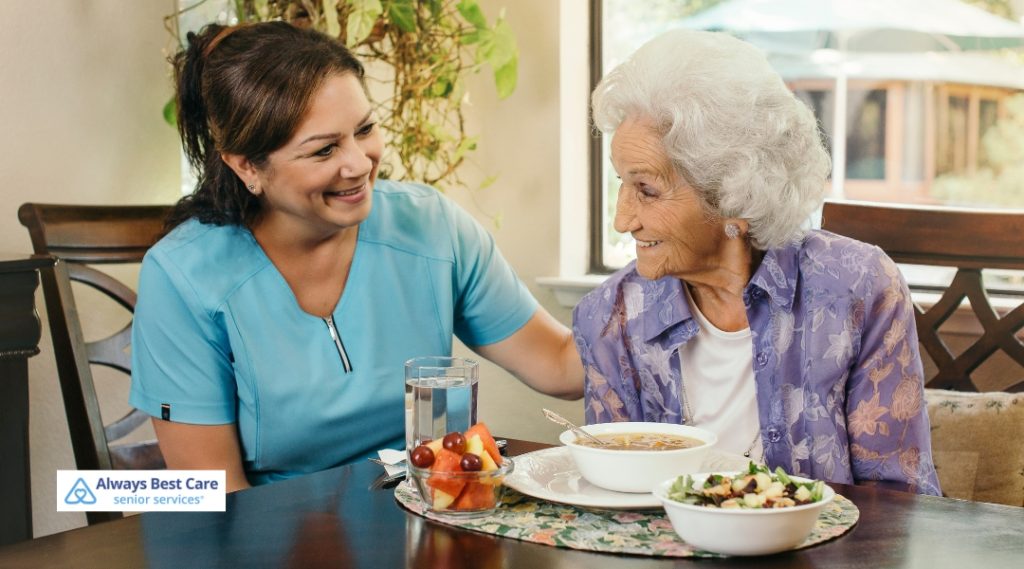
- Meal planning and cooking that fits health needs
- Light housekeeping and laundry
- Grocery shopping and local errands
- Rides to doctor’s visits and check-ups
- Medication reminders and simple health routines
With this kind of support, seniors can save their energy for what matters most: staying healthy and enjoying the parts of life they love.

Supporting Better Health Day After Day
Chronic illnesses are often managed, not cured. That means daily habits matter—a lot. Missing a few pills or skipping meals can snowball into bigger health issues.
In-home care can help keep things on track by:
- Sticking to prescribed medication schedules
- Encouraging balanced, regular meals
- Watching fluid intake and hydration
- Supporting safe, doctor-approved movement or light exercise
- Making sure follow-up visits and check-ups aren’t missed
Those steady routines don’t just fill a calendar; they help support long-term health and reduce stressful flare-ups.

Cutting Down the Risk of Hospital Readmissions
Repeated trips to the hospital can be draining for seniors and their families. Many times, those visits happen because small warning signs went unnoticed.
Caregivers at home often spot those early changes, such as:
- Sudden loss of appetite
- New or worsening fatigue
- Trouble walking or moving safely
- Shortness of breath or unusual swelling
- Confusion or shifts in mood or behavior
Catching these signs early gives families a chance to call the doctor before a minor issue turns into a major emergency. That kind of watchful support can make a big difference in avoiding unnecessary hospital stays.
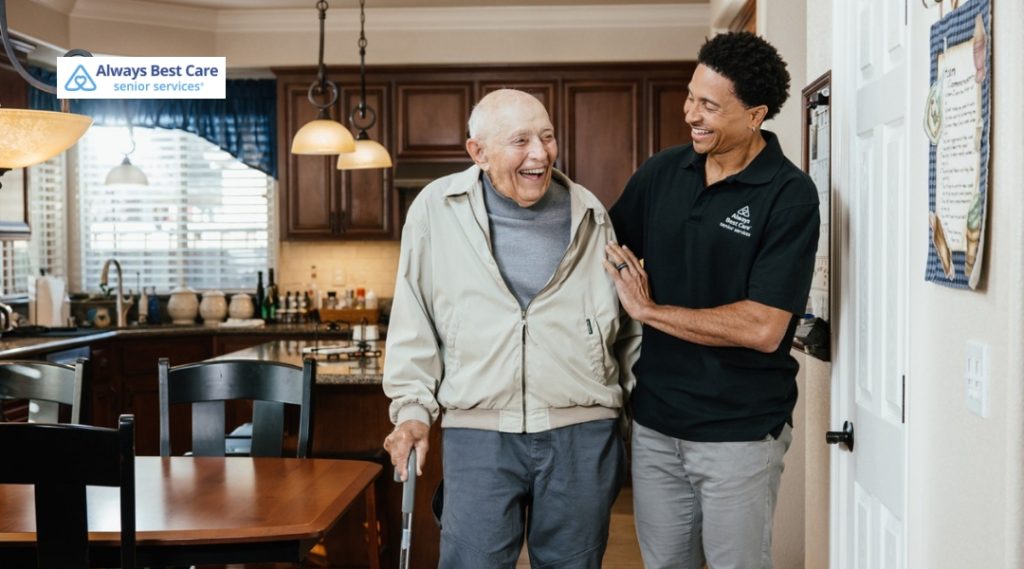
Emotional Well-Being Matters Just as Much
Chronic illness doesn’t only affect the body; it weighs on emotions too. Changes in strength or mobility can bring frustration, anxiety, or sadness. Feeling stuck at home can add a layer of loneliness.
Companionship is a key part of in-home care. Caregivers can:
- Share conversations and stories
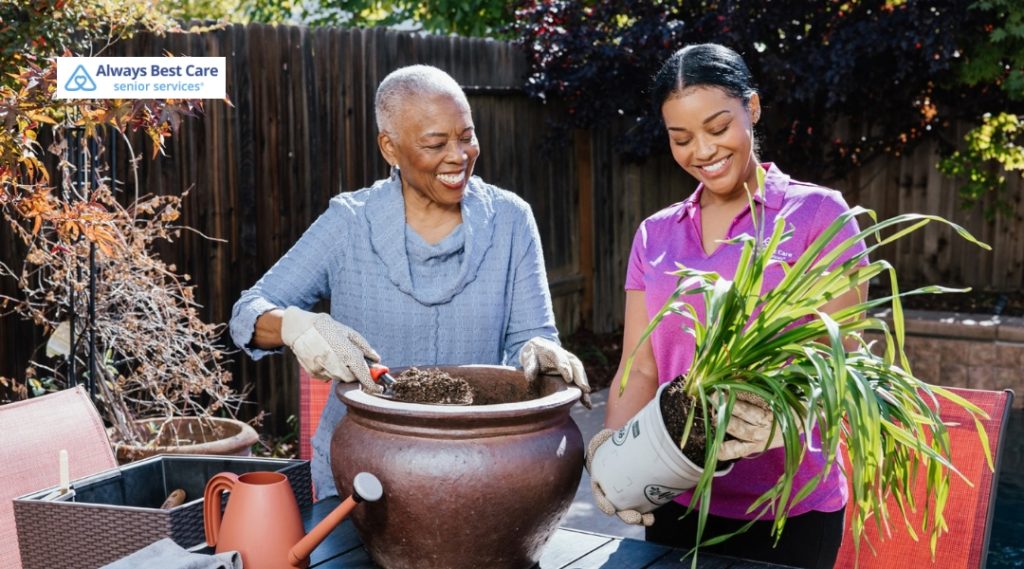
- Join seniors in hobbies or games
- Go on short walks, when safe
- Sit down for shared meals
- Offer a listening ear on tough days
For families, knowing a caring professional is looking out for their loved one brings real peace of mind. Everyone sleeps a little better at night.
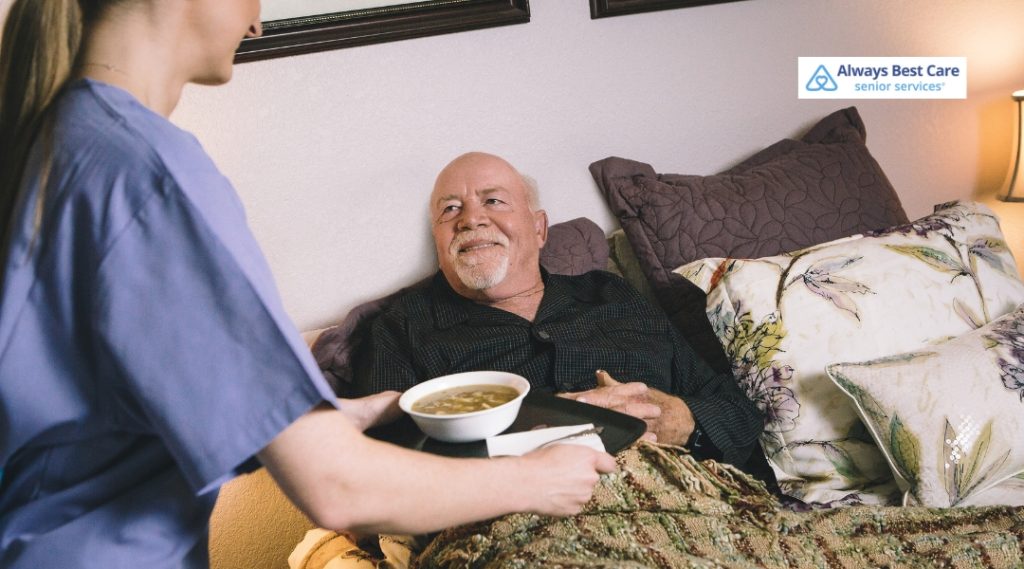
How Always Best Care of Birmingham, AL Helps Seniors Age in Place
At Always Best Care of Birmingham, AL, we understand that every senior’s story is different—health needs, routines, and personal preferences all play a role. That’s why we work closely with families to build care plans that feel like a natural extension of home life, not a disruption.
We support seniors managing conditions such as:
- Diabetes
- COPD
- Heart disease
- Recovery after a stroke
- Ongoing mobility or balance challenges
Our caregivers offer:
- Help with meals, bathing, and dressing
- Medication reminders
- Companionship and conversation
- Support with errands and rides around Birmingham, AL
Our goal is simple: keep seniors safe, comfortable, and as independent as possible while they’re aging in place with a chronic illness in the home they love. We’re here for both seniors and the families who care about them.
Independence Is Still Possible with the Right Care
A chronic illness may change how daily life looks, but it doesn’t have to decide where life happens. With thoughtful in-home support, many older adults can continue living at home, surrounded by memories, familiar routines, and the community they know.
If someone you love is living with a chronic condition and home is where they want to stay, we at Always Best Care of Birmingham, AL are ready to walk beside you with guidance and caring support.
FAQ
Q: What does “aging in place with a chronic illness” really mean?
A: It means a senior continues living at home while managing a long-term health condition, getting enough support to stay safe, comfortable, and as independent as possible.
Q: Can in-home care help avoid a move to assisted living?
A: In many cases, yes. With the right level of in-home support, seniors can handle daily tasks, manage health routines, and remain at home longer.
Q: Is in-home care only for those with very serious illnesses?
A: Not at all. In-home care can help with a wide range of health situations—from early stages of a chronic condition to more advanced needs—adjusting support as circumstances change.
Q: How do we know how much care is needed?
A: Families usually start with a conversation about daily challenges, health needs, and goals. From there, a flexible plan can be built and adjusted over time as needs shift.
Q: Does in-home care only cover medical tasks?
A: No. While health routines are important, caregivers also help with everyday things like meals, light housekeeping, errands, and companionship, which all contribute to a better quality of life.
Help Your Loved One Stay Independent at Home
Home holds stories, comfort, and identity, especially for seniors living with chronic illnesses. With compassionate in-home support, aging in place becomes not just possible, but truly meaningful. We at Always Best Care of Birmingham, AL are committed to helping seniors stay safe, confident, and independent in the homes they cherish, while giving families the reassurance that they’re not navigating this journey alone. Contact Always Best Care of Birmingham at (205) 874-9730 to learn more and schedule your free consultation.
Link to the markdown version of this blog.