How to Keep Seniors Safe at Home This Summer in Birmingham, AL
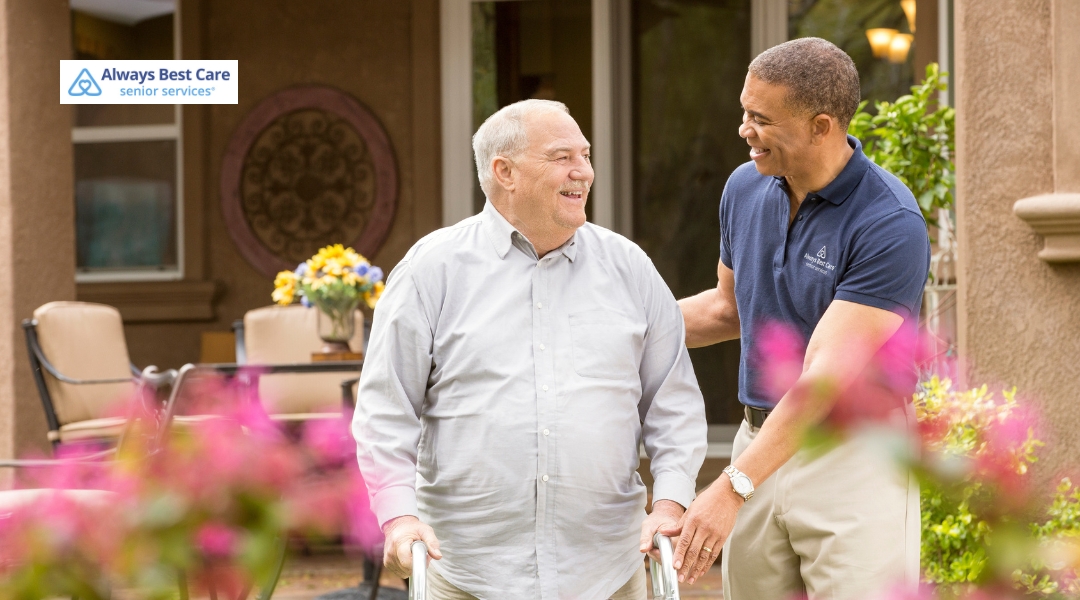
Summers in Birmingham, AL bring long, sun-filled days perfect for porch sitting, gardening, and spending time with loved ones. But with temperatures regularly climbing into the 90s — and humidity that makes it feel even hotter — the season also brings real risks for older adults. Heat-related illness, dehydration, and fall hazards are among the most common warm-weather concerns for seniors, and a little proactive planning can prevent a lot of problems.
Here’s how families and caregivers can help seniors in Birmingham stay safe, comfortable, and independent all summer long.
What You Will Learn:
- How to prepare your home for Birmingham’s summer heat.
- The importance of hydration and how to build safe daily habits.
- Ways to reduce fall risks indoors and outdoors.
- How to prepare for storms, power outages, and medication safety.
Table of Contents
Start With Your Cooling System — Before You Need It
Don’t wait for the first heat wave to discover your air conditioner isn’t working. Schedule an HVAC inspection in late spring so any issues can be addressed before temperatures peak.
Practical steps to take now:
- Have the AC unit serviced and cleaned
- Replace HVAC filters for better airflow
- Test ceiling fans and make sure they’re set to spin counterclockwise for a cooling effect
- Use blackout curtains or cellular shades to block afternoon sun in west-facing rooms
For seniors without central air, identify Birmingham’s cooling centers in advance. The Jefferson County Department of Health and local libraries often serve as designated relief sites during heat advisories.

Build a Hydration Habit That Actually Sticks
Older adults are at higher risk for dehydration because the body’s thirst signals weaken with age. By the time a senior feels thirsty, they may already be mildly dehydrated — and certain blood pressure and diuretic medications compound the risk.
Make hydration easier with these strategies:
- Place water bottles in every room as visual reminders
- Offer water-rich foods like watermelon, cucumbers, grapes, and celery
- Set phone alarms or use a hydration tracking app as gentle reminders
- Limit afternoon caffeine and sugary drinks, which can contribute to fluid loss
A good target for most seniors is around 6–8 cups of fluid per day, though individual needs vary. Check with a healthcare provider if there are concerns about fluid intake.
Inspect Outdoor Areas for Summer Hazards
Birmingham’s summer storms can leave behind debris, waterlogged soil, and damaged walkways. Before seniors spend more time outside, do a thorough walkthrough of all outdoor spaces.
Focus on these areas:
- Repair cracked or uneven pavers and sidewalks
- Secure loose handrails on steps and ramps
- Clear garden hoses, tools, and other tripping hazards from pathways
- Trim back overgrown shrubs that may block sightlines or narrow walkways
- Test outdoor lighting, especially for seniors who enjoy evening walks
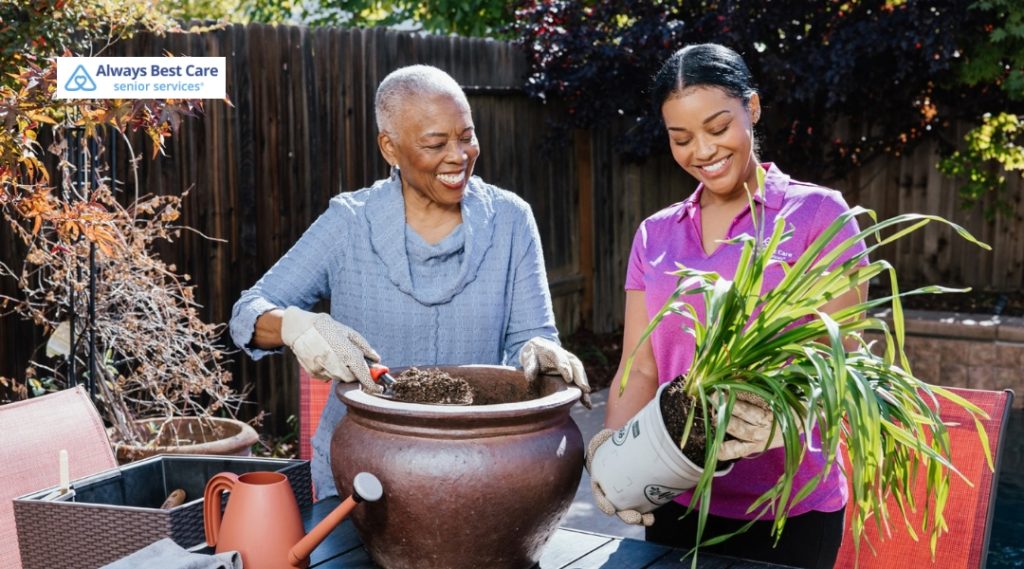
If a senior spends time gardening, consider raised garden beds to reduce bending and kneeling, which can strain joints and increase fall risk.
Get Storm-Ready Before the Season Peaks
Birmingham sits in a region prone to summer thunderstorms and occasional tornado activity. Seniors — especially those living alone — should have an emergency plan in place well before severe weather strikes.
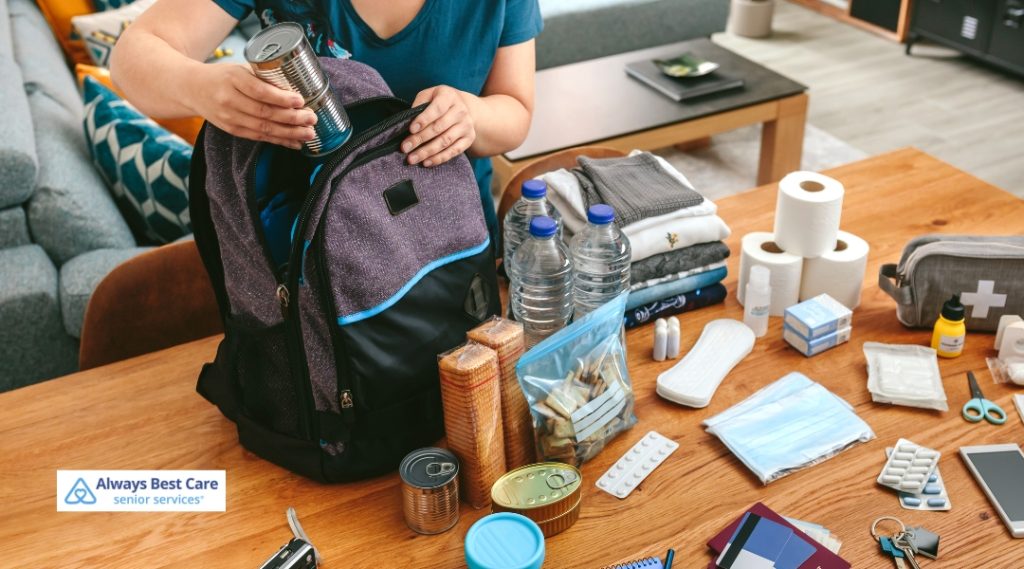
A basic emergency kit should include:
- At least three days’ worth of water and nonperishable food
- Flashlights and extra batteries
- A 7–10 day supply of all medications
- Copies of important documents (insurance cards, medication list, emergency contacts)
- A portable phone charger or backup battery for medical devices
Families should also establish a check-in protocol. A simple daily text or call can provide peace of mind and ensure a senior gets help quickly if something goes wrong.
Manage Medications in the Heat
Many common medications — including diuretics, antihistamines, and certain heart medications — can increase heat sensitivity or reduce the body’s ability to cool itself. At the same time, high temperatures can degrade medications stored improperly.
Key medication safety tips for summer:
- Store all medications in a cool, dry place away from direct sunlight (not in a hot car or near a sunny window)
- Review medication side effects with a pharmacist or physician before summer begins
- Watch for signs of heat sensitivity, including dizziness, flushing, or rapid heartbeat
- Never leave medications in a vehicle during warm weather
Reduce Indoor Fall Risks
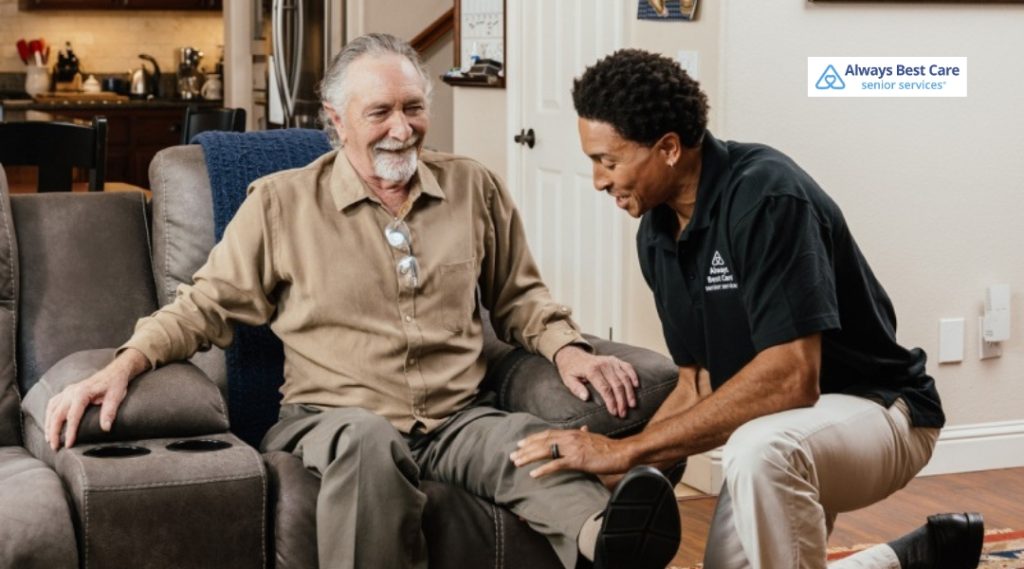
Summer introduces new indoor hazards that aren’t as common in other seasons. Wet floors near entryways, lighter footwear, and increased activity can all raise fall risk for seniors.
Simple adjustments that make a real difference:
- Place non-slip mats at all entry points and in bathrooms
- Encourage seniors to wear supportive, closed-toe shoes — even indoors
- Keep all walkways free of clutter, especially in high-traffic areas
- Ensure every room has adequate lighting, including nightlights in hallways and bathrooms
Falls are the leading cause of injury among older adults, and many are preventable with a few low-cost modifications.
How Always Best Care of Birmingham Can Help
Summer preparation is manageable with the right support. Always Best Care of Birmingham provides in-home care services that help seniors stay safe and comfortable throughout the season — without sacrificing their independence.
Our caregivers can help with:
- Home safety walkthroughs and light housekeeping
- Meal preparation and hydration reminders
- Transportation to medical appointments and errands
- Medication reminders
- Companionship and daily wellness monitoring
Whether your loved one needs a few hours of support each week or more comprehensive care, we’re here to help create a plan that fits their needs.
Frequently Asked Questions
Q: At what temperature does heat become dangerous for seniors?
A: Heat becomes a concern for older adults when indoor temperatures exceed 80°F, particularly with high humidity. Outdoor heat indexes above 90°F can pose serious risk. Seniors with heart disease, diabetes, or kidney conditions are especially vulnerable.
Q: How can I tell if a senior is experiencing heat exhaustion?
A: Warning signs include heavy sweating, cool or pale skin, nausea, weakness, dizziness, and a fast or weak pulse. If symptoms progress to hot and dry skin, confusion, or loss of consciousness, call 911 immediately — these are signs of heat stroke, which is a medical emergency.
Q: Should seniors avoid going outside entirely during summer?
A: Not necessarily. Outdoor activity is beneficial for physical and mental health. The key is timing — encourage outdoor activity in the early morning or evening when temperatures are lower, and always ensure seniors have water, shade, and a way to get back inside quickly.
Q: How often should an elderly person drink water in the summer?
A: Most seniors should aim to drink small amounts of water consistently throughout the day rather than large amounts at once. A general guideline is 6–8 cups daily, but this varies based on health conditions and medications. Consult a healthcare provider for personalized guidance.
Q: How can Always Best Care help my family this summer?
A: Always Best Care of Birmingham offers personalized in-home care services ranging from companionship and light housekeeping to medication reminders and transportation. Our caregivers are trained to monitor for signs of heat-related illness and support seniors in maintaining safe daily routines.
Keep Your Loved One Safe and Comfortable This Summer
At Always Best Care of Birmingham, we help seniors stay safe, cool, and supported during the summer months. From home safety checks and hydration reminders to companionship and transportation, our caregivers provide personalized care that promotes independence and peace of mind.
Contact Always Best Care of Birmingham at (205) 874-9730 to learn more and schedule your free consultation.
Link to the markdown version of this blog.